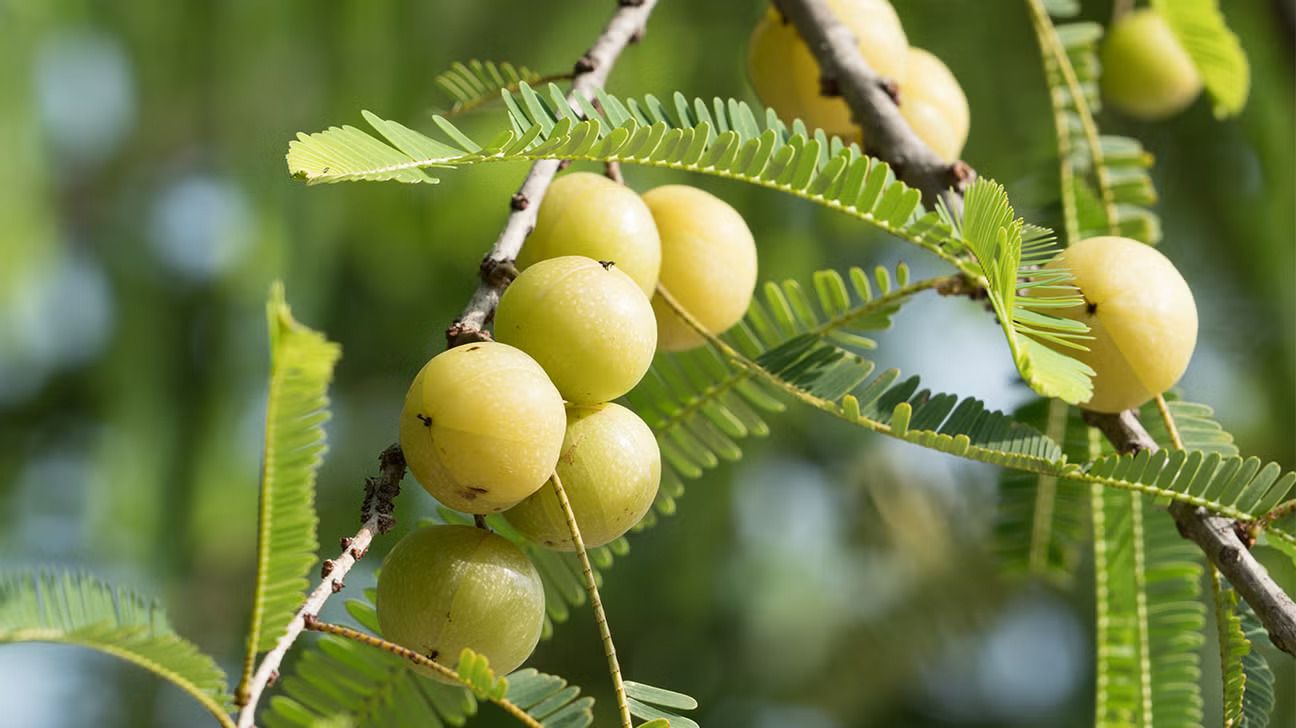
A Native Indian Tree Known for Nutrition, Medicine, and Resilience
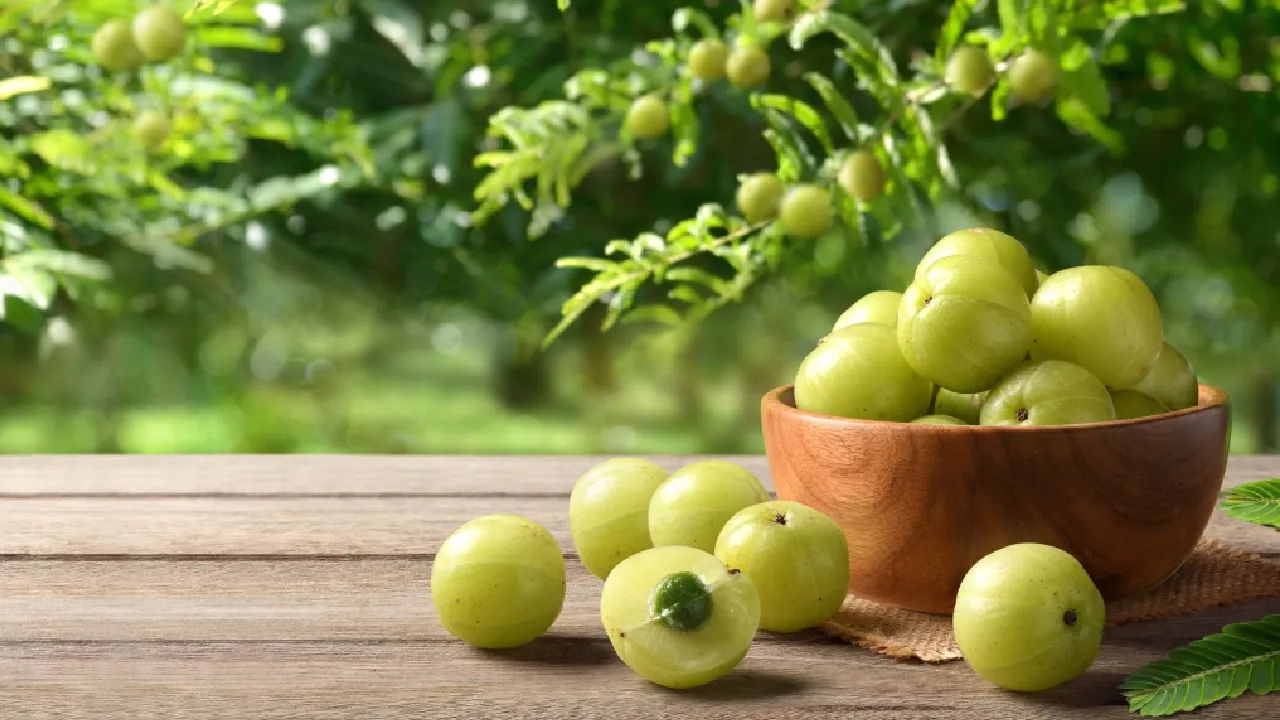
The amla tree is one of the most valued native fruit trees in the Indian subcontinent. Known for its small green fruits and remarkable nutritional profile, the tree has been part of traditional food systems, medicine, and agriculture for centuries.
Botanically identified as Phyllanthus emblica, the amla tree is commonly called Indian gooseberry. It belongs to the Phyllanthaceae family and grows widely across India, Sri Lanka, and Southeast Asia.
What makes the amla tree unique is not only its fruit but also its ability to thrive in difficult environmental conditions. It tolerates heat, variable rainfall, and relatively poor soils, making it well suited to dry and semi-arid landscapes.
Over time, the amla tree has become deeply integrated into both ecological systems and cultural practices across the region.
A tree adapted to diverse landscapes
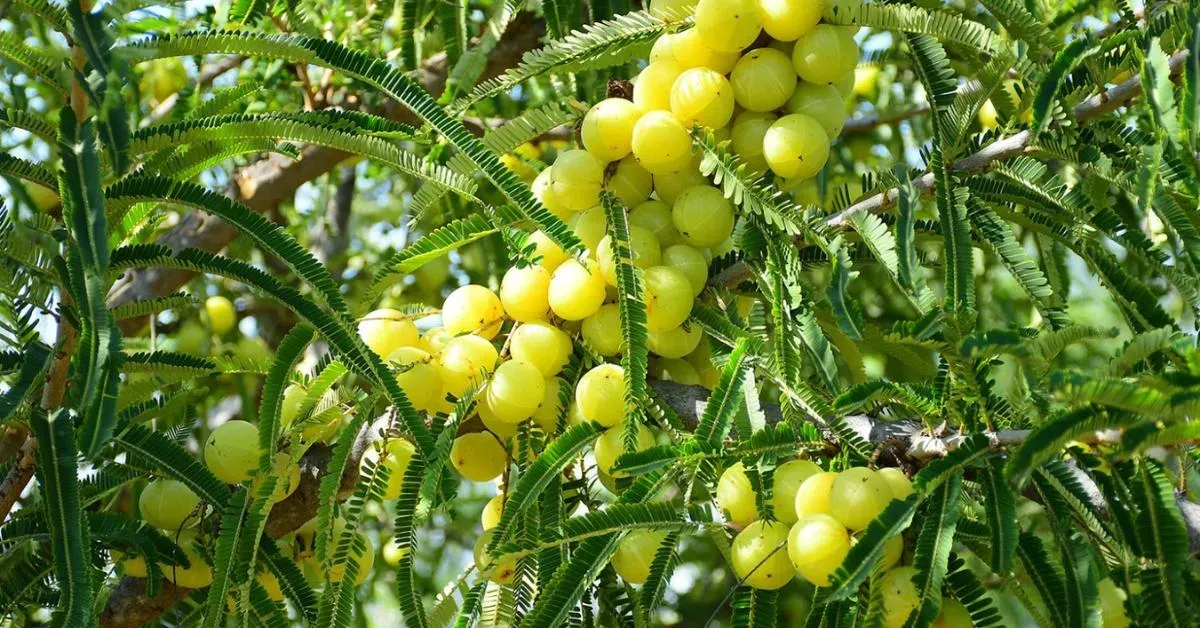
The amla tree grows naturally across a wide range of environments—from dry deciduous forests to agricultural fields and village landscapes. Unlike many fruit trees that require carefully managed soils and irrigation, amla trees are known for their adaptability.
They grow well in regions with hot summers and moderate rainfall, often surviving where other orchard species struggle. The tree’s root system helps it withstand seasonal droughts, while its relatively small leaves reduce water loss during periods of heat.
Because of these characteristics, amla trees are sometimes planted in agroforestry systems where crops and trees coexist on the same land. Such systems allow farmers to diversify production while improving soil conditions and landscape stability.
The botanical characteristics and taxonomy of the amla tree are documented in plant databases such as the Plants of the World Online maintained by the Royal Botanic Gardens, Kew.
Structure and growth of the amla tree
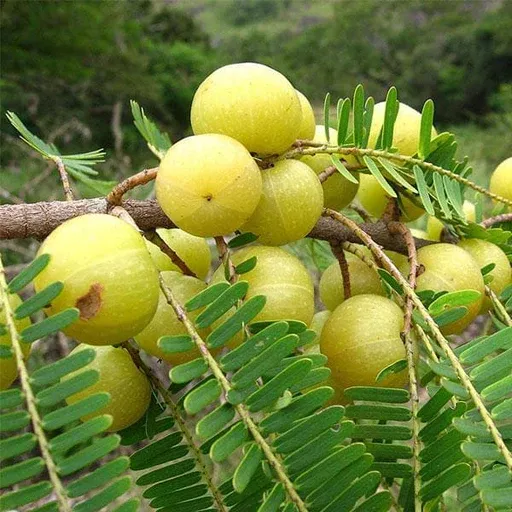
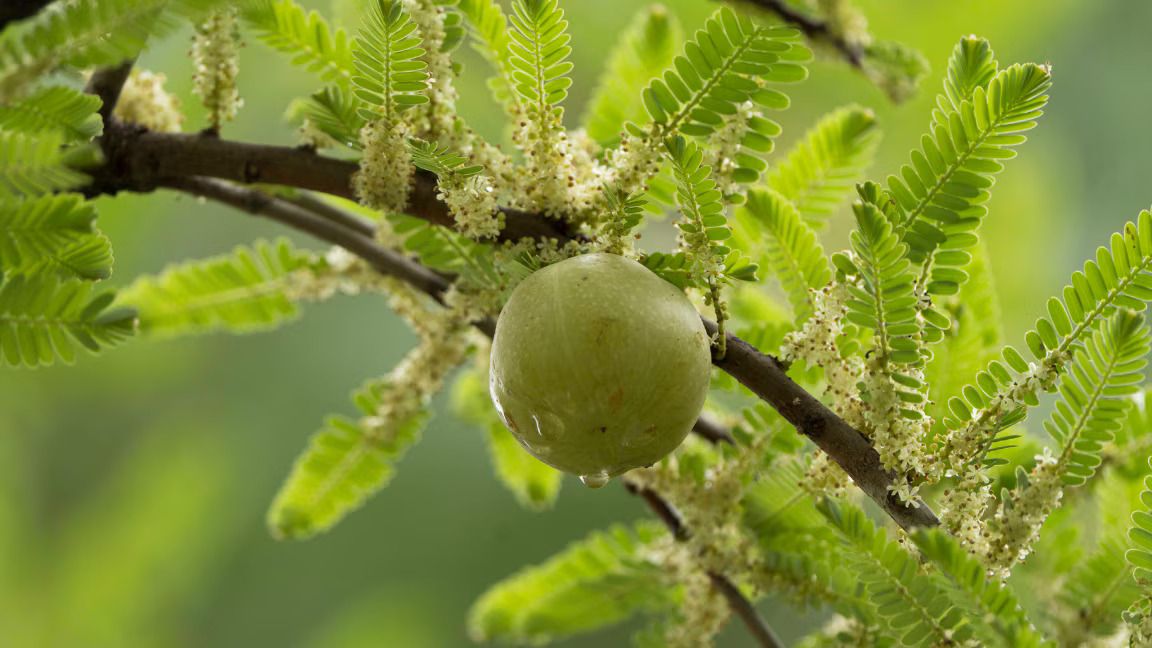
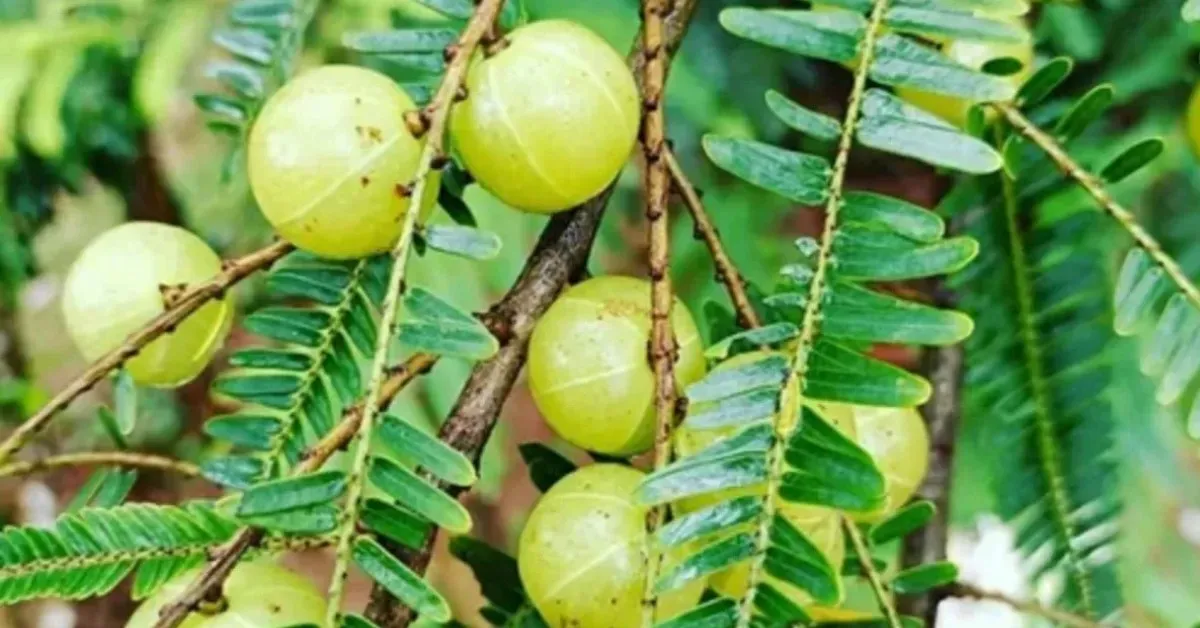
A mature amla tree typically reaches heights of 8–18 metres and develops a dense canopy of fine, feathery foliage. Its small leaves grow along slender branches, giving the tree a soft, delicate appearance despite its durability.
During the flowering season, small greenish-yellow flowers appear along the branches. These eventually develop into the round fruits that the tree is best known for.
The fruit begins light green and gradually matures while remaining firm and glossy. Each fruit contains a hard seed inside and is known for its intensely sour taste.
Although the flavour can be sharp when eaten fresh, the fruit is widely used in juices, pickles, herbal preparations, and nutritional supplements.
One of the most nutrient-dense fruits
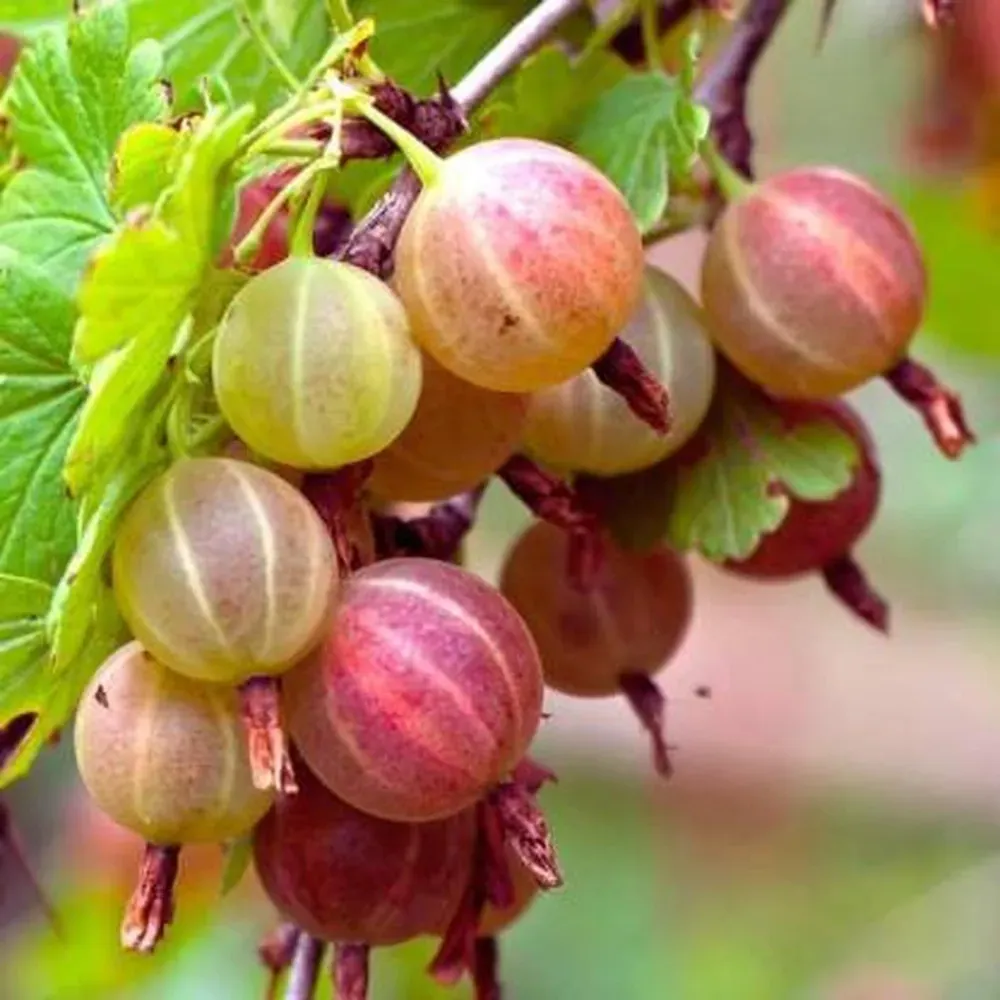
The amla fruit has earned global attention for its nutritional properties.
It is particularly rich in vitamin C and contains antioxidants, polyphenols, and other plant compounds associated with health benefits. Because of this, amla has long been used in traditional dietary and medicinal systems.
Scientific interest in the nutritional and phytochemical properties of amla has increased over time. Reviews of the plant’s composition and medicinal potential appear in scientific literature indexed by institutions such as the National Center for Biotechnology Information.
While modern research continues to explore its properties, the fruit has already been part of traditional diets for generations.
Amla in traditional medicine
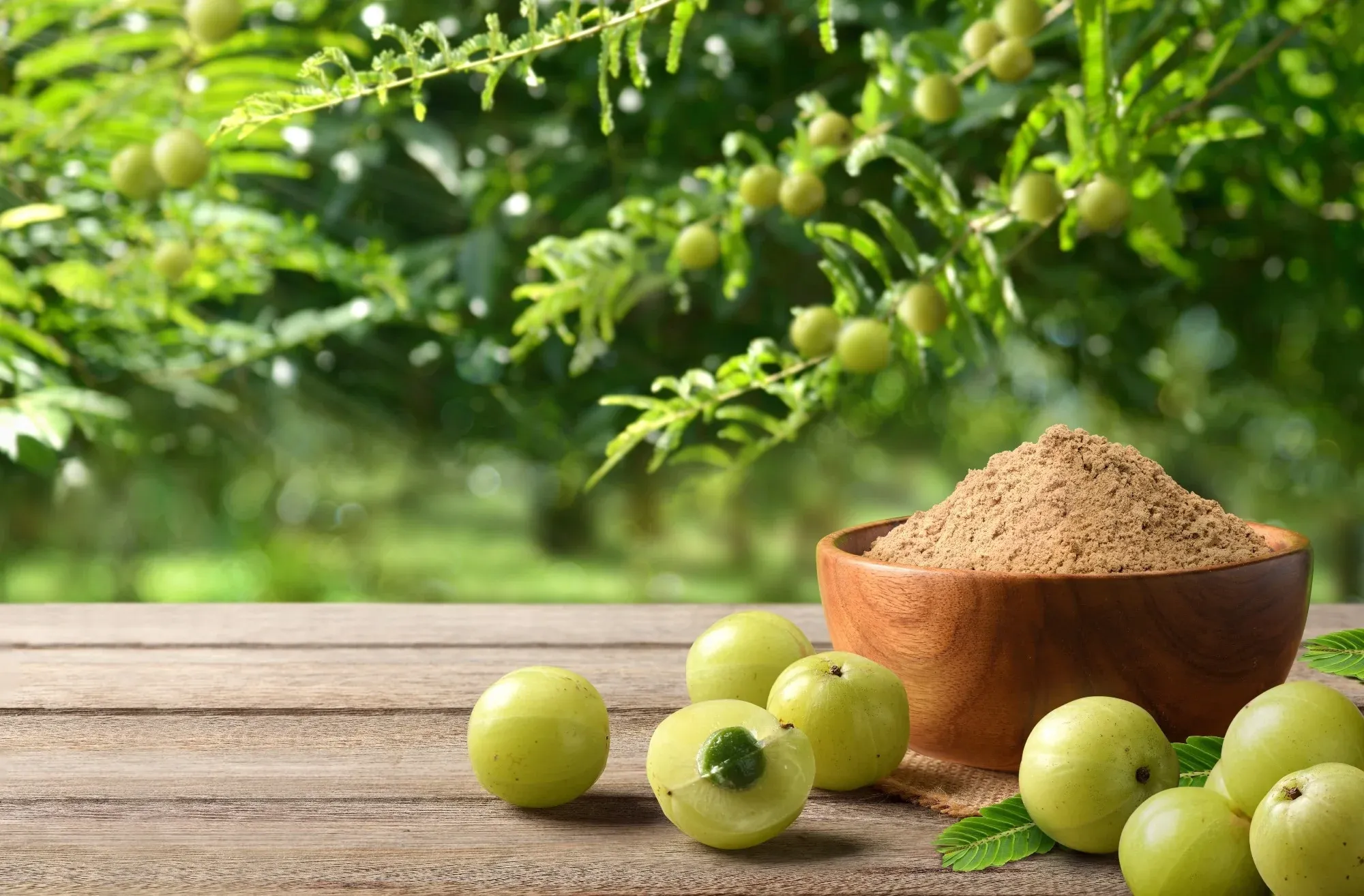
The amla tree holds a particularly important place in Ayurvedic traditions.
The fruit is used in a wide variety of herbal preparations, including the well-known formulation triphala. In these contexts, amla is valued for its perceived ability to support digestion, immunity, and overall well-being.
It is important to understand that traditional uses developed over long periods through observation and cultural practice rather than modern clinical trials. Today, research continues to investigate these traditional claims, bridging the gap between historical knowledge and contemporary science.
The long-standing use of amla in traditional medicine has made it one of the most recognized medicinal fruits in South Asia.
Ecological role of the amla tree
Beyond its fruit, the amla tree contributes to the health of the landscapes in which it grows.
The tree provides shade and shelter for birds and insects while its fruits offer seasonal food for wildlife. Because amla trees can survive in relatively dry environments, they help maintain vegetation cover in areas where tree density might otherwise decline.
When planted in mixed farming systems, amla trees can contribute to soil protection by reducing erosion and improving organic matter through leaf fall.
Agroforestry research institutions such as World Agroforestry often highlight the importance of multipurpose trees like amla in sustainable land management systems.
A fruit tree in modern agriculture
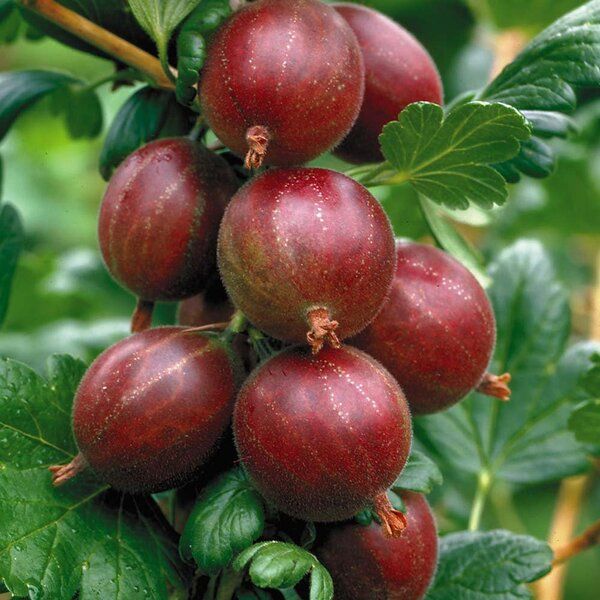
In recent decades, amla cultivation has expanded beyond traditional landscapes into commercial orchards.
The fruit’s growing popularity in health foods, herbal supplements, and nutraceutical products has increased demand. As a result, farmers in several regions now cultivate improved varieties of amla designed to produce larger fruits and higher yields.
Despite this shift toward commercial cultivation, the tree retains many characteristics that make it suitable for small-scale farming systems. It requires relatively low maintenance compared with some orchard crops and can tolerate environmental stress better than many fruit species.
This balance between traditional use and modern demand has made the amla tree increasingly important in both rural agriculture and global food markets.
Climate resilience and future potential
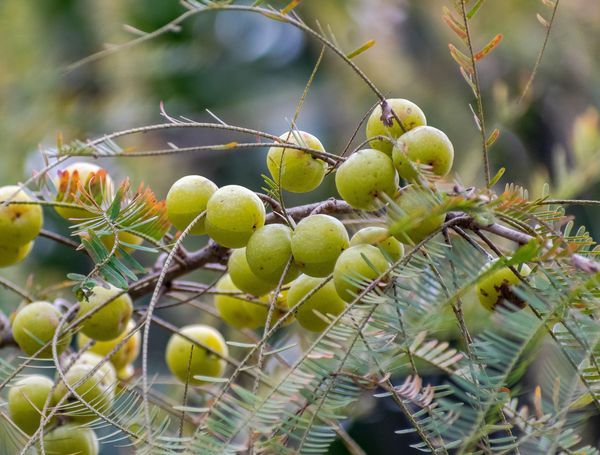
Trees that tolerate drought, heat, and variable soils are valuable in regions facing increasing environmental stress. The amla tree’s adaptability suggests that it could play a role in future climate-resilient agricultural systems.
Global assessments of climate adaptation often highlight the importance of diverse crops and resilient tree species in strengthening food systems. Broader discussions around climate adaptation and ecosystem resilience appear in reports such as the IPCC Sixth Assessment Report on impacts and adaptation.
In this context, traditional fruit trees like amla may offer lessons for building more resilient agricultural landscapes.
A tree rooted in culture and ecology
The amla tree represents more than just a fruit-bearing species.
It connects nutrition, medicine, ecology, and agriculture in a single plant. It grows in forests and farms, in villages and orchards. It feeds people while supporting biodiversity and landscape stability.
In a world increasingly focused on high-input agriculture and rapid production, the amla tree reminds us that resilience often lies in plants that have adapted quietly over centuries.
Its small green fruits may look modest, but the tree behind them carries a long history of ecological and cultural significance.
FAQs
1. What is the amla tree?
The amla tree, scientifically known as Phyllanthus emblica, is a fruit-bearing tree native to the Indian subcontinent. It produces the Indian gooseberry, a fruit widely known for its high vitamin C content.
2. Where does the amla tree grow best?
Amla trees grow best in tropical and subtropical climates with warm temperatures and well-drained soils. They can tolerate dry conditions and are commonly found across India and Southeast Asia.
3. How tall does an amla tree grow?
A mature amla tree typically grows between 8 and 18 metres tall. It develops a dense canopy of small leaves and produces green fruits during the fruiting season.
4. Why is amla fruit considered healthy?
Amla fruit is rich in vitamin C, antioxidants, and polyphenols. These compounds contribute to its reputation as a nutrient-dense fruit often used in traditional diets and herbal preparations.
5. What are the benefits of the amla tree?
The amla tree provides nutritious fruit, supports traditional medicine systems, and contributes to agroforestry landscapes. It also helps improve soil health and biodiversity when grown in mixed farming systems.
6. Is the amla tree used in Ayurveda?
Yes. Amla has been widely used in Ayurvedic medicine for centuries and is a key ingredient in several traditional formulations such as triphala.
7. How long does an amla tree take to produce fruit?
Amla trees usually begin producing fruit within 4 to 5 years after planting. Productivity increases as the tree matures.
8. Can amla trees grow in dry or poor soils?
Yes. Amla trees are known for their resilience and can grow in relatively poor or dry soils, making them suitable for semi-arid regions.
9. Are amla trees suitable for agroforestry systems?
Yes. Amla trees are often used in agroforestry because they produce fruit while helping stabilize soil and support biodiversity.
10. What is another name for the amla tree?
The amla tree is commonly known as the Indian gooseberry tree. Its botanical name is Phyllanthus emblica.