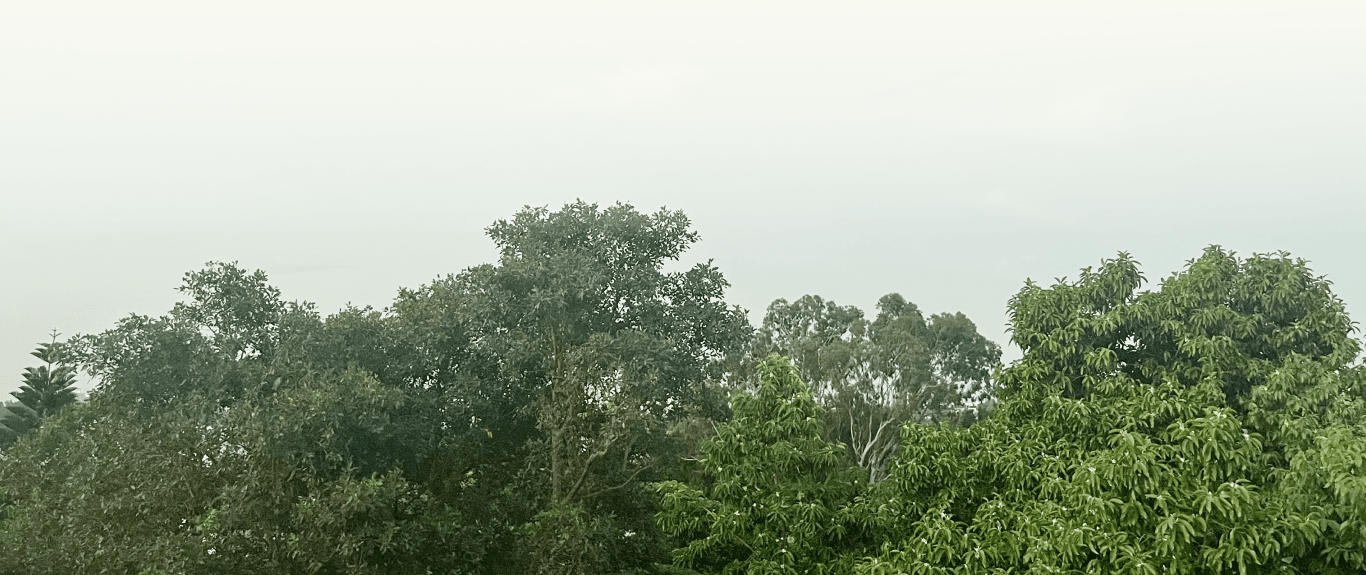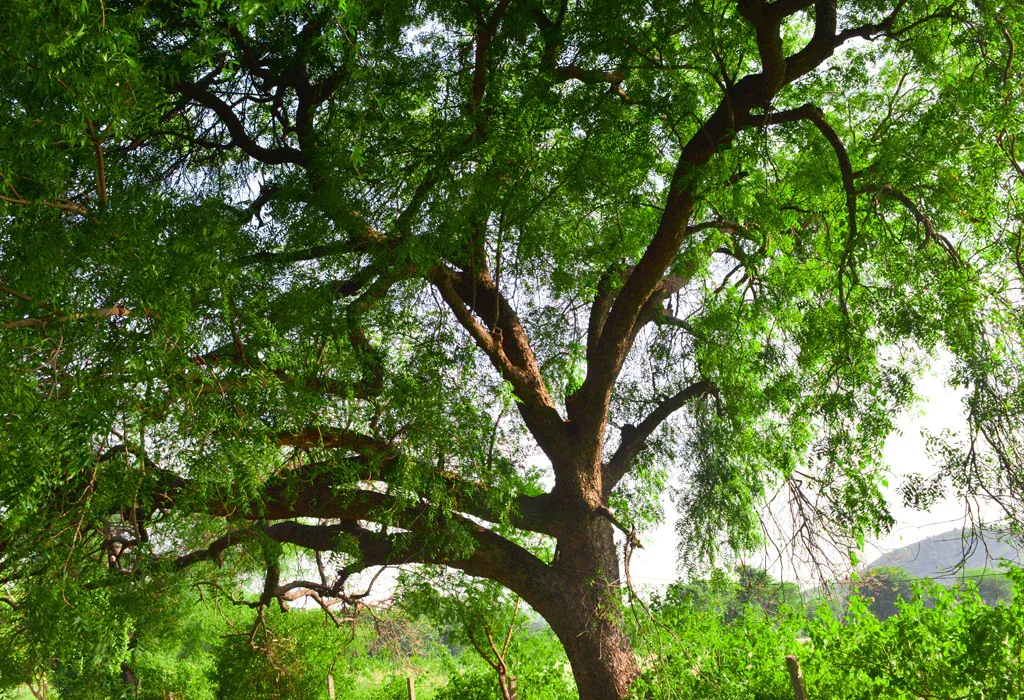
Across many parts of India, the Bakain tree (Melia azedarach) grows quietly along roadsides, farms, and open landscapes. At first glance, it is often mistaken for neem because of its similar leaf structure and overall form. But beyond this visual similarity, the two trees are very different in their properties, uses, and ecological roles.
The Bakain tree is a fast-growing deciduous species that has adapted well to tropical and subtropical regions. Botanical descriptions in the Encyclopaedia Britannica overview of Chinaberry tree explain that it is native to parts of Asia and Australia and has been widely naturalised across many countries, including India.
Today, Bakain occupies an interesting position in our landscapes. It is not as culturally revered as neem, nor as visually dramatic as Gulmohar, but it continues to be planted because of its adaptability and practical value.
What Is the Bakain Tree?
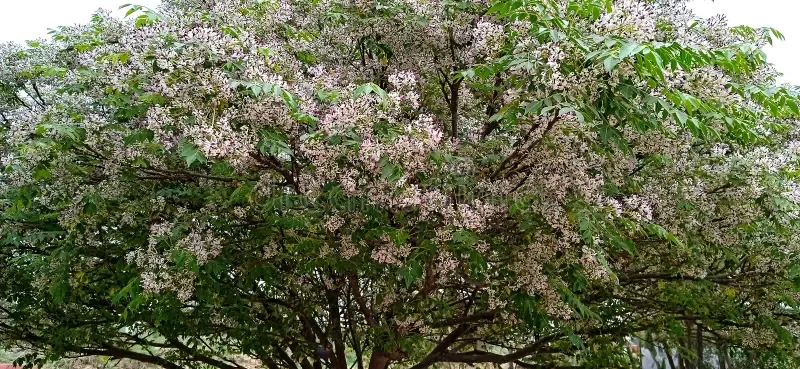
The Bakain tree belongs to the Meliaceae family, the same family as neem. This is one of the main reasons the two trees are often confused.
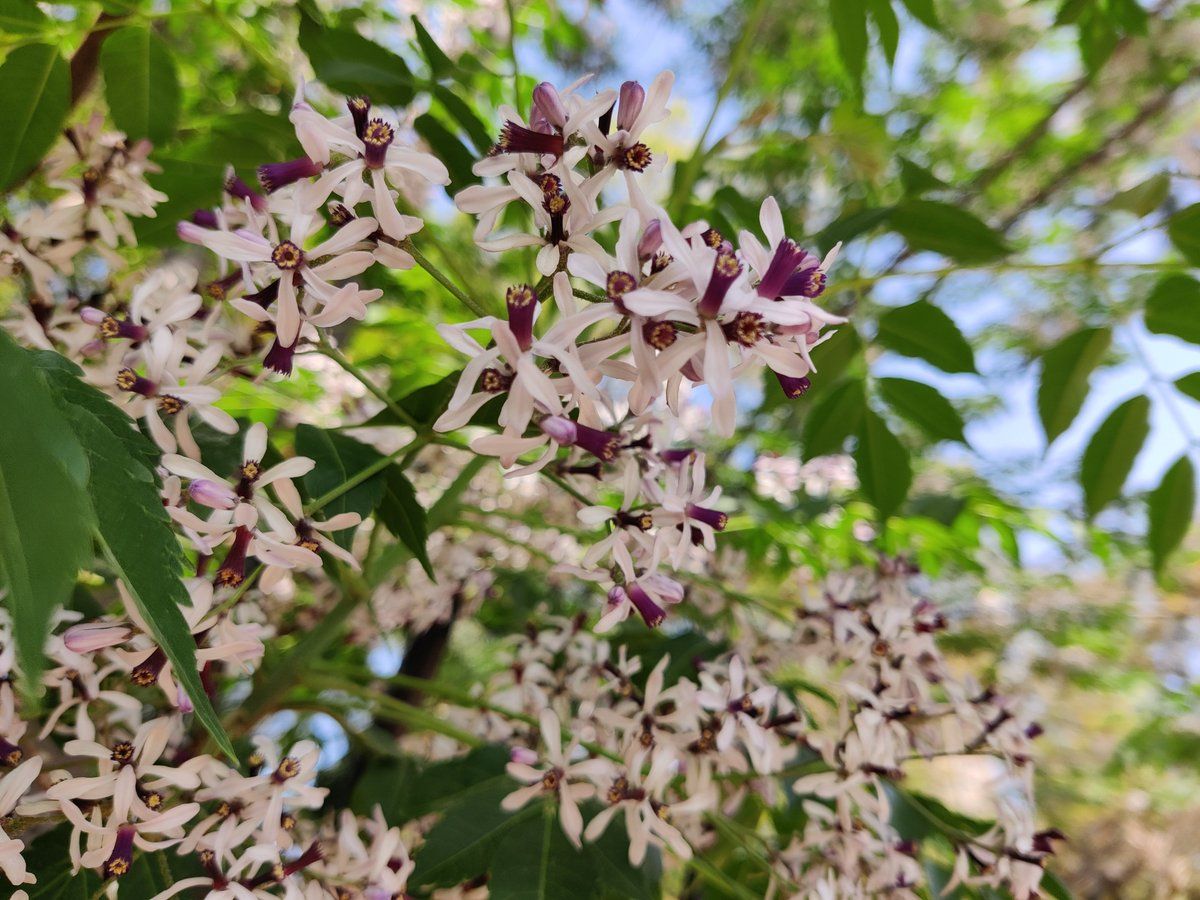
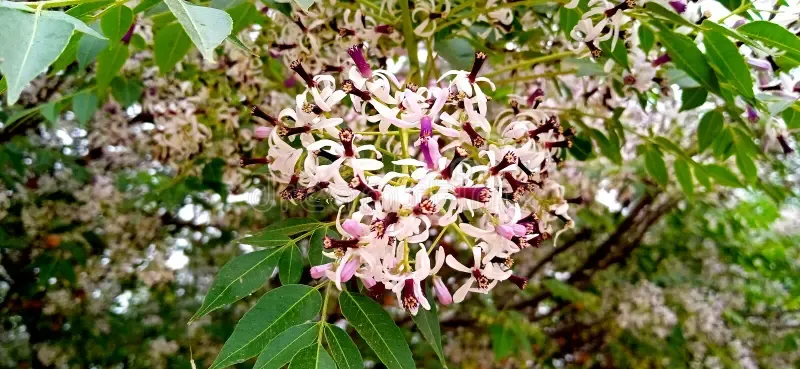
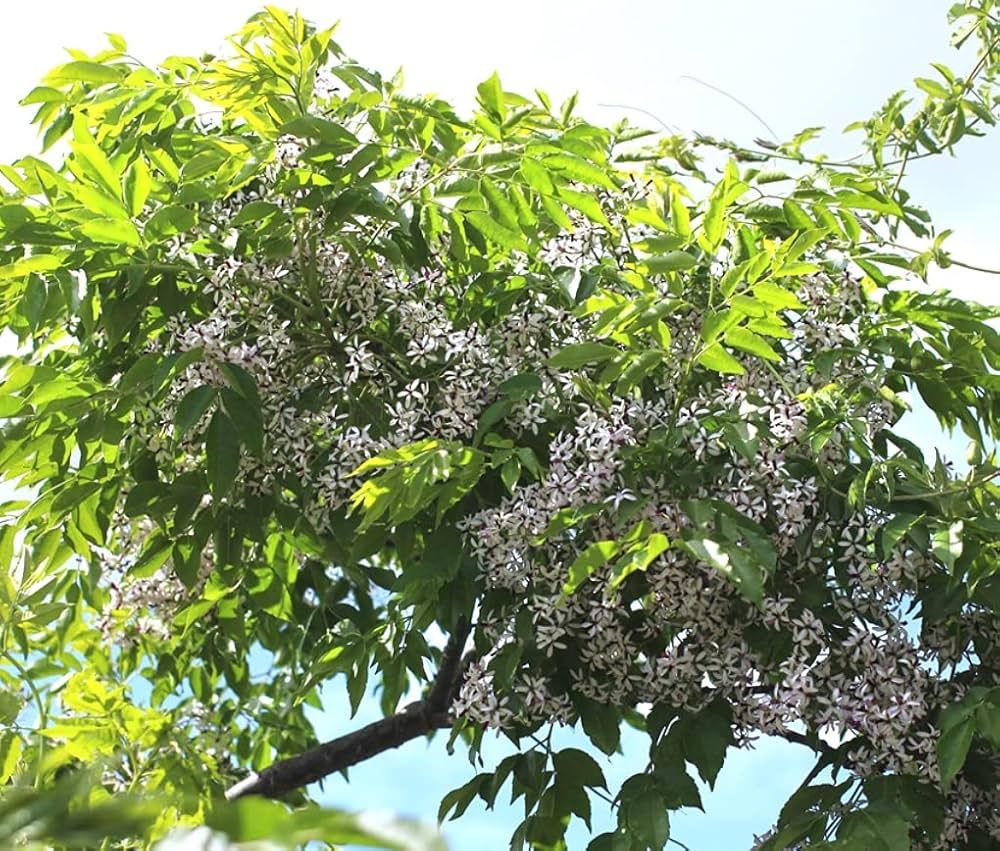
It typically grows between 10 to 15 meters in height and develops a moderately dense canopy. Its leaves are compound and resemble neem leaves, while its flowers are light purple and mildly fragrant. The tree also produces small yellow fruits that remain on the branches for long periods.
Plant profiles such as the CABI datasheet for Melia azedarach describe the species as highly adaptable, capable of growing in poor soils, dry conditions, and disturbed environments. This ability to survive where many other species struggle is one of the reasons it is commonly planted in both rural and urban areas.
Bakain vs Neem: Why the Confusion Matters
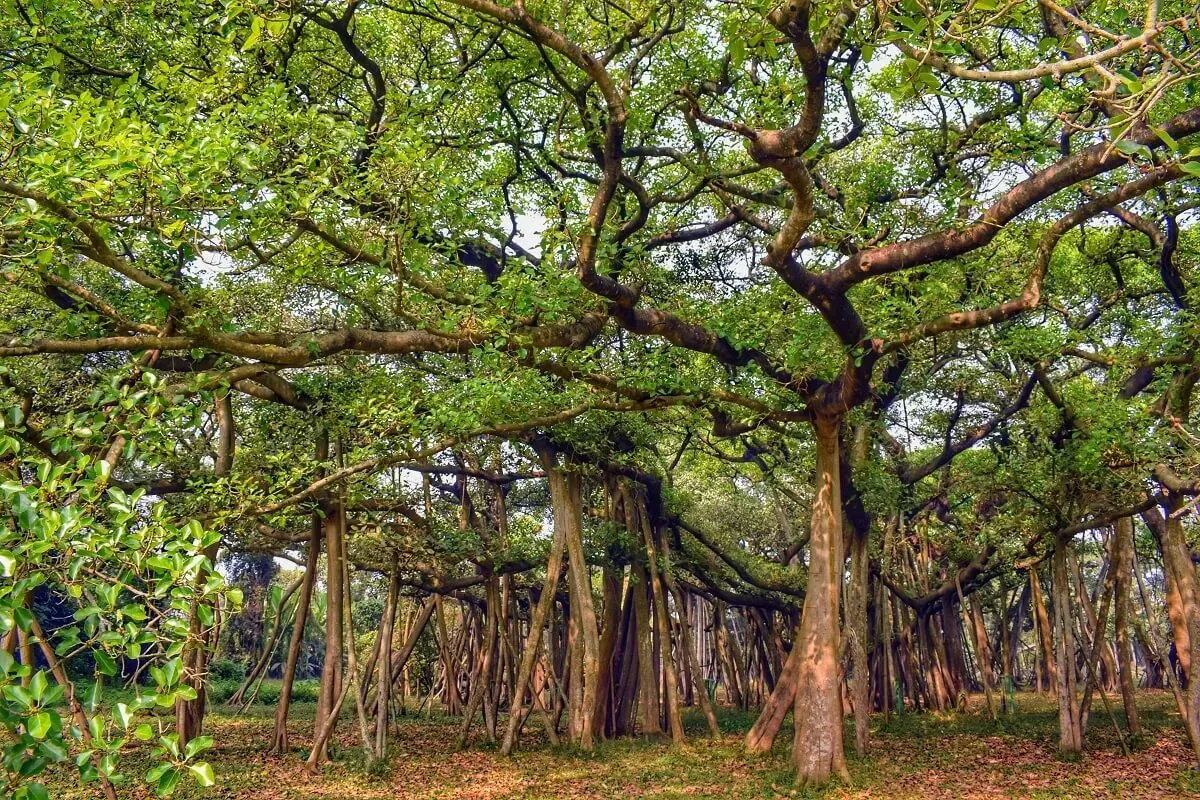
The comparison between Bakain and neem is not just botanical — it is practical. Neem (Azadirachta indica) is one of the most important trees in India, widely used for its medicinal, agricultural, and ecological benefits. Bakain, despite its similar appearance, does not offer the same range of uses.
Scientific distinctions between tropical tree species, discussed in the Food and Agriculture Organization forestry database on tropical tree species, highlight that even closely related species can differ significantly in their chemical composition, ecological role, and human use.
One of the most important differences lies in toxicity. Unlike neem, whose extracts are widely used in controlled ways, the fruits of the Bakain tree contain compounds that can be harmful if consumed. Toxicological studies referenced in the National Center for Biotechnology Information (NCBI) database on Melia azedarach toxicity confirm that ingestion of its berries can pose risks, particularly for children and animals.
This makes it important to clearly distinguish between the two trees, especially in public and residential planting.
Detailed Comparison: Bakain vs Neem
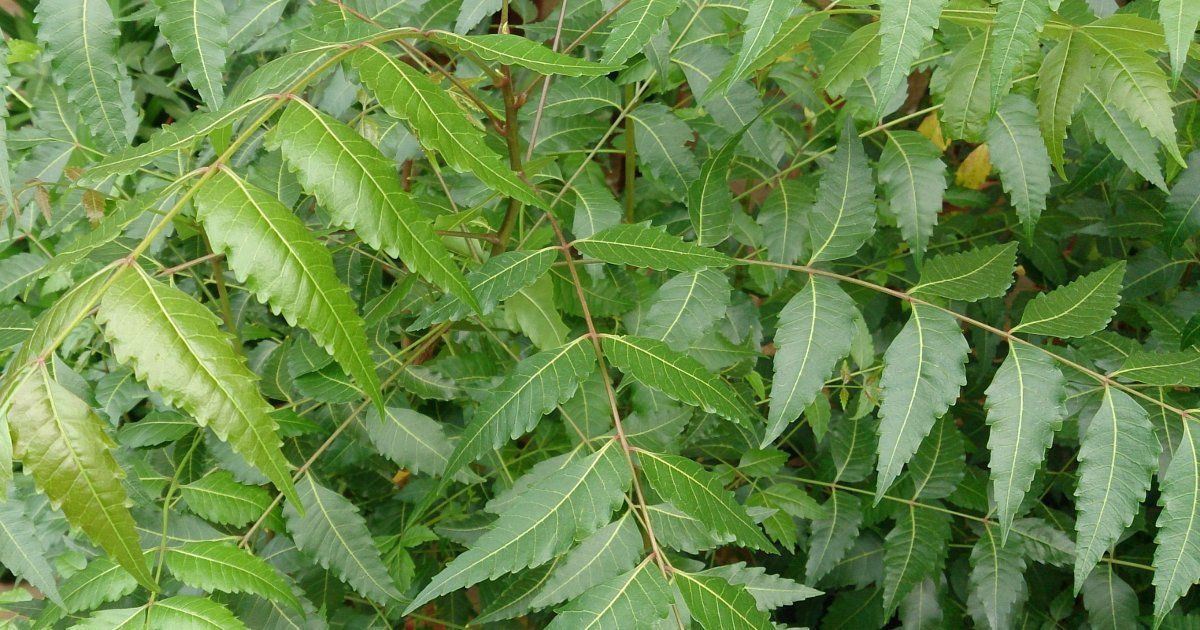
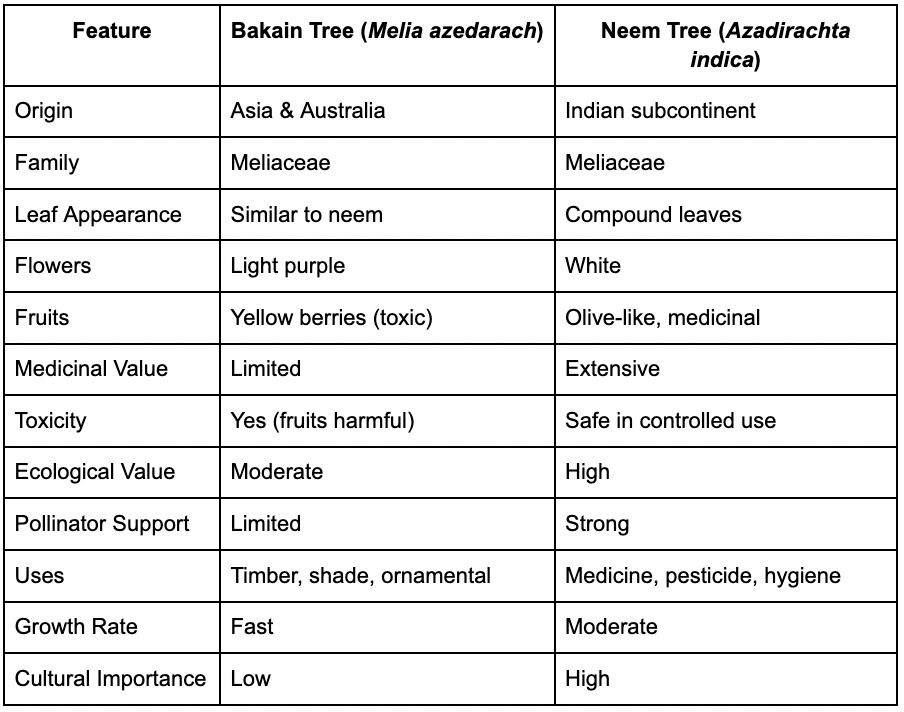
This comparison highlights an important idea: appearance does not determine function. Two trees may look similar but serve completely different roles in ecosystems and human use.
Ecological Role of the Bakain Tree
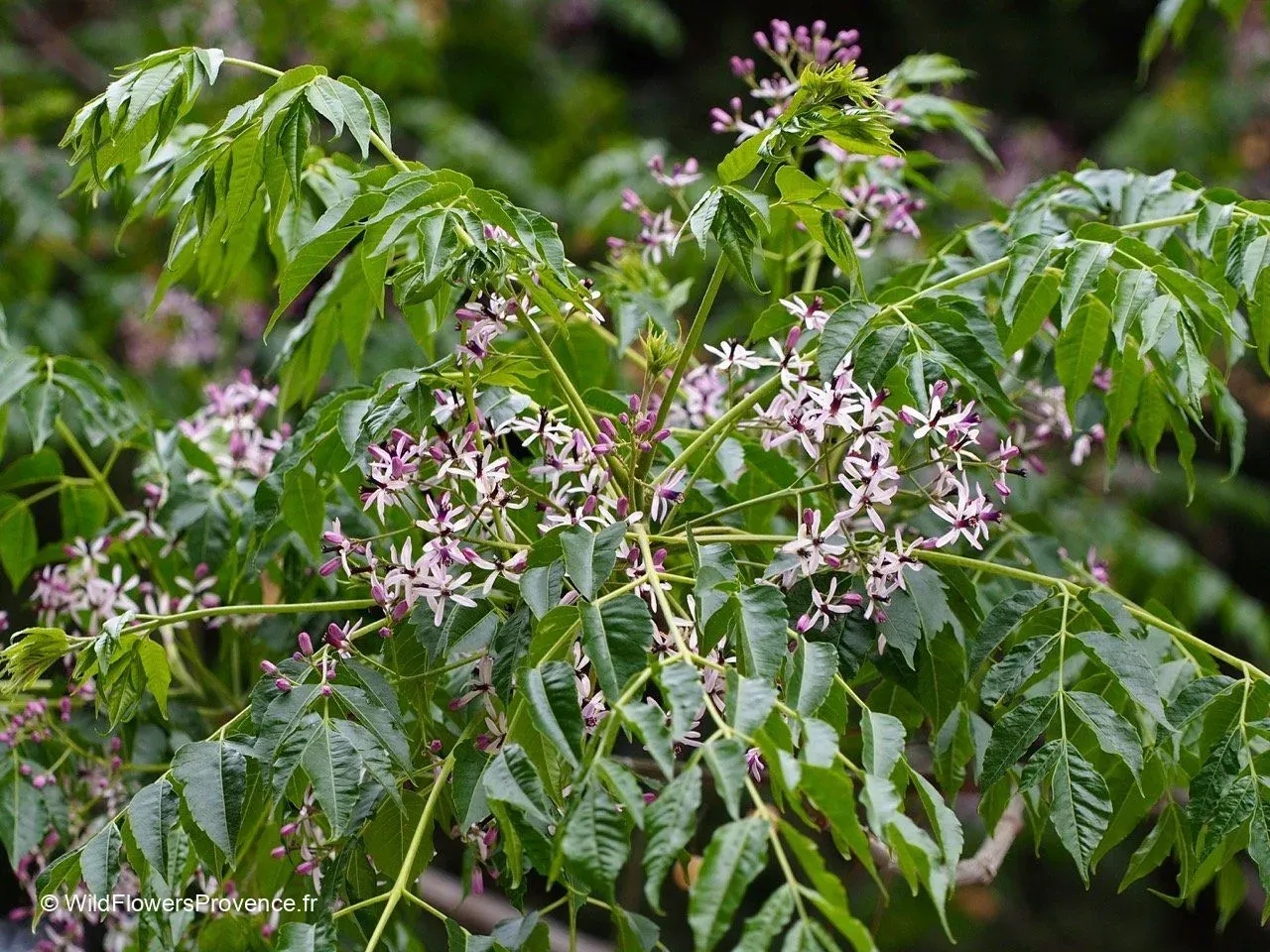
The Bakain tree plays a limited but still relevant ecological role, particularly in altered or urban environments.
Its flowers attract insects such as bees, providing some level of support to pollinators. While it does not offer the same ecological richness as native species, research by World Agroforestry suggests that even less complex or non-native trees can contribute to maintaining biodiversity in fragmented landscapes.
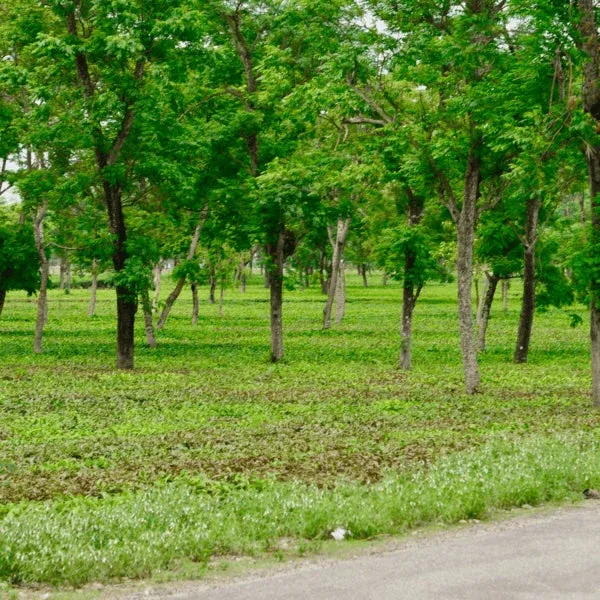
One of its more significant contributions is its ability to establish quick green cover. In areas where land is degraded or exposed, fast-growing trees like Bakain help stabilise soil and create initial canopy conditions that can support further planting.
Urban ecosystem research highlighted in the UN Environment Programme work on urban ecosystems emphasizes that increasing tree cover, even with hardy species, plays a critical role in improving air quality, reducing heat, and making cities more livable.
Uses of the Bakain Tree
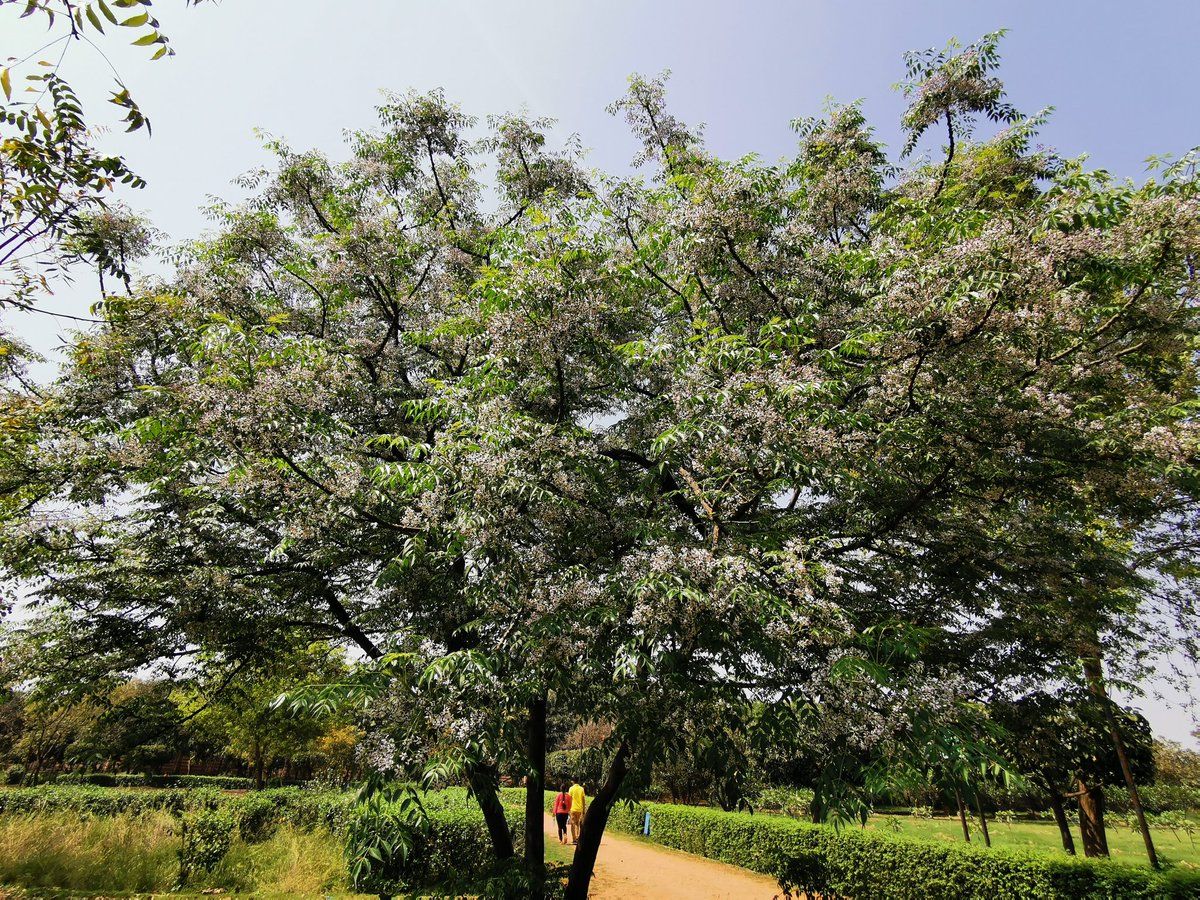
The value of the Bakain tree lies primarily in its practical applications rather than medicinal or ecological importance.
Its wood is lightweight and easy to work with, making it suitable for furniture, small wooden items, and plywood. In agroforestry systems, fast-growing trees like Bakain are sometimes used to provide supplementary income through timber. This role is discussed in the Food and Agriculture Organization resources on agroforestry systems, which highlight how trees can support both environmental and economic outcomes.
The tree is also planted for ornamental purposes. Its purple flowers and structured canopy make it visually appealing, especially in controlled landscapes such as gardens and institutional campuses.
Historically, its seeds have been used to make beads, which is why it is sometimes referred to as the “bead tree.”
Limitations and Concerns
Despite its usefulness, the Bakain tree comes with important limitations.
The most critical concern is its toxicity. The fruits can be harmful if ingested, which makes the tree less suitable for areas where children or livestock may come into contact with it. This is not a minor detail but a key factor in deciding where and how the tree should be planted.
Another limitation is its relatively low ecological value compared to native trees. While it does provide shade and some pollinator support, it does not sustain as many species or contribute as effectively to biodiversity.
In some regions, Bakain has also shown invasive tendencies, spreading beyond intended planting areas. Observations documented in the CABI invasive species database for Melia azedarach highlight its ability to adapt and spread under favourable conditions.
Why the Bakain Tree Still Matters
Even with these limitations, the Bakain tree continues to be part of many landscapes. Its importance lies in its adaptability and speed. It can grow in conditions where many other trees struggle, making it useful for initial planting efforts in degraded or urban environments.
In this sense, Bakain often acts as a transitional species — helping establish greenery and stabilise land, even if it is not the final or ideal ecological choice.
Towards Smarter Tree Planting
The conversation around trees is changing.
Planting more trees is no longer enough — the focus is shifting toward planting the right mix of trees.
Global restoration efforts, as highlighted in the UN Decade on Ecosystem Restoration, emphasize the importance of prioritising native species while also considering practical constraints such as soil conditions, climate, and urban pressures.
A more balanced approach includes:
• using native trees for biodiversity and long-term resilience • using adaptable species like Bakain where necessary • creating diverse landscapes rather than monocultures
A Tree Worth Understanding
The Bakain tree is not a perfect tree, but it is a useful one.
It reminds us that not all trees serve the same purpose. Some are deeply integrated into ecosystems, while others provide immediate functional benefits such as shade and adaptability.
Understanding these differences allows for better decisions — not just about planting trees, but about building landscapes that are sustainable, resilient, and informed.
FAQs
1. What is the Bakain tree?
The Bakain tree (Melia azedarach) is a fast-growing deciduous tree commonly found in India, known for its purple flowers and leaves that resemble neem.
2. Is Bakain the same as neem?
No, Bakain and neem are different species. While they look similar, neem has strong medicinal properties, whereas Bakain has limited uses and can be toxic.
3. Is the Bakain tree poisonous?
Yes, the fruits of the Bakain tree are toxic if consumed, especially for children and animals. They should not be eaten.
4. What are the uses of the Bakain tree?
Bakain is mainly used for timber, shade, ornamental planting, and small wood products. It is not widely used for medicinal purposes.
5. Does the Bakain tree have medicinal benefits?
Bakain has limited medicinal use compared to neem, which is widely used in traditional medicine and natural remedies.
6. How can you identify a Bakain tree?
Bakain can be identified by its light purple flowers, yellow berry-like fruits, and neem-like leaves, along with its fast growth and spreading canopy.
7. Where does the Bakain tree grow best?
The Bakain tree grows well in tropical and subtropical climates and can tolerate poor soil, dry conditions, and urban environments.
8. Is the Bakain tree good for urban planting?
Yes, it is suitable for urban planting due to its fast growth and adaptability, but care should be taken due to its toxic fruits.
9. What are the disadvantages of the Bakain tree?
The main disadvantages include toxic fruits, lower biodiversity support compared to native trees, and potential invasiveness in some regions.
10. Why is the Bakain tree planted?
Bakain is planted for quick shade, fast growth, and its ability to grow in challenging environments where other trees may struggle.