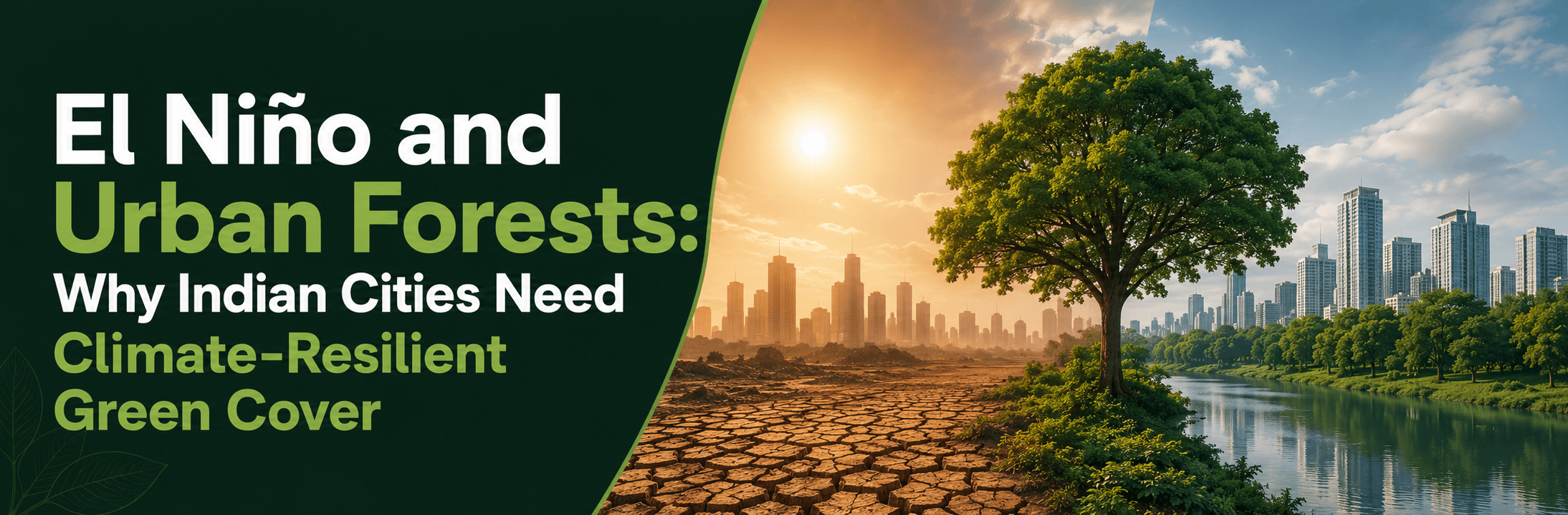
Extreme heat is no longer a distant climate concern. For Indian cities, it is becoming part of everyday summer life. Roads heat up quickly, buildings trap warmth, and concrete-heavy neighborhoods often remain hot even after sunset. When climate patterns like El Niño enter the picture, this stress can become even more unpredictable.
El Niño is a naturally occurring climate pattern linked to warming in the central and eastern Pacific Ocean. It can influence temperature, rainfall, and weather extremes across different parts of the world. The World Meteorological Organization’s El Niño update has highlighted the likelihood of El Niño conditions developing in 2026, making it important for cities to think seriously about climate preparedness.
For India, this matters because heat, rainfall uncertainty, water stress, and urban growth are all connected. Cities cannot respond to extreme weather only with emergency measures. They need long-term natural infrastructure. Urban forests are one of the most practical ways to build that resilience.
What Is El Niño and Why Does It Matter?
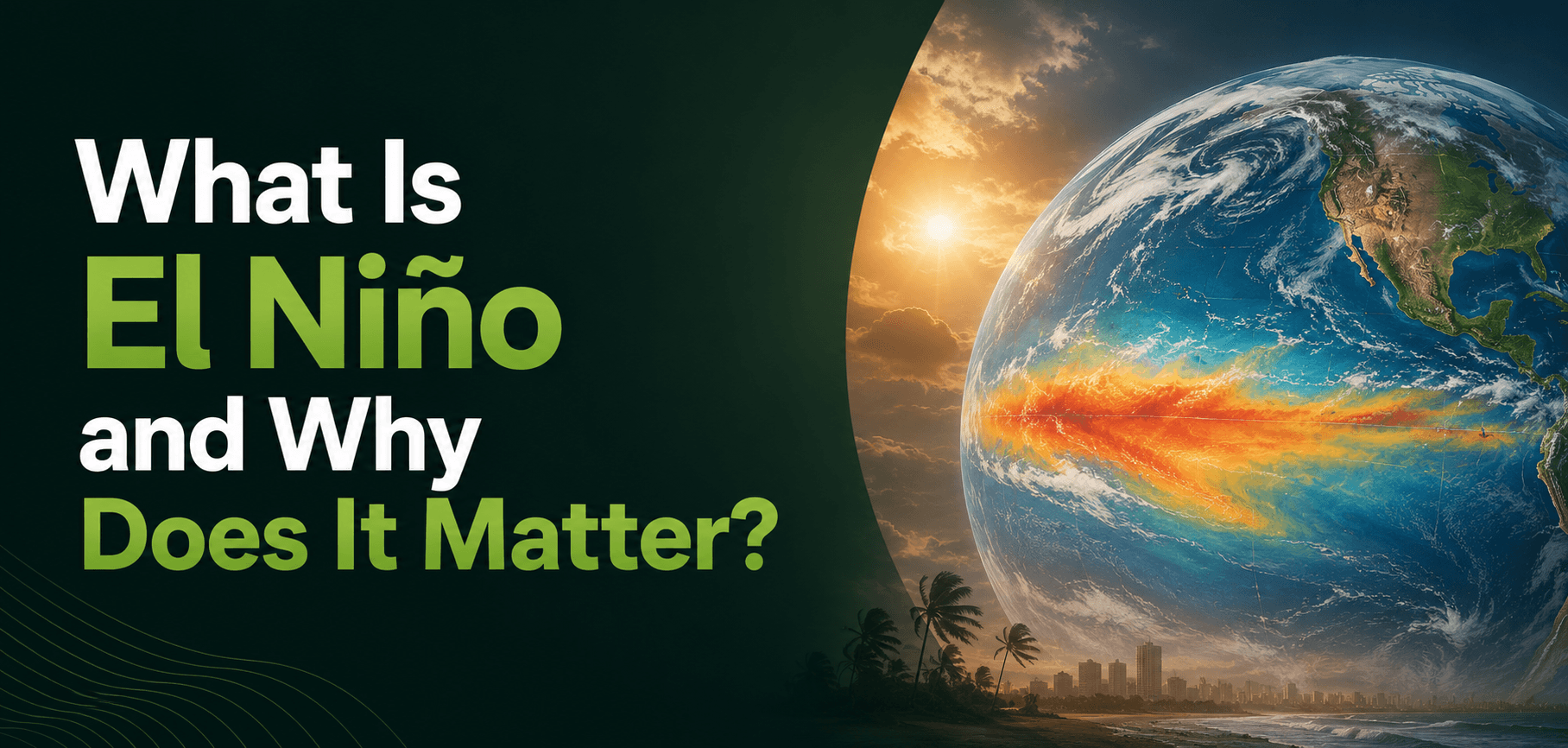
El Niño is part of a larger climate pattern called the El Niño Southern Oscillation, or ENSO. As explained by NOAA Climate.gov’s explanation of ENSO, El Niño and La Niña are warm and cool phases of a natural climate cycle in the tropical Pacific that can affect global atmospheric circulation.
El Niño does not affect every region in the same way. Its impact depends on intensity, timing, and interaction with other climate systems. But broadly, El Niño years are often associated with higher global temperatures and changes in rainfall patterns.
For Indian cities, the concern is not only whether one summer is hotter than another. The bigger concern is uncertainty. Heatwaves may become sharper, monsoon patterns may become less predictable, and urban areas may experience higher stress due to limited tree cover, poor ventilation, and rising surface temperatures.
Why Indian Cities Are More Vulnerable to Heat
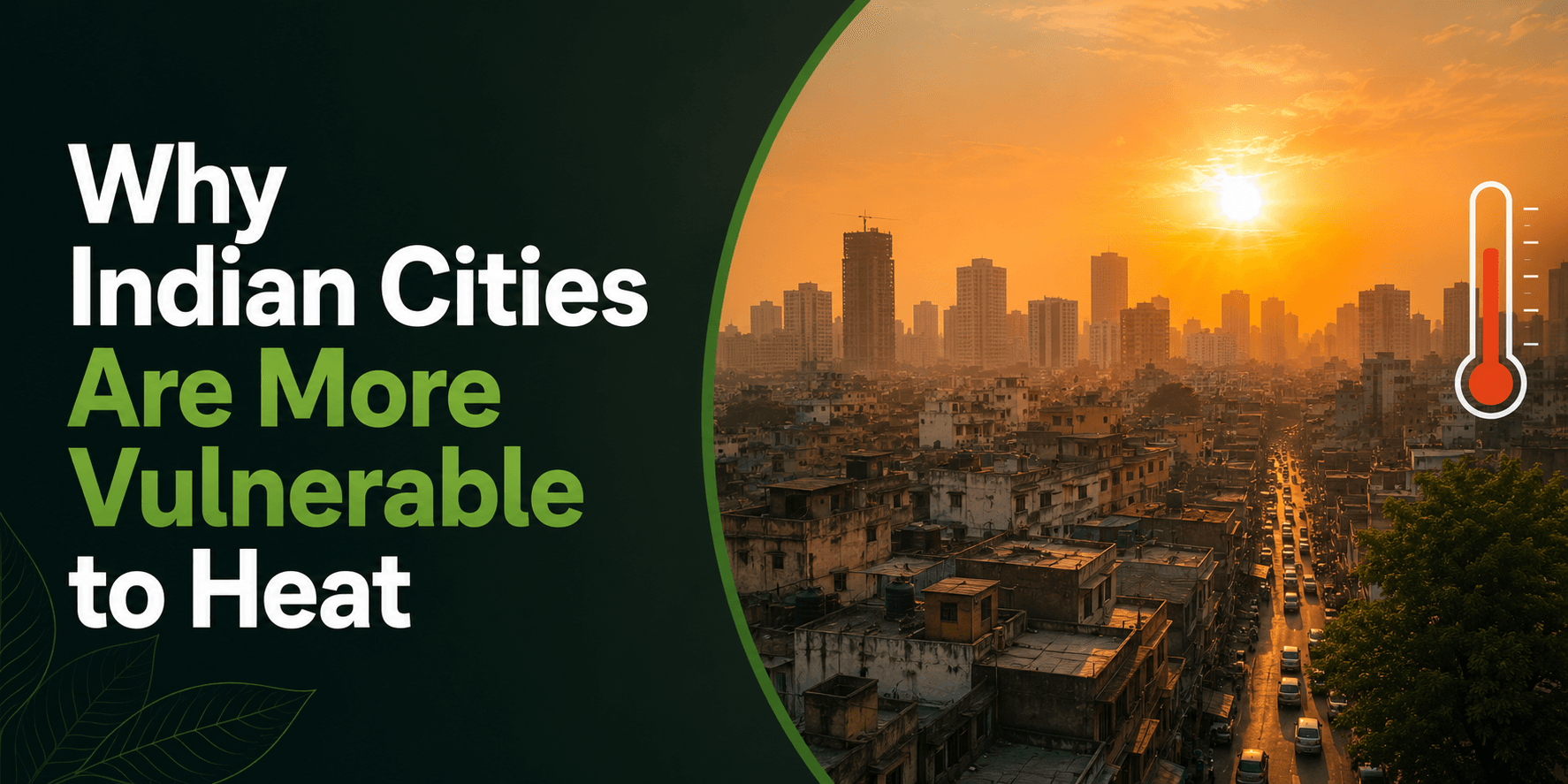
Indian cities are growing rapidly, but much of this growth is happening through concrete, asphalt, glass, and metal. These materials absorb heat during the day and release it slowly at night. This creates the urban heat island effect, where cities become warmer than surrounding rural areas.
The UN Environment Programme’s work on urban cooling and extreme heat highlights how cities need sustainable cooling solutions as extreme heat becomes a growing public health and climate challenge.
In many urban neighborhoods, the problem is easy to observe. Streets without tree cover feel harsher. Parking lots, exposed pavements, and concrete compounds radiate heat. Homes in low-green-cover areas often need more artificial cooling. Public spaces become difficult to use during peak afternoon hours.
This is why urban heat is not only an environmental issue. It is also a health, comfort, equity, and planning issue.
How Urban Forests Help Build Climate Resilience
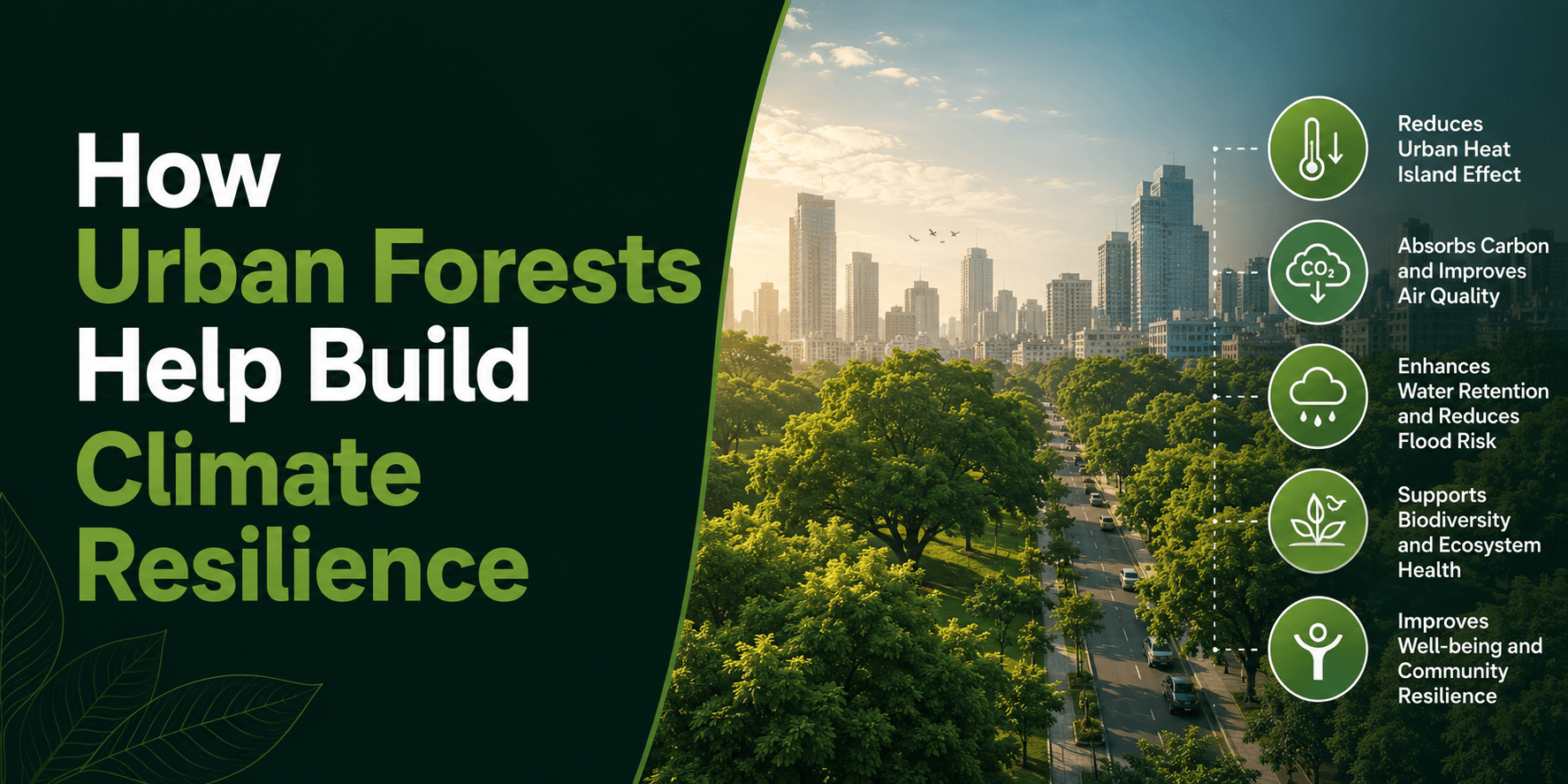
Urban forests help cities respond to heat in a way that is natural, scalable, and long term. Trees reduce heat through shade, evapotranspiration, surface cooling, and microclimate creation. If you want a detailed explanation of the science behind this, CATCH Foundation has already covered it in its blog on how trees cool cities during extreme summer heat.
This blog takes the next step: why urban forests matter even more in an El Niño context.
When heat becomes more intense and rainfall becomes less reliable, cities need green cover that can survive stress. A scattered plantation may offer some shade, but a well-planned urban forest can create deeper ecological benefits. Dense planting, native species, soil preparation, mulching, water management, and long-term maintenance together create systems that are more resilient than isolated trees.
Urban forests can help reduce local temperatures, improve air quality, support pollinators, increase soil moisture, reduce dust, and create habitats for birds and insects. They also make people feel connected to green spaces, which is important for long-term protection and care.
Why Tree Survival Matters More During El Niño Years
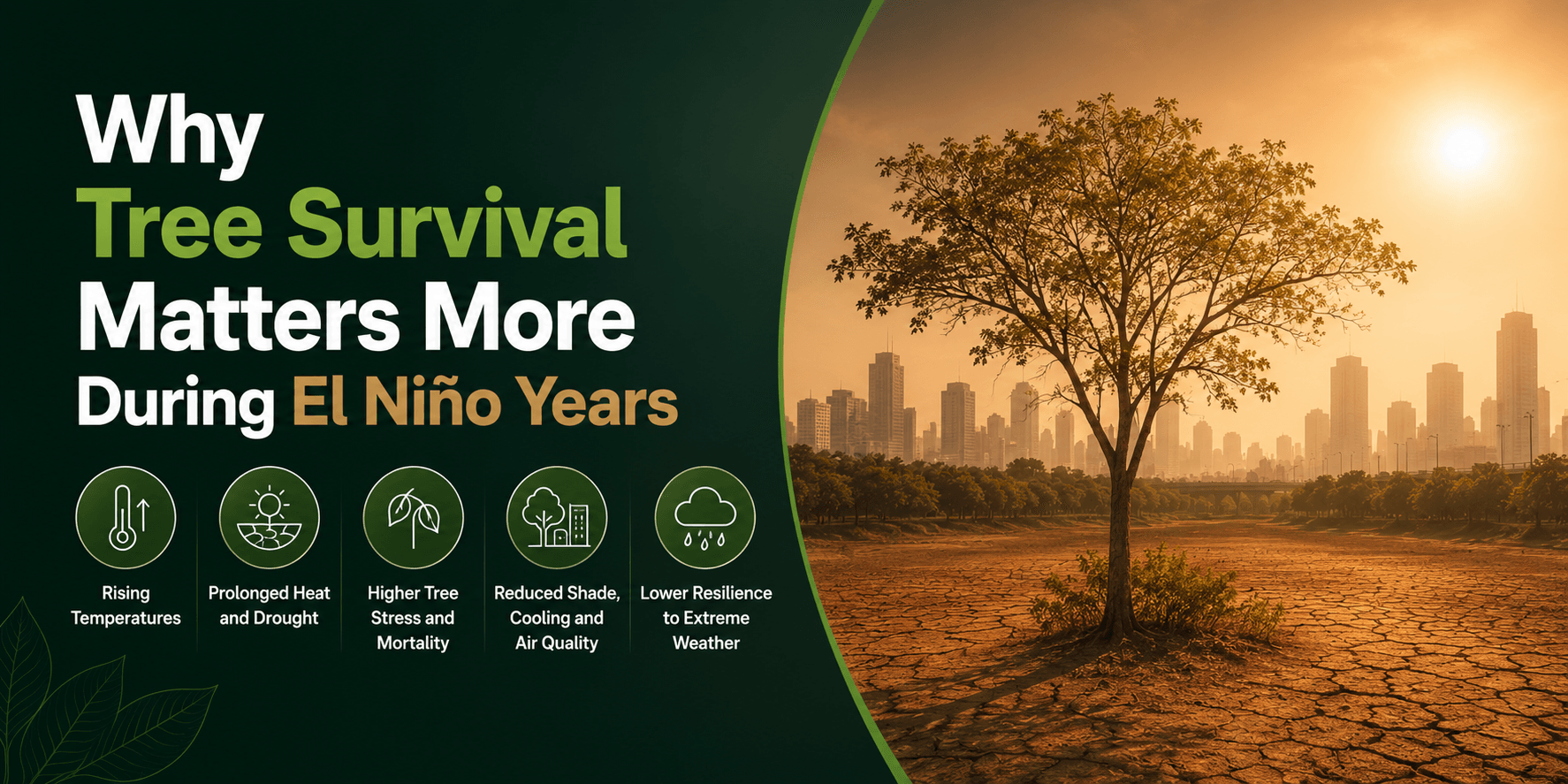
In India, tree plantation often happens during monsoon because rainfall helps newly planted saplings establish roots. But El Niño can make climate conditions more uncertain. Rainfall may be delayed, uneven, or regionally deficient, while heat stress may remain high.
This means plantation planning cannot depend only on the arrival of monsoon. It must be designed for survival.
A sapling planted during a good rain spell may still struggle if the following weeks are dry. Young trees are especially vulnerable because their roots are not deep enough to access stored soil moisture. Without watering, mulching, protection, and monitoring, many saplings fail before they become functioning trees.
This is where CATCH Foundation’s approach becomes important. The focus cannot only be on the number of trees planted. Real impact depends on how many trees survive, grow, and become part of a functioning ecosystem.
Climate-resilient plantation should include:
- native and climate-suitable species
- proper soil preparation before plantation
- mulching to retain moisture
- watering support during dry spells
- protection from grazing and damage
- regular monitoring and replacement where needed
- long-term maintenance beyond plantation day
During El Niño years, this aftercare becomes even more important. Maintenance is not a support activity. It is climate action.
Urban Dense Forests as Climate Infrastructure
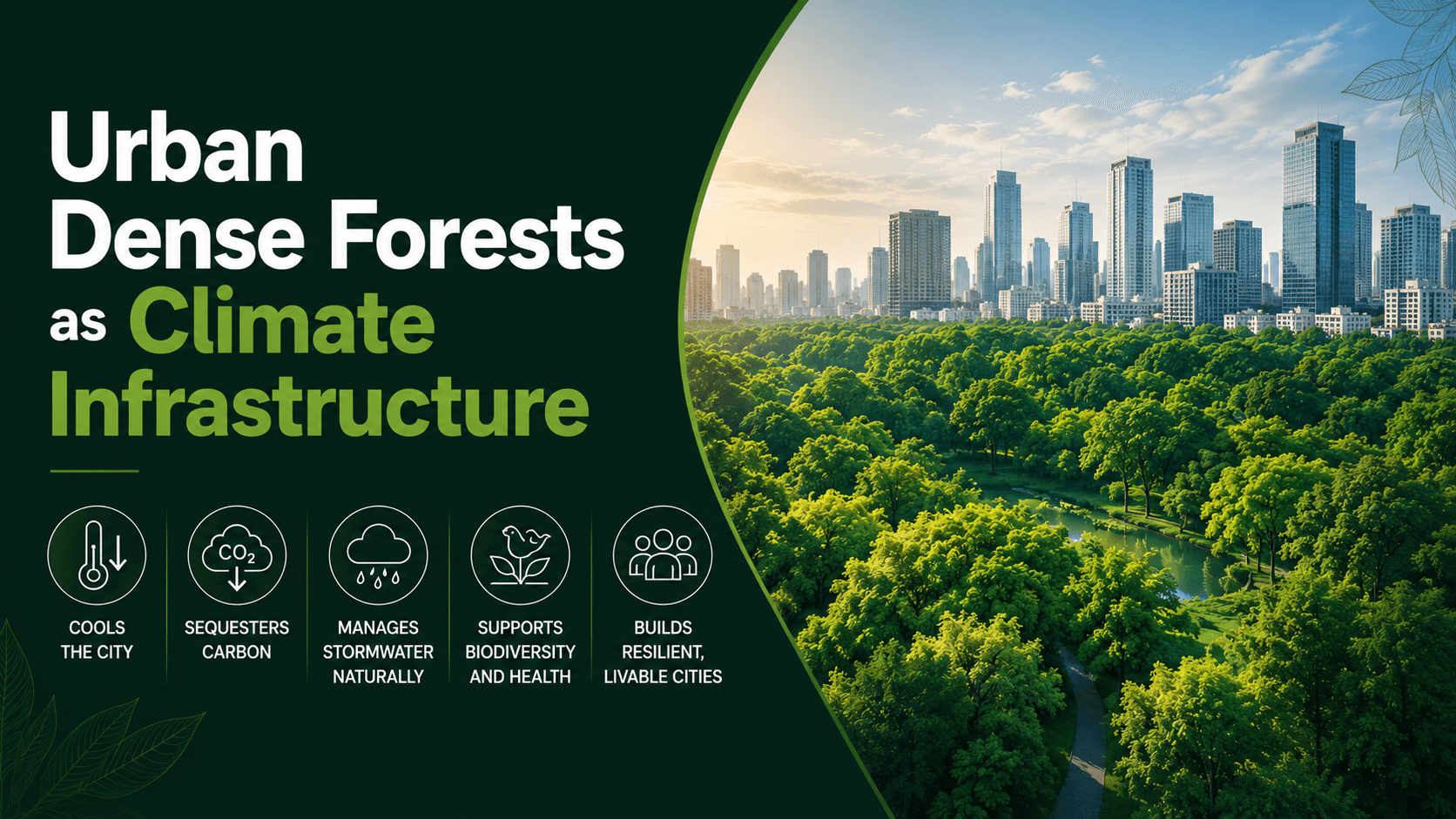
Urban forests should not be seen as beautification projects. They are climate infrastructure.
A road, drain, or water system is built because a city needs it to function. In the same way, green cover is necessary for a city to remain livable under rising heat. Urban dense forests provide cooling, biodiversity, water retention, and community wellbeing in ways that built infrastructure alone cannot.
The US EPA guidance on using trees and vegetation to reduce heat islands explains that trees and vegetation are a simple and effective way to reduce urban heat islands. For Indian cities facing hotter summers, this is not optional anymore.
CATCH Foundation has developed 200+ urban dense forests across India, transforming underused and degraded spaces into living green ecosystems. These forests are designed not just to add greenery, but to create long-term ecological value. With native species, dense planting, maintenance, monitoring, and survival-focused care, such forests can become cooling pockets inside cities.
This is especially important in places where open land is limited. A dense forest patch can create concentrated ecological impact within a relatively small area. Over time, as canopy cover develops, the forest becomes more effective at cooling, supporting biodiversity, and improving the local environment.
Why Cities Need Green Cover Before the Crisis Peaks
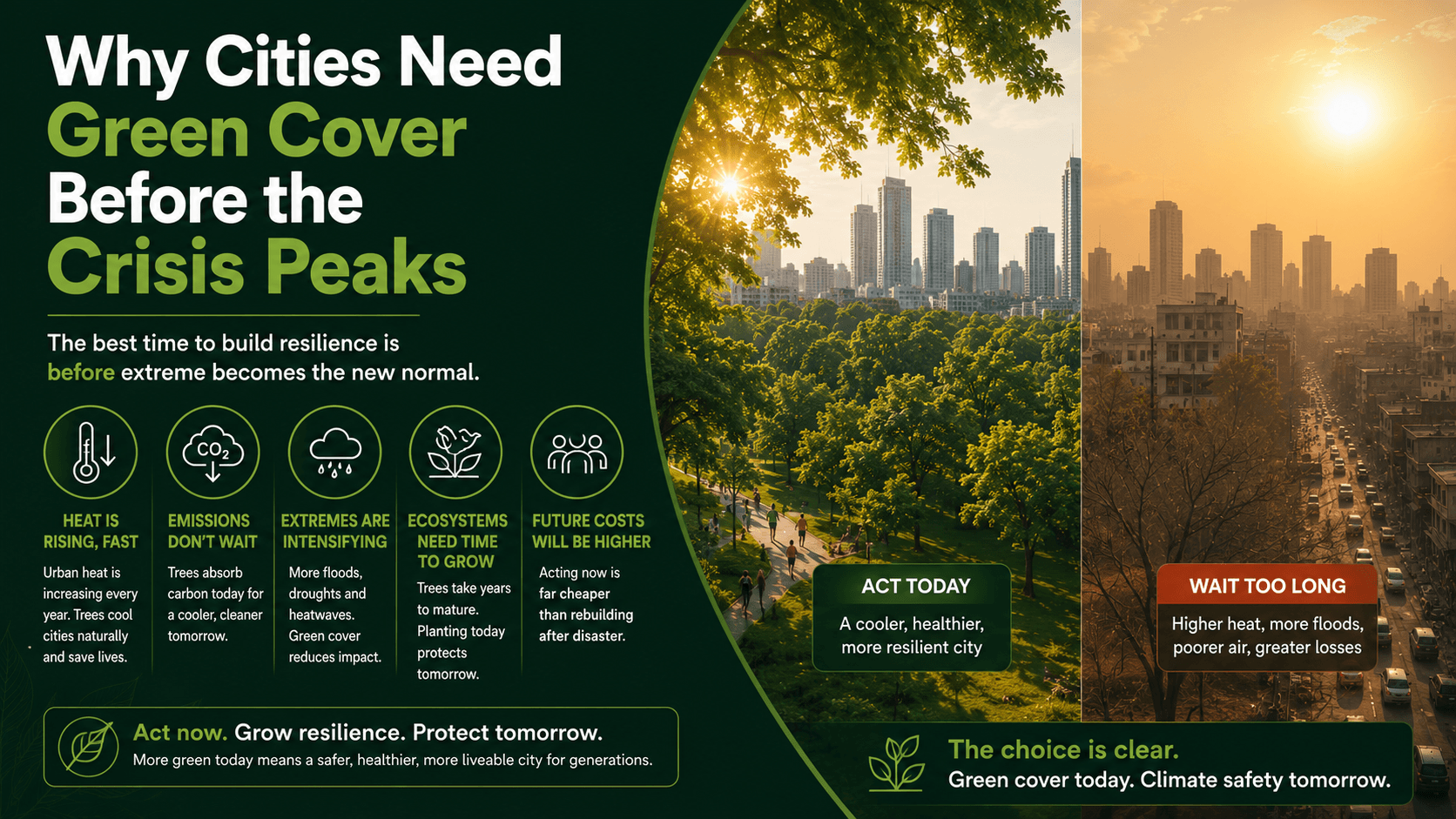
One of the biggest mistakes in climate response is waiting until the crisis is visible. By the time a heatwave arrives, it is too late to grow shade. By the time rainfall fails, it is too late to create soil moisture. By the time cities become unlivable, emergency measures become expensive and limited.
Urban forests require time. Saplings need years to mature. Soil needs time to recover. Biodiversity needs time to return. That is why cities must invest in green cover before climate stress becomes unbearable.
El Niño is a reminder that climate systems are interconnected. A change in ocean temperature thousands of kilometers away can influence heat, rainfall, agriculture, and water stress. Indian cities need to prepare not only through warnings and cooling centers, but also through long-term ecological planning.
From Plantation to Climate-Ready Urban Forests
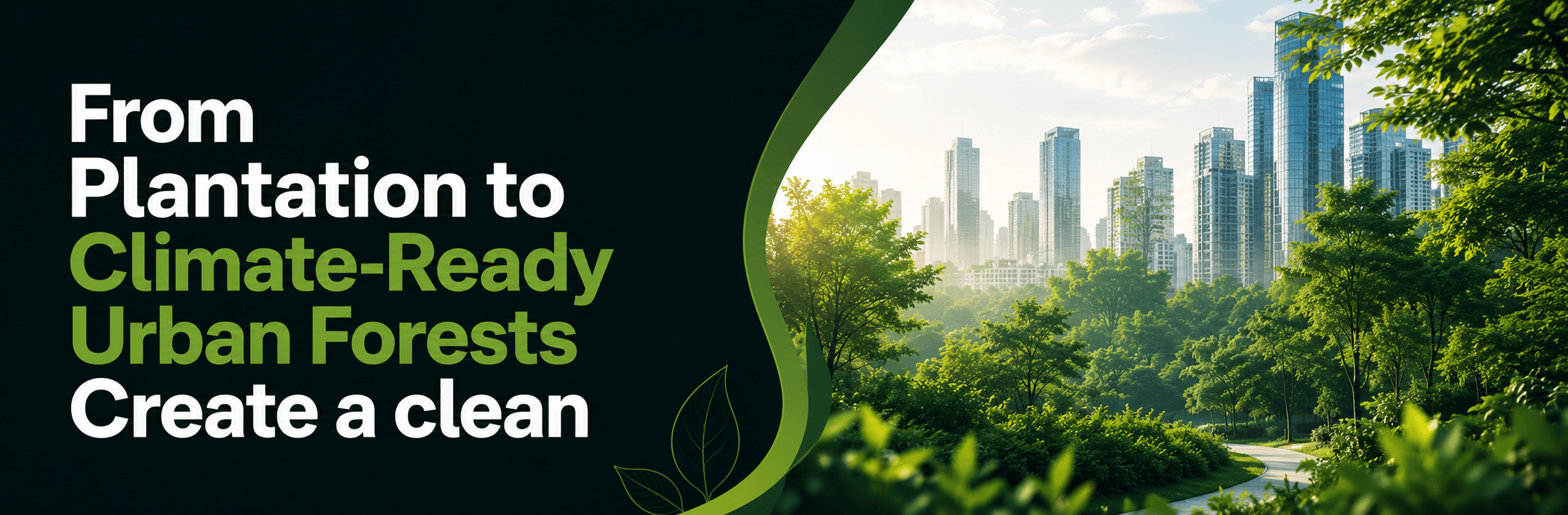
Tree plantation is important, but plantation alone is not enough. A climate-ready urban forest requires planning, maintenance, and accountability.
This includes choosing the right species for the local climate, designing forests for layered growth, improving soil health, ensuring water access, and tracking survival over time. It also involves communities so that forests are protected after they are planted.
For CATCH Foundation, this is where the larger mission becomes clear. Urban forests are not only about planting trees. They are about helping cities become more resilient to heat, pollution, biodiversity loss, and climate uncertainty.
In the context of El Niño, this approach becomes even more relevant. Cities need forests that can survive stress, not plantations that disappear after one season.
Conclusion
El Niño is not just a climate term. It is a reminder that weather patterns are changing, and cities must prepare for uncertainty. For Indian cities already struggling with extreme heat, low green cover, and dense built environments, urban forests offer a practical and long-term solution.
They cool spaces, support biodiversity, improve air quality, retain moisture, and create healthier neighborhoods. But their success depends on survival, maintenance, and thoughtful planning.
As summers become harsher and climate patterns become less predictable, Indian cities need more than temporary relief. They need climate-resilient green cover. Urban forests are not just trees. They are living infrastructure for the future.
FAQs
1. What is El Niño?
El Niño is a natural climate pattern linked to warming in the central and eastern Pacific Ocean. It can influence global temperatures, rainfall patterns, and extreme weather events.
2. How does El Niño affect Indian cities?
El Niño can contribute to higher heat stress and rainfall uncertainty. In Indian cities, this can worsen the impact of urban heat islands and increase pressure on water and cooling systems.
3. Why are urban forests important during El Niño years?
Urban forests help reduce local heat, retain soil moisture, support biodiversity, and improve climate resilience. They become especially important when heat and rainfall patterns are uncertain.
4. How do trees reduce urban heat?
Trees reduce urban heat through shade, evapotranspiration, and surface cooling. They prevent roads, buildings, and pavements from absorbing excessive heat.
5. Are urban forests better than scattered tree planting?
Urban forests can create stronger microclimates because dense, layered planting improves canopy cover, soil health, and biodiversity compared to scattered trees.
6. Why does tree survival matter more than plantation numbers?
Plantation numbers show how many saplings were planted, but survival shows real impact. Only surviving trees can provide shade, cooling, biodiversity, and long-term ecological benefits.
7. What makes a plantation climate-resilient?
A climate-resilient plantation includes native species, soil preparation, mulching, water management, protection, monitoring, and long-term maintenance.
8. How can urban forests help during extreme heat?
Urban forests create cooler spaces, reduce surface temperatures, improve air quality, and make neighborhoods more comfortable during extreme summer heat.
9. What role does CATCH Foundation play in urban forests?
CATCH Foundation develops and maintains urban dense forests across India, focusing on native species, survival, monitoring, and long-term ecological impact.
10. Why do Indian cities need climate-resilient green cover?
Indian cities need climate-resilient green cover to reduce heat stress, improve air quality, support biodiversity, and prepare for uncertain climate conditions.