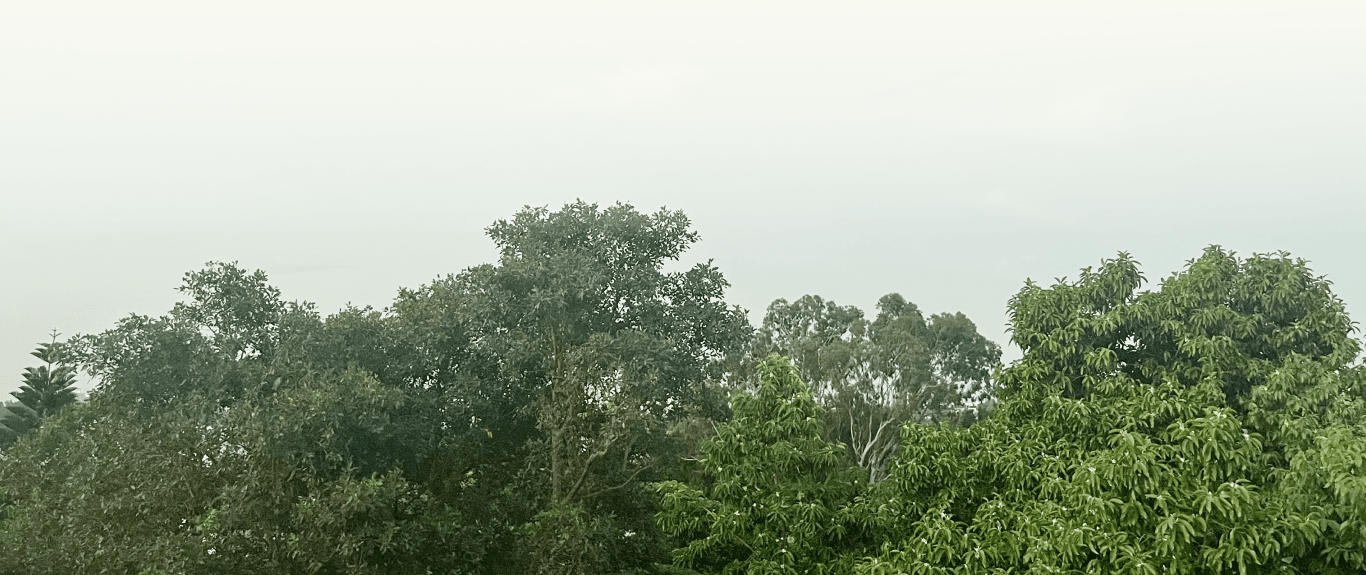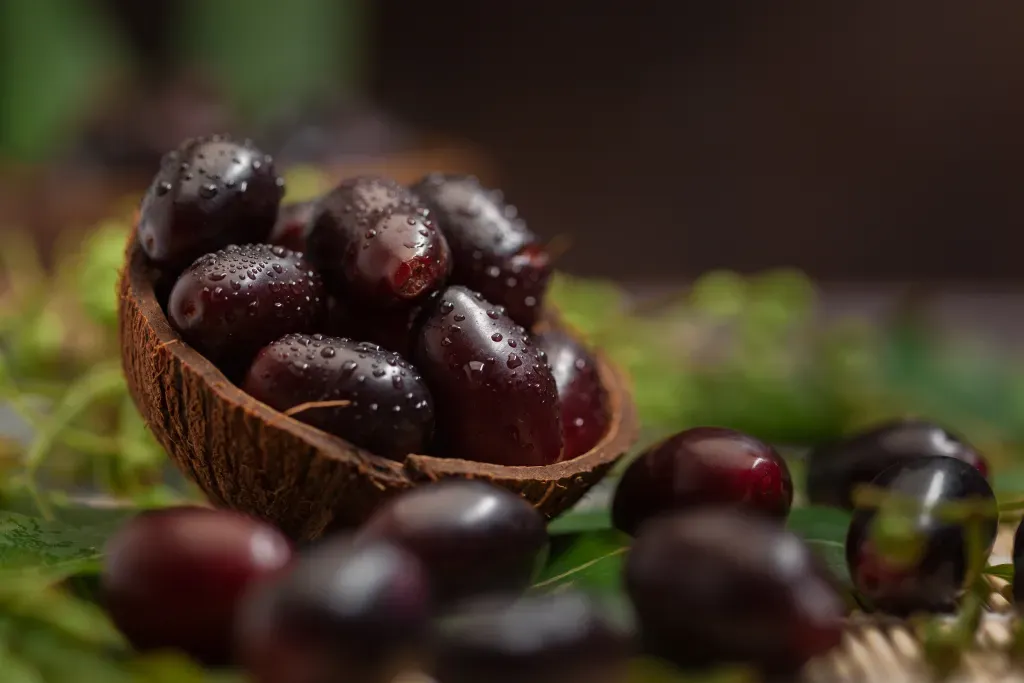
The Jamun tree (Syzygium cumini) is one of India’s most familiar and valuable native fruit trees. Known for its deep purple fruits, dense canopy, and seasonal presence during summer and monsoon, the Jamun tree holds a special place in Indian landscapes. It is commonly found along roadsides, farms, village commons, school campuses, gardens, and community spaces.
For many people, Jamun is remembered as a childhood fruit — slightly sweet, slightly sour, and deeply staining. But beyond the fruit, the tree itself has strong ecological, nutritional, cultural, and landscape value. According to the CABI datasheet for Syzygium cumini, Jamun is a tropical evergreen tree widely distributed across South Asia and Southeast Asia, valued for its fruit, shade, timber, and ecological adaptability.
For CATCH Foundation, the Jamun tree is a strong species to talk about because it connects native tree planting, biodiversity, fruit-bearing landscapes, community value, and long-term green cover. It is not just a fruit tree — it is a tree that supports both people and ecosystems.
What Is the Jamun Tree?
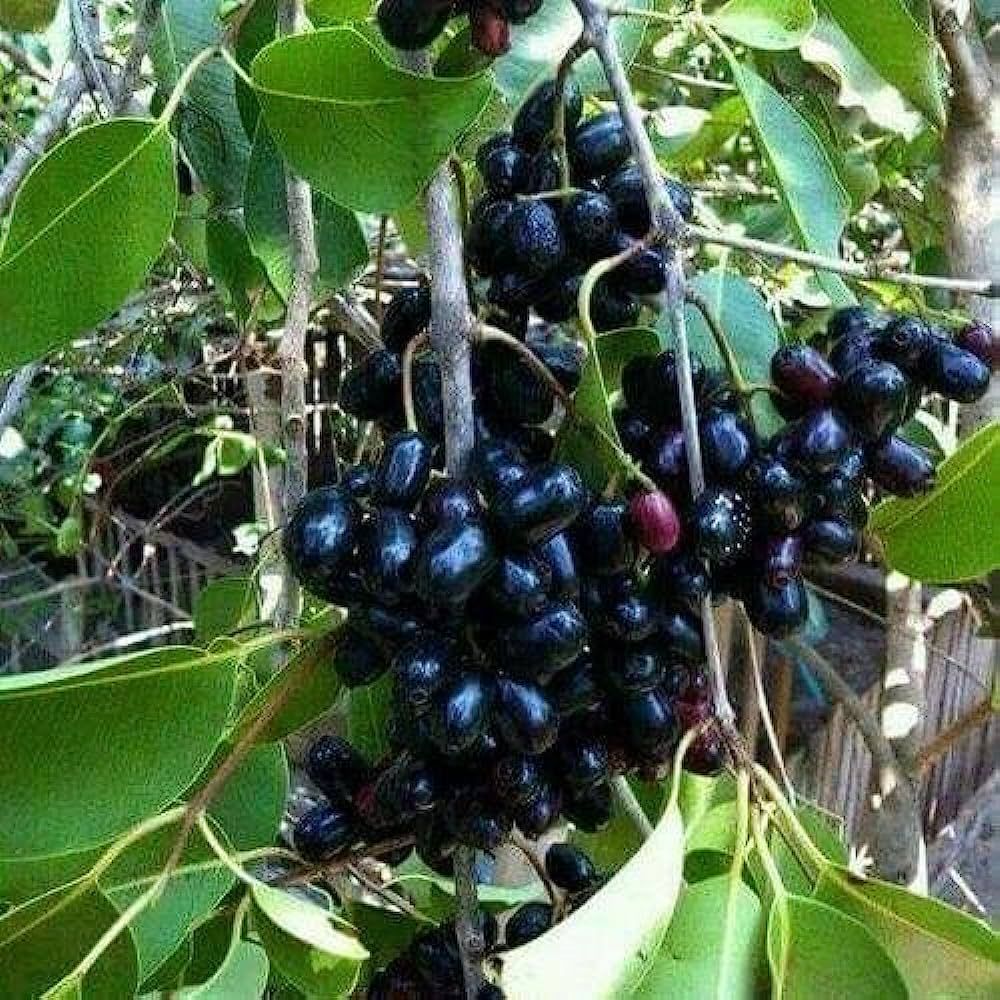
The Jamun tree belongs to the Myrtaceae family, the same plant family that includes guava, clove, and eucalyptus. It is a large evergreen tree with a dense crown, glossy leaves, rough bark, and small fragrant flowers that later develop into purple-black fruits.
Jamun trees can grow tall and broad when given enough space, making them useful for shade and landscape development. The World Agroforestry tree database on Syzygium cumini describes the species as fast-growing and useful in plantations, windbreaks, and agroforestry systems.
The tree grows best in tropical and subtropical climates and can tolerate a range of soil conditions. It is also known for its ability to grow near water bodies, lowlands, and moist landscapes, although mature trees can adapt to different environments once established.
Cultural and Everyday Importance of Jamun
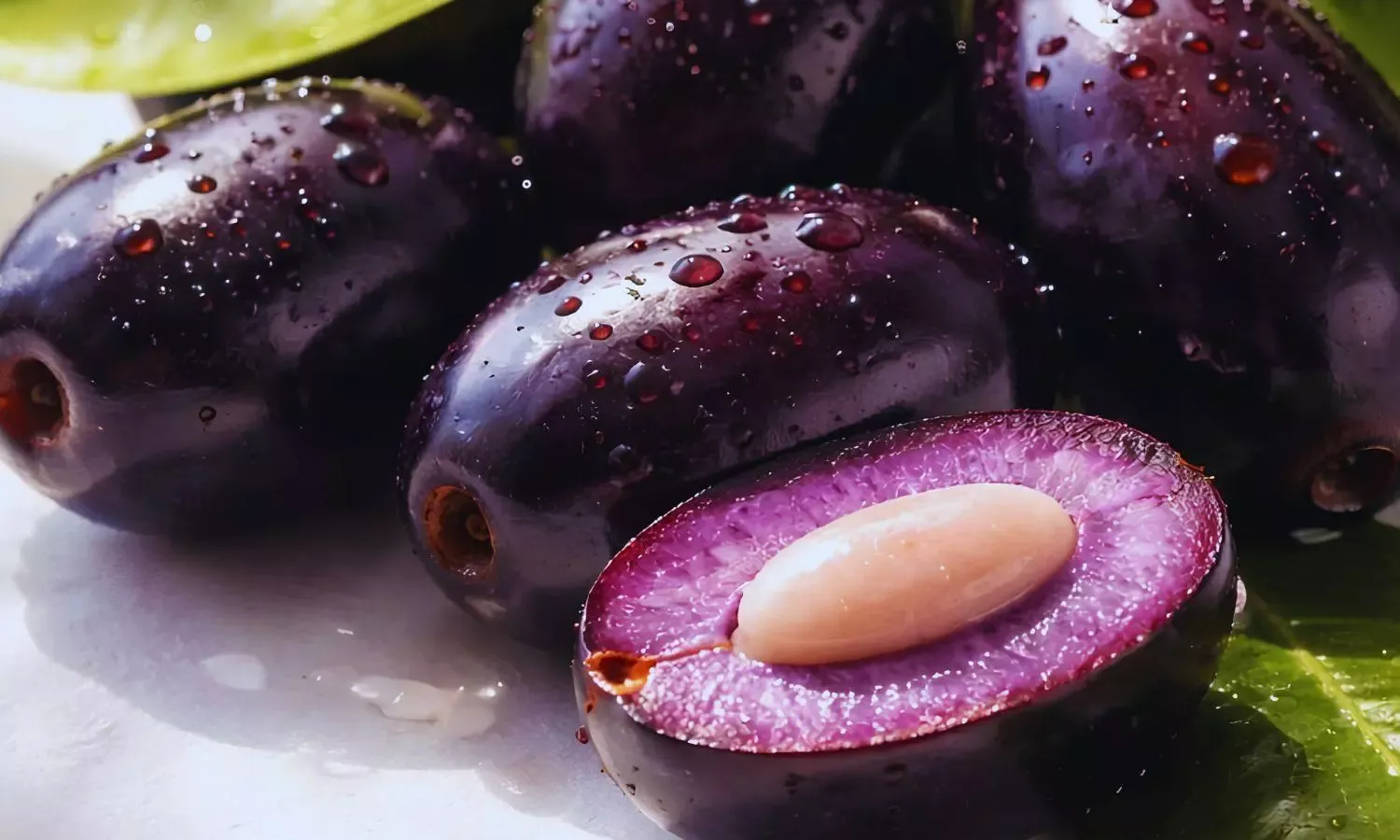
Jamun has long been part of Indian food culture and seasonal life. Its fruits usually appear during the summer and monsoon months, making them strongly associated with seasonal markets, school memories, and traditional diets.
In many Indian households, Jamun is eaten fresh with salt or masala, used in juices, sherbets, vinegars, jams, and traditional preparations. Its unique taste makes it different from many other fruits. It is not overly sweet, which is one reason it is often discussed in relation to wellness and traditional food systems.
Jamun also carries local cultural value because it is widely recognized by communities. When planted in public spaces, people immediately understand its purpose. It is not an unfamiliar species that needs explanation. It offers shade, fruit, and ecological value in a way that communities can easily connect with.
Nutritional and Medicinal Value of Jamun
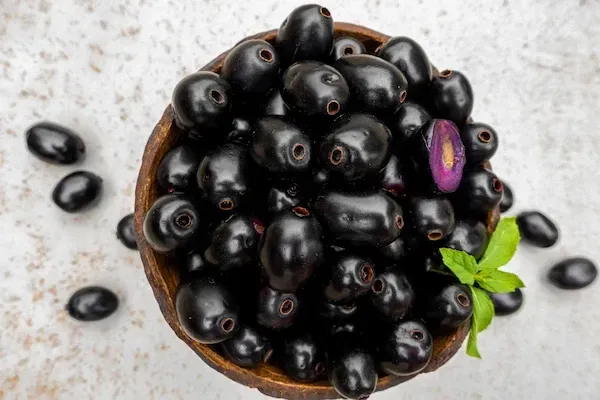
Jamun fruit is valued for its nutritional and bioactive compounds. It contains antioxidants, minerals, dietary fiber, and natural plant compounds that contribute to its health relevance. A scientific review on the phytochemical profile and food applications of Syzygium cumini highlights the fruit’s traditional uses, nutritional properties, and potential applications in food and health-related products.
Traditionally, different parts of the Jamun tree — including fruits, seeds, bark, and leaves — have been used in Ayurveda and folk medicine. Jamun seeds, in particular, are often associated with traditional practices related to blood sugar management. However, it is important to present this carefully. Jamun should not be treated as a replacement for medical treatment, but its long history in traditional systems makes it an important medicinal plant.
Another review on the health benefits of Jamun (Syzygium cumini) discusses its use in traditional medicine and its potential role in metabolic health due to its bioactive compounds.
Ecological Importance of the Jamun Tree
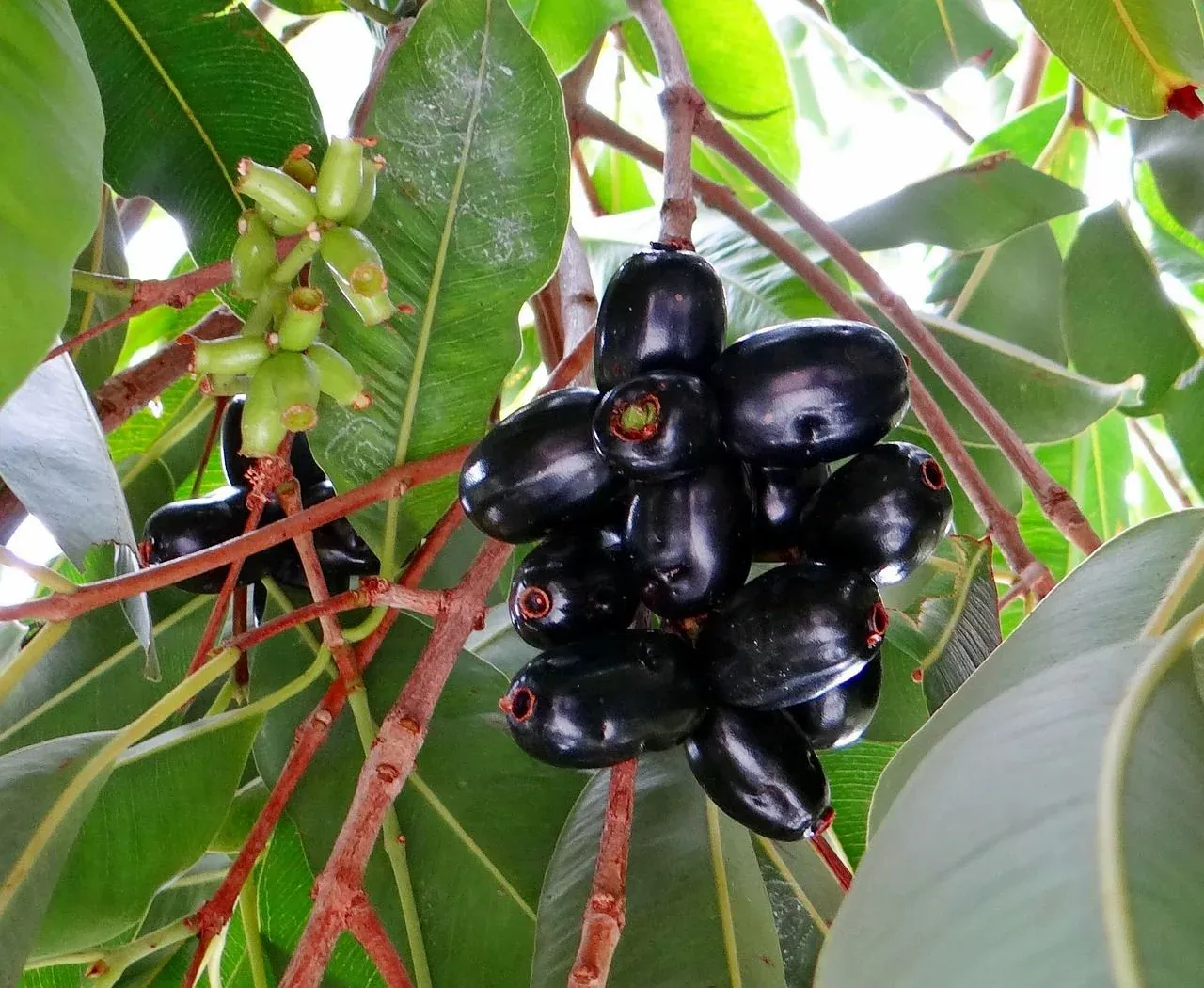
The Jamun tree plays a meaningful role in local ecosystems. Its dense canopy provides shade, reduces heat exposure, and creates cooler microclimates beneath the tree. In hot regions, such trees are especially valuable because they make outdoor spaces more comfortable.
Jamun flowers attract bees, insects, and other pollinators. These pollinators support fruit formation and also contribute to broader ecosystem health. The tree’s fruits are eaten by birds, bats, and small mammals, making it useful for urban and rural biodiversity.
This is especially important in cities where natural food sources for birds and wildlife are reducing. A mature Jamun tree can become a small biodiversity hub by offering flowers, fruits, shelter, and resting space across seasons.
Jamun Tree and Urban Green Cover
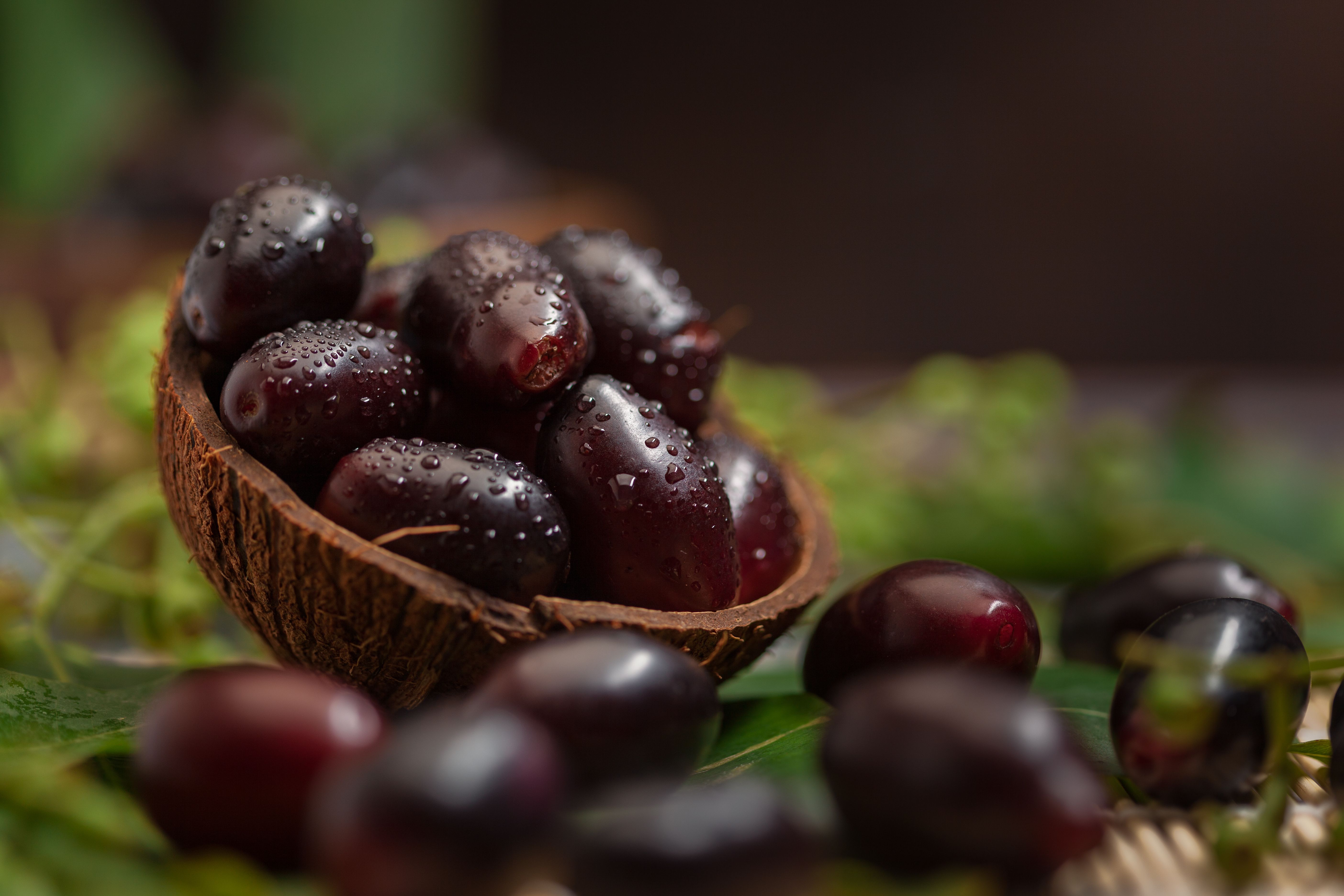
Jamun is a strong candidate for urban and peri-urban greening, but like all large trees, it needs the right location. A mature Jamun tree develops a wide canopy and can produce large quantities of fruit. This makes it ideal for open spaces but less suitable for narrow roadsides or cramped medians.
Jamun trees can work well in:
- school and college campuses
- public parks and gardens
- village commons
- biodiversity parks
- farm boundaries
- community plantation sites
- areas near water bodies
For CATCH Foundation’s plantation work, Jamun can be a valuable species in sites where long-term maintenance, space, and community access are available. It offers both ecological and social value because people benefit from shade and fruit while biodiversity benefits from flowers and canopy cover.
Jamun in Agroforestry and Rural Landscapes
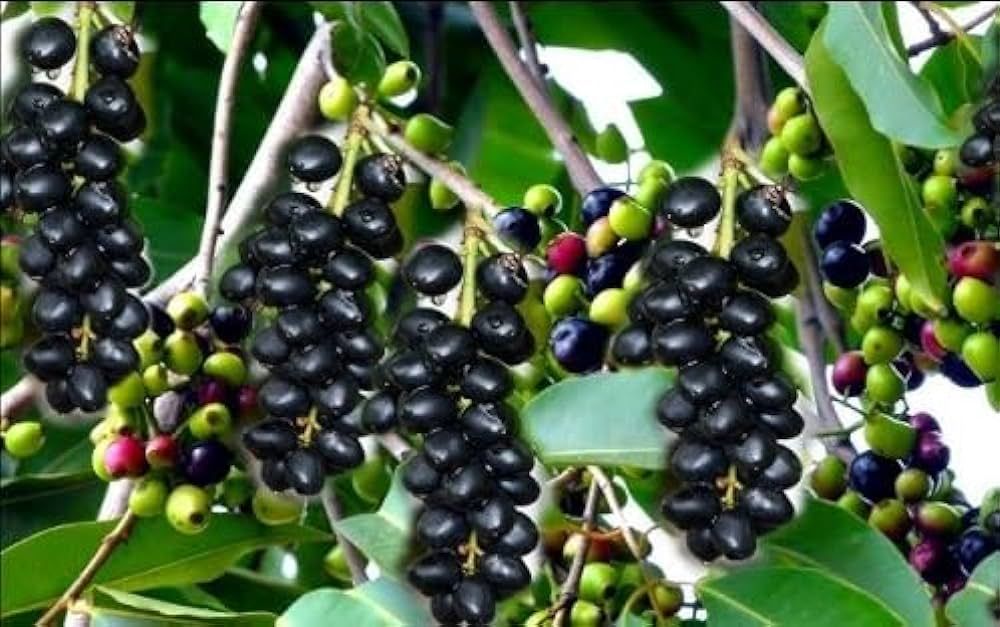
Jamun trees also have a role in agroforestry and mixed farming systems. In rural landscapes, they can be planted along field boundaries, water channels, farm edges, or community spaces.
The World Agroforestry tree database on Syzygium cumini notes its usefulness in systems such as windbreaks and plantations. Because the tree is hardy and long-lived, it can provide shade, fruit, and ecological value over many years.
For farmers, Jamun can offer seasonal income through fruit harvesting. It can also diversify the landscape and reduce dependence on a single crop. However, its placement must be planned carefully because large canopy trees can shade crops if planted too close to cultivated areas.
Uses of the Jamun Tree
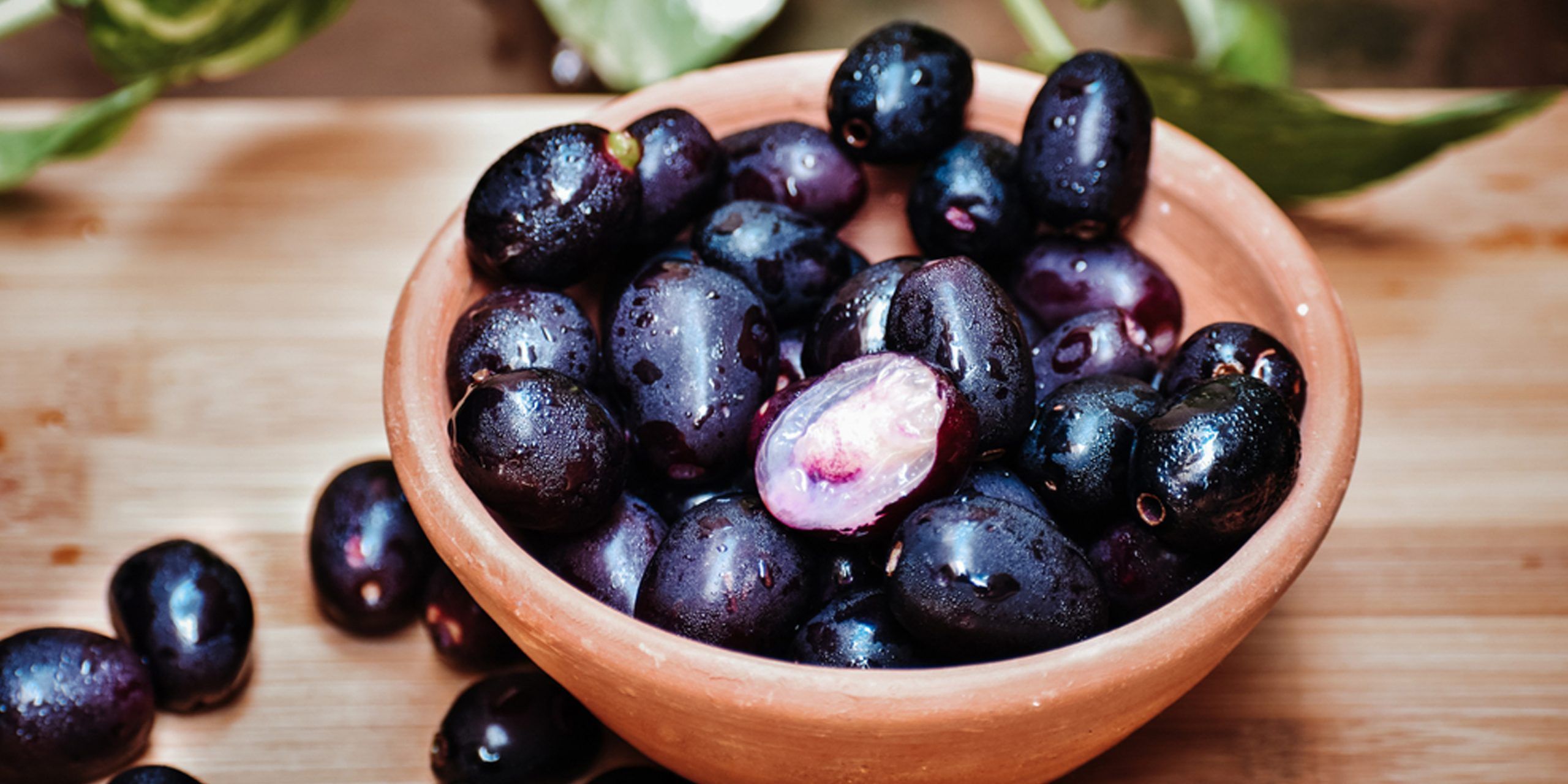
The Jamun tree is valued for more than fruit. Its wood is strong and water-resistant, making it useful in some local applications. The bark, leaves, seeds, and fruits also have traditional uses.
The most common uses include fruit consumption, juice preparation, traditional remedies, shade, biodiversity support, and landscape planting. In some areas, Jamun fruit is also processed into vinegar, wine, jams, syrups, and nutraceutical products. This multifunctional value makes Jamun a strong species for sustainable landscapes. It supports nutrition, culture, ecology, and livelihoods at the same time.
Challenges in Planting Jamun Trees
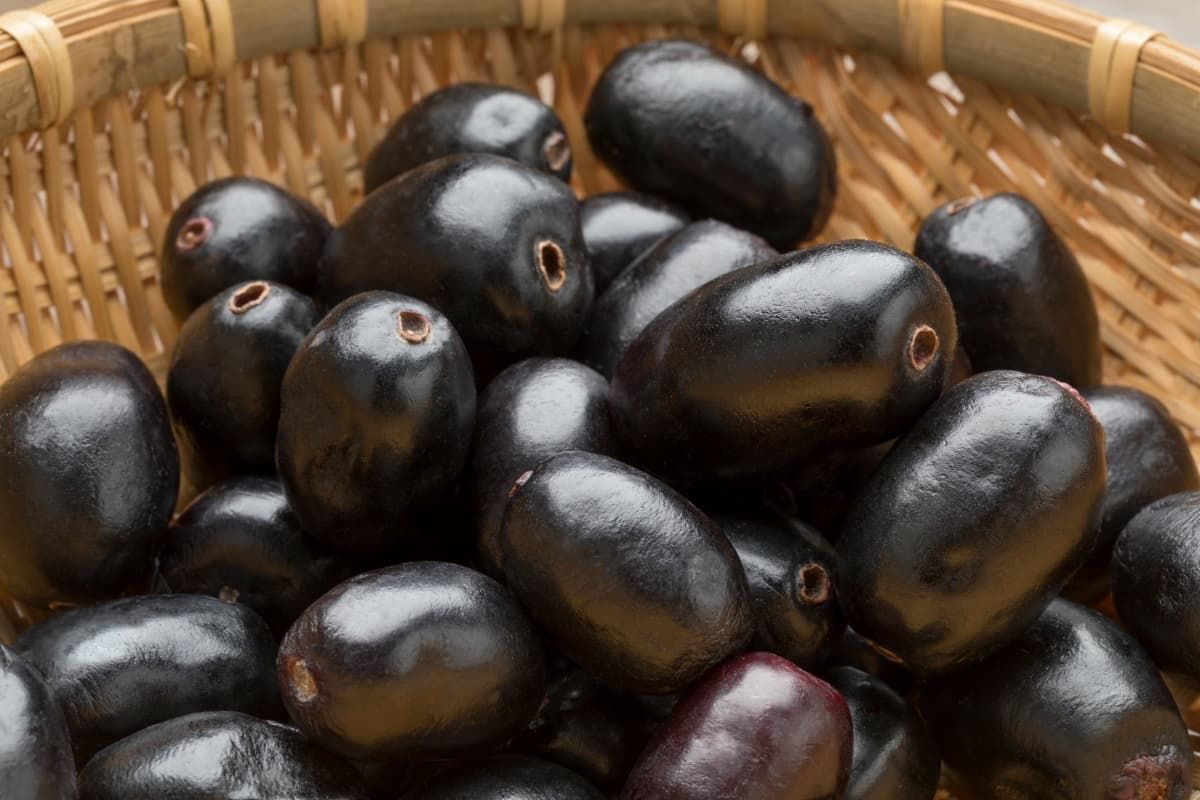
Despite its many benefits, Jamun is not suitable for every site. It needs enough space for canopy growth and root development. In urban areas, fruit fall may create maintenance issues if planted in the wrong place.
Jamun trees may also attract birds and bats because of their fruit. This is ecologically valuable, but it needs to be considered when planting near buildings, parking areas, or high-footfall spaces.
The key is not to avoid Jamun, but to plant it thoughtfully. It performs best in larger, open spaces where its canopy, fruiting, and biodiversity value can be appreciated rather than treated as a problem.
Why Jamun Trees Matter for CATCH Foundation
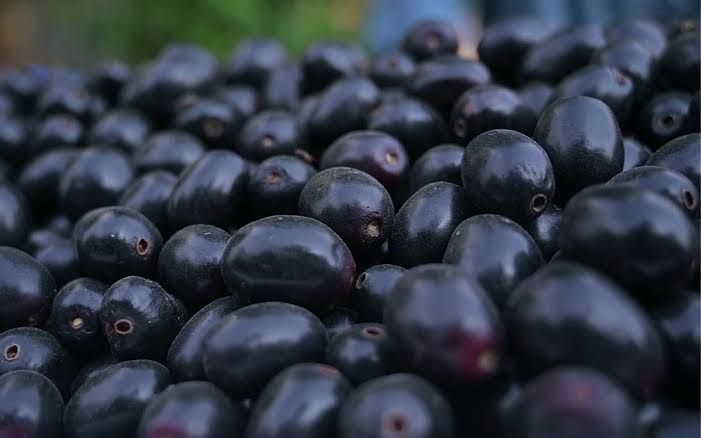
For CATCH Foundation, Jamun is a strong example of a tree that connects restoration with community benefit. It is native, familiar, useful, and ecologically meaningful.
In urban dense forests, biodiversity parks, school campuses, and community plantation projects, trees like Jamun help people see plantations as living ecosystems rather than just green cover. They bring birds, insects, fruits, shade, and seasonal change into the landscape.
This is the kind of tree that can help communities emotionally connect with plantation work. When people recognize and value a tree, they are more likely to protect it.
Conclusion
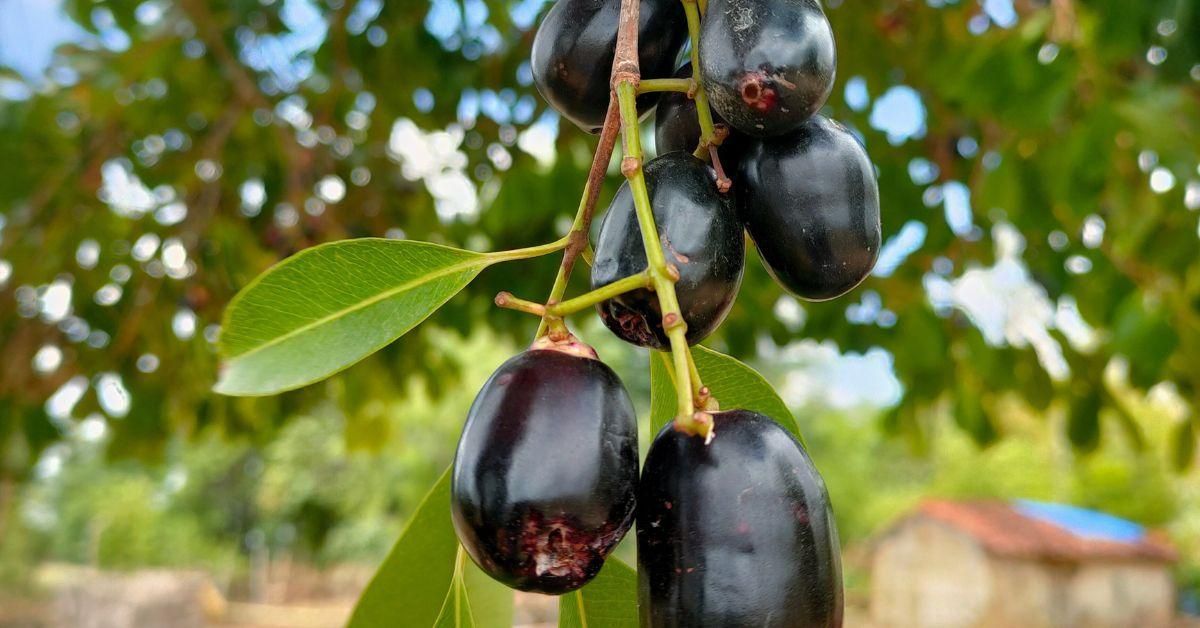
The Jamun tree is one of India’s most valuable native fruit trees. It provides shade, supports biodiversity, offers seasonal fruit, contributes to traditional medicine, and strengthens community landscapes.
When planted in the right place and cared for properly, Jamun becomes more than a tree. It becomes a long-term ecological and social asset.
FAQs
1. What is the Jamun tree?
The Jamun tree (Syzygium cumini) is a tropical evergreen fruit tree known for its purple-black fruits, dense shade, and ecological importance in Indian landscapes.
2. Why is the Jamun tree important?
The Jamun tree is important because it provides fruit, shade, biodiversity support, traditional medicinal value, and long-term green cover.
3. Is Jamun a native Indian tree?
Jamun is widely associated with the Indian subcontinent and South Asia. It is commonly found across India in farms, gardens, roadsides, and community landscapes.
4. Does the Jamun tree support biodiversity?
Yes, Jamun trees support biodiversity by attracting pollinators during flowering and providing fruit for birds, bats, and small animals.
5. Where do Jamun trees grow best?
Jamun trees grow best in tropical and subtropical climates with adequate sunlight and space. They also grow well near water bodies and moist soils.
6. Are Jamun trees good for urban planting?
Jamun trees are suitable for parks, campuses, biodiversity areas, and community spaces, but they need enough space and maintenance due to fruit fall.
7. What are the health benefits of Jamun fruit?
Jamun fruit contains antioxidants, fiber, and bioactive compounds. It has also been used traditionally in wellness practices, especially for metabolic health.
8. Can Jamun trees be used in agroforestry?
Yes, Jamun trees can be used in agroforestry, farm boundaries, windbreaks, and mixed farming systems when planted with proper spacing.
9. What are the common uses of Jamun?
Jamun is used as a fresh fruit and in juices, jams, vinegar, traditional remedies, and landscape planting.
10. Why should Jamun be planted thoughtfully?
Jamun grows into a large tree and produces seasonal fruit, so it should be planted in open spaces where its canopy and fruiting can be managed properly.