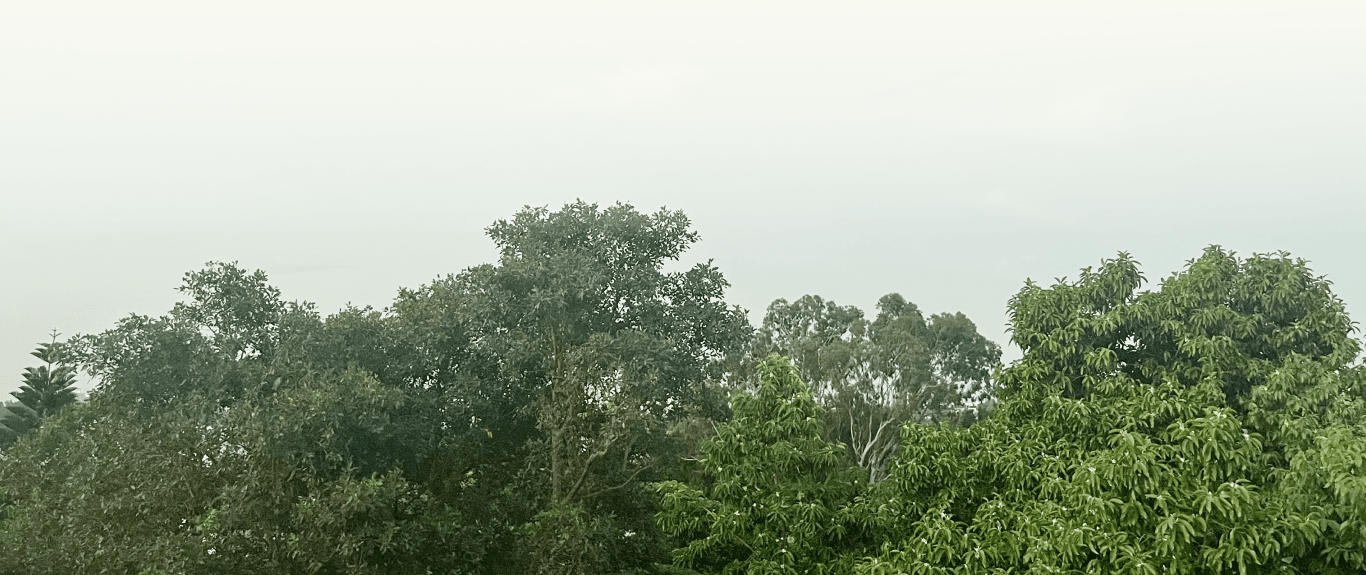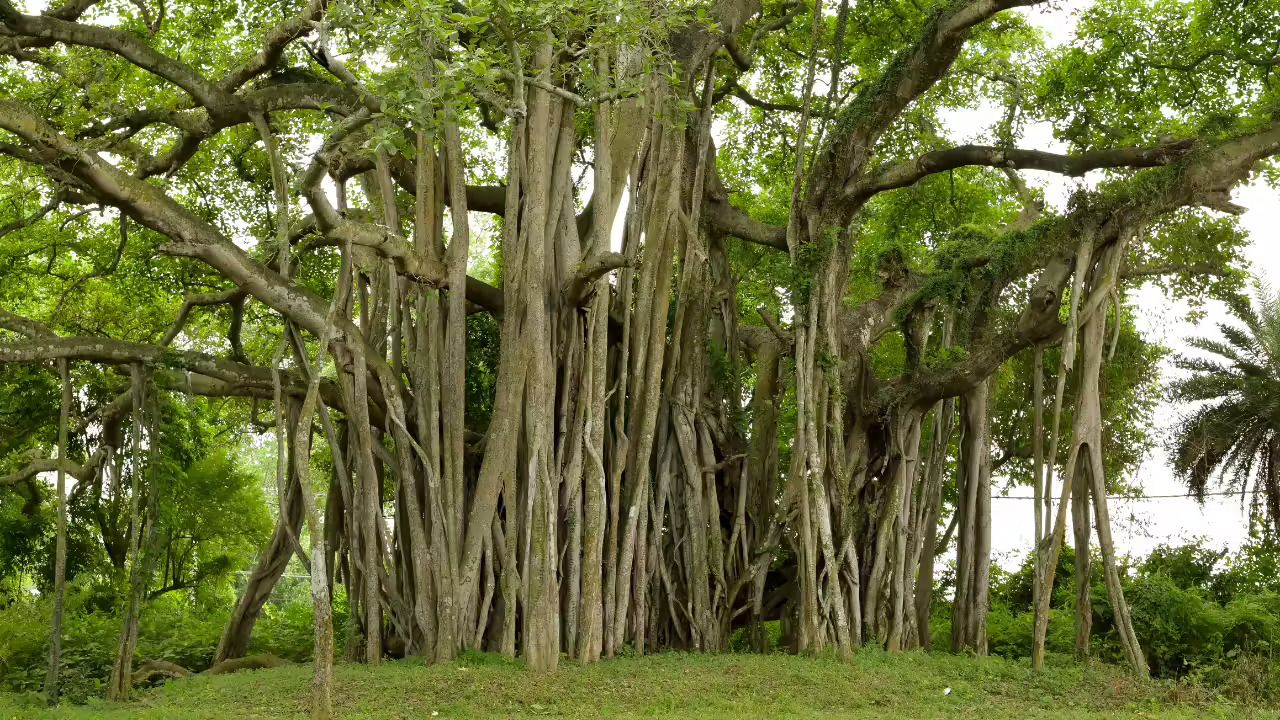
The Kadam tree (Neolamarckia cadamba) is one of the most recognizable trees of the Indian subcontinent. Known for its fragrant spherical flowers and rapid growth during the monsoon season, the tree has long been valued for both its ecological role and its cultural importance.
Across India and Southeast Asia, Kadam trees are found along riverbanks, village commons, temple grounds, and forest edges. Their dense canopy provides shade, their flowers attract pollinators, and their fast growth makes them valuable for restoration projects and agroforestry systems.
Botanical descriptions of the species note that Kadam can grow up to 45 meters tall with a broad canopy and large glossy leaves, making it one of the most visually distinctive tropical trees, as detailed in the Encyclopaedia Britannica overview of the Kadam tree.
Today, as cities and landscapes look for resilient native trees that support both biodiversity and climate resilience, the Kadam tree is increasingly recognized as an important species for urban forestry, ecological restoration, and sustainable land management.
What Is the Kadam Tree?
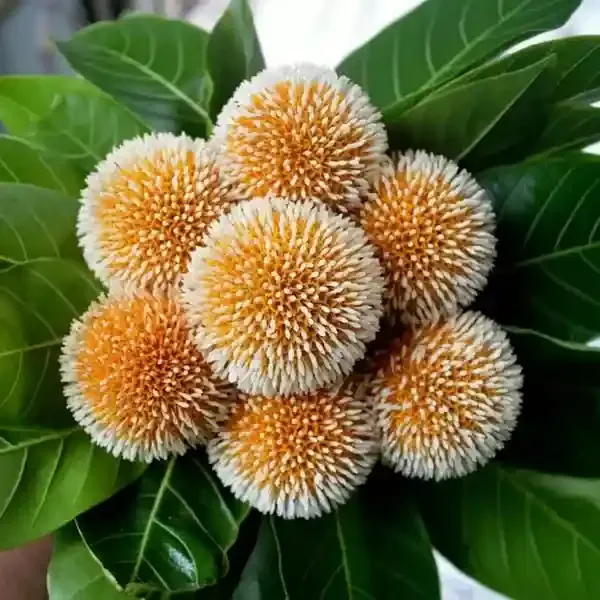
The Kadam tree belongs to the Rubiaceae family, which also includes plants such as coffee and gardenia. Its scientific name, Neolamarckia cadamba, reflects its classification as a tropical hardwood species native to South and Southeast Asia.
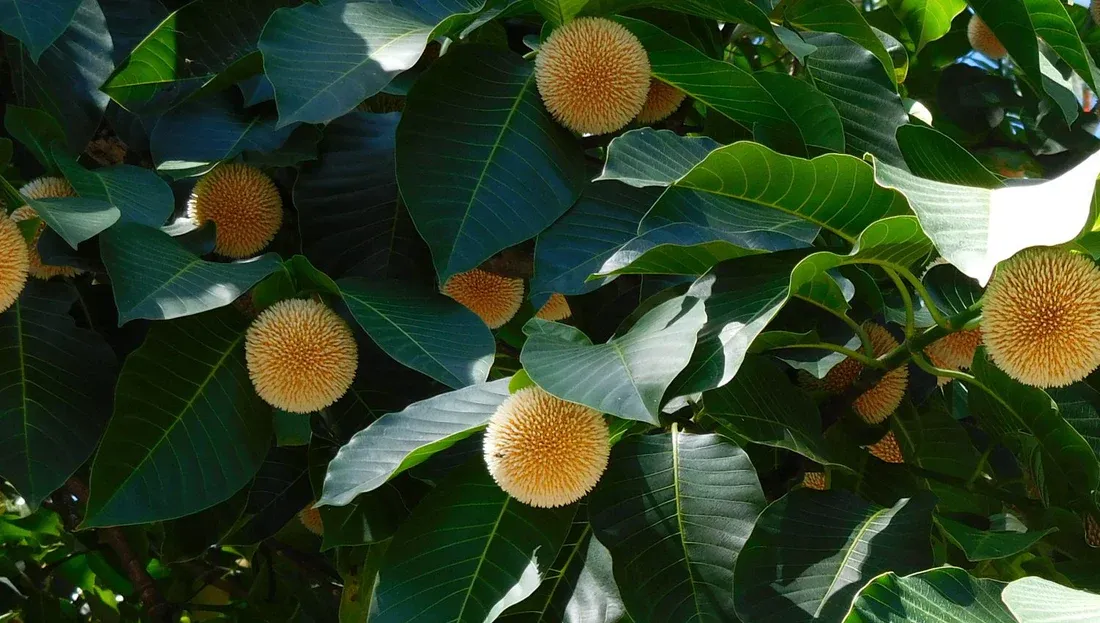
The tree is especially known for its bright orange spherical flowers, which appear like small fragrant balls during the monsoon months. These flowers are composed of hundreds of tiny individual florets packed together, giving the tree its distinctive appearance.
Detailed botanical records of the species, such as those described in the CABI datasheet for Neolamarckia cadamba, highlight that Kadam thrives in humid tropical climates and grows particularly well in regions with high seasonal rainfall.
Because of its rapid growth and adaptability, Kadam has been widely planted in plantation forestry, agroforestry landscapes, and urban green belts.
The Cultural Significance of the Kadam Tree
Beyond its ecological value, the Kadam tree holds deep cultural and spiritual meaning across India.
In Hindu mythology, the tree is closely associated with Lord Krishna, who is often depicted playing the flute beneath Kadam trees along the banks of the Yamuna river.
Many traditional paintings and temple carvings show Krishna dancing with the gopis beneath flowering Kadam branches.
Historical references to the tree’s sacred significance are discussed in botanical and cultural literature such as the Indian ethnobotanical studies documented by the National Center for Biotechnology Information (NCBI).
Because of this spiritual association, Kadam trees were historically planted near temples, riverbanks, and community gathering spaces. These sacred landscapes often helped preserve native tree species long before modern conservation practices existed.
Even today, many villages across India continue to plant Kadam trees during monsoon plantation drives and cultural festivals.
Why the Kadam Tree Blooms in the Monsoon
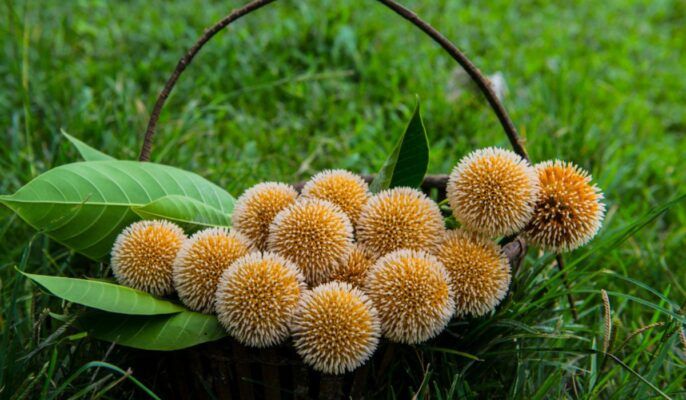
The Kadam tree is often called a monsoon tree because its flowering and growth cycles are closely linked with seasonal rainfall.
During the rainy season, the tree produces fresh leaves and clusters of fragrant flowers that bloom from June to September. This seasonal flowering plays an important ecological role, as it coincides with periods of peak pollinator activity.
Research on tropical flowering trees highlighted by the Food and Agriculture Organization’s agroforestry resources explains that monsoon-blooming trees provide essential nectar sources for pollinators when ecosystems are most active.
This timing allows Kadam trees to support bees, butterflies, and other insects that contribute to pollination across surrounding landscapes.
Ecological Benefits of the Kadam Tree
Supporting Pollinators
The spherical flowers of the Kadam tree produce nectar that attracts a wide range of insects, particularly bees and butterflies.
Pollinators are essential for ecosystem stability and agricultural productivity. Studies discussed by organizations such as World Agroforestry (ICRAF) show that flowering trees integrated into landscapes help sustain pollinator populations and improve biodiversity.
By providing seasonal nectar sources, Kadam trees contribute to maintaining healthy ecological networks.
Providing Habitat for Birds and Wildlife
The dense canopy of mature Kadam trees creates shelter for birds, bats, and small mammals.
Large canopy trees are especially important in fragmented landscapes where wildlife corridors are disappearing. Trees like Kadam act as ecological stepping stones that allow species to move through agricultural and urban environments.
Urban biodiversity research highlighted in the United Nations Environment Programme’s work on urban forests shows that native canopy trees significantly improve habitat availability for birds and urban wildlife.
Improving Soil Health and Water Retention
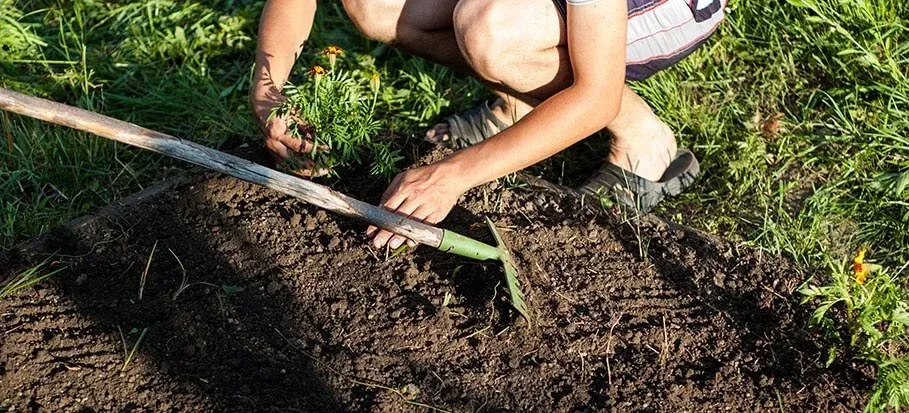
Kadam trees develop extensive root systems that stabilize soil and improve water infiltration.
Deep roots help prevent erosion along riverbanks and slopes while improving the soil’s ability to retain moisture.
Agroforestry studies referenced by the Food and Agriculture Organization forestry database note that integrating trees into farming systems can significantly improve soil structure, increase organic matter, and enhance long-term land productivity.
This makes Kadam particularly valuable for watershed restoration and degraded land recovery projects.
Kadam Tree in Agroforestry and Rural Economies
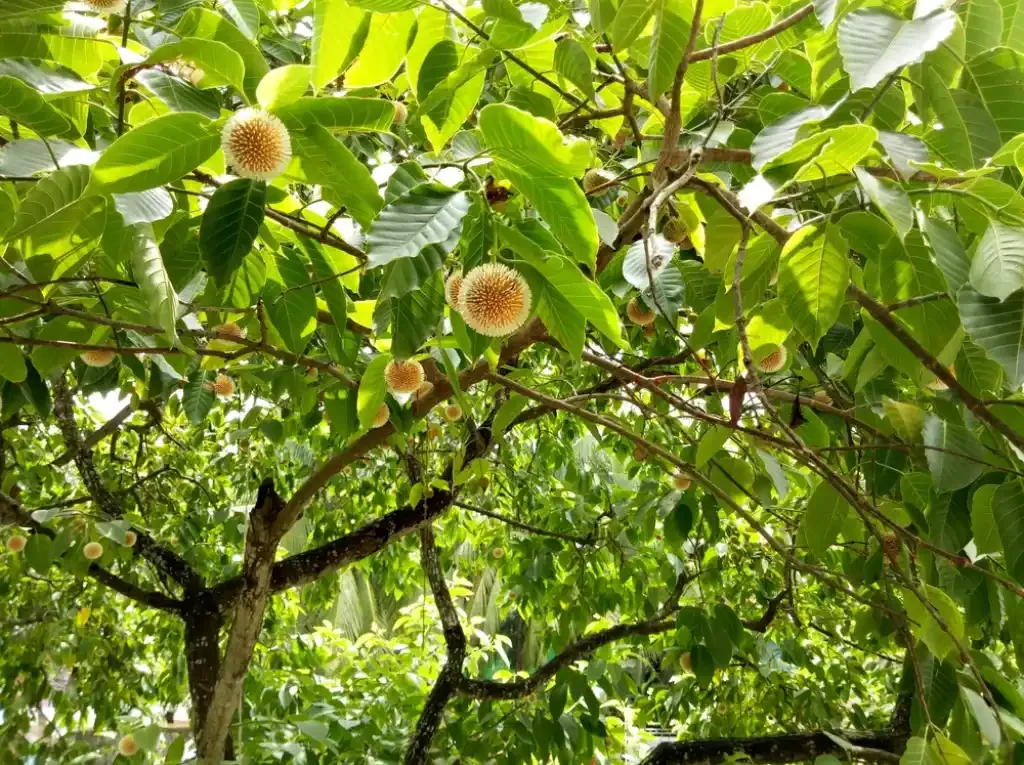
The Kadam tree is not only ecologically valuable but also economically useful.
Because it grows quickly and produces relatively lightweight timber, it is widely used in plantation forestry. Farmers often integrate Kadam trees into agroforestry systems where crops and trees grow together on the same land.
The wood is commonly used for:
• plywood manufacturing • paper pulp production • matchsticks and light timber products • packaging materials
Agroforestry programs studied by World Agroforestry (ICRAF) demonstrate that integrating trees into agricultural landscapes can diversify farm income while improving soil fertility and long-term productivity.
This combination of ecological and economic value makes Kadam a popular species for farm forestry initiatives.
Kadam Trees in Urban Forestry
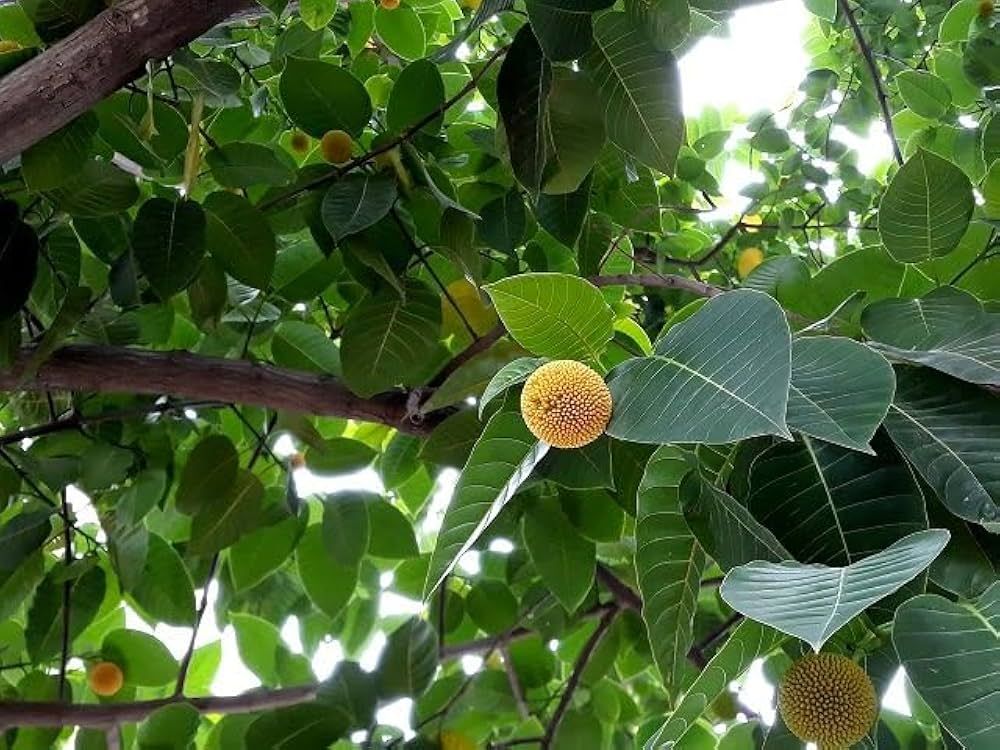
As cities expand and temperatures rise, urban planners are increasingly focusing on native canopy trees to improve environmental conditions.
Trees such as Kadam offer multiple benefits in urban environments:
• large shade canopy • fast growth rate • biodiversity support • improved air quality • urban heat reduction
Urban forestry initiatives discussed by the UN Environment Programme’s ecosystem restoration programs emphasize that increasing tree cover is one of the most effective ways to reduce urban heat islands and improve city resilience.
A mature Kadam tree can significantly cool surrounding areas by providing shade and releasing moisture through transpiration.
Because of these benefits, Kadam is often planted in:
• city parks • roadside plantations • institutional campuses • restoration landscapes.
Traditional and Medicinal Uses
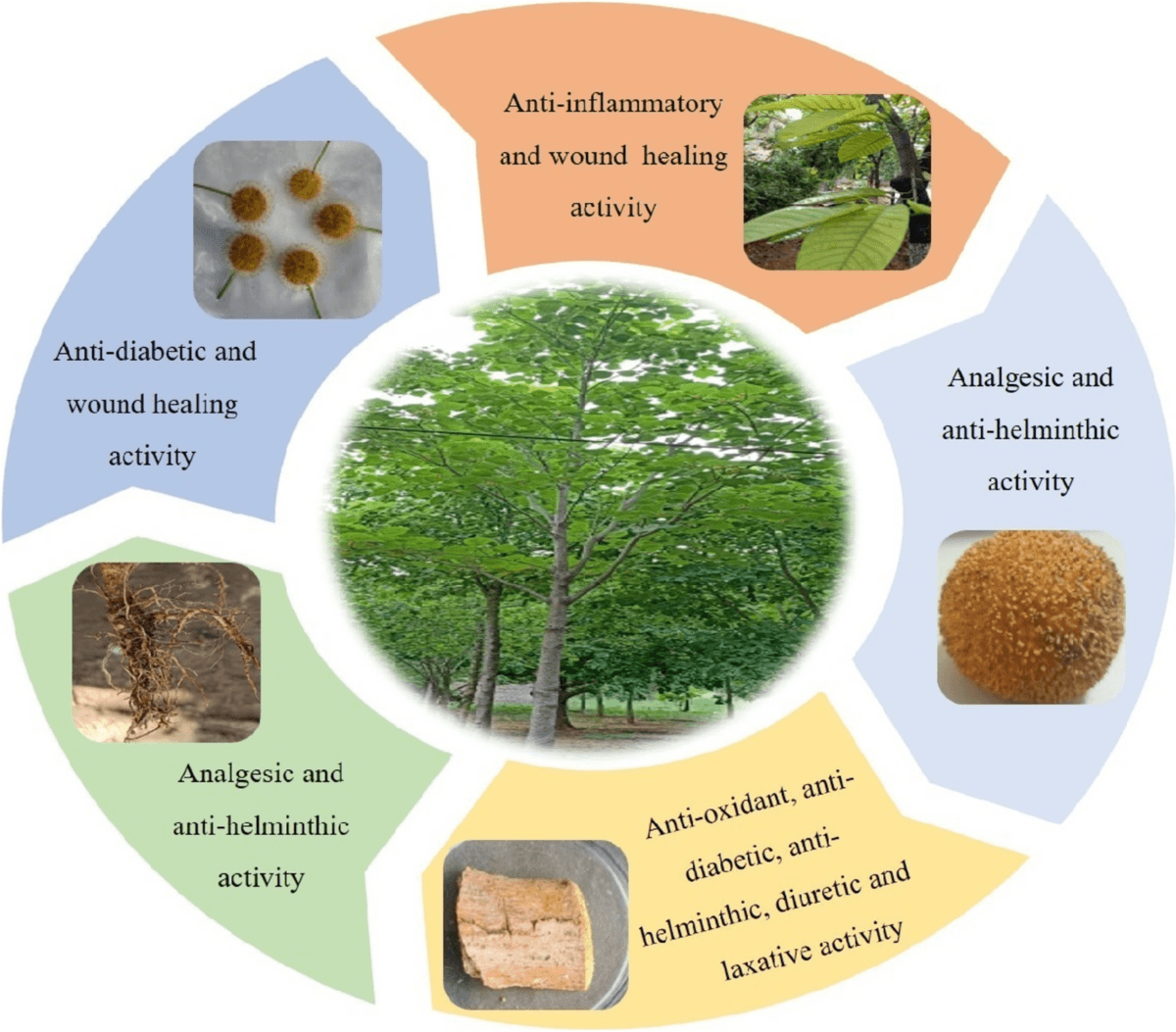
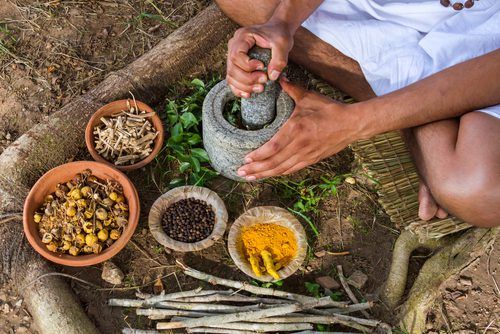
In addition to its ecological and economic importance, the Kadam tree has also been used in traditional medicine.
Ethnobotanical research compiled in the NCBI database on medicinal plants describes how different parts of the tree have historically been used in herbal remedies.
Traditional practices have included:
• bark extracts in herbal preparations • leaves used in traditional treatments • flowers used in cultural ceremonies and perfumery.
While many of these traditional uses remain part of cultural practices, modern research is still exploring the pharmacological properties of the species.
Why Native Trees Like Kadam Matter for the Future
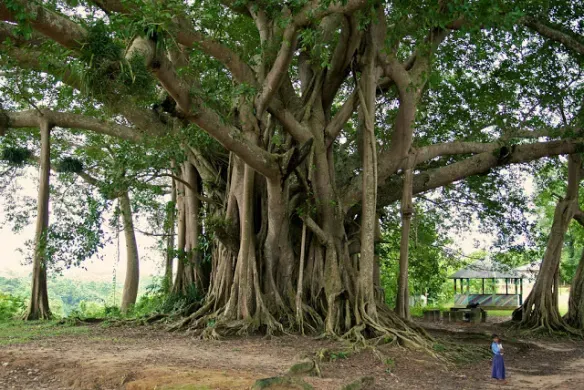
Across the world, restoring ecosystems with native tree species is becoming a key strategy for addressing biodiversity loss and climate change.
Native trees are adapted to local climates, soils, and wildlife, making them more resilient than many exotic ornamental species.
Restoration initiatives highlighted in the UN Decade on Ecosystem Restoration emphasize that planting native trees is one of the most effective ways to rebuild degraded ecosystems and strengthen climate resilience.
Trees like Kadam help:
• support pollinators and wildlife • restore degraded landscapes • improve groundwater recharge • enhance soil health • create cooler urban environments.
In this way, planting Kadam trees contributes not only to environmental conservation but also to creating healthier landscapes for communities.
A Tree That Connects Nature, Culture, and Sustainability
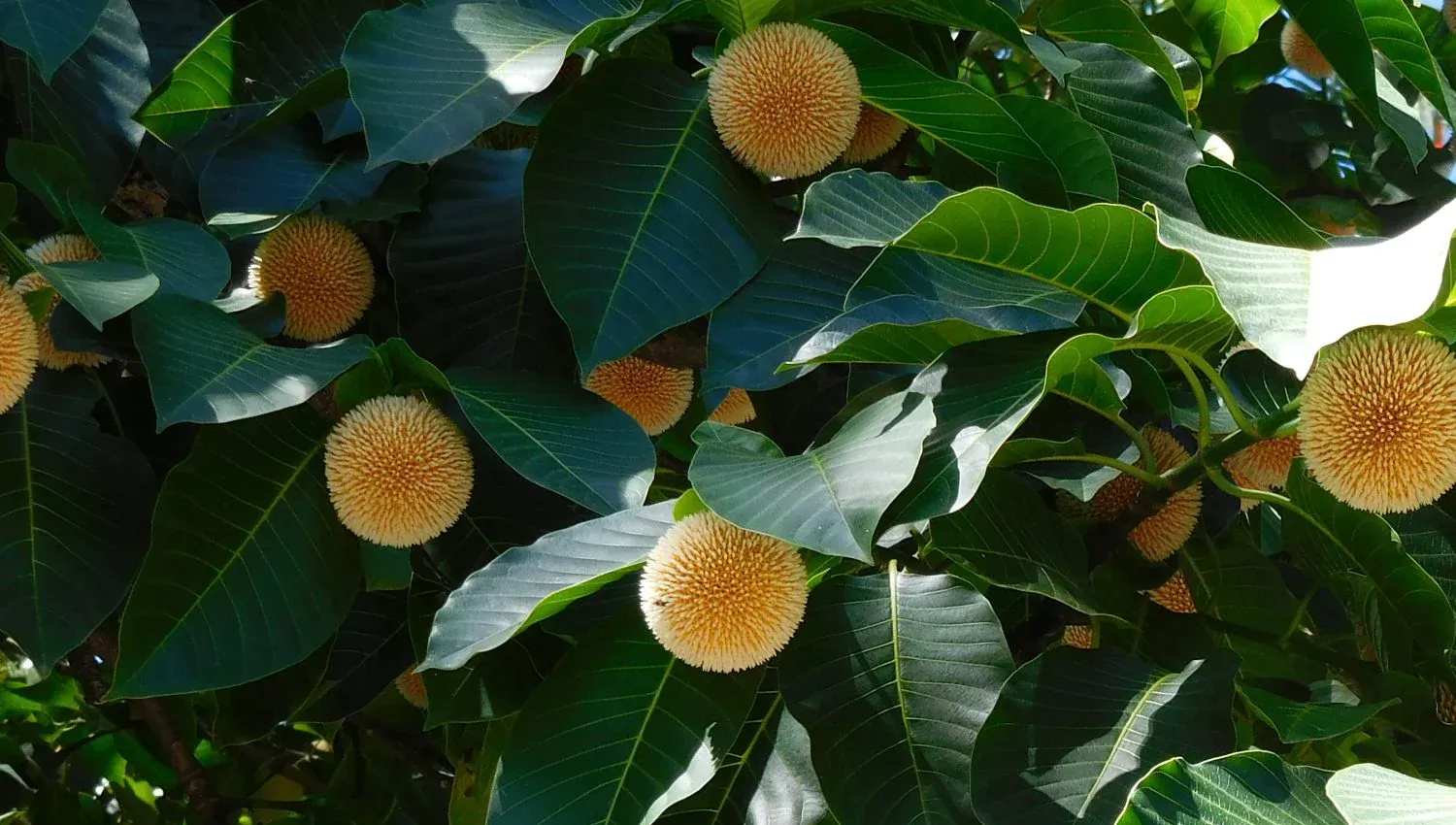
The Kadam tree represents a powerful intersection of ecology, culture, and sustainability.
For centuries it has been a tree of stories, sacred landscapes, and seasonal beauty.
At the same time, it remains a practical species that supports biodiversity, stabilizes soils, and improves environmental resilience.
As India and other tropical regions invest in restoration and urban greening, native trees such as Kadam will continue to play an important role in shaping sustainable landscapes.
Sometimes, the most powerful solutions for the future are rooted in the trees that have been part of our landscapes for generations.
FAQs
1. What is the Kadam tree?
The Kadam tree (Neolamarckia cadamba) is a fast-growing tropical tree native to South and Southeast Asia, known for its fragrant spherical flowers and ecological importance.
2. Why is the Kadam tree associated with Lord Krishna?
In Hindu mythology, Lord Krishna is often depicted playing the flute beneath Kadam trees, making the species culturally and spiritually significant.
3. When does the Kadam tree flower?
Kadam trees typically flower during the monsoon season, producing bright orange fragrant spherical flowers.
4. How tall does a Kadam tree grow?
A mature Kadam tree can grow up to 40–45 meters tall with a wide canopy.
5. Where do Kadam trees grow naturally?
Kadam trees grow naturally across India, Nepal, Bangladesh, Sri Lanka, and Southeast Asia in tropical climates.
6. Is the Kadam tree good for urban planting?
Yes. Kadam trees grow quickly, provide shade, and support biodiversity, making them suitable for urban forestry projects.
7. What wildlife benefits from Kadam trees?
Bees, butterflies, birds, and small mammals benefit from the nectar, fruits, and canopy habitat provided by Kadam trees.
8. What is Kadam wood used for?
Kadam wood is used in plywood, paper pulp, packaging materials, and light construction.
9. Why are native trees like Kadam important?
Native trees support biodiversity, improve soil health, and help ecosystems adapt to climate change.
10. Are Kadam trees useful in agroforestry?
Yes. Kadam trees grow quickly and improve soil conditions, making them valuable in agroforestry and farm forestry systems.