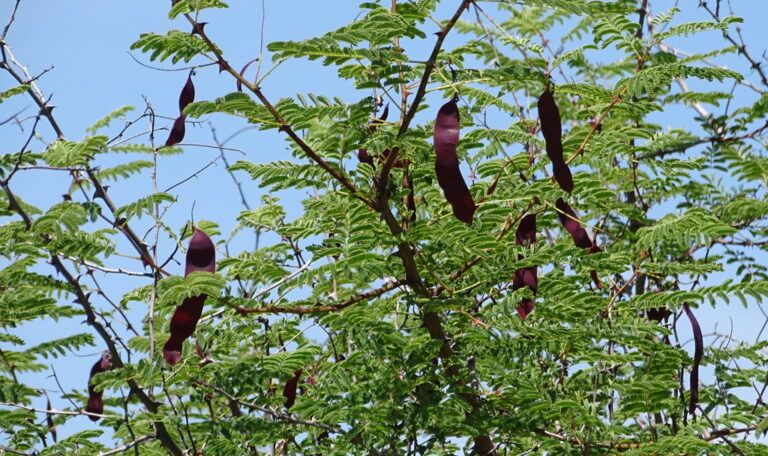
The Khair tree (Acacia catechu) is one of the most important native tree species found across the Indian subcontinent. Often growing in dry forests, riverbanks, and hilly terrains, it plays a crucial role in both ecological systems and rural economies.
While it may not be as visually striking as flowering or fruit-bearing trees, Khair has long been valued for its durability, medicinal properties, and its role in traditional industries. It is best known as the primary source of catechu (katha), a substance widely used in paan and traditional medicine.
Botanical descriptions in the Encyclopaedia Britannica overview of Acacia catechu describe the tree as native to South Asia and well adapted to dry and semi-arid environments. This adaptability makes it a valuable species in landscapes where water availability and soil quality are limited.
What Is the Khair Tree?
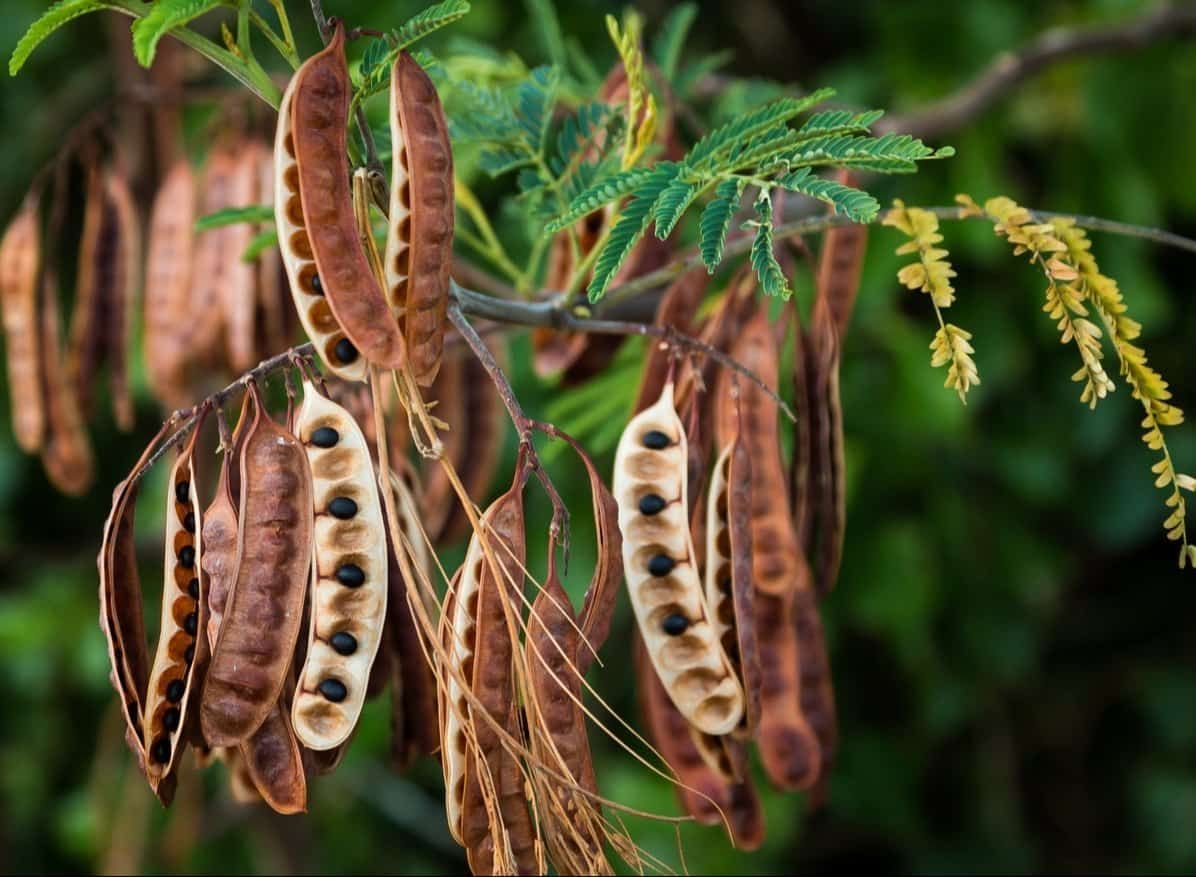
The Khair tree belongs to the Fabaceae family, which includes several nitrogen-fixing species known for improving soil fertility.
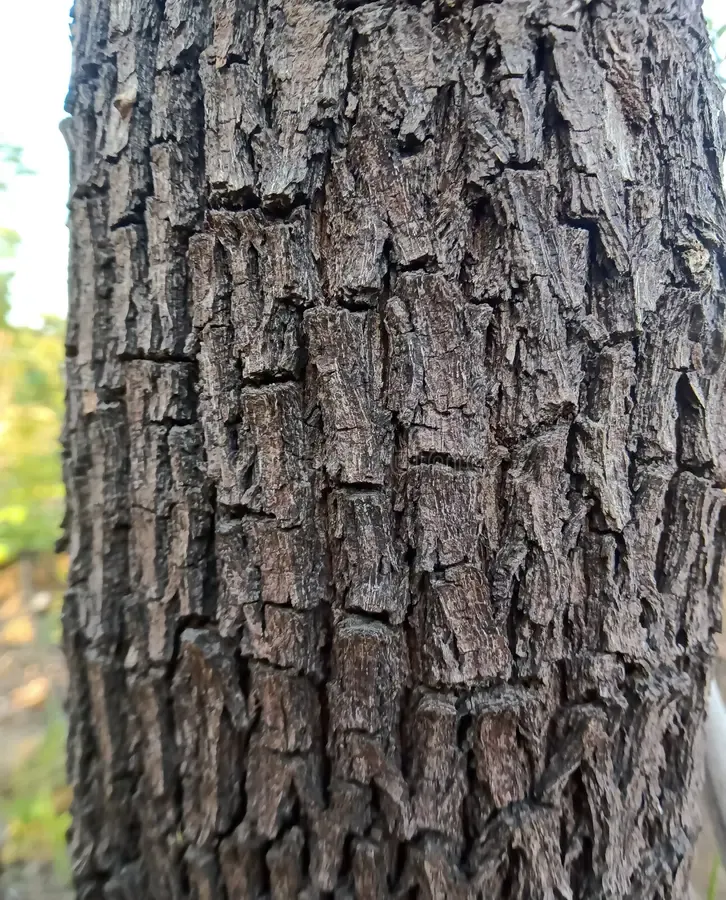
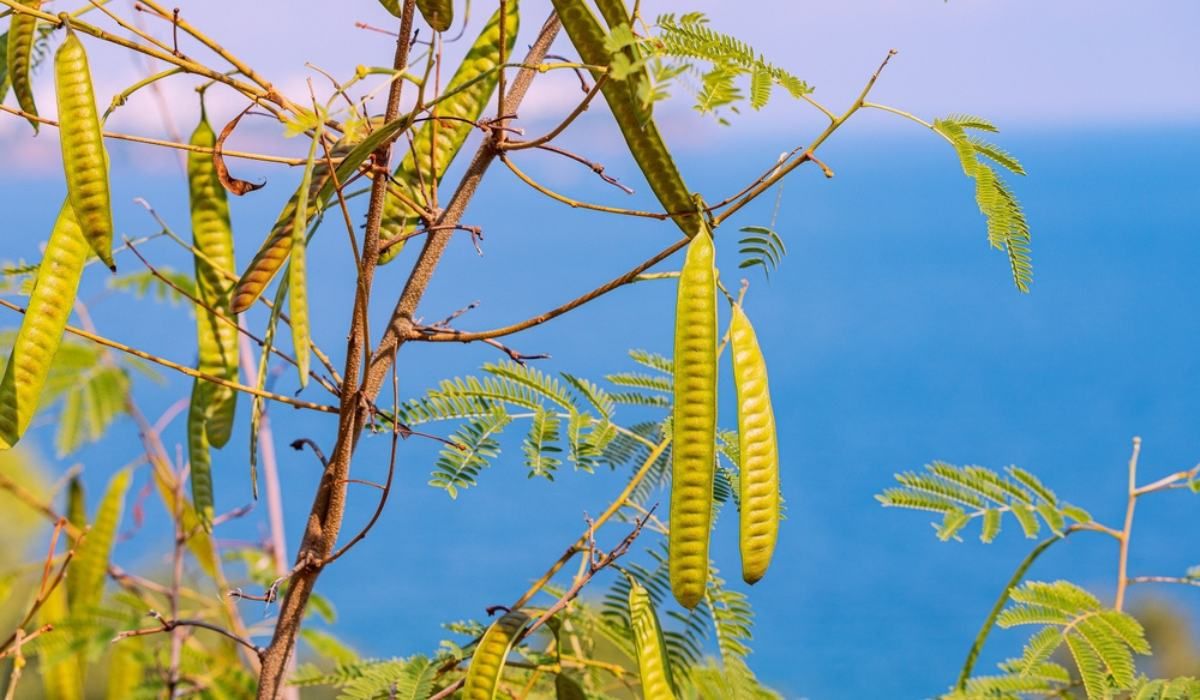
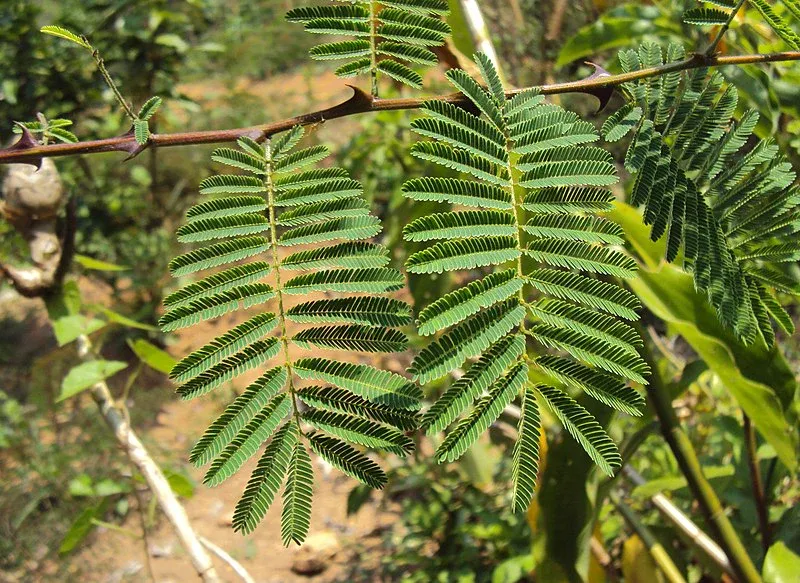
It is a medium-sized deciduous tree that typically grows between 9 to 15 meters in height. It is characterized by dark, rough bark, thorny branches, and feathery leaves. One of its defining features is its dense and durable hardwood.
Plant profiles such as the CABI datasheet for Acacia catechu highlight that Khair thrives in poor soils, dry climates, and degraded land conditions. This makes it particularly suitable for afforestation and land restoration efforts.
Ecological Importance of the Khair Tree
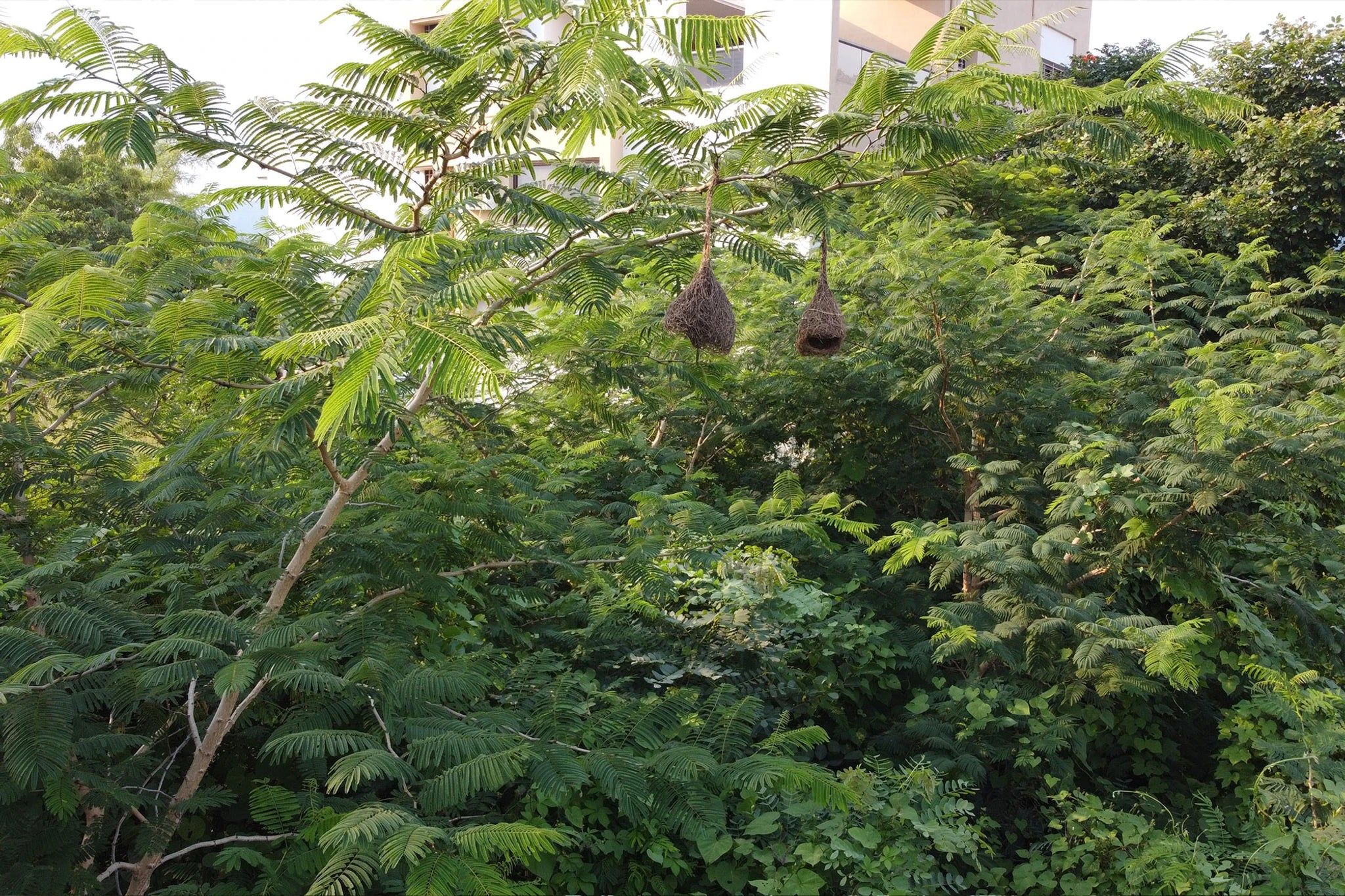
The Khair tree plays a significant role in maintaining ecological balance, especially in dry and degraded landscapes.
As a nitrogen-fixing species, it helps improve soil fertility naturally. Research by World Agroforestry (ICRAF) shows that such trees enrich the soil by increasing nitrogen content, which supports surrounding vegetation and agricultural productivity.
In addition, the tree’s root system helps stabilize soil and prevent erosion. This is especially important in areas like riverbanks and slopes, where soil loss can be a major issue. Insights from the Food and Agriculture Organization resources on forest restoration emphasize the importance of native trees like Khair in controlling erosion and maintaining land stability.
Khair also contributes to biodiversity by providing habitat for insects, birds, and small animals. Native trees tend to support local ecosystems more effectively, making Khair an important part of regional biodiversity networks.
Economic and Traditional Uses
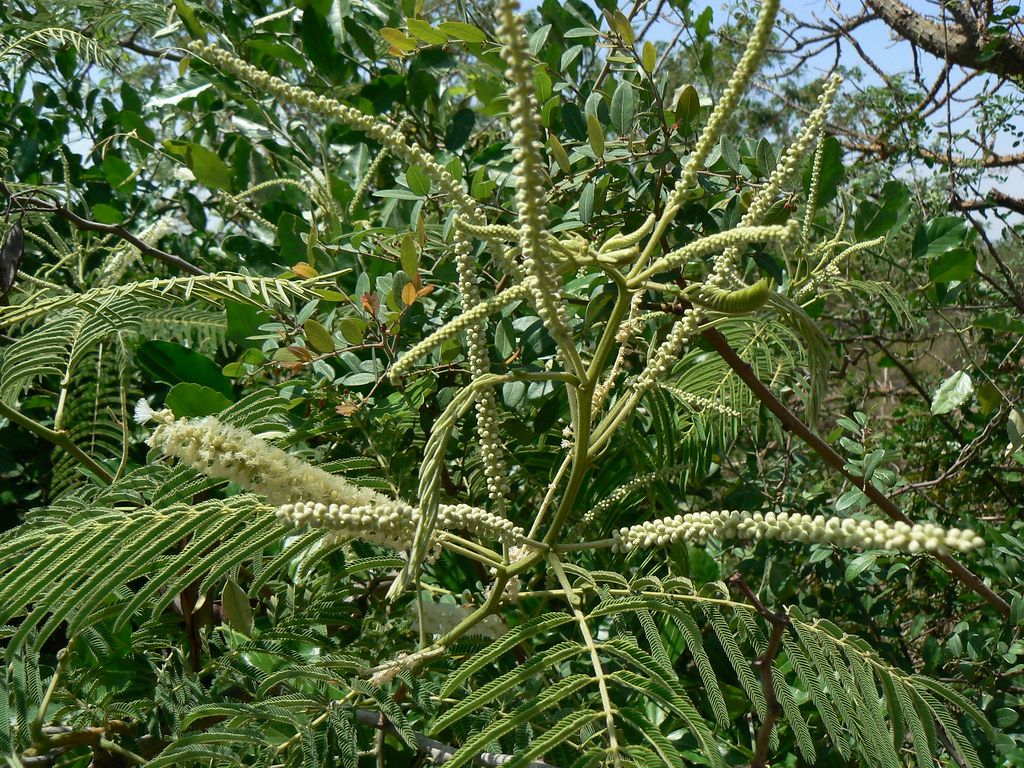
The Khair tree has long been an important economic resource, particularly in rural areas.
The most well-known use of Khair is the production of catechu (katha), which is extracted from the heartwood. This extract is widely used in paan preparation, dyeing, and traditional medicine. The role of Khair in producing non-timber forest products is discussed in the Food and Agriculture Organization forestry database on non-timber forest products.
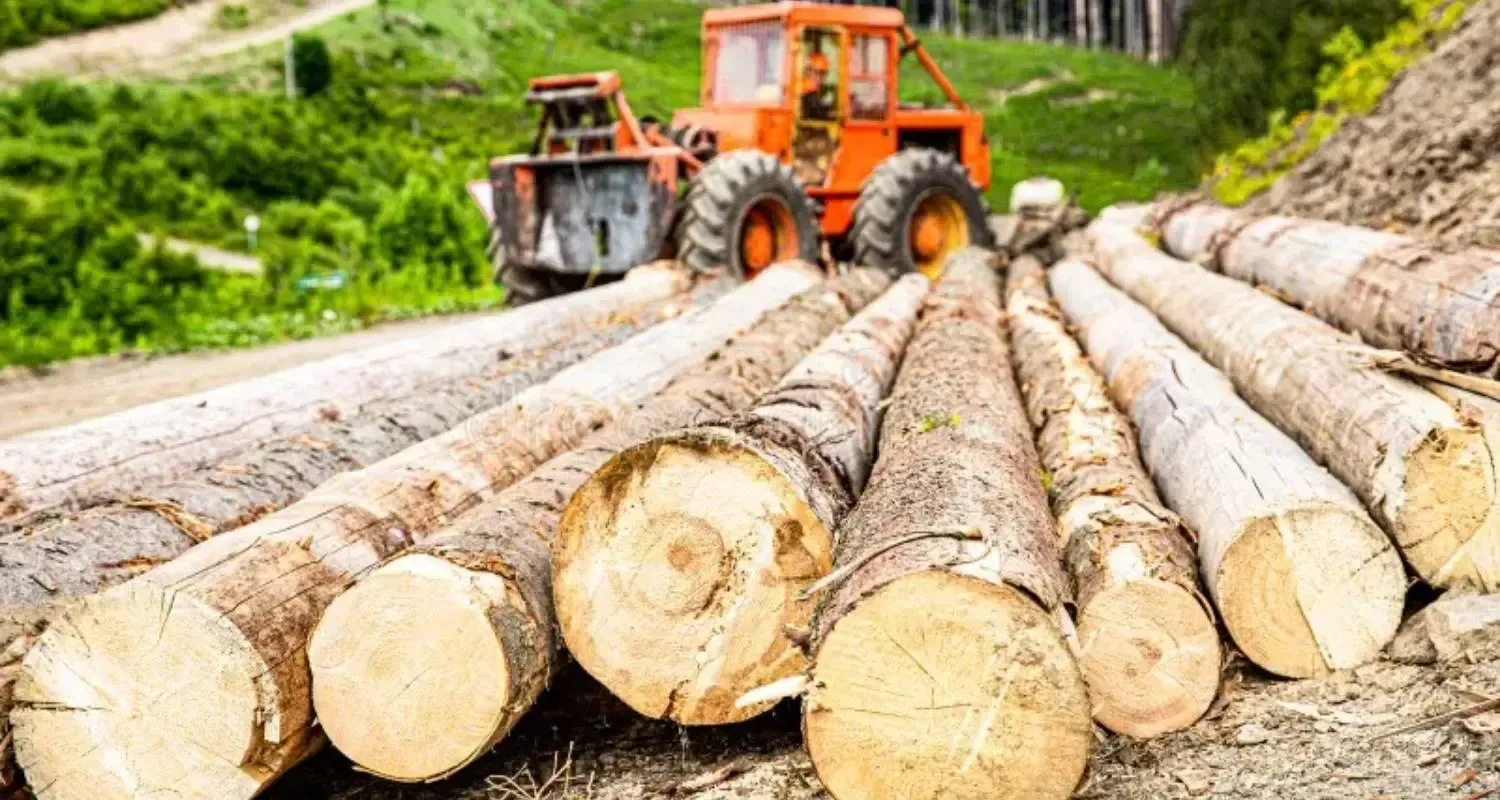
In addition to catechu, Khair wood is valued for its strength and durability. It is commonly used for agricultural tools, construction, and fuelwood.
The tree also has medicinal significance. Traditional uses and scientific studies referenced in the National Center for Biotechnology Information (NCBI) research on Acacia catechu extracts highlight its antimicrobial and astringent properties.
Khair Tree in Agroforestry Systems
The Khair tree is increasingly being integrated into agroforestry systems, where trees and crops are grown together to create more sustainable farming landscapes.
In these systems, Khair provides multiple benefits. It improves soil fertility through nitrogen fixation, reduces erosion, and offers additional income through wood and catechu production.
Research by World Agroforestry (ICRAF) highlights how integrating native tree species into agricultural systems improves resilience, productivity, and long-term sustainability.
Challenges and Conservation Concerns
Despite its importance, the Khair tree faces several challenges.
One of the major concerns is overexploitation due to the demand for catechu. Unsustainable harvesting practices can reduce natural populations and impact ecosystem balance.
Another challenge is its relatively slow regeneration compared to fast-growing species. This makes it vulnerable when harvested excessively.
Habitat loss due to deforestation and land-use changes also affects Khair populations. Conservation efforts discussed in the UN Environment Programme work on ecosystem restoration emphasize the need to protect native species and restore degraded ecosystems.
Why the Khair Tree Matters Today
In the context of climate change and land degradation, the Khair tree has become increasingly important.
It contributes to restoring degraded land, improving soil health, and supporting rural livelihoods. Native species like Khair are essential for building resilient ecosystems that can adapt to environmental changes.
Global initiatives such as the UN Decade on Ecosystem Restoration highlight the importance of restoring ecosystems using native species that are well adapted to local conditions.
A Tree Rooted in Sustainability
The Khair tree represents a balance between ecology and economy.
It supports soil health, provides valuable resources, and contributes to sustainable land management. While it may not always receive attention, its role in shaping resilient landscapes is significant.
Understanding trees like Khair helps shift the focus from simply planting trees to planting species that truly support ecosystems and communities.
FAQs
1. What is the Khair tree?
The Khair tree (Acacia catechu) is a native Indian tree known for producing catechu (katha) from its heartwood. It is commonly found in dry forests and plays an important role in soil restoration and rural livelihoods.
2. What is catechu (katha) and how is it obtained?
Catechu, also known as katha, is a natural extract obtained from the heartwood of the Khair tree. It is widely used in paan, traditional medicine, and dyeing processes.
3. Where does the Khair tree grow best?
The Khair tree grows best in dry and semi-arid regions with well-drained soil. It is commonly found in India, Nepal, and other parts of South Asia, especially in forest and hilly areas.
4. What are the main uses of the Khair tree?
Khair is used for catechu production, timber, fuelwood, and traditional medicine. Its wood is strong and durable, making it useful for rural construction and tools.
5. Is the Khair tree important for the environment?
Yes, Khair improves soil fertility through nitrogen fixation and helps prevent soil erosion. It is especially valuable in restoring degraded land and maintaining ecological balance.
6. Is the Khair tree used in agroforestry?
Yes, Khair is widely used in agroforestry systems where it helps improve soil quality, provides additional income, and supports sustainable farming practices.
7. Does the Khair tree have medicinal benefits?
Khair has traditional medicinal uses and is known for its antimicrobial and astringent properties. It is commonly used in herbal treatments for digestive and oral health.
8. What are the challenges associated with Khair trees?
The main challenges include overharvesting for catechu, slow regeneration, and habitat loss. These factors can impact its long-term availability in natural ecosystems.
9. How tall does a Khair tree grow?
A Khair tree typically grows between 9 to 15 meters in height and develops a strong, durable trunk suitable for timber use.
10. Why is the Khair tree important for rural communities?
The Khair tree supports rural livelihoods by providing income through catechu production and timber. It also contributes to sustainable land use and resource availability.