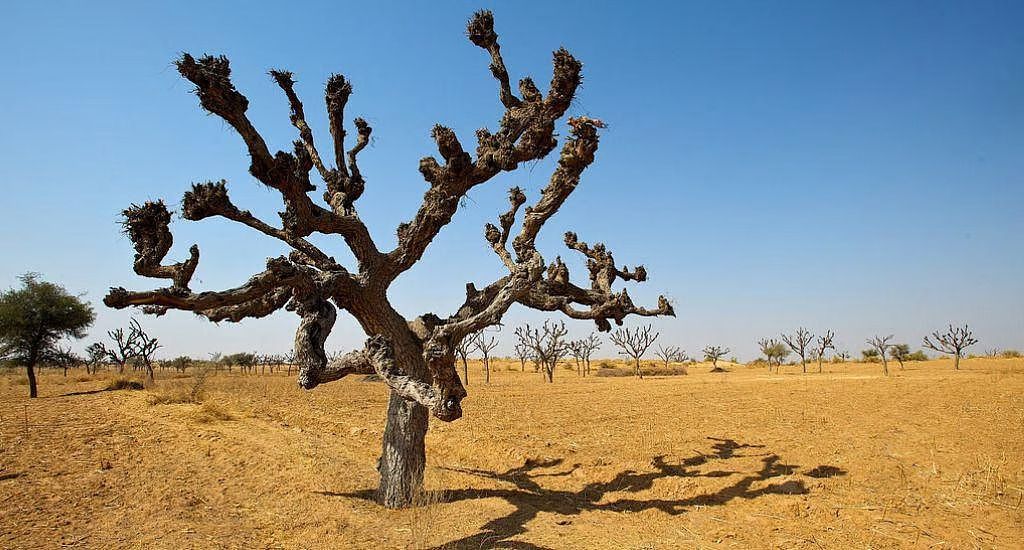
The Khejri tree (Prosopis cineraria), also known as the "Tree of Life," plays a fundamental role in the dry landscapes of India, particularly in Rajasthan, Gujarat, and other arid regions. Revered in local cultures, it is a symbol of sustenance and resilience in the desert, providing food, fuel, and ecological stability to communities. Khejri is not just another tree — it is deeply ingrained in the livelihoods of people and ecosystems in the drylands.
As highlighted in the Encyclopaedia Britannica overview of Prosopis cineraria, this tree thrives in extreme climates where few species can survive. It is crucial for soil fertility, erosion control, and agroforestry, making it a key player in both climate resilience and economic support.
What Is the Khejri Tree?
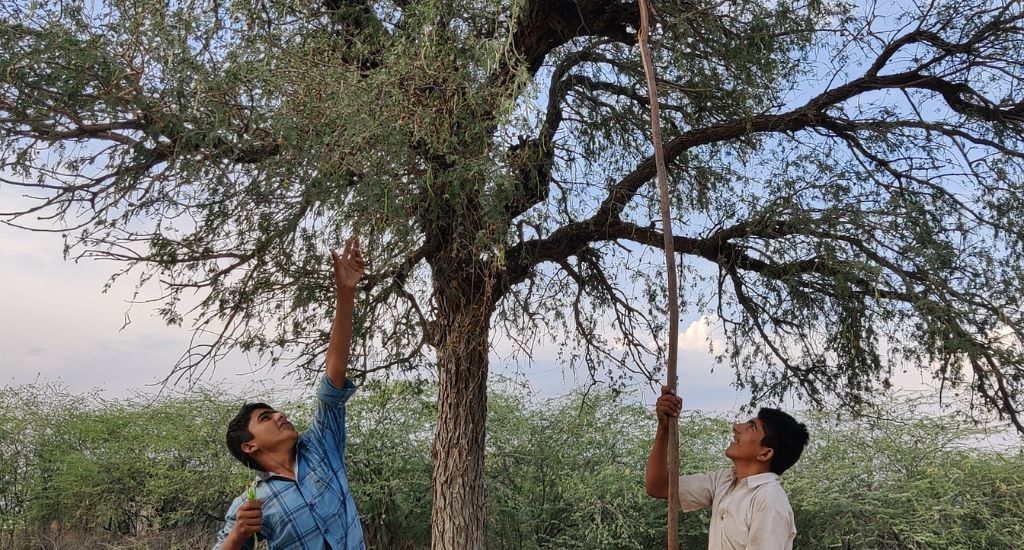
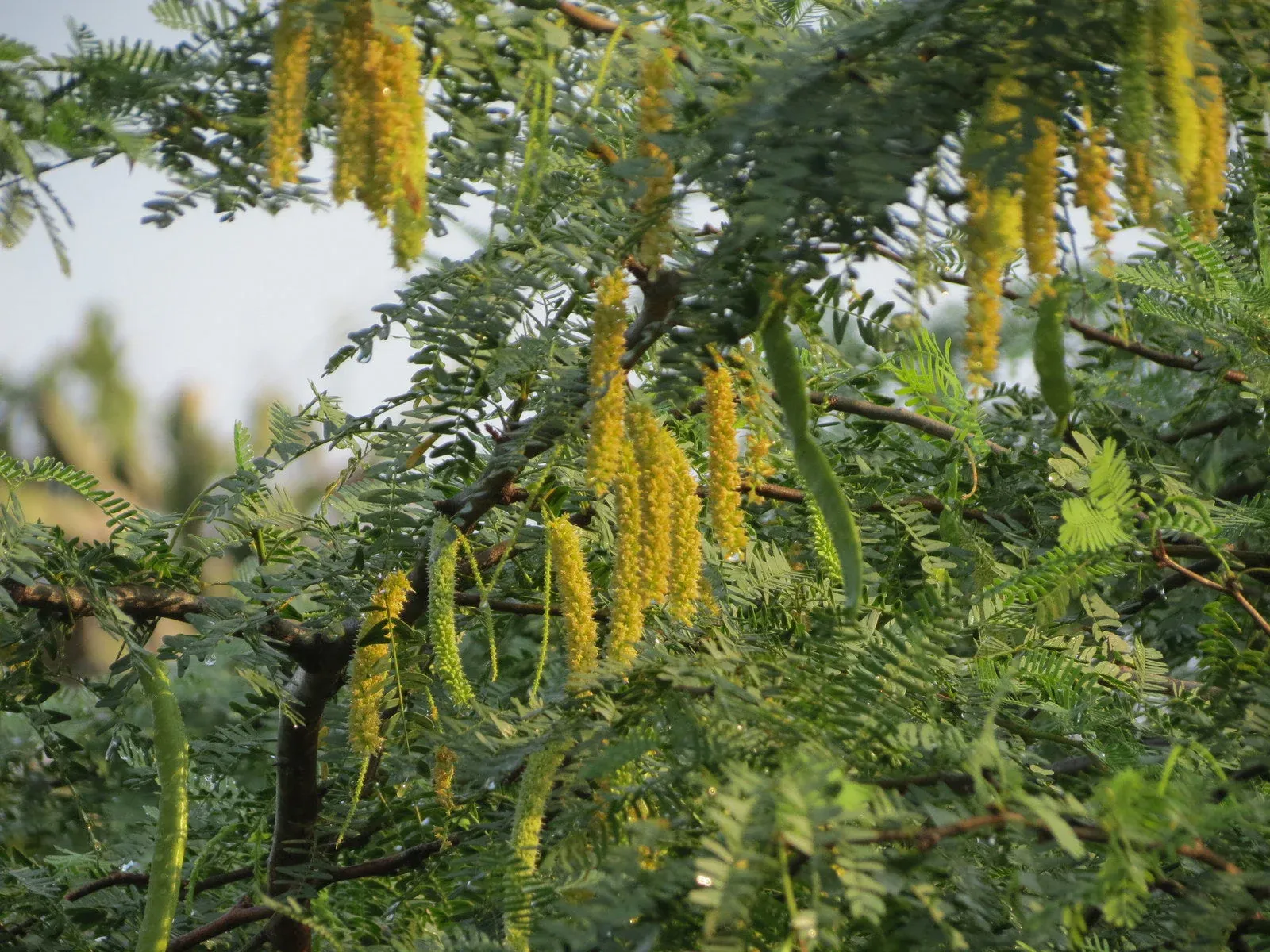
The Khejri tree is a medium-sized, deciduous tree that typically grows between 8 to 12 meters in height. It is thorny and has feathery leaves, small yellowish-green flowers, and long pods containing seeds that are consumed by livestock. The tree is well-known for its hardwood, which is both durable and resistant to termites.
Botanical studies, including the CABI datasheet for Prosopis cineraria, reveal that the Khejri tree is highly drought-resistant, making it ideally suited for dry and semi-arid climates. It thrives in poor soils, saline conditions, and areas with limited rainfall. Its deep root system enables the tree to survive through long dry periods, while its nitrogen-fixing ability enhances the soil quality, supporting the growth of other plants around it.
Ecological Importance of the Khejri Tree
Soil Health and Nitrogen Fixation
One of the Khejri tree's most important ecological roles is its ability to fix nitrogen. As a member of the legume family, Khejri forms a symbiotic relationship with nitrogen-fixing bacteria, converting atmospheric nitrogen into a form that plants can absorb.
This process improves the soil quality, enhancing its fertility and making it more hospitable to other vegetation.
Research by World Agroforestry (ICRAF) supports this role of Khejri in soil restoration, particularly in degraded and desertified lands, where other plant species might struggle to survive. Through its nitrogen-fixing capabilities, Khejri significantly contributes to the rejuvenation of dry, barren soils.
Erosion Control and Land Stabilization
Khejri also plays a vital role in soil conservation. In desert environments prone to erosion, the Khejri tree's deep root system helps to bind the soil, preventing it from being carried away by wind or water. This is especially important in regions where erosion is a major environmental challenge.
As noted in the Food and Agriculture Organization's (FAO) resources on forest restoration, trees like Khejri are essential in stabilizing soil, particularly in desertification-prone areas.
Biodiversity Support
Khejri trees also support local biodiversity. Although it does not have a dense canopy, Khejri provides food for insects, habitat for birds, and shelter for small animals. This makes the tree an integral part of desert ecosystems, where plant and animal life depend on every available resource. Native species like Khejri are critical for maintaining ecosystem health in dry regions, as they are adapted to local conditions.
Economic and Cultural Significance of the Khejri Tree
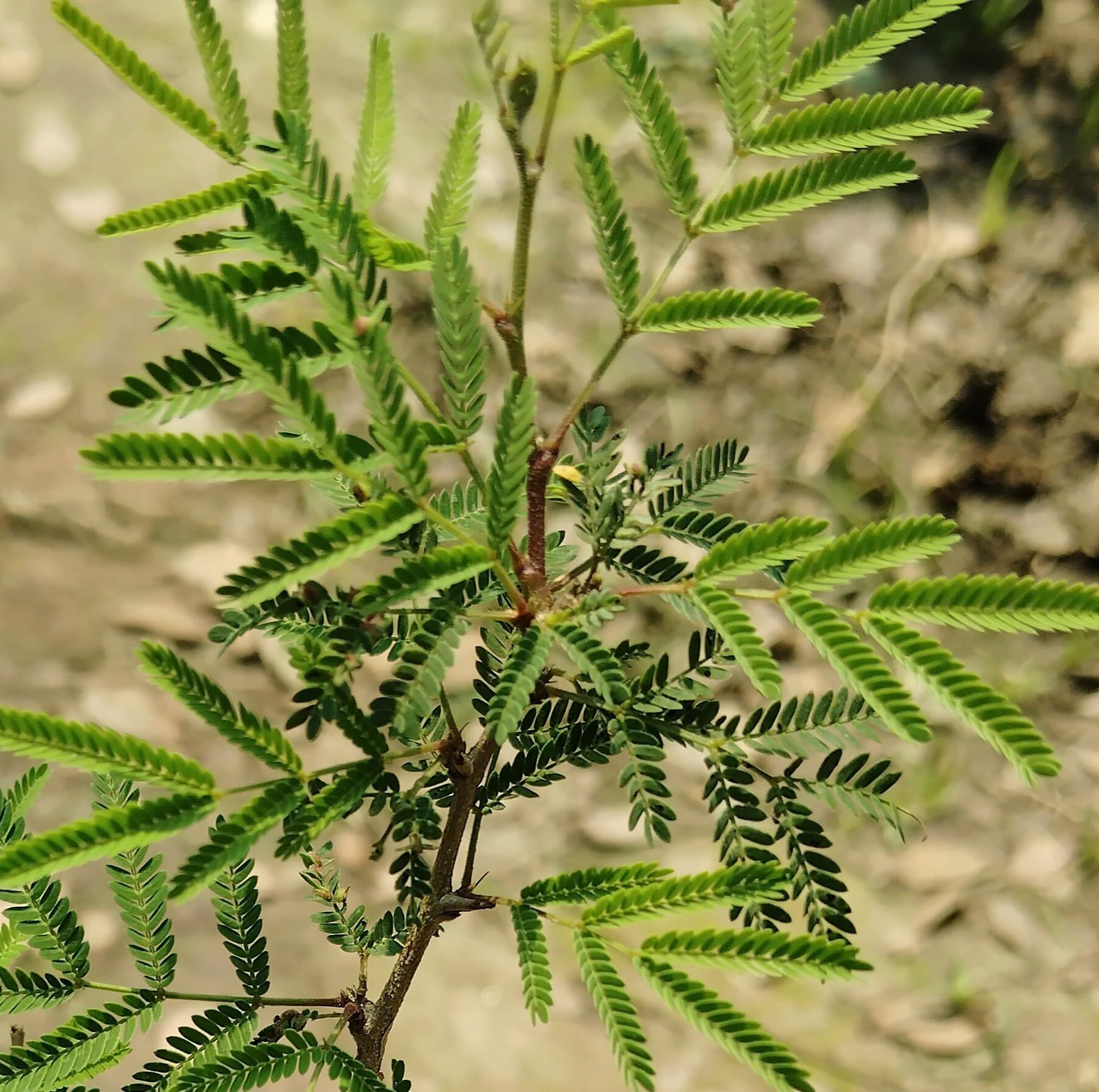
The Khejri tree plays a central role in the economies of rural desert communities, particularly in arid regions where agricultural options are limited.
Gum Production
One of the main products of the Khejri tree is gum arabic, which is harvested from the tree's branches and bark. This gum is widely used in various industries, including:
• Food processing
• Pharmaceuticals
• Cosmetics
• Textiles
Gum arabic is also a key ingredient in adhesives and paints, providing an important economic resource for local communities. The role of Khejri gum in non-timber forest products is emphasized by the Food and Agriculture Organization (FAO), which highlights how such products support rural livelihoods by providing income without the need for large-scale timber extraction.
Livelihood Support
In desert regions, where access to green fodder is scarce, Khejri provides an essential source of fodder for livestock. Its leaves, pods, and branches are consumed by camels, cows, and goats, which are crucial to farming systems in arid regions. Khejri wood is also used for fuelwood and construction, as its wood is dense, durable, and termite-resistant. This makes it a valuable resource in communities where timber is scarce.
Cultural Importance
In many parts of Rajasthan and Gujarat, Khejri is considered a sacred tree, and it is associated with religious and cultural practices. For centuries, local communities have celebrated the Khejri tree as a symbol of life and fertility, especially in the harsh desert landscapes.
Khejri Tree in Agroforestry and Sustainable Land Use
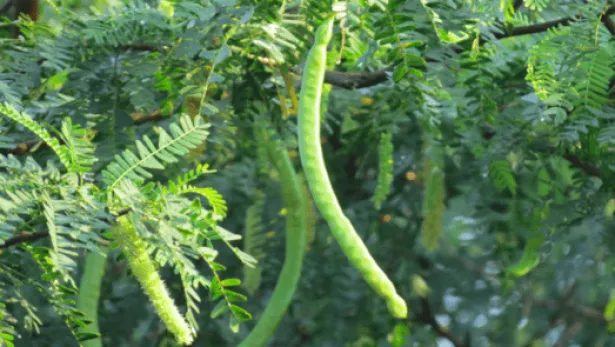
The Khejri tree is a vital component of agroforestry systems, especially in dryland farming. It can be integrated with crops and livestock, helping to improve soil fertility, provide shade, and create microclimates that reduce the impact of harsh climatic conditions.
Research by World Agroforestry (ICRAF) shows that integrating Khejri in agroforestry systems leads to:
• Improved crop yields
• Enhanced biodiversity
• Reduced soil erosion
• Diversified income streams for farmers
By planting Khejri alongside agricultural crops, farmers benefit from the synergy between tree and crop production, leading to long-term sustainability.
Challenges and Conservation
While the Khejri tree has many advantages, it also faces challenges:
Overharvesting and Slow Regeneration
Overexploitation of Khejri for its gum, wood, and fodder can put pressure on natural populations, as Khejri trees are slow to regenerate. Without proper management, this can lead to declining populations in certain areas.
Conservation Initiatives
Efforts by local communities, along with organizations like UNEP, are focused on conserving Khejri through sustainable harvesting practices and tree planting initiatives.
Why the Khejri Tree Matters Today
In the face of climate change and the increasing pressures of desertification, the Khejri tree is becoming more important than ever.
Its ability to thrive in dry conditions, restore soil fertility, and provide essential products makes it a key species for sustainable desert farming and land restoration.
Global efforts such as the UN Decade on Ecosystem Restoration highlight the importance of native species like Khejri in building resilience and restoring ecosystems affected by climate change.
A Tree of Life in the Desert
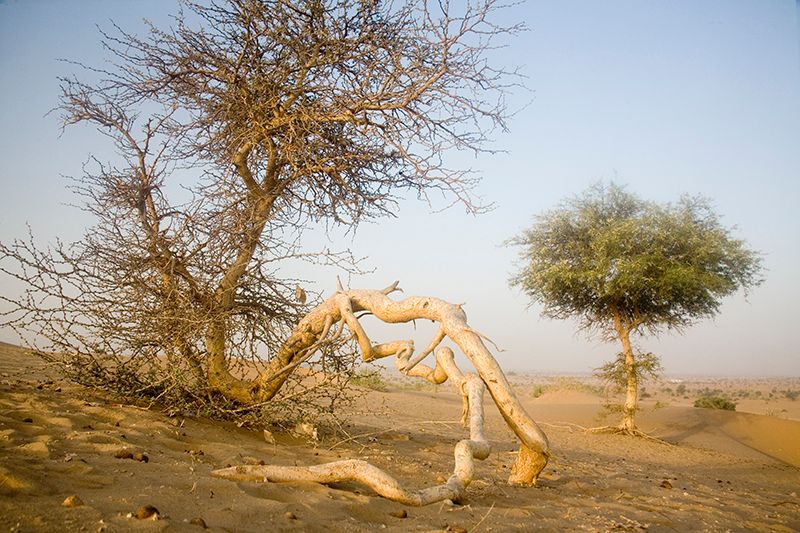
The Khejri tree symbolizes resilience in one of the world’s harshest climates. It offers a glimpse of hope for desert ecosystems, showing that life can thrive even in the most extreme conditions.
Khejri’s multifaceted benefits — from environmental restoration to economic value — make it a pioneer species in desert landscapes. By recognizing the value of native species like Khejri, we can create sustainable landscapes that benefit both nature and humanity.
FAQs
-
What is the Khejri tree?
The Khejri tree (Prosopis cineraria) is a drought-resistant tree native to desert regions of India, known for its gum production, soil improvement, and role in agroforestry.
-
Where does the Khejri tree grow?
The Khejri tree grows in semi-arid and arid regions with poor soil, especially in Rajasthan and Gujarat.
-
What are the uses of the Khejri tree?
The Khejri tree provides gum (gum arabic), fodder for livestock, timber, and has medicinal properties used in traditional medicine.
-
What is gum arabic used for?
Gum arabic from the Khejri tree is used in food processing, pharmaceuticals, cosmetics, and industrial applications such as adhesives and textiles.
-
How does the Khejri tree help the environment?
The Khejri tree helps restore soil fertility, prevents erosion, and supports local biodiversity, especially in desert ecosystems.
-
Why is the Khejri tree important for rural communities?
The Khejri tree provides fodder, fuelwood, gum, and income, supporting livelihoods in arid and semi-arid regions.
-
What are the challenges in growing Khejri trees?
Challenges include overharvesting, slow regeneration, and vulnerability to climate change.
-
How tall does the Khejri tree grow?
The Khejri tree typically grows between 8 to 12 meters in height.
-
How does the Khejri tree restore soil?
Through nitrogen fixation, the Khejri tree enriches soil quality, making it suitable for agriculture and other vegetation.