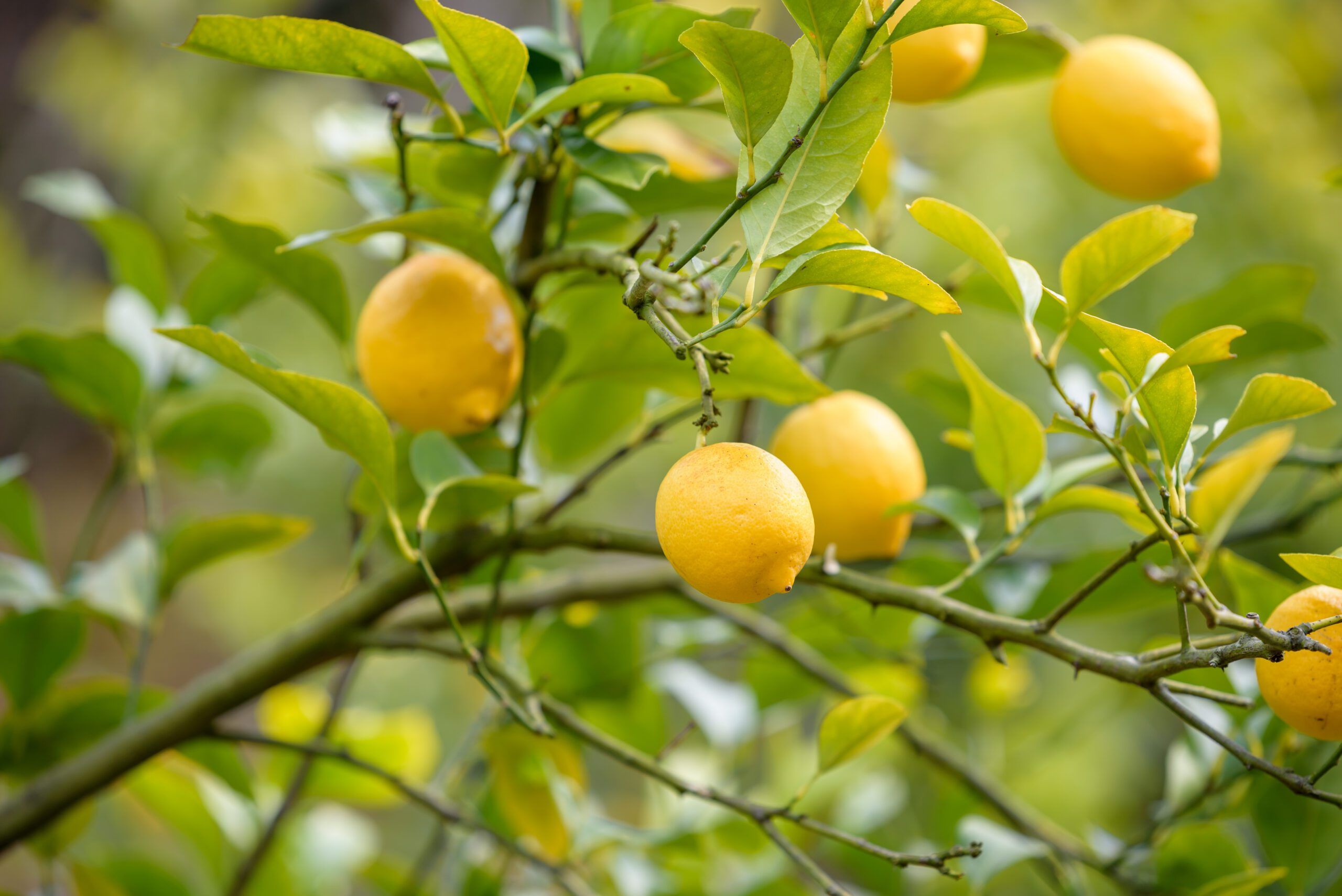
The lemon tree (Citrus limon) is one of the most recognizable and widely grown fruit trees in the world. Found in farms, orchards, home gardens, terraces, and even balconies, it has become deeply connected to everyday life. In India especially, lemons are used constantly — in food, drinks, traditional remedies, cleaning practices, and religious rituals. Yet despite how common they are, lemon trees are rarely thought about beyond the fruit they produce.
In reality, the lemon tree represents much more than a kitchen ingredient. It connects nutrition, biodiversity, farming, urban greenery, and household sustainability in surprisingly important ways. As explained in the Encyclopaedia Britannica overview of Citrus limon, lemon is an evergreen citrus species believed to have originated in Asia before spreading across different parts of the world through trade and cultivation.
Today, the tree continues to play a role not just in agriculture, but also in how people interact with nature in their everyday environments.
What Is the Lemon Tree?
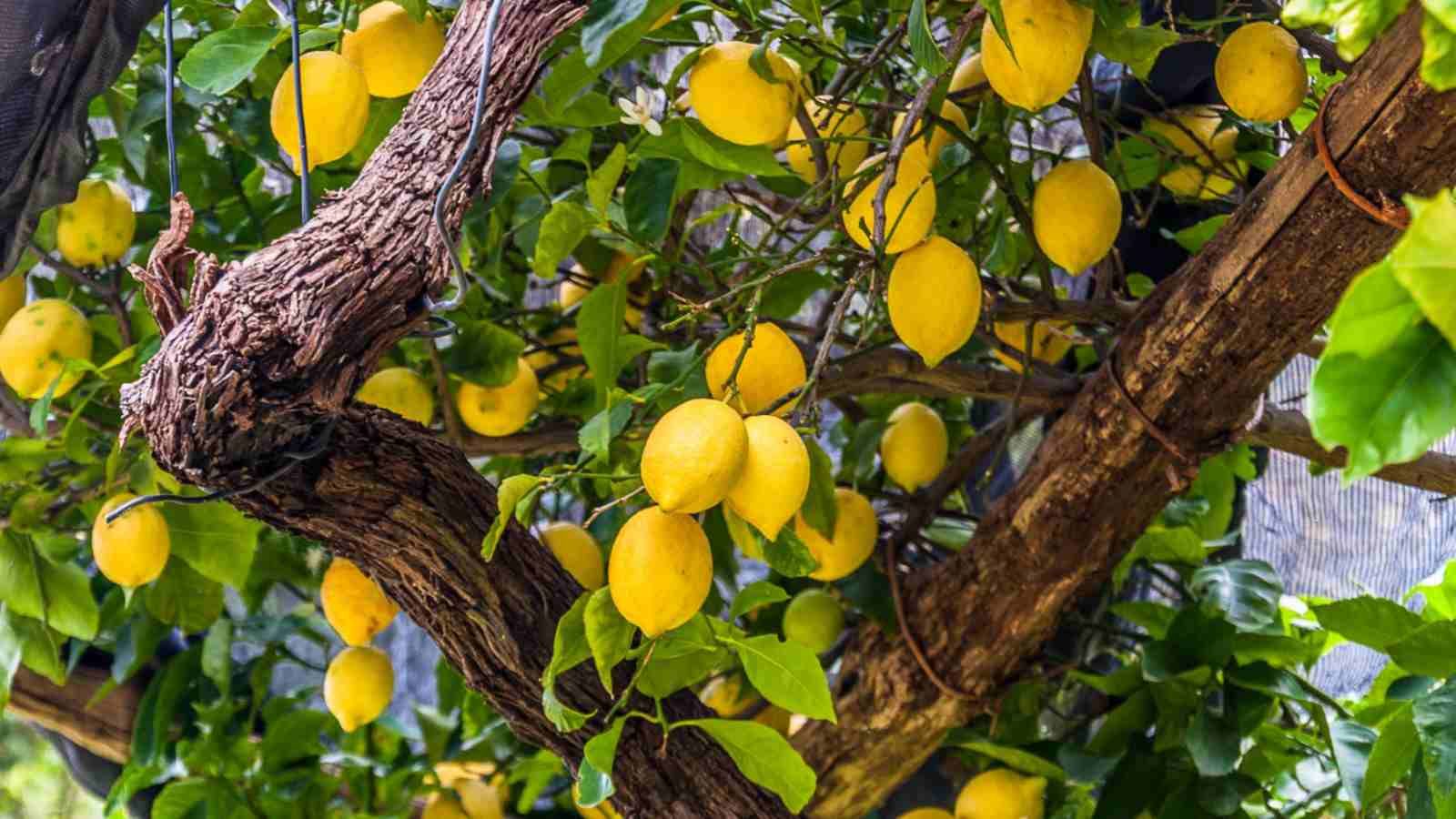
The lemon tree belongs to the Rutaceae family, which includes citrus fruits such as oranges, mandarins, and limes. It is a small evergreen tree that generally grows between 3 to 6 meters in height and develops a rounded canopy with glossy green leaves and fragrant white flowers.
One of the reasons lemon trees are so widely cultivated is their adaptability. According to the CABI datasheet for Citrus limon, lemon trees grow best in tropical and subtropical climates with adequate sunlight and well-drained soil, but they can also adapt well to smaller urban spaces when maintained properly.
Unlike large orchard trees that require extensive land, lemon trees can thrive in compact environments. This makes them especially suitable for urban homes, kitchen gardens, and terrace plantations where space is limited but greenery is still desired.
The tree itself remains productive for years when maintained well, producing flowers and fruits seasonally while continuing to provide greenery throughout the year.
Why Lemons Are Nutritionally Important
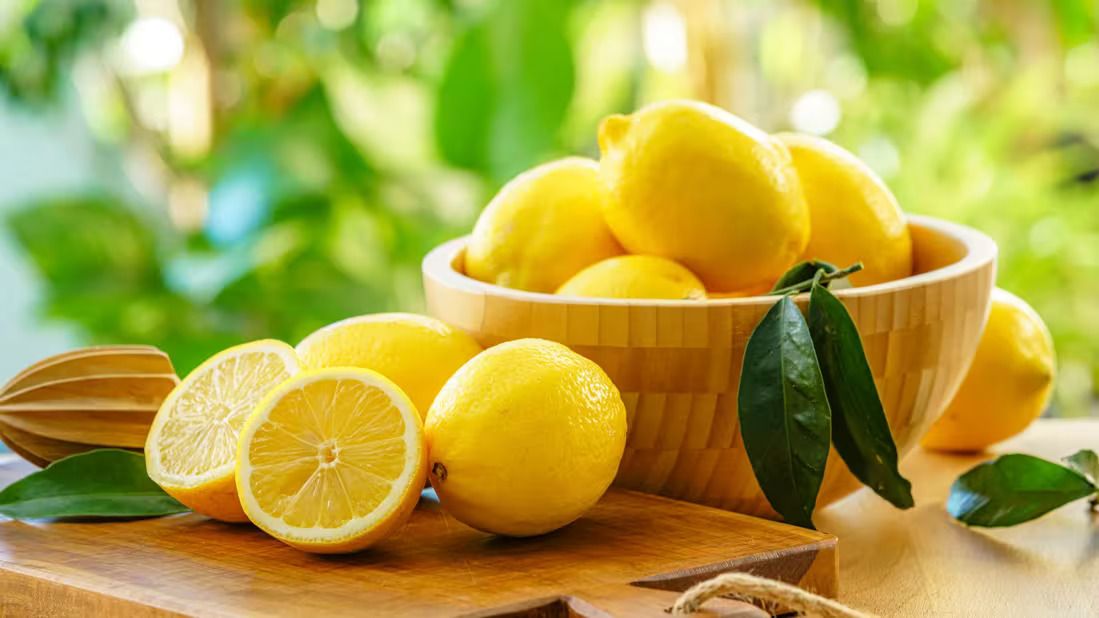
Lemons are widely valued because of their nutritional profile and health benefits. They are rich in vitamin C, antioxidants, citric acid, and plant compounds that support overall wellness. Research discussed in NCBI studies on lemon nutrition and medicinal properties highlights the antioxidant and antimicrobial potential of compounds found in citrus fruits.
Vitamin C is one of the key reasons lemons are consumed so widely. It supports immunity, skin health, collagen production, and overall cellular function. Citric acid, meanwhile, contributes to digestion and gives lemons their distinctive taste. Because lemons are used fresh in water, food, pickles, juices, and beverages, they remain one of the most consistently consumed fruits across households.
Their nutritional value becomes especially important during summers in India, when lemon-based drinks are commonly consumed for hydration and refreshment.
Lemon Tree in Traditional and Household Use

The lemon tree has been associated with traditional medicine systems for centuries. Across different cultures, lemon juice, peel, and leaves have been used in remedies linked to digestion, throat infections, skin care, and seasonal illnesses.
The same NCBI research on lemon nutrition and medicinal properties also discusses how bioactive compounds in lemons may contribute to antimicrobial and antioxidant activity.
Beyond medicine, lemons have also become part of everyday household practices.
Lemon juice is commonly used for:
- flavoring food and beverages
- cleaning surfaces naturally
- removing stains and odors
- preparing home remedies
- preserving pickles and food items
Lemon peel oil is also used in perfumes, aromatherapy products, and wellness applications because of its refreshing fragrance.
This combination of practical use and nutritional value is one of the reasons lemon trees remain relevant across generations.
Ecological Importance of Lemon Trees

Although lemon trees are mainly cultivated for fruit production, they also contribute to ecosystems in important ways.
Their flowers attract bees and other pollinators that are essential for agriculture and biodiversity. The Food and Agriculture Organization resources on pollinators and agriculture explain how flowering species support pollinator populations and improve ecological health within farming systems.
Even small fruit trees in home gardens can create microhabitats for insects and birds, especially in dense urban environments where greenery is limited.
Lemon trees also contribute to urban green cover. While they may not provide the large canopy of forest trees, they still add vegetation, absorb carbon dioxide, and improve the visual and ecological quality of residential spaces.
This is particularly important in cities where productive greenery can provide both environmental and household benefits at the same time.
Lemon Trees in Farming and Agroforestry
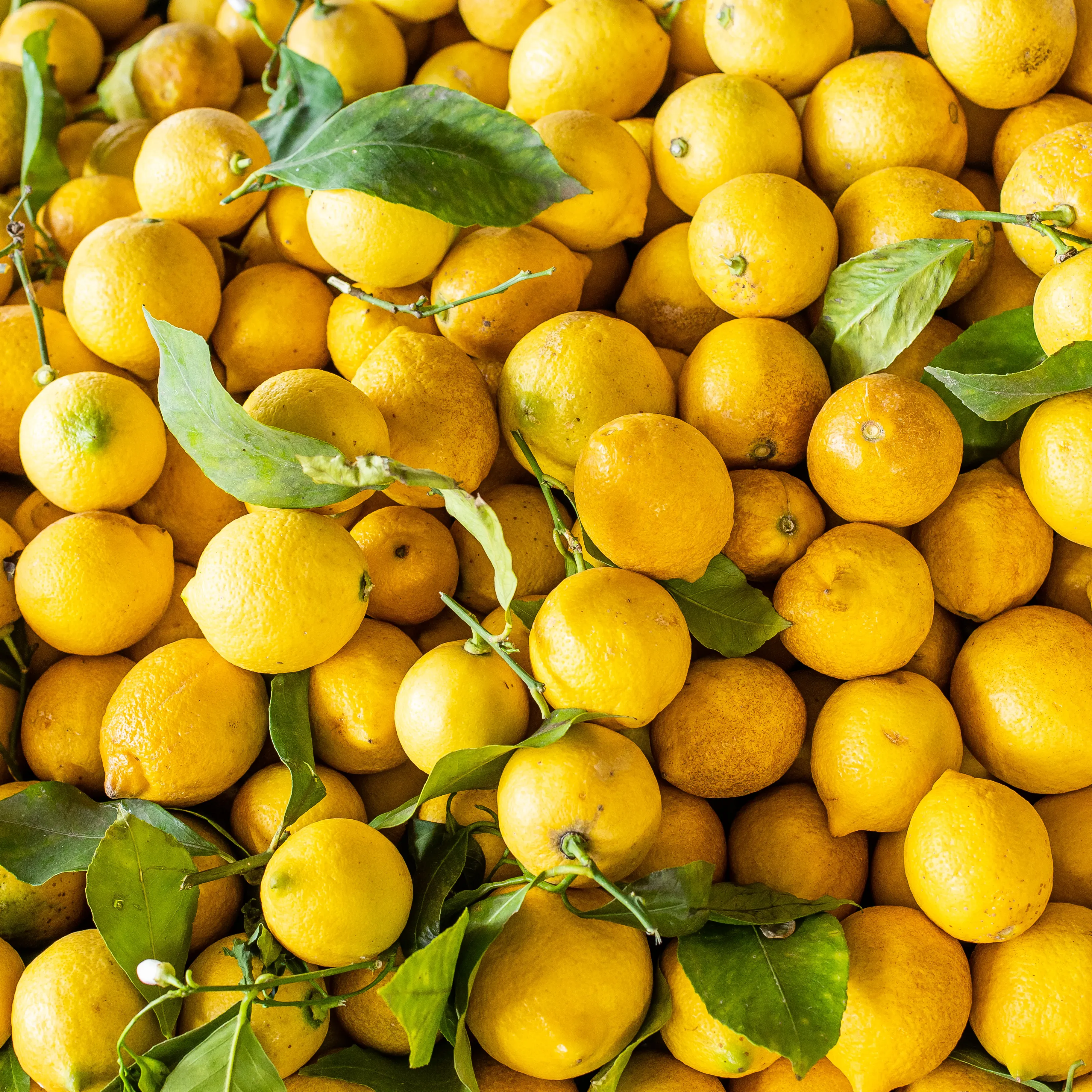
Lemon cultivation supports a large agricultural economy. Farmers grow lemons for local markets, juice industries, export businesses, and essential oil production. The fruit’s year-round demand makes it economically attractive for many farming communities.
Research from World Agroforestry (ICRAF) highlights how integrating fruit trees into agricultural systems improves resilience and diversifies farmer income.
In many parts of India, lemon trees are integrated into mixed farming systems alongside vegetables, grains, or other fruit species. This helps reduce dependency on a single crop and improves long-term land productivity.
Fruit trees also create more layered agricultural landscapes, which are often more resilient compared to monoculture systems.
Growing Lemon Trees: Conditions and Challenges

Lemon trees require balanced growing conditions to remain healthy and productive. They prefer full sunlight, moderate watering, and well-drained soil. Guidance from the Food and Agriculture Organization resources on citrus cultivation emphasizes the importance of irrigation management and soil health in citrus farming.
While lemon trees are relatively easy to grow, they are also vulnerable to certain challenges. Common problems include:
- citrus canker
- aphids and leaf miners
- fungal infections
- irregular watering
- frost damage in colder regions
Excess watering can damage roots, while insufficient watering affects flowering and fruit quality. Similarly, changing climate patterns and irregular rainfall can impact citrus production over time.
Despite these challenges, lemon trees remain one of the most accessible fruit trees for both commercial cultivation and household gardening.
Why Lemon Trees Are Popular in Urban Homes
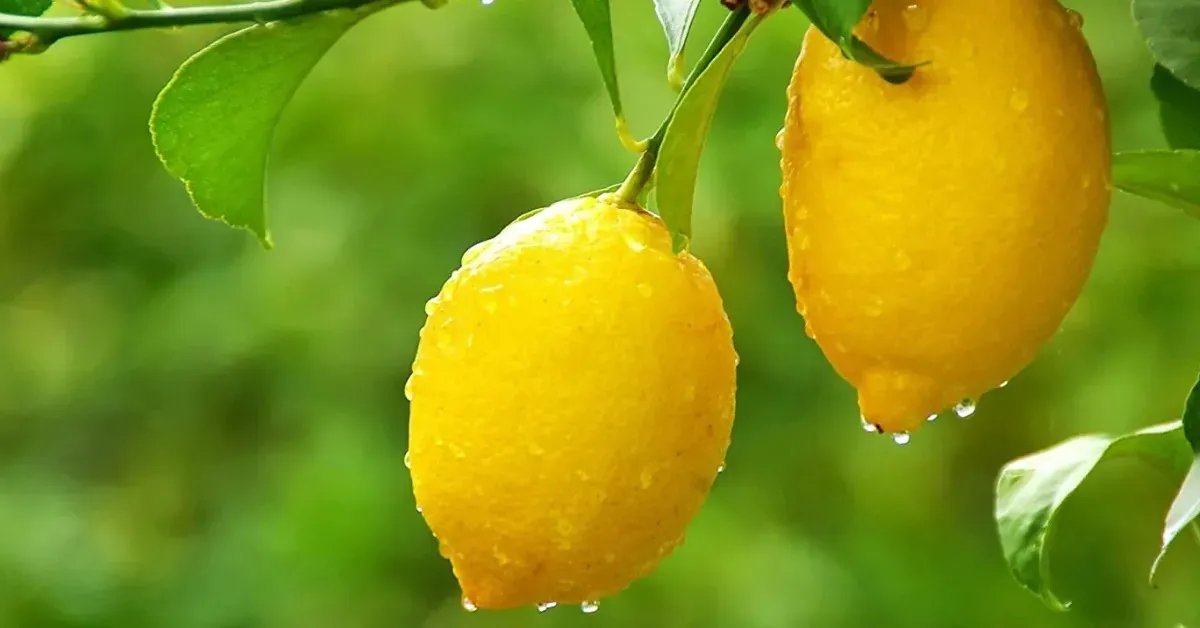
One reason lemon trees are becoming increasingly popular in urban spaces is because they combine functionality with greenery.
Unlike decorative plants that serve only aesthetic purposes, lemon trees provide multiple benefits simultaneously. They produce fruit, support pollinators, add fragrance, and improve the visual quality of spaces.
Their relatively compact size also makes them suitable for:
- terraces
- balconies
- kitchen gardens
- courtyard planting
- container gardening
This practicality makes lemon trees especially attractive for people looking to create greener homes without requiring large outdoor spaces.
More Than Just a Fruit Tree
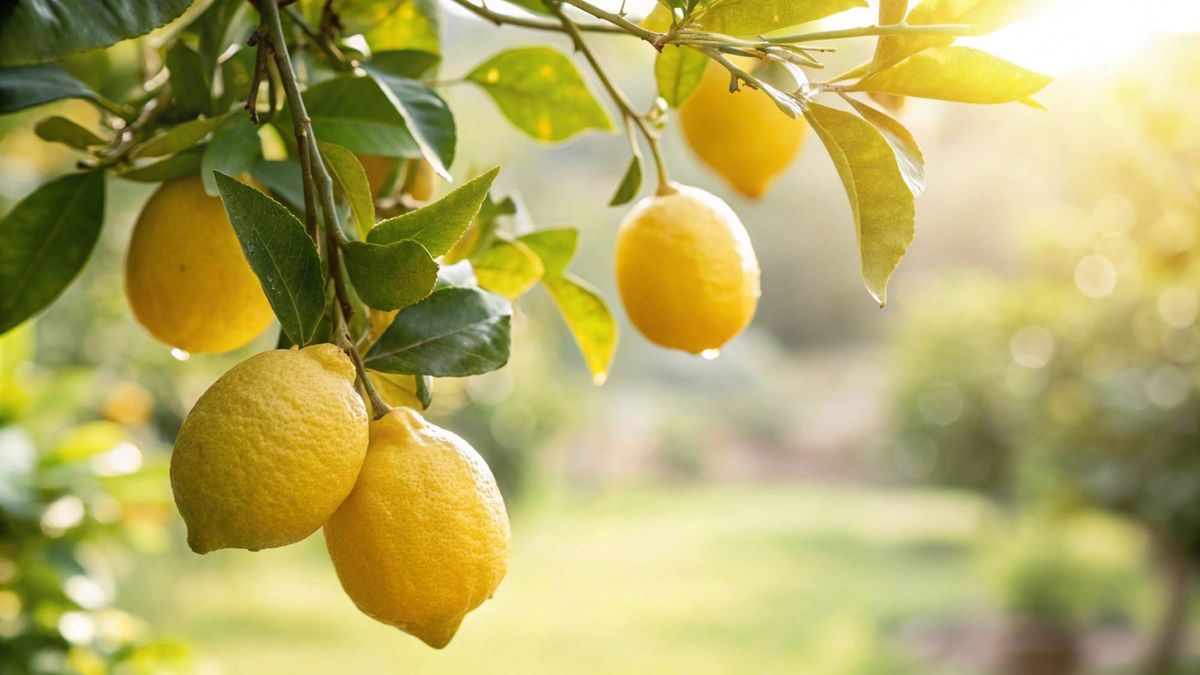
The lemon tree is often overlooked precisely because it feels ordinary. But its importance lies in how deeply it is woven into everyday life.
It supports nutrition, contributes to ecological systems, improves urban greenery, and provides economic value to farmers and households alike. Few trees exist so comfortably across farms, kitchens, markets, gardens, and wellness traditions.
Sometimes, the most impactful species are not the rarest or the tallest — but the ones quietly present in people’s daily routines.
FAQs
What is the lemon tree?
The lemon tree (Citrus limon) is a small evergreen citrus tree known for producing vitamin C-rich yellow fruits widely used in food, beverages, and home remedies.
Where do lemon trees grow best?
Lemon trees grow best in tropical and subtropical climates with full sunlight, balanced watering, and well-drained soil.
What are the health benefits of lemons?
Lemons are rich in vitamin C, antioxidants, and citric acid, which support immunity, digestion, hydration, and overall wellness.
Can lemon trees grow at home?
Yes, lemon trees can grow in home gardens, terraces, balconies, and large pots if they receive adequate sunlight and care.
Do lemon trees support biodiversity?
Yes, lemon flowers attract bees and pollinators, helping support biodiversity and ecological balance in urban and rural spaces.
How tall does a lemon tree grow?
A lemon tree generally grows between 3 to 6 meters depending on the variety and growing conditions.
What are common problems in lemon cultivation?
Common issues include citrus canker, pests, fungal diseases, poor drainage, and irregular watering.
Are lemon trees suitable for urban gardens?
Yes, lemon trees are ideal for urban gardens because they are compact, productive, and relatively easy to maintain.
What is lemon oil used for?
Lemon oil is used in aromatherapy, perfumes, cleaning products, and wellness applications because of its refreshing fragrance.
Why are lemon trees important in agriculture?
Lemon trees support fruit markets, farmer livelihoods, agroforestry systems, and diversified agricultural production.