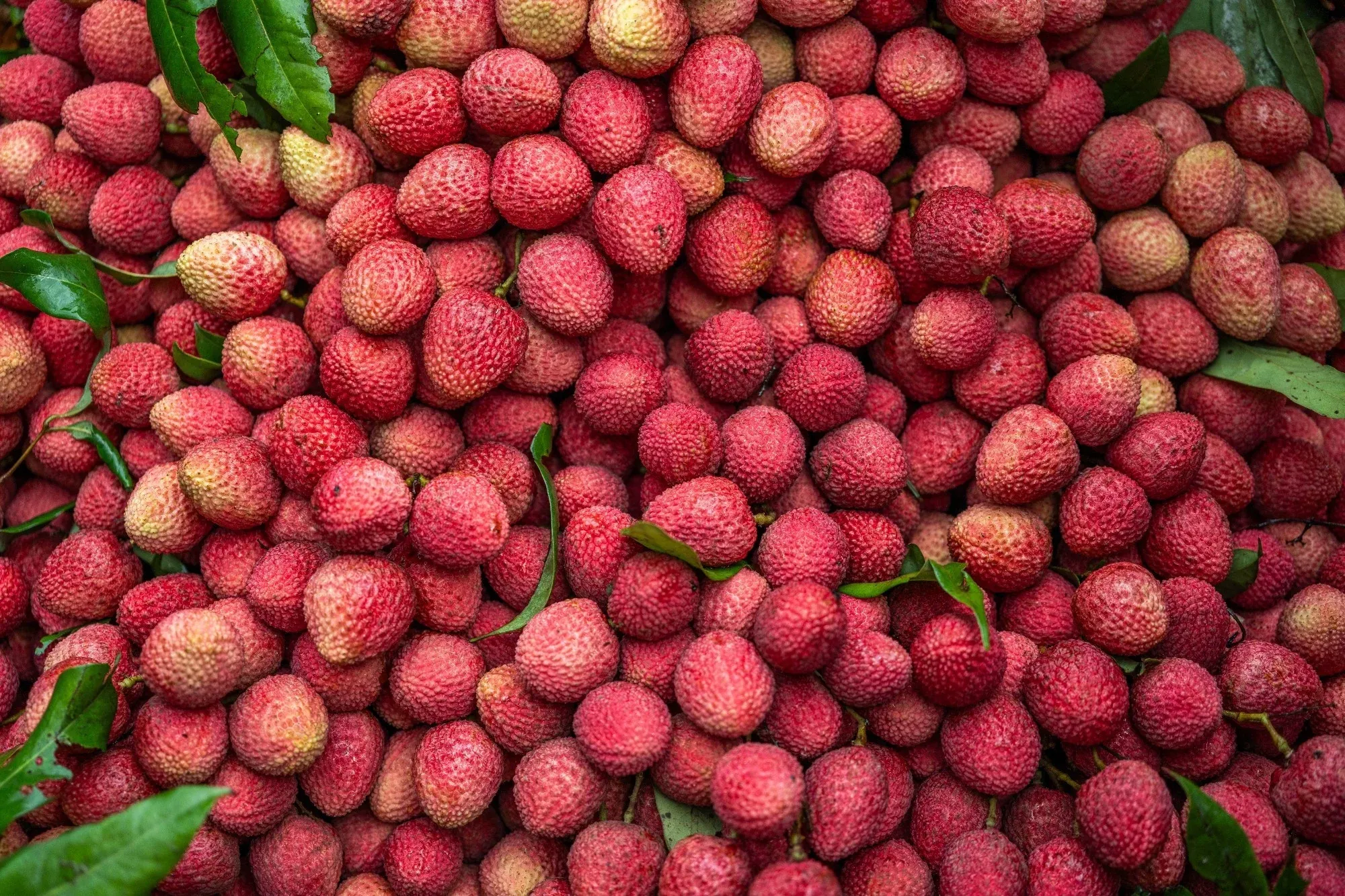
The Litchi tree (Litchi chinensis) is more than just a fruit-bearing species. Across tropical and subtropical regions, it represents a powerful intersection of nutrition, agriculture, and ecology. Known for its sweet, aromatic fruit and dense evergreen canopy, the tree has become a seasonal symbol of summer in many parts of India.
From the orchards of Bihar to backyard gardens in humid regions, the Litchi tree plays an important role in supporting farmer livelihoods, pollinator activity, and regional food systems. Its value lies not only in the fruit it produces but also in the ecological and economic systems it supports.
Botanical descriptions in the Encyclopaedia Britannica overview of Litchi (Litchi chinensis) describe the tree as an evergreen species native to Southeast Asia that has been cultivated for centuries across China, India, and other warm regions. Over time, it has evolved from a regional crop into a globally traded fruit, while still remaining deeply rooted in local agricultural practices.
Understanding the Litchi Tree
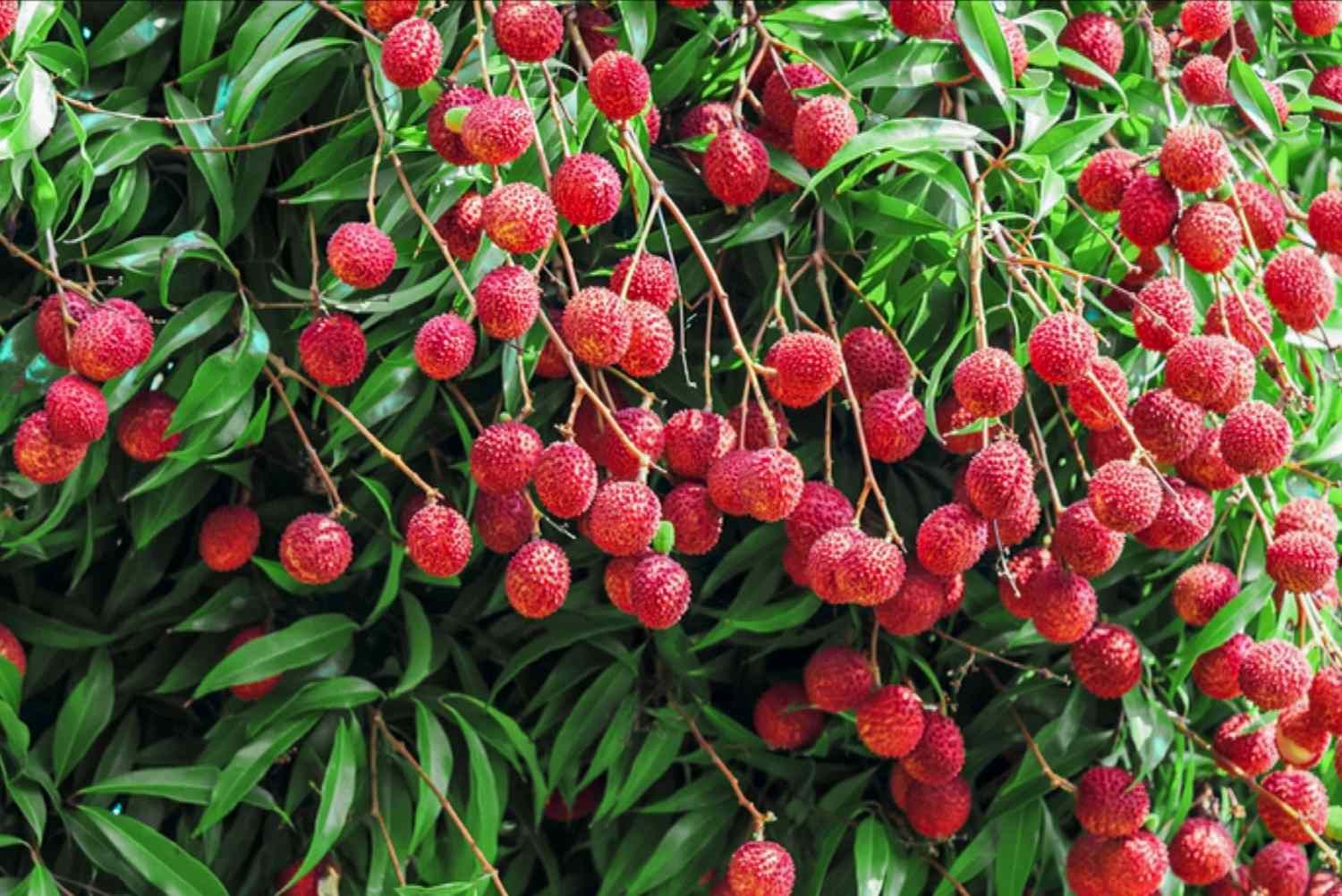
The Litchi tree belongs to the Sapindaceae family, which includes other tropical fruits such as longan and rambutan. It typically grows between 10 to 20 meters in height and develops a dense, rounded canopy that provides significant shade.
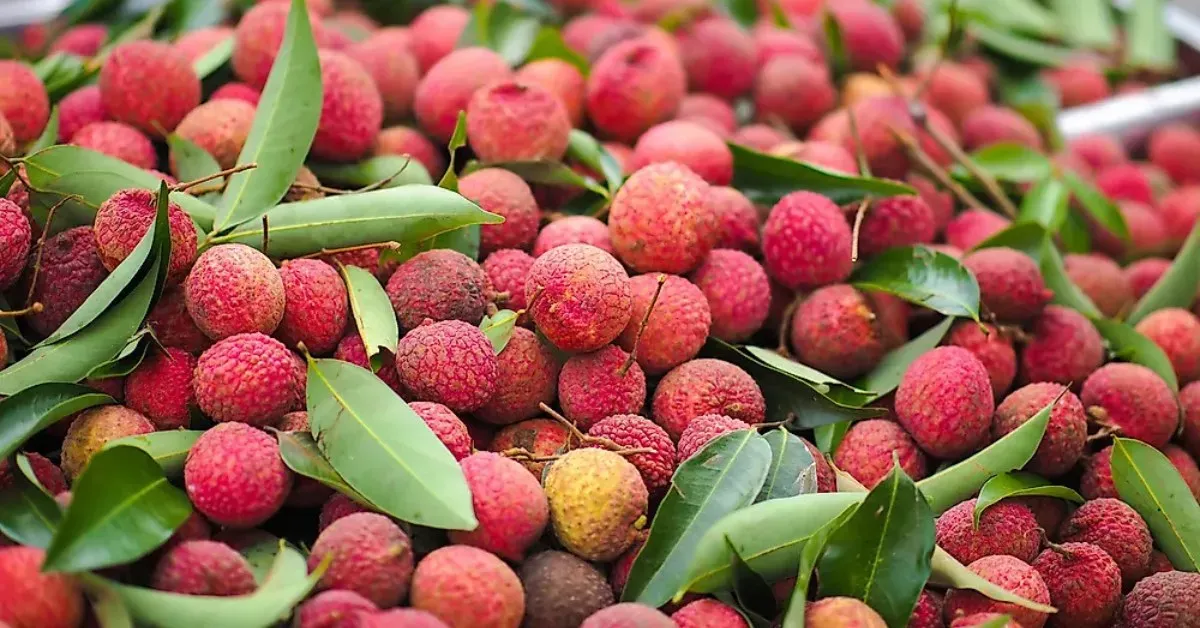
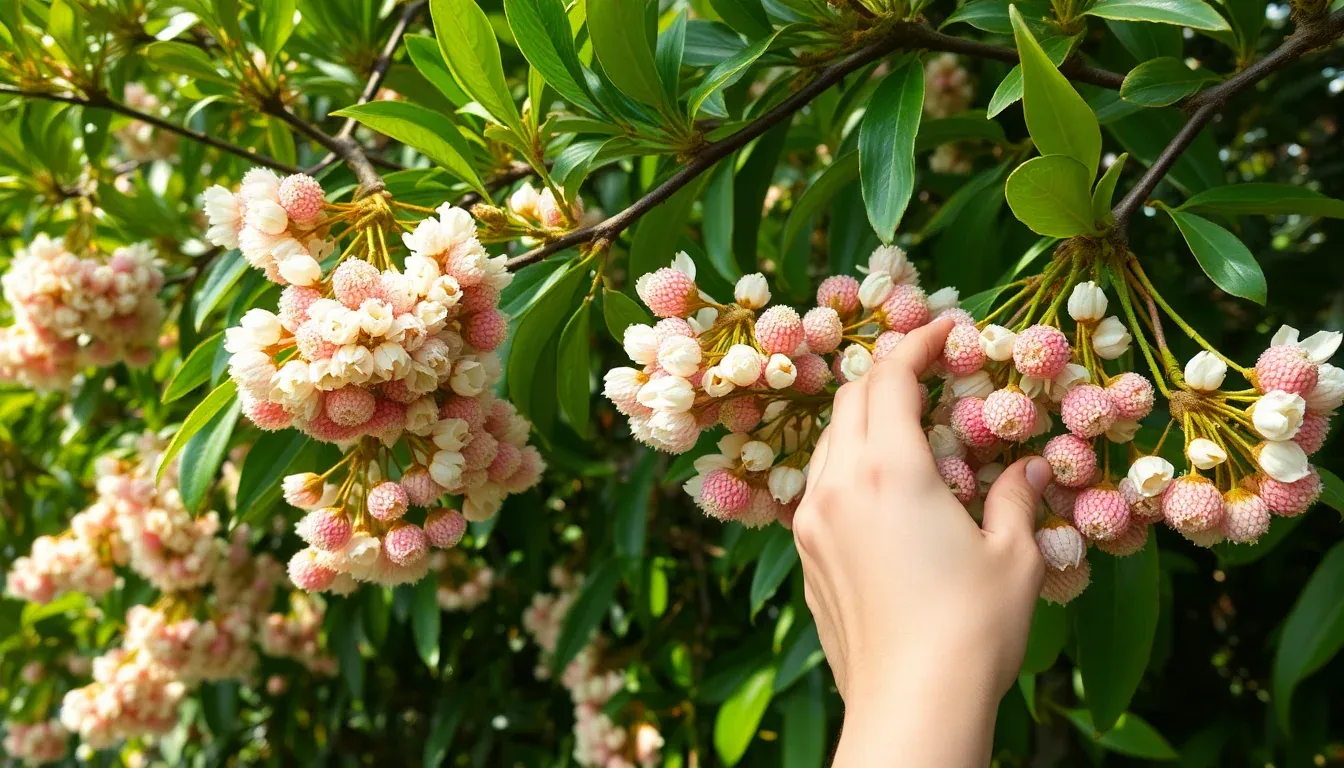
Its leaves are glossy and dark green, creating a visually rich canopy throughout the year. During the flowering season, the tree produces clusters of small flowers that later develop into fruit bunches. The fruit itself is easily recognizable, with a rough red outer skin and translucent white pulp that surrounds a single seed.
Plant profiles such as the CABI datasheet for Litchi chinensis explain that the tree requires specific climatic conditions, including a period of cooler temperatures to induce flowering followed by warm conditions for fruit development. This delicate balance makes the Litchi tree both rewarding and sensitive to environmental changes.
Nutritional Importance of Litchi Fruit
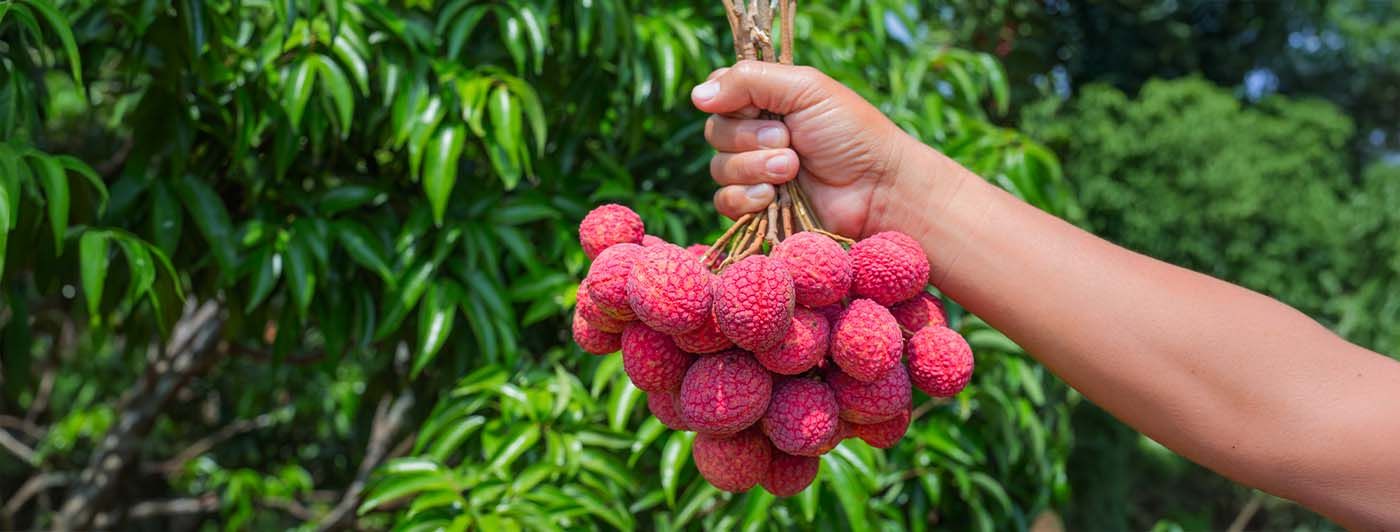
The popularity of litchi is largely driven by its taste, but its nutritional profile adds to its significance.
Litchi fruit is rich in vitamin C, antioxidants, and essential minerals, making it an important seasonal source of nutrition. Its high vitamin C content supports immune function, while its antioxidant compounds help reduce oxidative stress in the body.
Scientific studies referenced in the National Center for Biotechnology Information (NCBI) research on Litchi fruit composition highlight the presence of bioactive compounds such as flavonoids and polyphenols, which contribute to its health benefits.
Because it is consumed during peak summer months, litchi also plays a role in hydration and seasonal dietary balance, especially in regions with high temperatures.
Ecological Role of the Litchi Tree
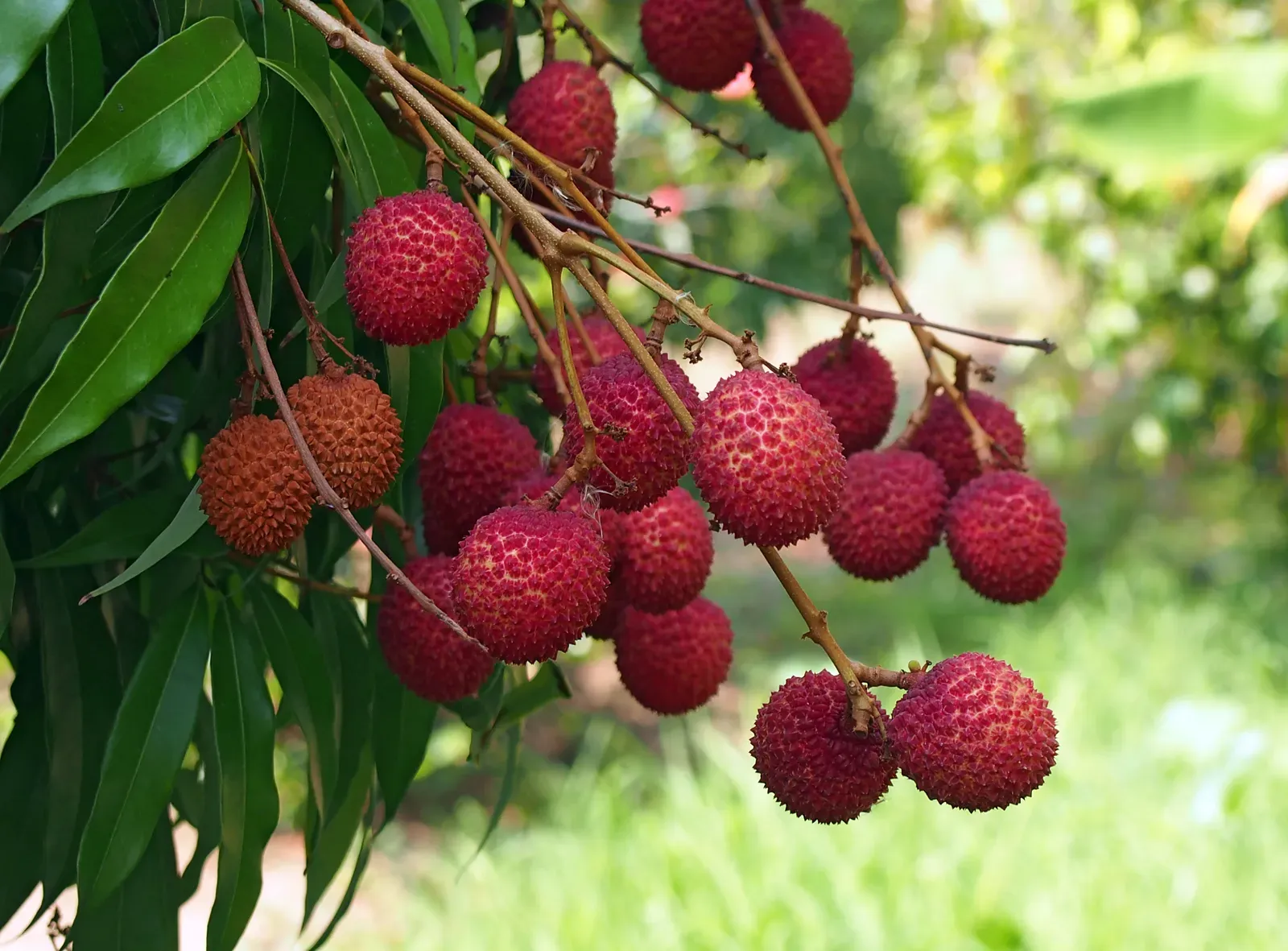
While the Litchi tree is primarily cultivated for its fruit, it also contributes to ecological systems in meaningful ways.
Pollination and Biodiversity
The flowering phase of the Litchi tree attracts bees and other pollinators, which are essential for fruit production. Pollination directly affects yield and fruit quality, making it a critical component of litchi cultivation.
Agricultural insights from the Food and Agriculture Organization resources on fruit tree systems explain that pollinator activity is closely linked to productivity in fruit-bearing trees.
In addition to supporting pollinators, the tree contributes to local biodiversity by creating microhabitats within its canopy.
Microclimate Regulation
The dense canopy of the Litchi tree helps regulate local microclimates by providing shade and reducing soil moisture loss.
In agricultural landscapes, this contributes to:
• improved soil conditions • reduced evaporation • better crop resilience
Research by World Agroforestry (ICRAF) highlights how integrating trees into farming systems improves both environmental stability and long-term productivity.
Litchi in Agroforestry and Farming Systems
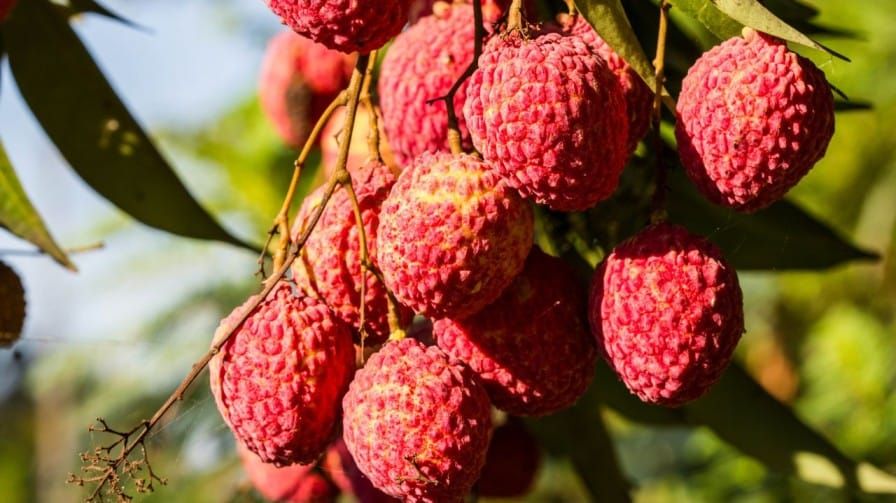
The Litchi tree is an important component of agroforestry systems, where trees are integrated with crops to create more sustainable and productive landscapes.
In such systems, litchi trees provide multiple benefits:
• additional income for farmers • diversification of crops • improved soil health • reduced dependency on single crops
Studies discussed in the Food and Agriculture Organization resources on agroforestry systems show that fruit trees play a key role in improving farm resilience and economic stability.
This makes the Litchi tree particularly valuable in regions where farmers rely on seasonal crops and need diversified income sources.
Cultivation Requirements of the Litchi Tree
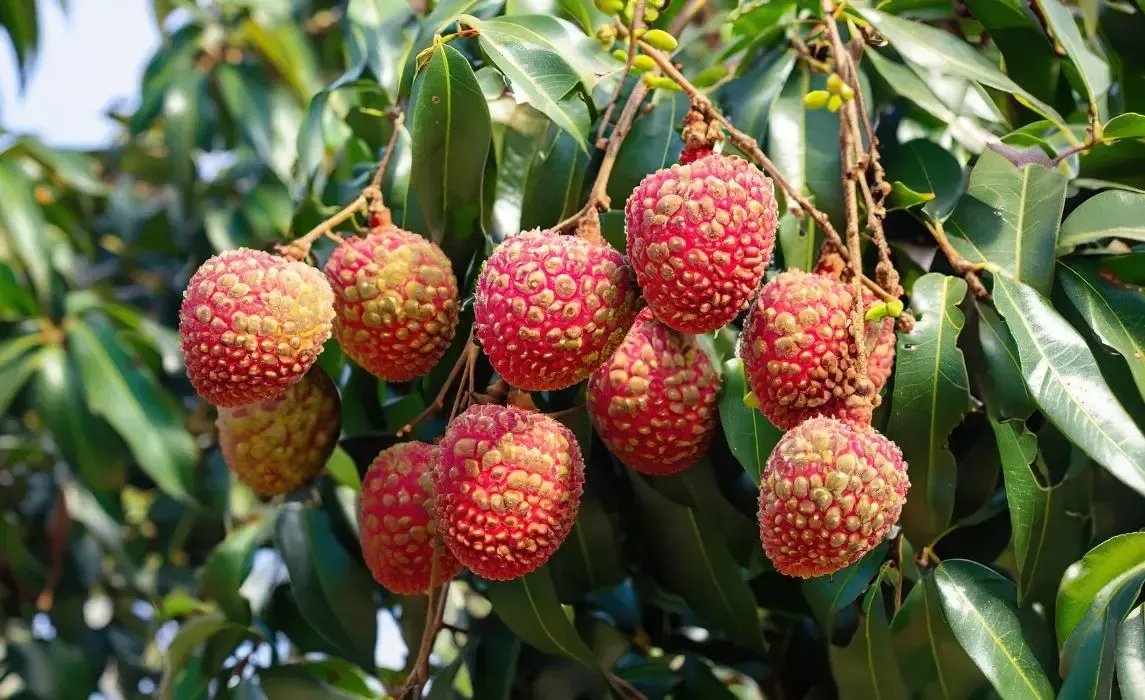
Growing a Litchi tree successfully requires careful attention to environmental conditions.
The tree grows best in tropical and subtropical climates with moderate humidity and well-drained soil. One of the most critical factors is the requirement for seasonal temperature variation.
Cool temperatures during winter help induce flowering, while warm temperatures during spring and summer support fruit development. This dependency on seasonal patterns makes litchi cultivation sensitive to climate change and unpredictable weather conditions.
According to the Food and Agriculture Organization guidelines on fruit cultivation, maintaining proper irrigation and soil conditions is also essential for achieving high-quality fruit production.
Economic Importance of Litchi
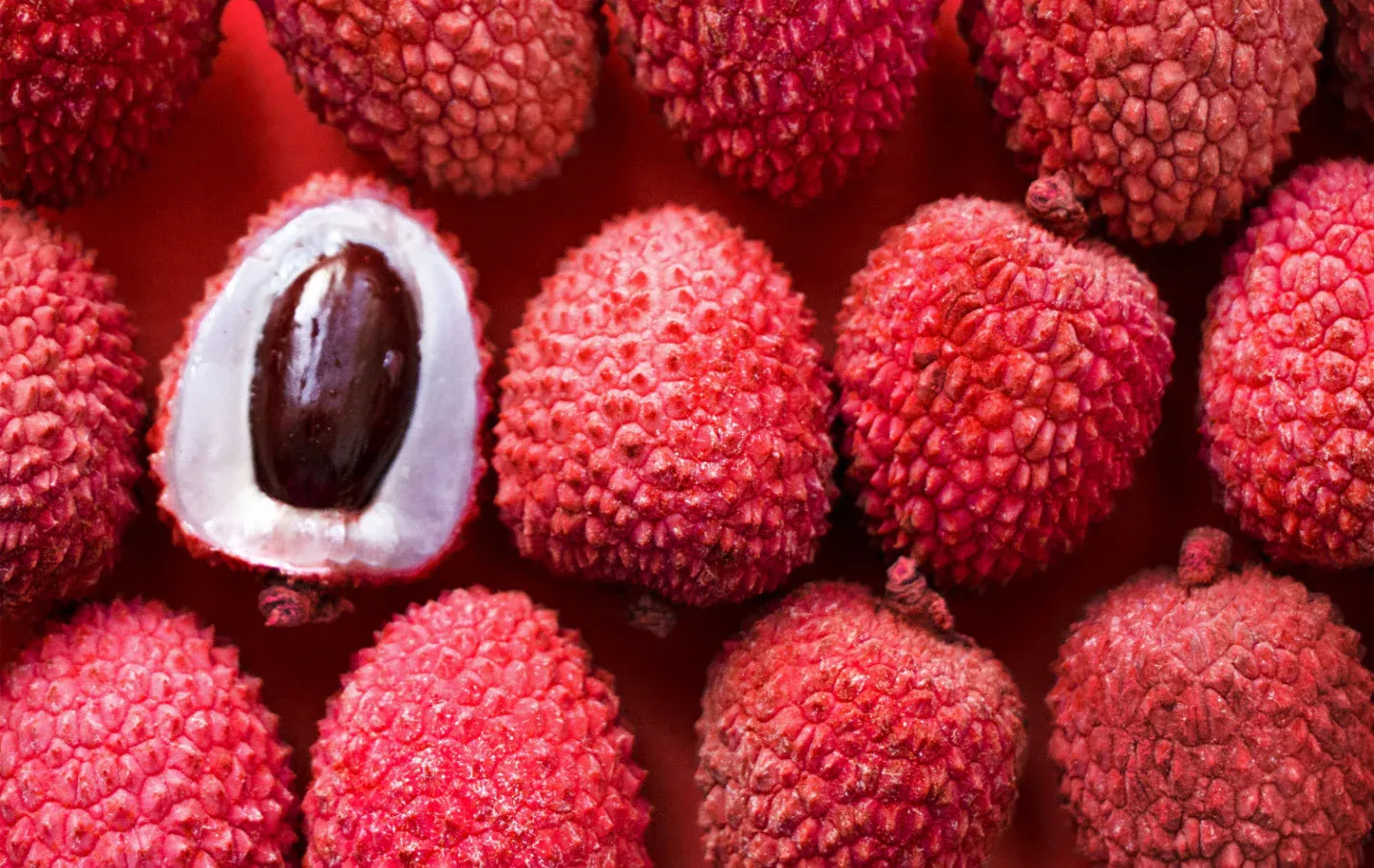
The Litchi tree plays a significant role in rural economies, particularly in India.
Regions like Bihar have built entire agricultural economies around litchi production, with the fruit contributing to both domestic markets and exports.
The economic value of litchi extends beyond farmers to include:
• supply chains • local markets • processing industries • export businesses
Insights from the Food and Agriculture Organization highlight how fruit-based systems can enhance income stability and reduce agricultural risk.
Challenges in Litchi Cultivation
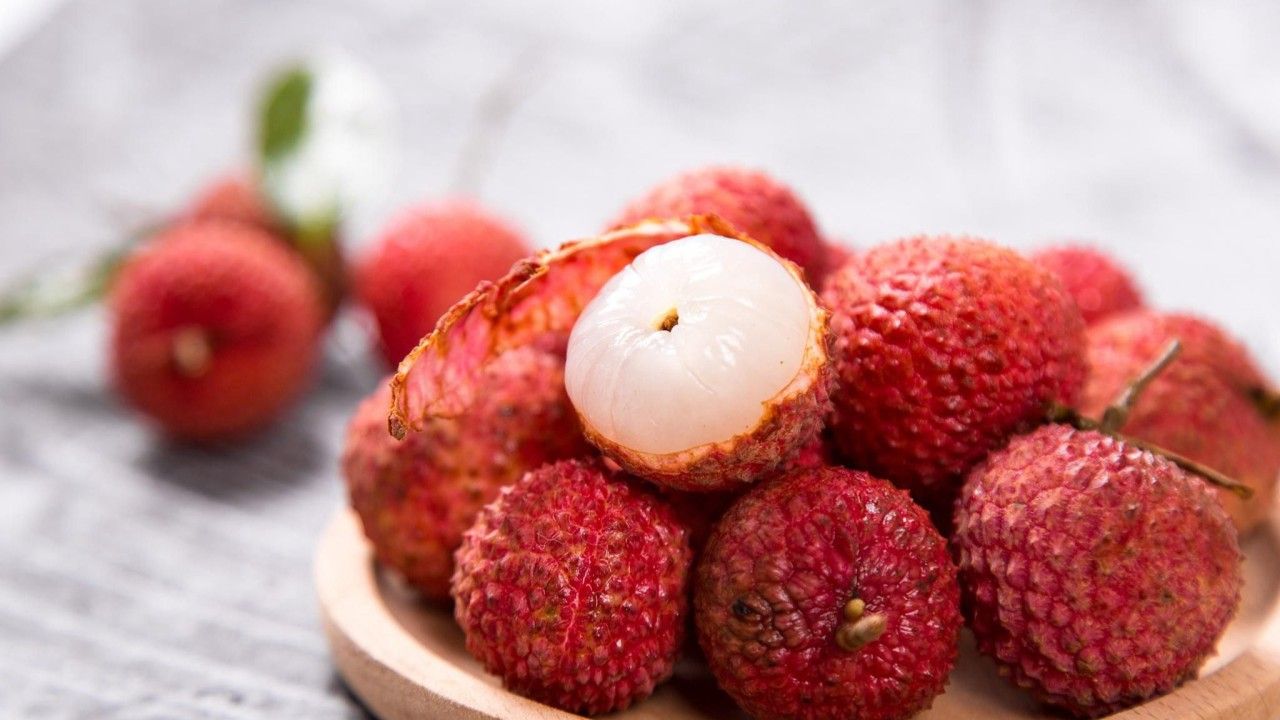
Despite its benefits, the Litchi tree presents several challenges.
One of the most significant issues is its climate sensitivity. Even small variations in temperature, rainfall, or humidity can affect flowering and fruiting.
Pest and disease management is another concern. Like many fruit crops, litchi trees require monitoring and care to maintain productivity.
Water management is equally important. Both excessive and insufficient watering can impact fruit quality, making irrigation practices critical.
These challenges highlight the need for careful planning and management in litchi cultivation.
Why the Litchi Tree Matters Today
In the context of changing food systems and climate challenges, the Litchi tree represents more than just a seasonal fruit.
It contributes to:
• nutrition and dietary diversity • sustainable farming systems • pollinator support • rural livelihoods
Global discussions on sustainable agriculture, such as those highlighted in the UN Environment Programme work on ecosystems and food systems, emphasize the importance of integrating trees into food systems to improve resilience and sustainability.
A Tree That Connects Systems
The Litchi tree is a powerful example of how a single species can connect multiple systems.
It supports farmers economically, contributes to ecological processes, and provides nutritional value to consumers.
As agriculture continues to evolve, trees like litchi will play an increasingly important role in shaping landscapes that are both productive and sustainable.
Sometimes, the most valuable trees are not just those that grow — but those that connect.
FAQs
1. What is the Litchi tree?
The Litchi tree (Litchi chinensis) is a tropical evergreen fruit tree known for its sweet, aromatic litchi fruits. It is widely grown in warm regions and is especially popular in India during the summer season.
2. Where does the Litchi tree grow best?
Litchi trees grow best in tropical and subtropical climates with moderate humidity and well-drained soil. They require a balance of cool winters and warm summers for proper flowering and fruiting.
3. What are the health benefits of litchi fruit?
Litchi fruit is rich in vitamin C, antioxidants, and essential nutrients that support immunity and overall health. It also helps with hydration due to its high water content, making it ideal for summer consumption.
4. When does the Litchi tree bear fruit?
Litchi trees usually bear fruit during late spring to early summer, typically between May and June in India. The exact timing depends on regional climate and growing conditions.
5. How long does a Litchi tree take to grow?
A Litchi tree generally takes around 5–10 years to start producing fruit. Growth and fruiting depend on factors such as climate, soil quality, and proper care.
6. Is Litchi farming profitable?
Yes, litchi farming can be profitable due to strong seasonal demand and high market value. Regions known for quality produce often benefit from both domestic sales and export opportunities.
7. Does the Litchi tree support biodiversity?
Yes, Litchi trees support pollinators like bees during their flowering phase, which is essential for fruit production. They also contribute to agroforestry systems by improving ecological balance.
8. Can Litchi trees be grown at home?
Yes, Litchi trees can be grown in home gardens if the climate is suitable and enough space is available. However, they require patience and proper care to grow and produce fruit.
9. What are the challenges in growing Litchi?
Litchi trees are sensitive to climate changes, unseasonal rains, and pests. Maintaining proper irrigation and temperature conditions is important for consistent fruit production.
10. How tall does a Litchi tree grow?
A mature Litchi tree can grow up to 10–20 meters tall and develop a dense canopy. This makes it suitable for orchards but requires adequate space when planted.