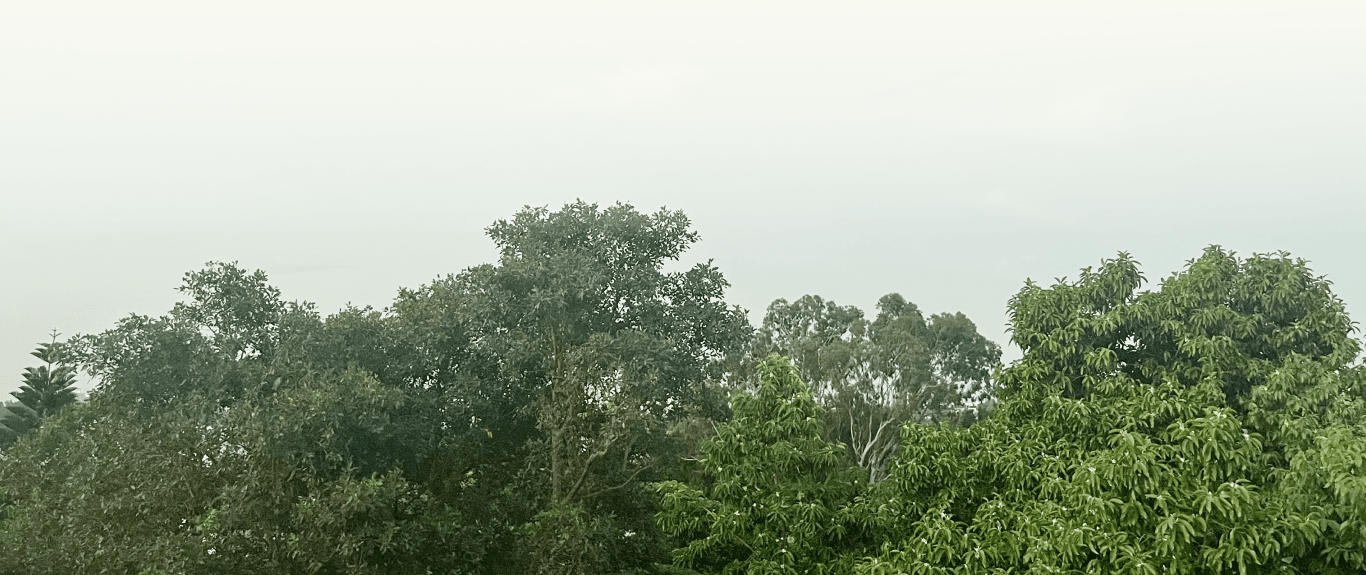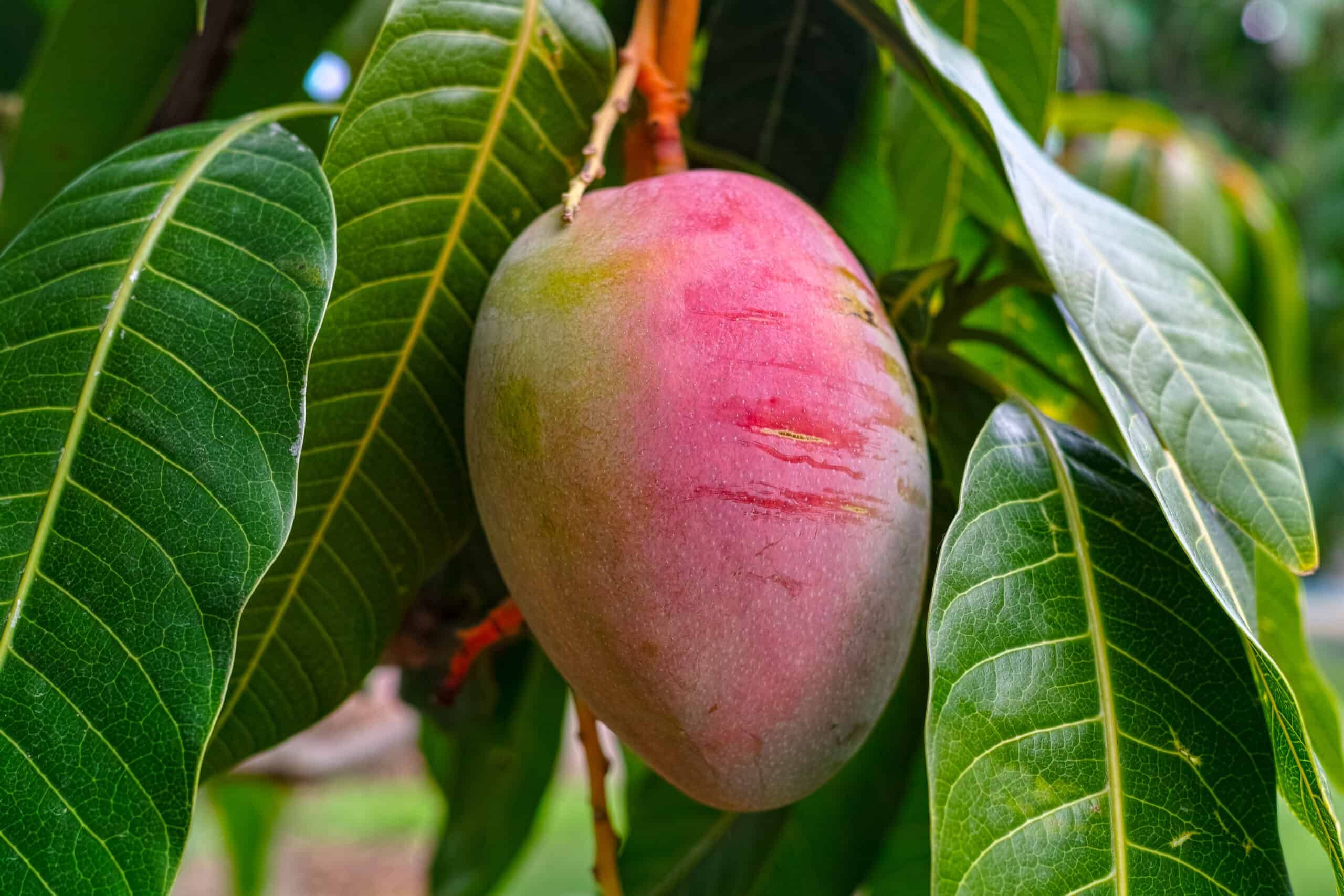
The mango tree (Mangifera indica) is one of the most loved and culturally important trees in India. For many people, mango is not just a fruit. It is connected to summer, food memories, farms, festivals, shade, and household traditions.
But the mango tree is important for more than the fruit it produces. It supports pollinators, provides shade, contributes to biodiversity, creates livelihoods, and strengthens agricultural landscapes. As explained in the Encyclopaedia Britannica overview of mango (Mangifera indica), mango is one of the most important tropical fruit trees and has deep origins in South Asia.
For organizations like CATCH Foundation, the mango tree is useful to understand as a landscape species. When planted in the right place and maintained properly, it can support long-term green cover, community value, and ecological resilience.
What Is the Mango Tree?
The mango tree belongs to the Anacardiaceae family, which also includes cashew and pistachio. It is a large evergreen tree with dense foliage and a broad canopy. Mature mango trees can live for decades and often become important landmarks in farms, villages, campuses, and community spaces.
According to the CABI datasheet for Mangifera indica, mango is widely cultivated across tropical and subtropical regions and has major agricultural and economic importance. The tree produces small flowers in clusters, which later develop into fruits depending on pollination, variety, and climate conditions.
Mango trees grow best in warm climates with good sunlight, well-drained soil, and protection from frost or waterlogging. This makes them suitable for orchards, farm boundaries, community spaces, and larger home gardens.
Cultural Importance of Mango in India
Few trees are as deeply connected to Indian life as the mango tree. Mango leaves are commonly used in festivals, weddings, household rituals, and religious ceremonies. They are often tied at entrances as symbols of prosperity and auspiciousness.
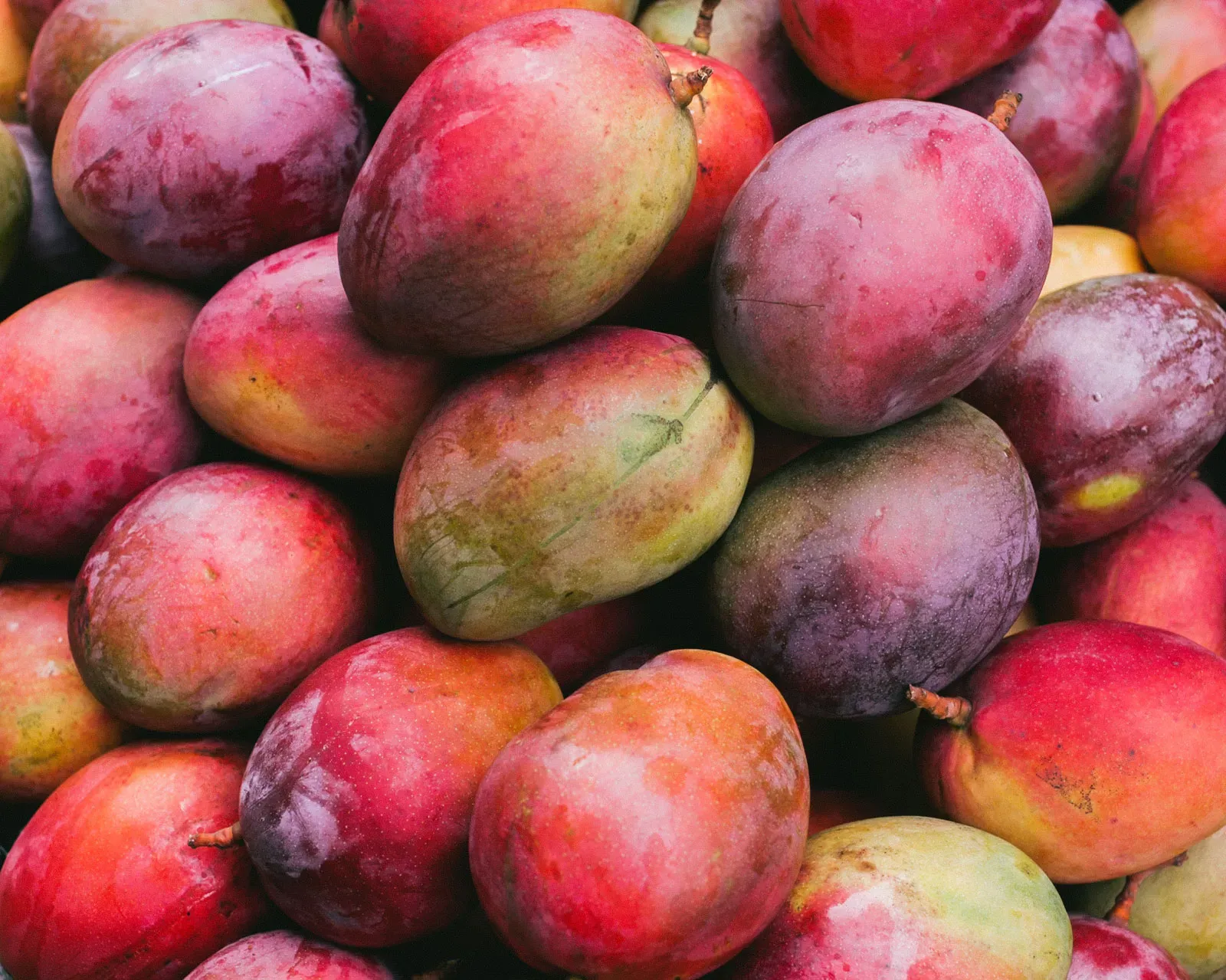
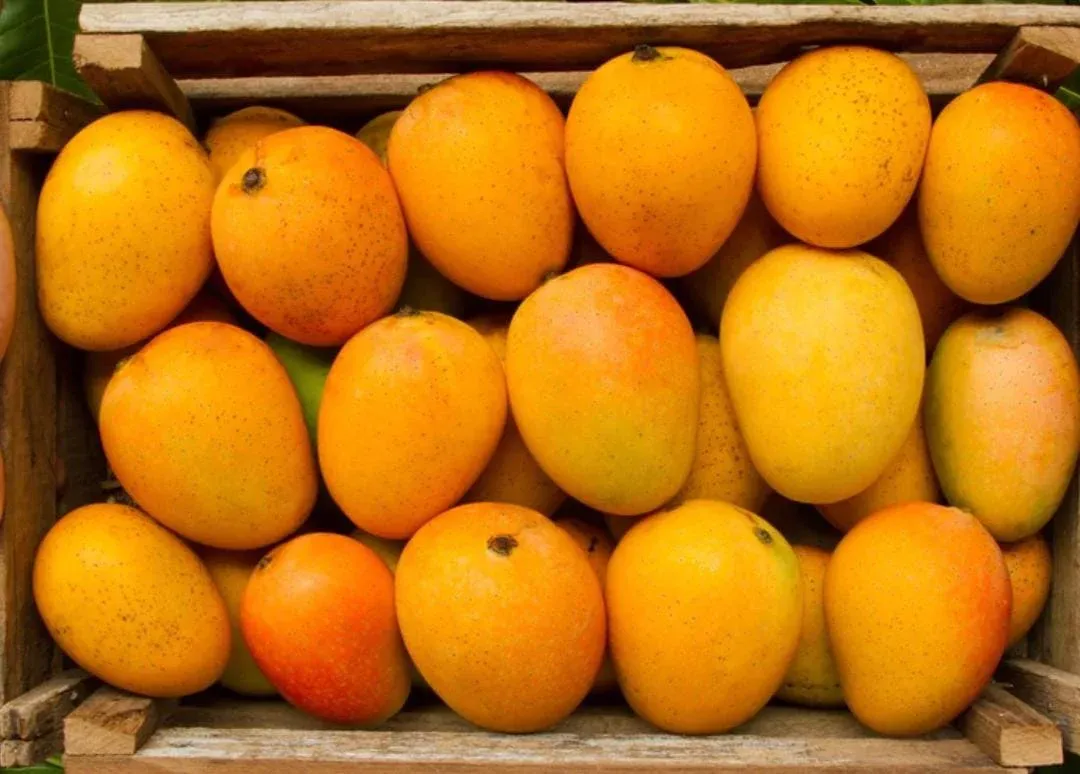
The fruit itself is celebrated as the “king of fruits” in India. Varieties such as Alphonso, Kesar, Dasheri, Langra, Totapuri, and Banganapalli reflect India’s rich agricultural diversity. This cultural connection makes mango different from many other tree species. People already understand its value, which makes it easier to include in community plantation conversations.
Ecological Importance of Mango Trees
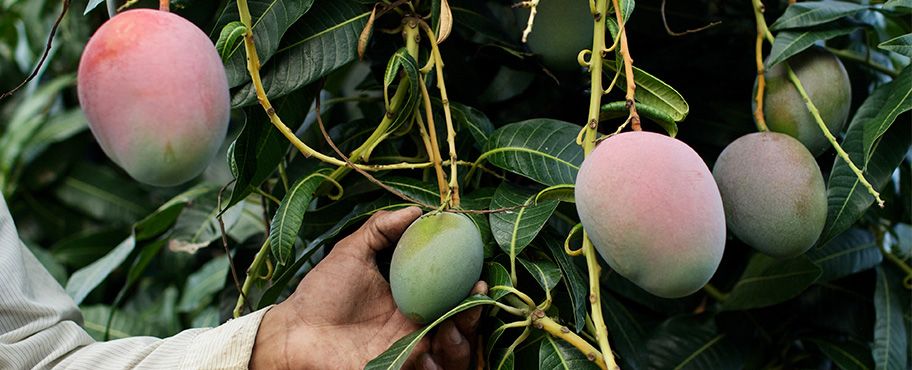
Mango trees contribute to local ecosystems in several ways. Their large canopy provides shade, reduces direct heat exposure, and creates cooler microclimates beneath the tree. In hot regions, this shade improves comfort and makes outdoor spaces more usable.
Mango flowers also attract pollinators such as bees, flies, wasps, and other insects. Research on pollination services of mango flower pollinators shows that insect pollinators play an important role in mango fruit production. This highlights the connection between biodiversity and food systems.
Beyond pollination, mango trees provide shelter and feeding spaces for birds, insects, and small animals. Their dense canopy can support local biodiversity, especially in areas where green cover is limited.
Mango Tree and Urban Green Cover
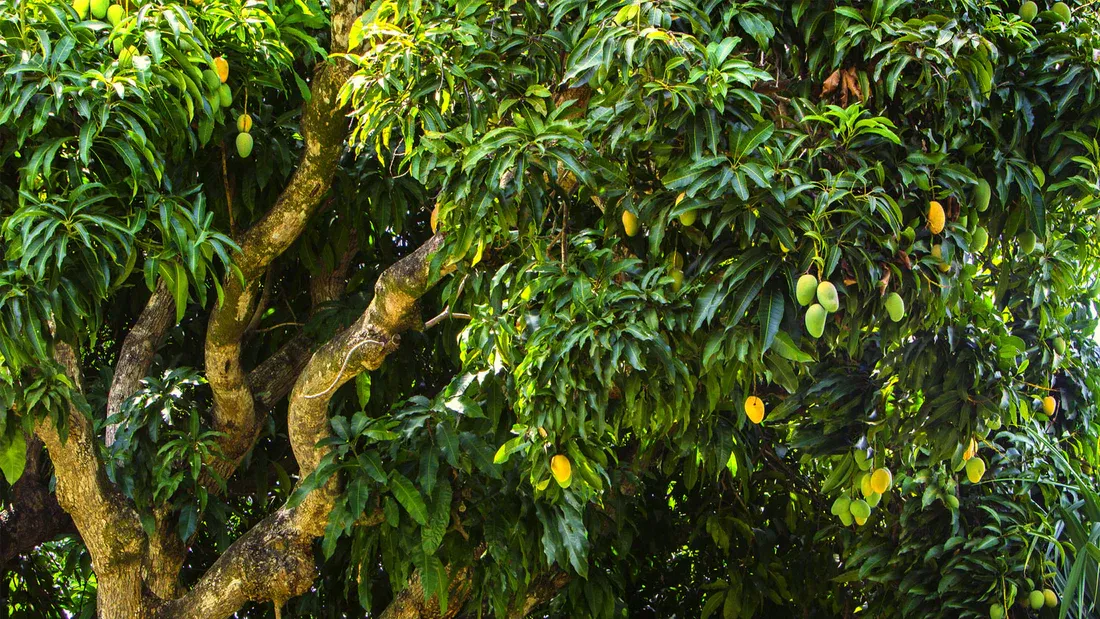
Mango trees can contribute to urban green cover, but they need thoughtful placement. A mature mango tree requires space to grow, and fruiting trees need maintenance to manage fallen fruits, pests, and canopy spread.
Mango trees are suitable for:
- school campuses
- institutional landscapes
- community parks
- village commons
- farm boundaries
- larger residential plots
They may not be ideal for narrow roadsides, traffic medians, or very cramped urban spaces. This is important because every tree has a right context. Mango is valuable, but it should be planted where it can thrive without creating maintenance issues.
Economic and Livelihood Value of Mango
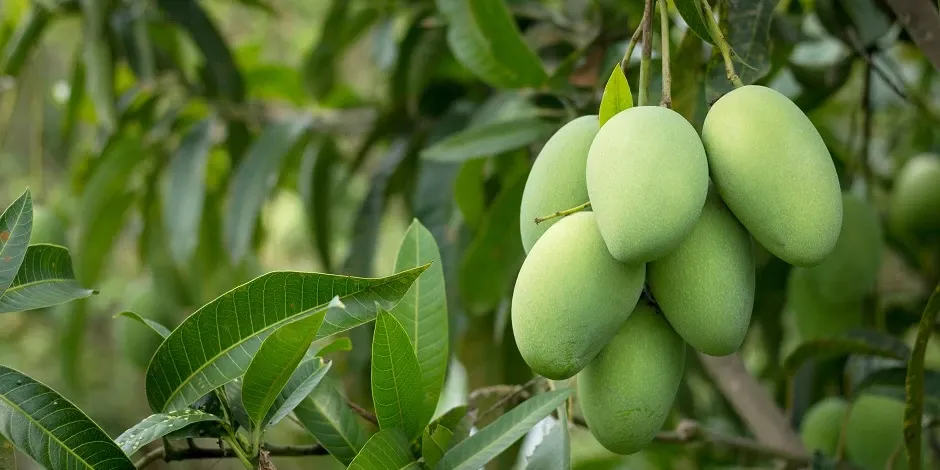
Mango has major economic importance in India. It supports farmers, traders, transporters, nurseries, processing units, exporters, and local markets. The fruit is consumed fresh and also used in pulp, pickles, juices, dried mango, chutneys, and desserts.
Indian agricultural research has also focused strongly on mango improvement, orchard health, pest management, and post-harvest practices. Work by institutions such as ICAR’s Central Institute for Subtropical Horticulture highlights the importance of mango in horticulture and farmer livelihoods.
For farming communities, a mango tree is a long-term asset. Once established, it can produce fruit for many years with proper care. This makes it valuable not only as a food source, but also as a livelihood resource.
Mango Tree in Agroforestry and Mixed Farming
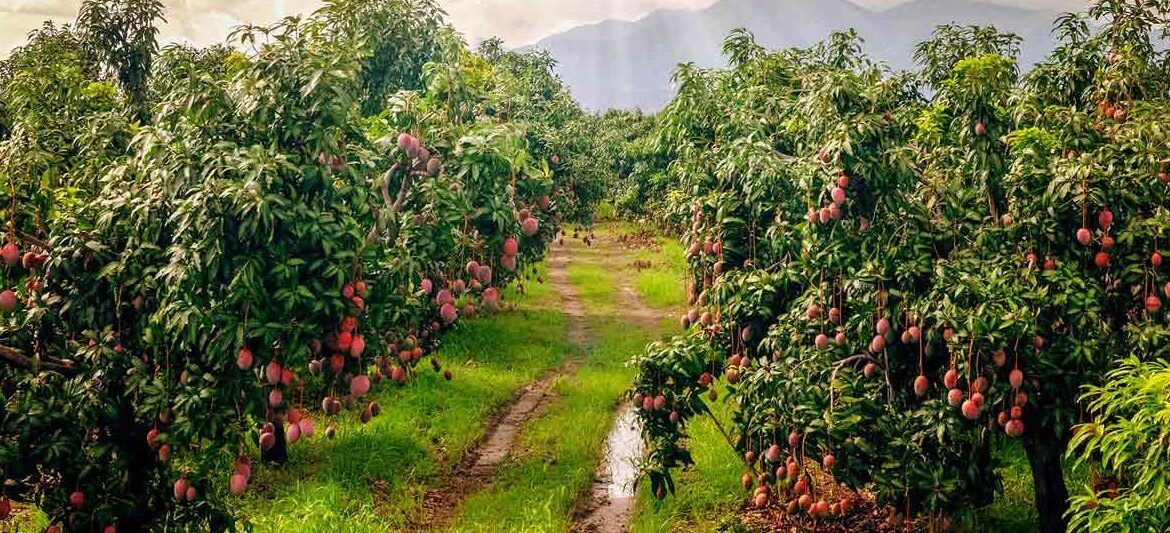
Mango trees can be part of mixed farming and agroforestry systems. In these systems, trees are integrated with crops, livestock, or other productive species to create more resilient landscapes.
The role of trees in farming systems is emphasized by World Agroforestry (ICRAF), which highlights how tree-based landscapes can improve resilience, productivity, and livelihood security.
Mango trees can be planted along farm boundaries, in orchards, or as part of diversified fruit systems. However, they need careful planning because their canopy may shade nearby crops. Proper spacing, pruning, and irrigation are important for long-term productivity.
Nutritional Value of Mango Fruit
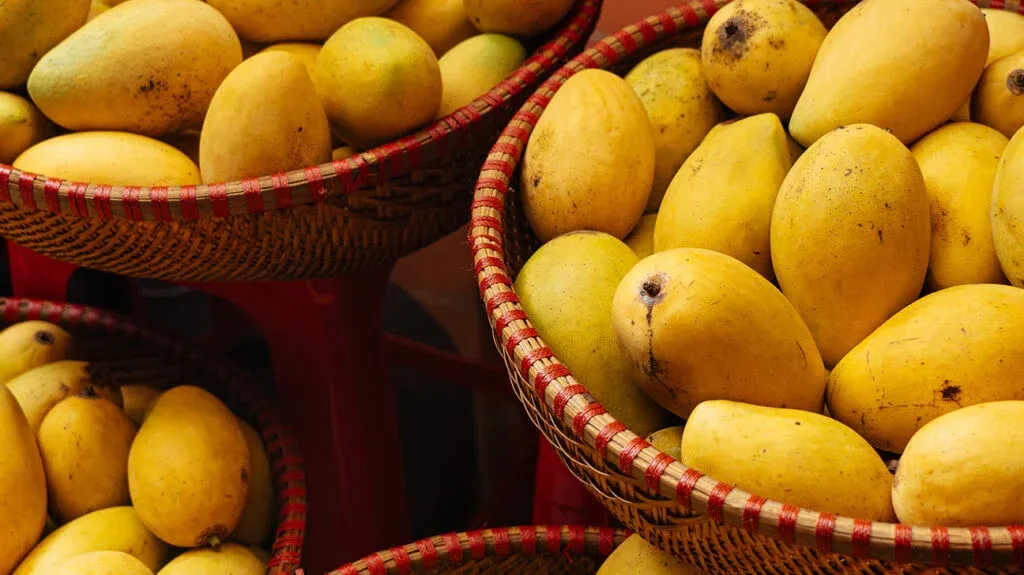
Mango fruit is valued not only for taste but also for nutrition. It contains vitamins, minerals, dietary fiber, and natural sugars. Britannica’s overview of mango (Mangifera indica) notes that mangoes are a source of vitamins A, C, and D.
Raw mango is used in pickles, chutneys, drinks, and spices, while ripe mango is eaten fresh or processed into pulp and desserts. This makes mango one of the most versatile fruits in Indian food culture.
Challenges in Mango Cultivation
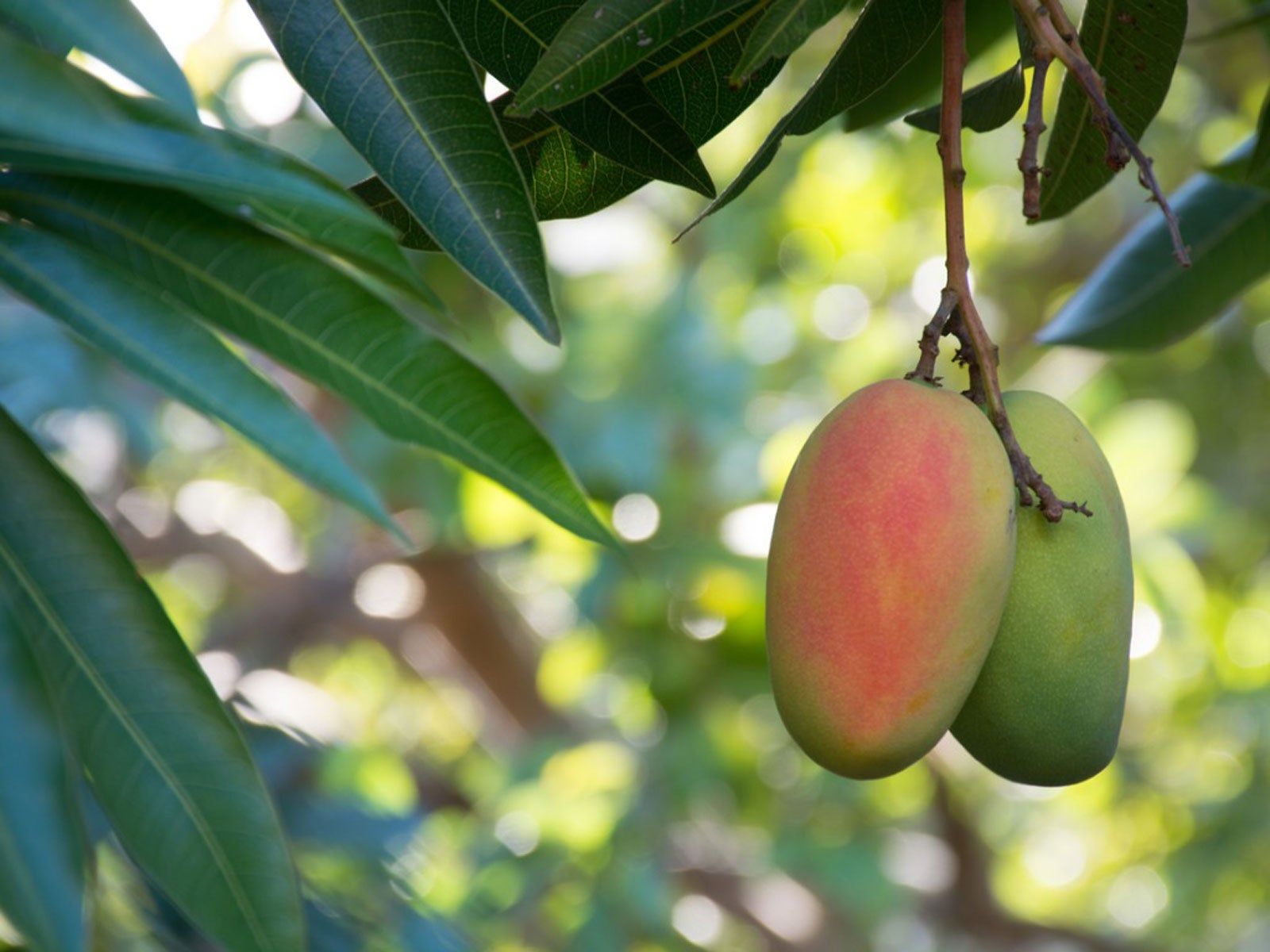
Despite its benefits, mango cultivation comes with challenges. The tree is sensitive during flowering and fruiting. Unseasonal rain, extreme heat, pests, and diseases can affect yield and fruit quality.
Common problems include irregular flowering, fruit drop, fungal diseases, mango hoppers, mealybugs, and post-harvest losses. Climate change is also increasing uncertainty by affecting rainfall patterns, heat stress, and pest cycles.
This is why mango planting should not be treated casually. It requires suitable site selection, long-term care, and proper management.
Why Mango Trees Matter for Sustainable Landscapes
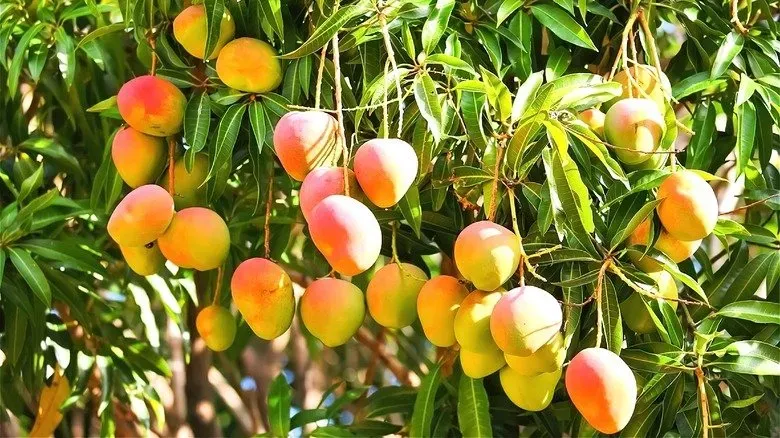
The mango tree is a multifunctional tree. It provides fruit, shade, biodiversity support, cultural value, and economic opportunity. It can be part of farms, gardens, campuses, orchards, and community landscapes.
For CATCH Foundation, mango is a strong species to discuss because it brings together ecological restoration, community benefit, and long-term green cover. But it should be planted thoughtfully, not everywhere.
The value of a mango tree is not only in the fruit it gives. It is also in the shade it creates, the pollinators it supports, the farmers it sustains, and the cultural memory it carries.
Conclusion
The mango tree is one of India’s most meaningful landscape species. It supports livelihoods, improves biodiversity, provides shade, and remains deeply connected to everyday life.
When planted in the right place and cared for properly, the mango tree becomes more than a fruit tree. It becomes a long-term ecological and community asset.
FAQs
1. What is the mango tree?
The mango tree (Mangifera indica) is a tropical evergreen fruit tree known for producing mangoes. It is widely grown in India and valued for fruit, shade, culture, and biodiversity.
2. Why is the mango tree important in India?
The mango tree is important because it supports food culture, farmer livelihoods, rituals, biodiversity, and seasonal fruit markets.
3. Does the mango tree support biodiversity?
Yes, mango trees attract pollinators during flowering and provide habitat for birds, insects, and small animals.
4. Where do mango trees grow best?
Mango trees grow best in warm tropical and subtropical climates with good sunlight, well-drained soil, and protection from frost.
5. Are mango trees good for urban planting?
Mango trees are suitable for parks, campuses, community spaces, and large plots, but not for cramped roadsides or narrow medians.
6. What are the benefits of mango trees?
Mango trees provide fruit, shade, pollinator support, cultural value, farmer income, and long-term green cover.
7. Can mango trees be used in agroforestry?
Yes, mango trees can be used in agroforestry and mixed farming systems when spacing, pruning, and crop combinations are planned properly.
8. What are common problems in mango cultivation?
Common problems include pests, fungal diseases, irregular flowering, fruit drop, and climate-related stress.