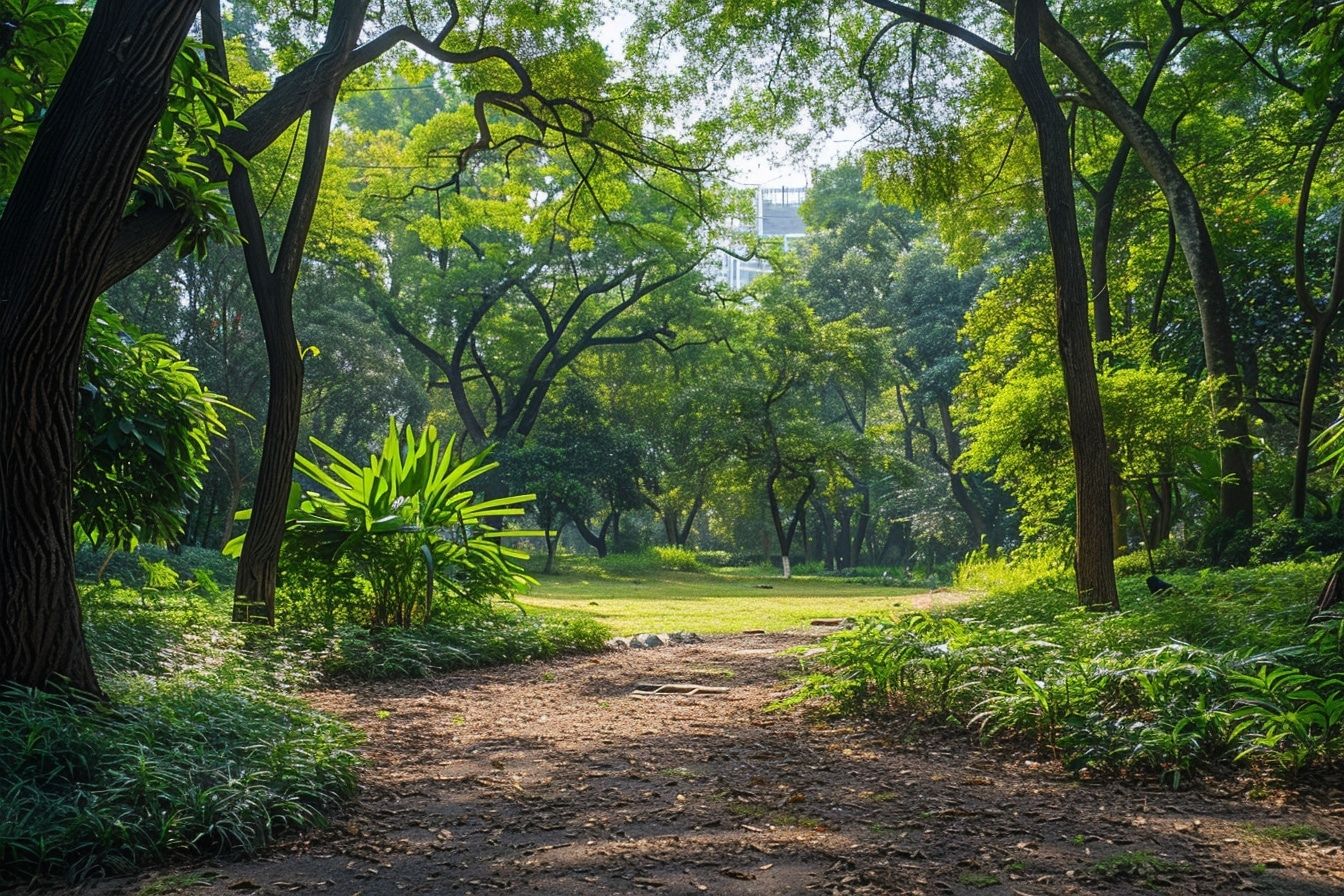
As Indian cities grow denser, hotter, and more polluted, the idea of forests being only “rural” landscapes no longer holds. Urban India needs forests just as urgently as villages do—forests that cool neighbourhoods, clean the air, absorb rainwater, shelter biodiversity, and offer citizens space to breathe. This is the thinking behind Nagar Van Yojana, India’s national programme to create and strengthen urban forests and city green spaces.
Launched by the Government of India in 2020, Nagar Van Yojana marks a significant shift in how urban development and ecology intersect. Instead of treating green spaces as decorative add-ons, the scheme recognises them as essential urban infrastructure—as important as roads, drains, or water supply systems.
What Is Nagar Van Yojana?
Nagar Van Yojana (NVY) is a centrally supported scheme under the Ministry of Environment, Forest and Climate Change, implemented through State Forest Departments with active involvement of Urban Local Bodies (ULBs). The scheme aims to develop Nagar Vans (city forests) and Nagar Vatikas (urban green parks) in cities and peri-urban areas across India.
The core idea is simple yet powerful: every city should have a forest-like green space that is accessible to people, ecologically functional, and resilient to climate stress. These spaces are designed not just for recreation, but for long-term environmental services such as temperature regulation, air purification, groundwater recharge, and biodiversity support.
Why Nagar Van Yojana Was Needed
Urbanisation in India has been rapid and often unplanned. As cities expanded, natural landscapes were replaced with concrete, leading to a range of interconnected problems—urban heat islands, declining air quality, waterlogging during monsoons, groundwater depletion, and the disappearance of native flora and fauna.
Traditional urban parks, while valuable, often focus more on landscaping than ecology. They rely heavily on exotic plant species, manicured lawns, and high water inputs, offering limited climate or biodiversity benefits.
Nagar Van Yojana was introduced to bridge this gap. It brings forest science into cities, promoting native species, layered vegetation, and natural regeneration processes. In doing so, it aligns urban greening with India’s broader environmental and climate commitments.
The Vision Behind Nagar Van Yojana
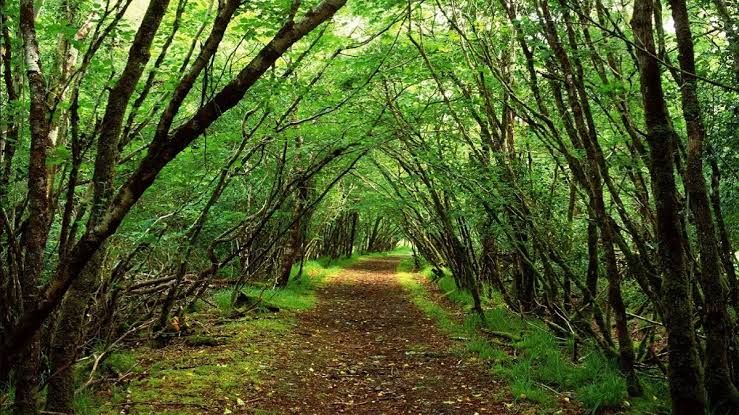
The vision of Nagar Van Yojana is to create clean, green, healthy, and climate-resilient cities by integrating forests into urban planning. These city forests are intended to serve multiple roles at once: ecological buffers, recreational spaces, educational sites, and community assets.
Unlike short-term beautification drives, Nagar Van Yojana is built around long-term stewardship. The emphasis is on developing green spaces that mature over decades, grow richer in biodiversity over time, and become self-sustaining with minimal external inputs.
Targets and progress (official numbers)
Pilot/initial roll-out (2020–2024/25)
-
Aimed at 400 Nagar Vans + 200 Nagar Vatikas during 2020-21 to 2024-25 Press Information Bureau.
-
PIB stated total estimated cost ₹895 crore (2020-21 to 2024-25) from National CAMPA funds Press Information Bureau.
-
PIB also reported 173 projects sanctioned till 2021-22 across 26 States (with annexure table state-wise) Press Information Bureau.
Expanded ambition
-
PIB later states NVY envisages creation of 1000 Nagar Van/Nagar Vatika in cities with ULBs Press Information Bureau
-
Another PIB release (Sep 2024) says NVY aims to develop 1000 Nagar Vans by 2027, and mentions 111 Nagar Vans sanctioned against a 100-day target Press Information Bureau.
Nagar Van vs Nagar Vatika: Understanding the Difference
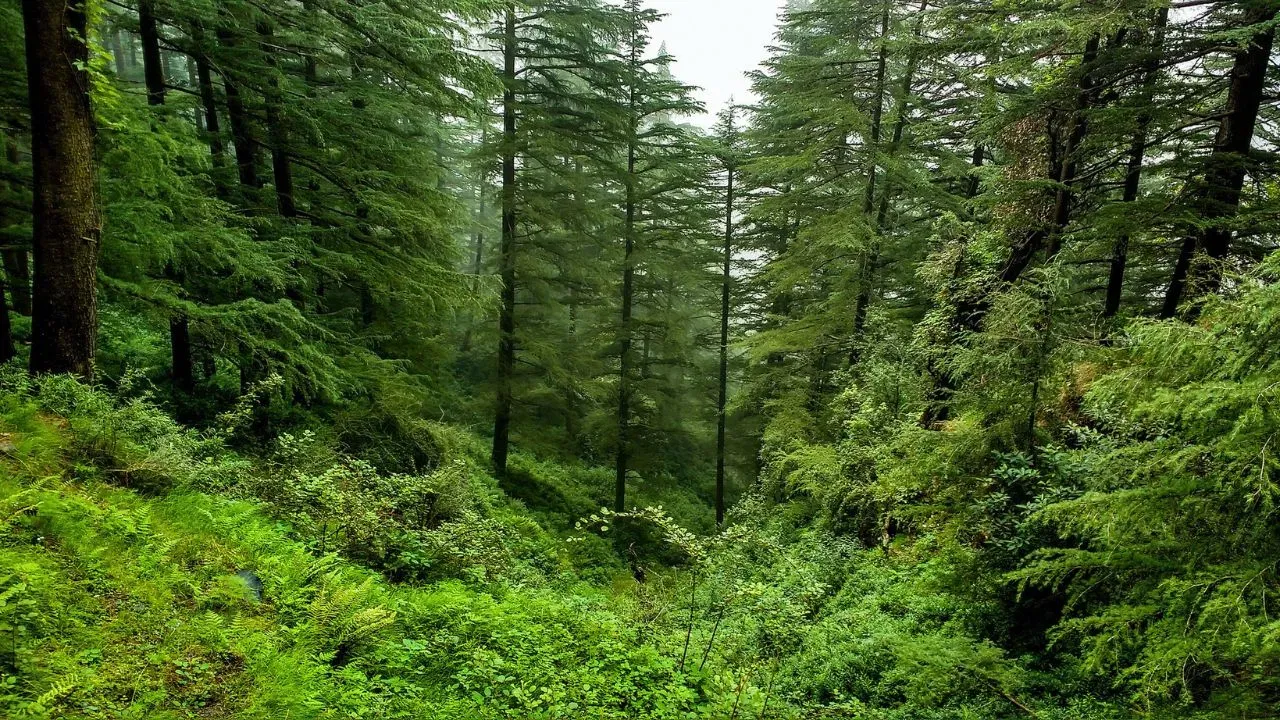
The scheme clearly distinguishes between two types of urban green spaces based on size and context.
A Nagar Van is a larger city forest, with a minimum area of 10 hectares, extendable up to 50 hectares for central financial assistance. These are typically located in peri-urban areas or on the outskirts of cities, within a reasonable distance from municipal limits.
A Nagar Vatika, on the other hand, is smaller in scale, ranging from 1 to 10 hectares. These are designed for dense urban areas where large land parcels are not available, allowing cities to create meaningful green spaces even in constrained environments.
In both cases, at least two-thirds of the area must be under tree cover or woodland, ensuring that the space functions ecologically rather than just aesthetically.
What Kind of Land Can Be Used
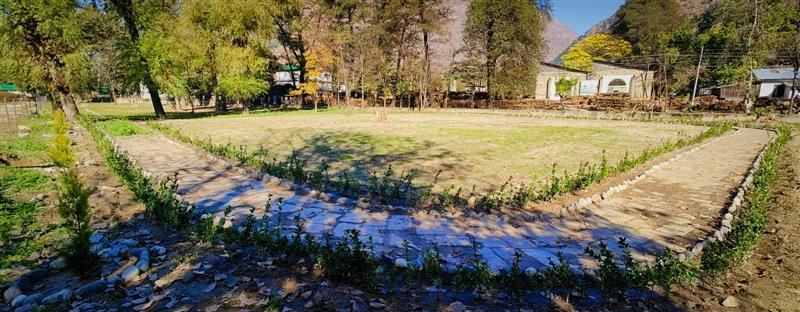
One of the strengths of Nagar Van Yojana is its flexibility in land use. The scheme allows development on:
- Degraded forest land,
- Vacant public land,
- Institutional land,
- Urban commons and buffer zones.
This ensures that cities do not need to acquire new land aggressively; instead, they can restore underused or degraded parcels into productive green spaces.
Activities and Features Supported Under Nagar Van Yojana
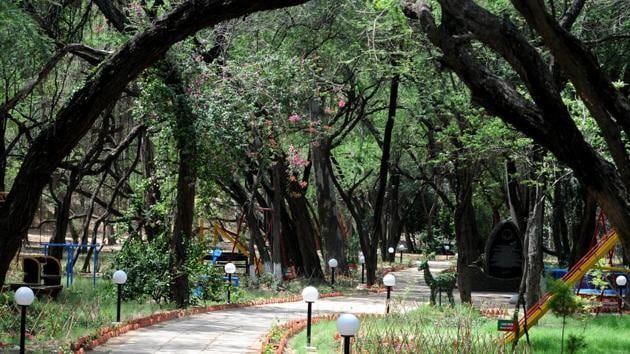
Nagar Van Yojana supports a wide range of activities aimed at both ecological restoration and public use. These include tree and shrub plantations using locally suitable native species, soil and moisture conservation works, fencing and protection measures, and irrigation or rainwater harvesting systems where required.
Public amenities such as walking trails, benches, interpretation signage, drinking water facilities, and basic conveniences are also permitted. Importantly, the scheme encourages nature education elements—information boards, biodiversity signage, and thematic plantations such as medicinal plant zones or memorial forests.
The objective is to ensure that citizens do not merely pass through these spaces, but learn from them and develop a relationship with nature.
Guidelines list the on-ground components that can be included in a Nagar Van/Vatika, such as:
- fencing
- woodlots / tree cover establishment & maintenance
- theme plantations (Smriti Van, Nakshatra/Rashi Van, etc.)
- biodiversity-oriented planting (ornamental, climbers, medicinal, flowering, fruit trees)
- irrigation / rainwater harvesting
-
public use elements: benches, walkways/footpaths, jogging & cycle tracks, drinking water, conveniences
-
information & education elements: kiosks, display boards, signage, brochures MoEFCC
Funding Pattern and Financial Support
Under Nagar Van Yojana, the central government provides financial assistance of ₹4 lakh per hectare, subject to a maximum of ₹2 crore for 50 hectares. This funding is typically used for core development activities such as plantation, protection, soil treatment, and basic infrastructure.
The funds are released to State Forest Departments and then transferred to the implementing agency. Payments are made in instalments, linked to physical progress and utilisation certificates, ensuring accountability.
Additional funding can be mobilised through state budgets, urban local bodies, and Corporate Social Responsibility (CSR) contributions, making the scheme particularly attractive for public-private partnerships.
The central assistance is structured as:
- ₹4 lakh per hectare, with a one-time development grant capped at ₹2 crore for 50 ha (balance cost to be met by implementing agency) MoEFCC
-
Financial assistance is provided as a grant to the State Forest Department (SFD), which then releases the implementing agency’s portion within 7 days MoEFCC
-
The grant is released in two instalments: 70% first, then the remainder after 60% utilisation of the first instalment with utilisation certificate + progress report MoEFCC
-
Additional funding can be mobilised via CSR/CER and other sources; a commitment to bear balance cost is required MoEFCC
Also, the guidelines spell out what the ₹2 crore primarily covers (e.g., fencing, soil-moisture conservation, admin, plantation & maintenance), while other stakeholders can contribute to tracks, signage, special components etc. MoEFCC
Role of CAMPA and Institutional Framework
The scheme is implemented in convergence with the National Compensatory Afforestation Fund Management and Planning Authority (CAMPA), which supports afforestation and forest restoration activities across India. This convergence ensures steady funding and institutional continuity.
At the national level, the scheme is guided by MoEFCC and the National Afforestation and Eco-Development Board (NAEB). At the state level, Forest Departments coordinate planning and execution, often working closely with municipal bodies.
Targets and Progress So Far
Initially, Nagar Van Yojana aimed to develop 400 Nagar Vans and 200 Nagar Vatikas during the period 2020–21 to 2024–25. Subsequent government communications have expanded the ambition to 1,000 Nagar Vans and Nagar Vatikas across India.
Several states—including Gujarat, Punjab, Maharashtra, and Uttar Pradesh—have already notified and implemented projects under the scheme. Progress varies by state, but the programme has firmly established urban forestry as a national policy priority.
Targets have been communicated in different stages:
Pilot/initial roll-out (2020–2024/25)
-
Aimed at 400 Nagar Vans + 200 Nagar Vatikas during 2020-21 to 2024-25 Press Information Bureau.
-
PIB stated total estimated cost ₹895 crore (2020-21 to 2024-25) from National CAMPA funds Press Information Bureau
-
PIB also reported 173 projects sanctioned till 2021-22 across 26 States (with annexure table state-wise) Press Information Bureau
Expanded ambition
-
PIB later states NVY envisages creation of 1000 Nagar Van/Nagar Vatika in cities with ULBs Press Information Bureau
-
Another PIB release (Sep 2024) says NVY aims to develop 1000 Nagar Vans by 2027, and mentions 111 Nagar Vans sanctioned against a 100-day target Press Information Bureau.
Environmental and Social Benefits of Nagar Van Yojana
The benefits of Nagar Van Yojana extend well beyond greenery. City forests help reduce surface and air temperatures, mitigating urban heat island effects. They improve air quality by trapping particulate matter and absorbing pollutants. Their permeable soils aid groundwater recharge and reduce flooding during intense rainfall.
Equally important are the social benefits. Access to green spaces improves physical and mental health, encourages outdoor activity, and strengthens community bonds. For children and students, Nagar Vans serve as living classrooms, fostering environmental awareness and stewardship.
Challenges in Implementation
Despite its strong design, Nagar Van Yojana faces practical challenges. Urban land availability, inter-departmental coordination, long-term maintenance, and protection from encroachment remain persistent issues. In some cases, green spaces risk becoming ornamental parks rather than ecologically rich forests.
These challenges highlight the importance of scientific planning, native species selection, and community involvement—without which the long-term success of urban forests cannot be guaranteed.
Why Nagar Van Yojana Matters for India’s Urban Future
As India moves toward a predominantly urban future, the health of its cities will increasingly depend on how well nature is integrated into urban systems. Nagar Van Yojana offers a scalable, policy-backed framework to ensure that urban growth does not come at the cost of environmental collapse.
By treating urban forests as infrastructure rather than luxury, the scheme lays the foundation for cities that are not only larger, but healthier, cooler, and more resilient.
Conclusion
Nagar Van Yojana represents a quiet but powerful transformation in India’s approach to urban development. It acknowledges that forests belong not just in remote landscapes, but within and around cities, woven into daily life.
If implemented with ecological integrity, community ownership, and long-term vision, Nagar Van Yojana has the potential to redefine how Indian cities coexist with nature—turning concrete jungles into living, breathing urban ecosystems.
Frequently Asked Questions (FAQs)
1. What is Nagar Van Yojana in simple terms?
Nagar Van Yojana is a Government of India scheme that aims to create and strengthen urban forests and green spaces in cities and peri-urban areas. The scheme focuses on developing forest-like ecosystems within cities to improve air quality, reduce heat, support biodiversity, and provide healthy public spaces for citizens.
2. When was Nagar Van Yojana launched?
Nagar Van Yojana was launched in 2020 by the Ministry of Environment, Forest and Climate Change (MoEFCC) as a dedicated urban forestry initiative. It builds upon earlier concepts of urban green spaces but places stronger emphasis on ecological restoration and long-term sustainability.
3. What is the difference between Nagar Van and Nagar Vatika?
A Nagar Van is a larger city forest with a minimum area of 10 hectares, usually located in peri-urban or city-edge areas. A Nagar Vatika is smaller, ranging from 1 to 10 hectares, and is meant for dense urban areas where large land parcels are not available. Both aim to function as ecological green spaces rather than ornamental parks.
4. What type of land can be used for Nagar Van Yojana?
Land for Nagar Van Yojana can include degraded forest land, vacant public land, institutional land, or other government-owned open spaces. The scheme does not require new land acquisition and encourages the restoration of underutilised or degraded urban and peri-urban land.
5. How is Nagar Van Yojana funded?
Under Nagar Van Yojana, the central government provides financial assistance of ₹4 lakh per hectare, with support up to ₹2 crore for 50 hectares. Funding is released through State Forest Departments, often in convergence with CAMPA funds, and can be supplemented by state budgets, urban local bodies, and CSR contributions.
6. How does Nagar Van Yojana help cities and citizens?
Nagar Van Yojana helps cities by reducing urban heat, improving air quality, increasing groundwater recharge, and enhancing biodiversity. For citizens, these urban forests offer recreational spaces, health benefits, environmental education opportunities, and improved overall quality of life.
7. Is Nagar Van Yojana linked to CSR and corporate participation?
Yes. Activities under Nagar Van Yojana—such as urban afforestation, ecological restoration, and green space development—are eligible under Schedule VII of the Companies Act, 2013. This allows companies to support city forest projects through Corporate Social Responsibility (CSR) initiatives in alignment with national environmental priorities.