Palm trees are among the most ancient, versatile, and valuable plants known to humanity. Long before modern agriculture and global trade existed, palms were already sustaining civilizations with food, shelter, fuel, fiber, and cultural meaning. Today, palm trees continue to shape economies, ecosystems, and daily life for billions of people across the world.
This blog offers a comprehensive, long-form understanding of palm trees—their biology, where they grow, why they are important, how humans use them, and the role they play in a changing climate—supported by verified data and scientific sources.
What Exactly Is a Palm Tree?
Palm trees belong to the botanical family Arecaceae, also historically referred to as Palmae. While commonly called “trees,” palms are biologically distinct from hardwood or softwood trees. They are monocotyledonous flowering plants, which means they grow differently from trees like teak or oak.
A palm typically grows with a single upright stem, topped with a crown of long evergreen leaves called fronds. Unlike most trees, palms do not form annual growth rings and cannot repair damage to their trunk. Their internal structure is made up of dense vascular bundles rather than solid wood, which gives them flexibility and resistance to strong winds.
There are more than 2,600 known palm species across 181 genera, making palms one of the largest plant families in the tropics. Their diversity ranges from towering coconut palms reaching 30 meters in height to small understory palms that grow quietly on rainforest floors.
Scientific classification
- Kingdom: Plantae
- Order: Arecales
- Family: Arecaceae
Where Palm Trees Are Found Across the World
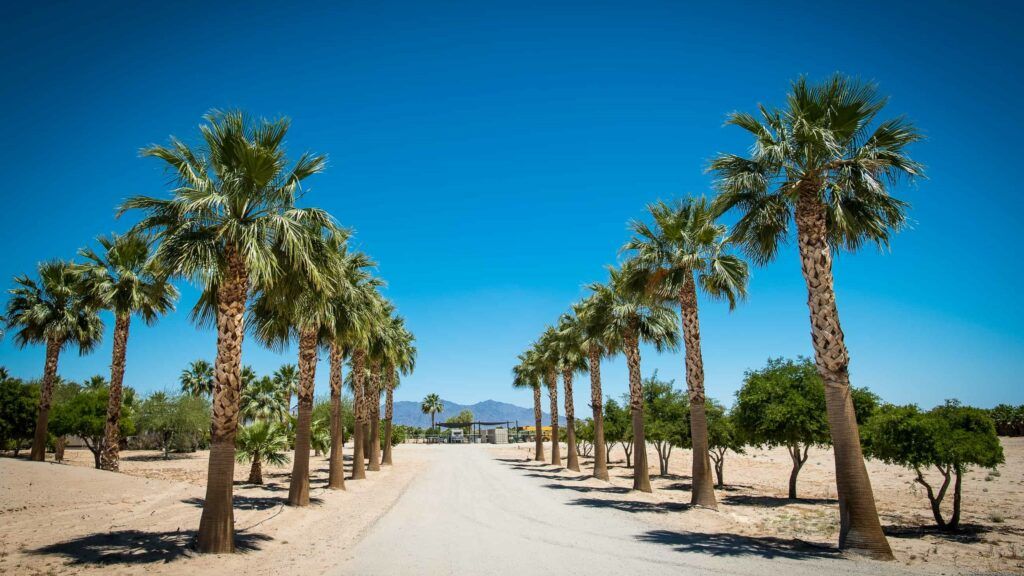
Palm trees are most abundant in tropical and subtropical climates, particularly between the Tropic of Cancer and the Tropic of Capricorn. Warm temperatures, adequate rainfall, and sunlight create ideal growing conditions for most species. However, palms are remarkably adaptable, and certain species thrive in deserts, coastal areas, wetlands, and even urban environments.
The highest palm diversity is found in Southeast Asia, Central and South America, and parts of Africa. Indonesia alone hosts more than 550 native palm species, making it the global center of palm biodiversity. In contrast, regions like the Middle East and North Africa are dominated by a smaller number of species, most notably the date palm, which has adapted to arid conditions over thousands of years.
Palm trees are also a defining feature of coastal ecosystems, where species such as coconut palms tolerate salty air, sandy soils, and cyclonic winds. In deserts, date palms grow near groundwater sources, forming oases that historically enabled trade routes and human settlement.
Major Types of Palm Trees and Their Roles

While thousands of palm species exist, a few have outsized importance because of their economic, nutritional, and cultural value.
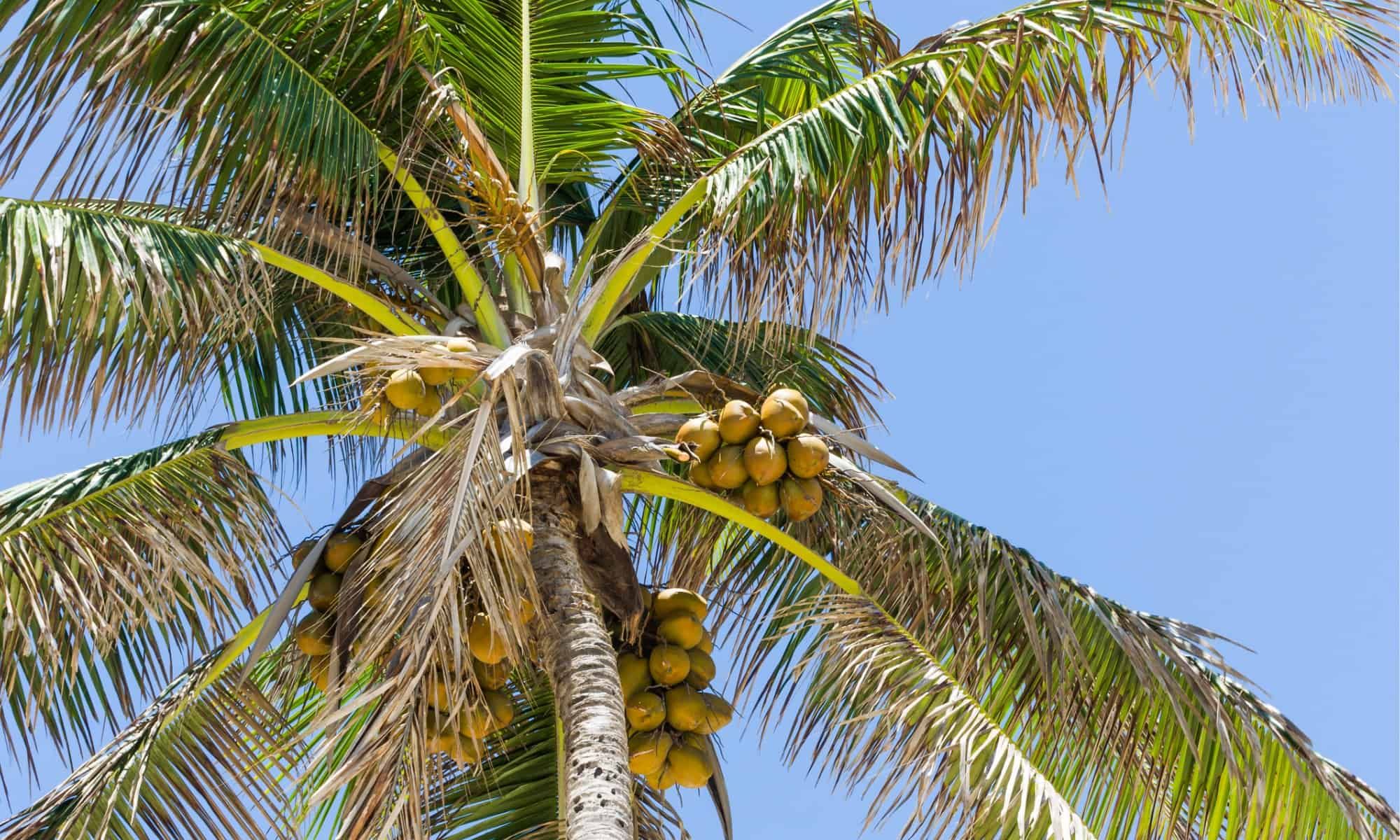
The coconut palm (Cocos nucifera) is often called “the tree of life.” Nearly every part of the tree is useful—from coconut water and oil to coir fiber and timber. Coconut palms are cultivated across tropical coastlines and islands, supporting food systems, livelihoods, and export economies.
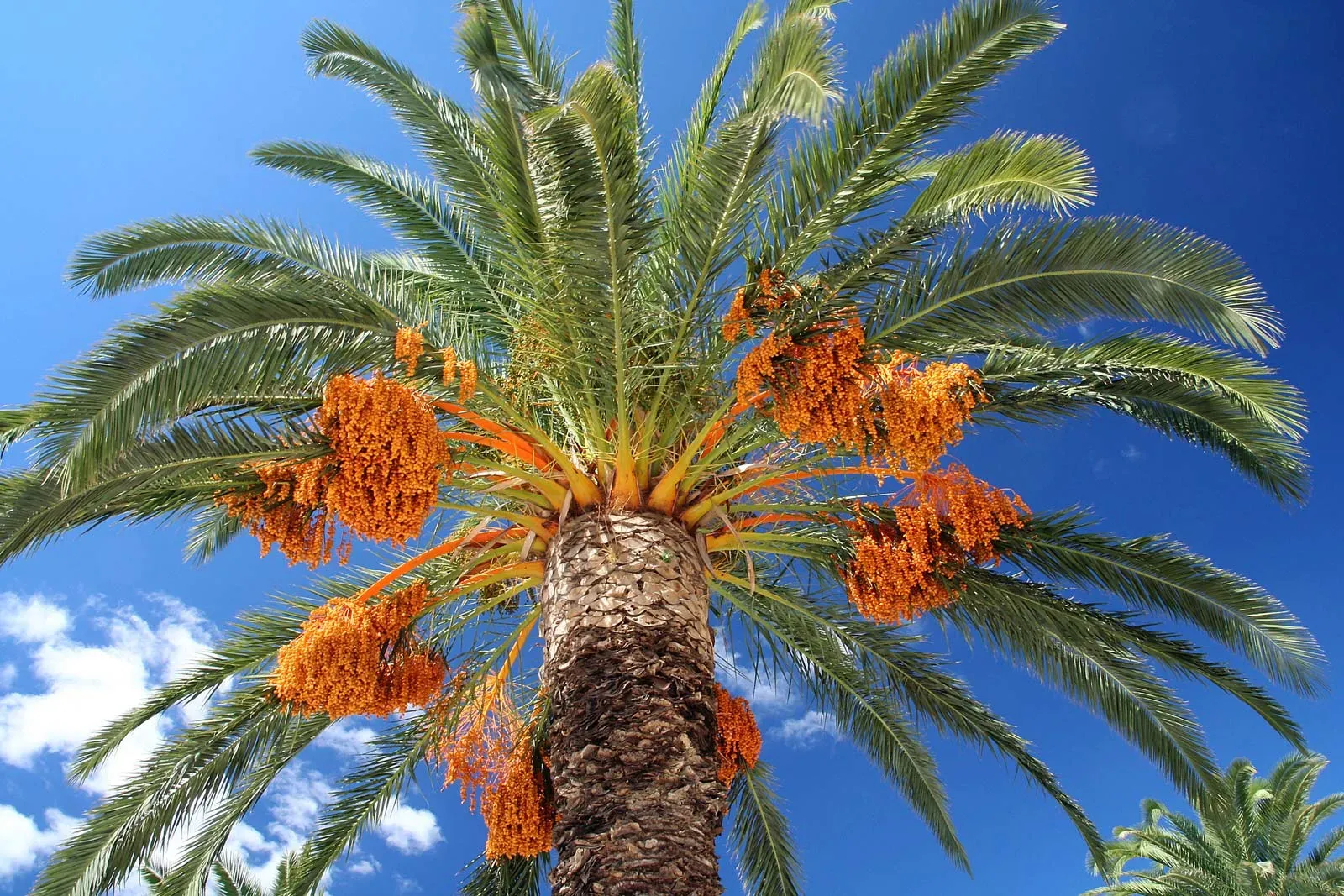
The date palm (Phoenix dactylifera) has been cultivated for more than 6,000 years in the Middle East, North Africa, and South Asia. Dates are a high-energy food rich in natural sugars, fiber, and minerals. In desert regions, the date palm is not just a crop but a foundation of survival, providing shade, nutrition, and income.
The oil palm (Elaeis guineensis), native to West Africa, produces palm oil—the most widely used vegetable oil in the world. Palm oil is present in nearly 50% of packaged food and household products globally due to its high yield and stability.
The areca palm (Areca catechu) is widely grown in India and Southeast Asia for areca nuts, a culturally significant crop used in social and religious practices.
Ecological Importance of Palm Trees
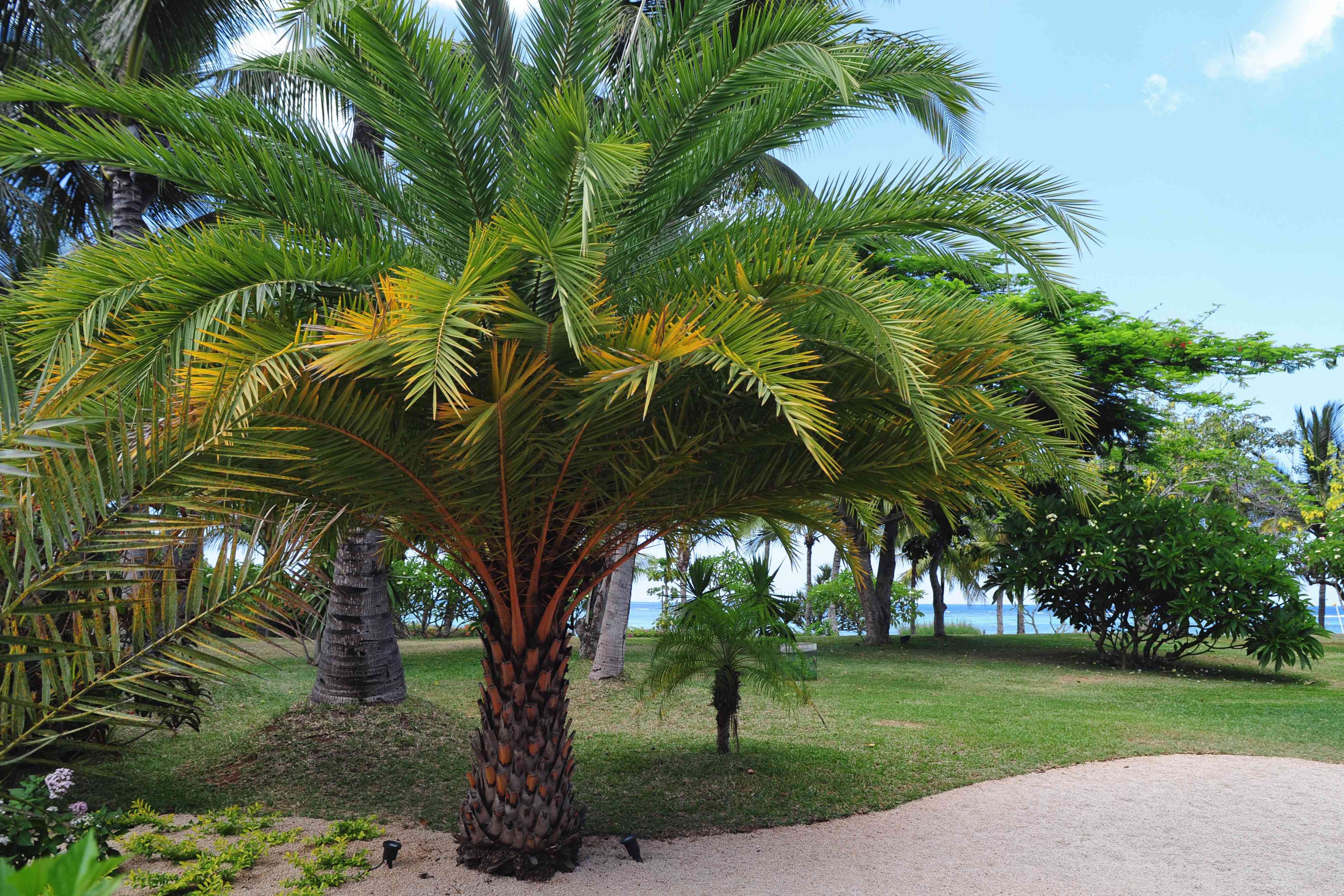
Palm trees are not just economic assets; they are ecological keystones in many environments.
In tropical forests, palms produce fruits year-round, providing a reliable food source for birds, mammals, and insects. Many rainforest species, including bats and primates, depend heavily on palms during periods when other fruits are scarce. This makes palms crucial for maintaining biodiversity stability.
Palm root systems play a significant role in soil conservation. Their fibrous roots bind soil particles together, reducing erosion in coastal zones, riverbanks, and sloped landscapes. In cyclone-prone regions, palms often remain standing when other trees fall, helping stabilize the ecosystem after storms.
From a climate perspective, palms contribute to carbon storage, although their capacity varies widely by species and land-use system. Natural palm-rich forests store significantly more carbon than monoculture plantations, highlighting the importance of conserving wild palm ecosystems.
Economic Importance and Global Trade
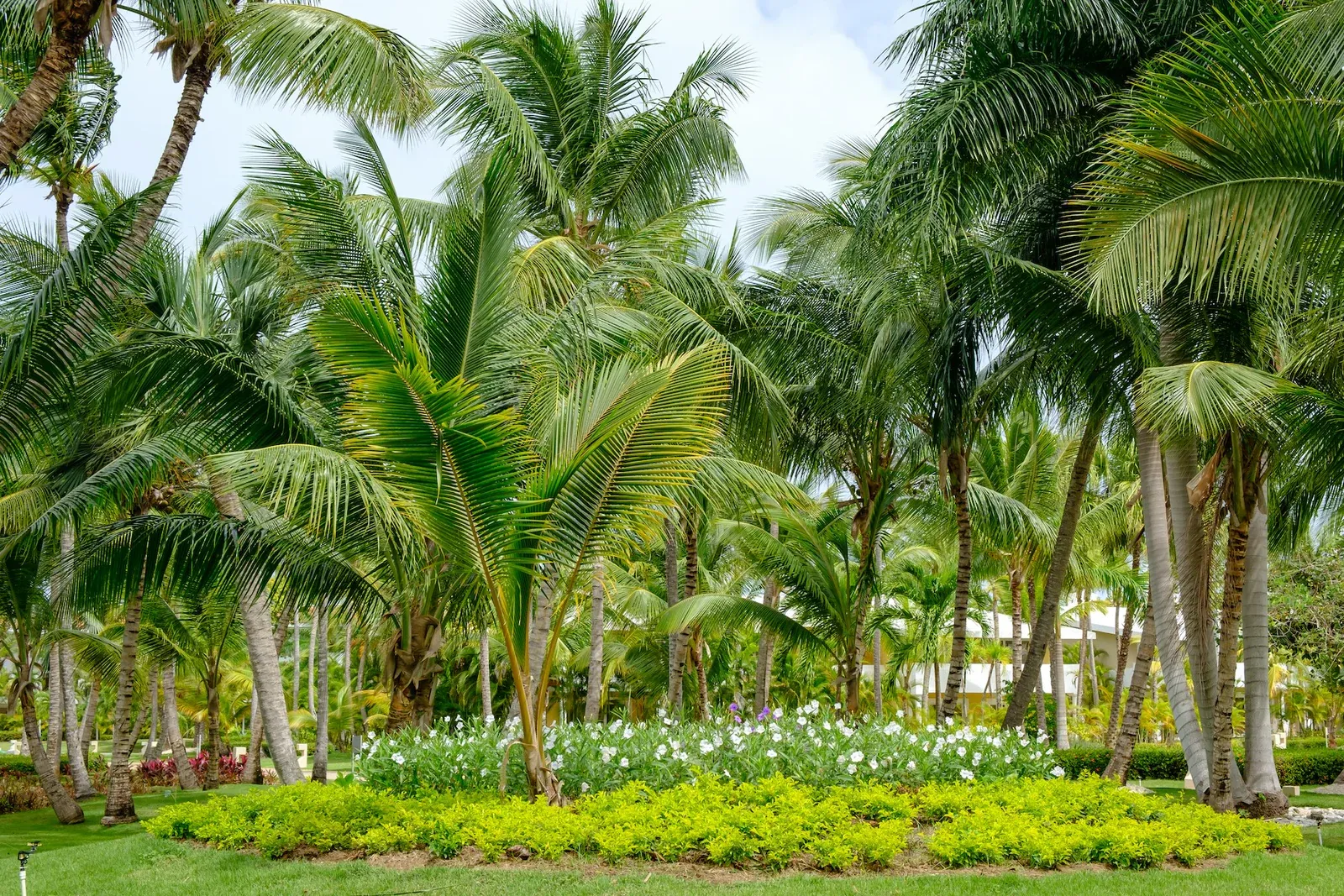
An estimated 3 billion people worldwide depend on palm-derived products in some form, whether as consumers, farmers, processors, or traders. In many tropical countries, palms are a cornerstone of rural livelihoods, especially for smallholder farmers.
Uses of Palm Trees in Daily Life
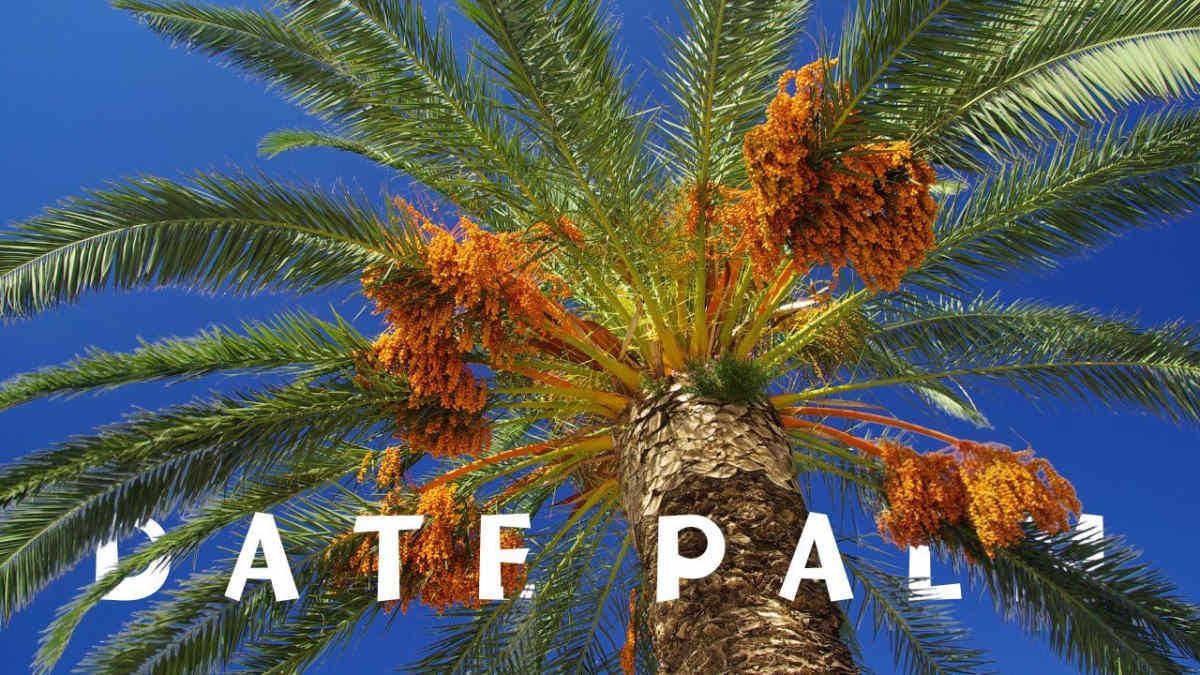
Palm trees are uniquely valuable because almost every part of the plant can be used. In food systems, palms provide edible fruits, oils, sugars, and beverages. Coconut oil is widely used for cooking and personal care. Palm sugar and jaggery are traditional sweeteners with lower processing requirements than refined sugar. Dates are a staple food in arid regions, valued for their long shelf life and nutritional density.
In construction and crafts, palm leaves are used for thatching, mats, baskets, and ropes. Palm wood is used in rural housing and furniture, especially in areas where conventional timber is scarce.
Industrially, palm oil is essential for soap, cosmetics, lubricants, and processed foods. Palm shells and husks are increasingly used for bioenergy and activated carbon, contributing to circular economy models.
Cultural and Religious Significance
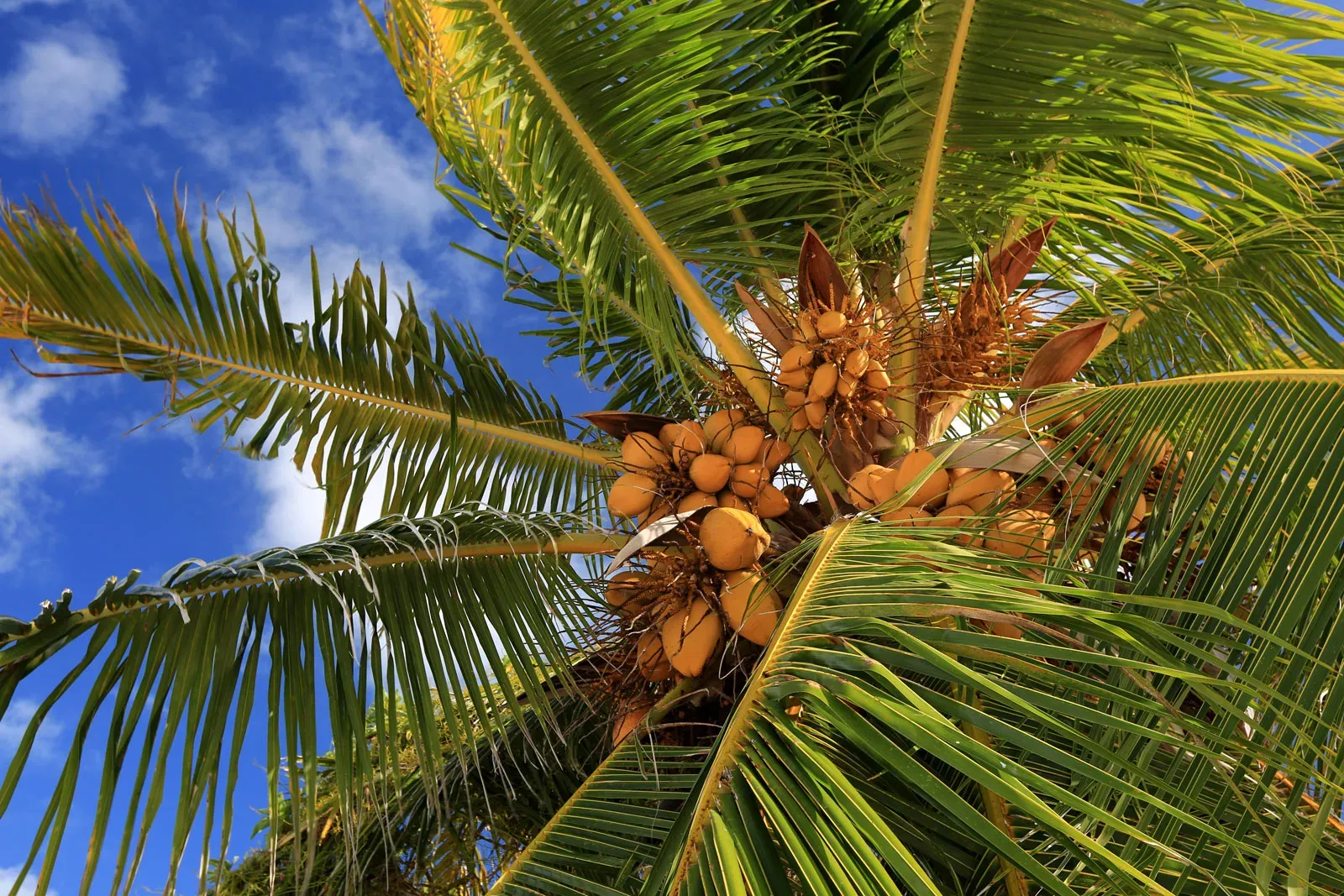
Palm trees have been embedded in human culture for millennia. In India, coconuts are symbols of purity and prosperity and are used in religious ceremonies. In the Middle East, the date palm represents life, hospitality, and resilience in harsh environments. Palm leaves appear in ancient texts, coins, and architecture, reflecting their deep symbolic value.
Archaeological evidence shows palm cultivation in Mesopotamia and Egypt over 5,000 years ago, underscoring their role in early agricultural civilizations.
Palm Trees, Sustainability, and Modern Challenges
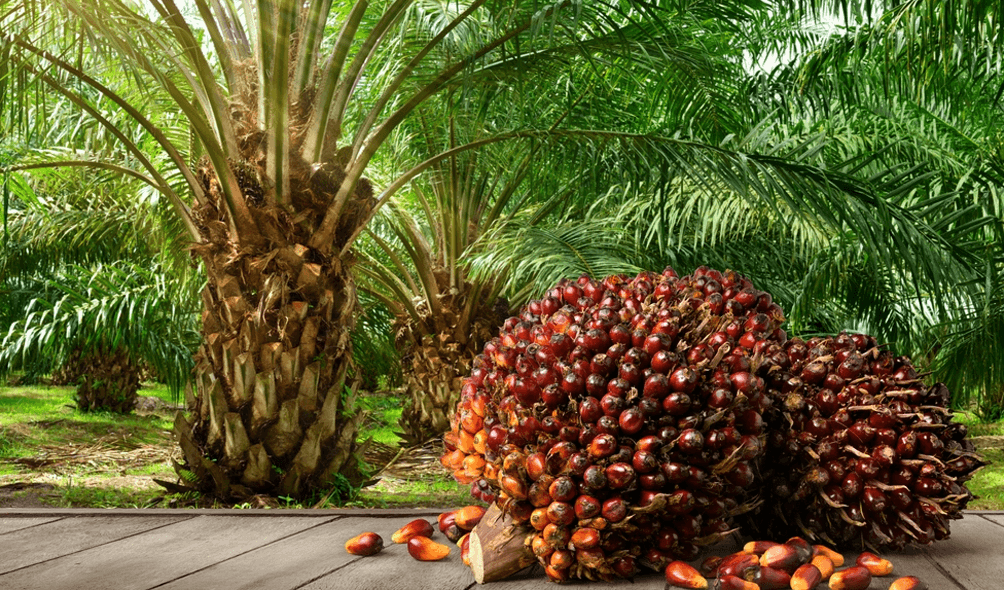
Palm cultivation, particularly oil palm, is at the center of global sustainability debates. While palm oil is highly land-efficient—producing more oil per hectare than any other vegetable oil—unsustainable expansion has led to deforestation, biodiversity loss, and peatland degradation in some regions.
At the same time, responsible palm cultivation offers opportunities for sustainable livelihoods, climate mitigation, and efficient food production. Certification systems, agroforestry models, and yield improvements are key strategies to balance economic needs with environmental protection.
Lifespan and Growth Characteristics
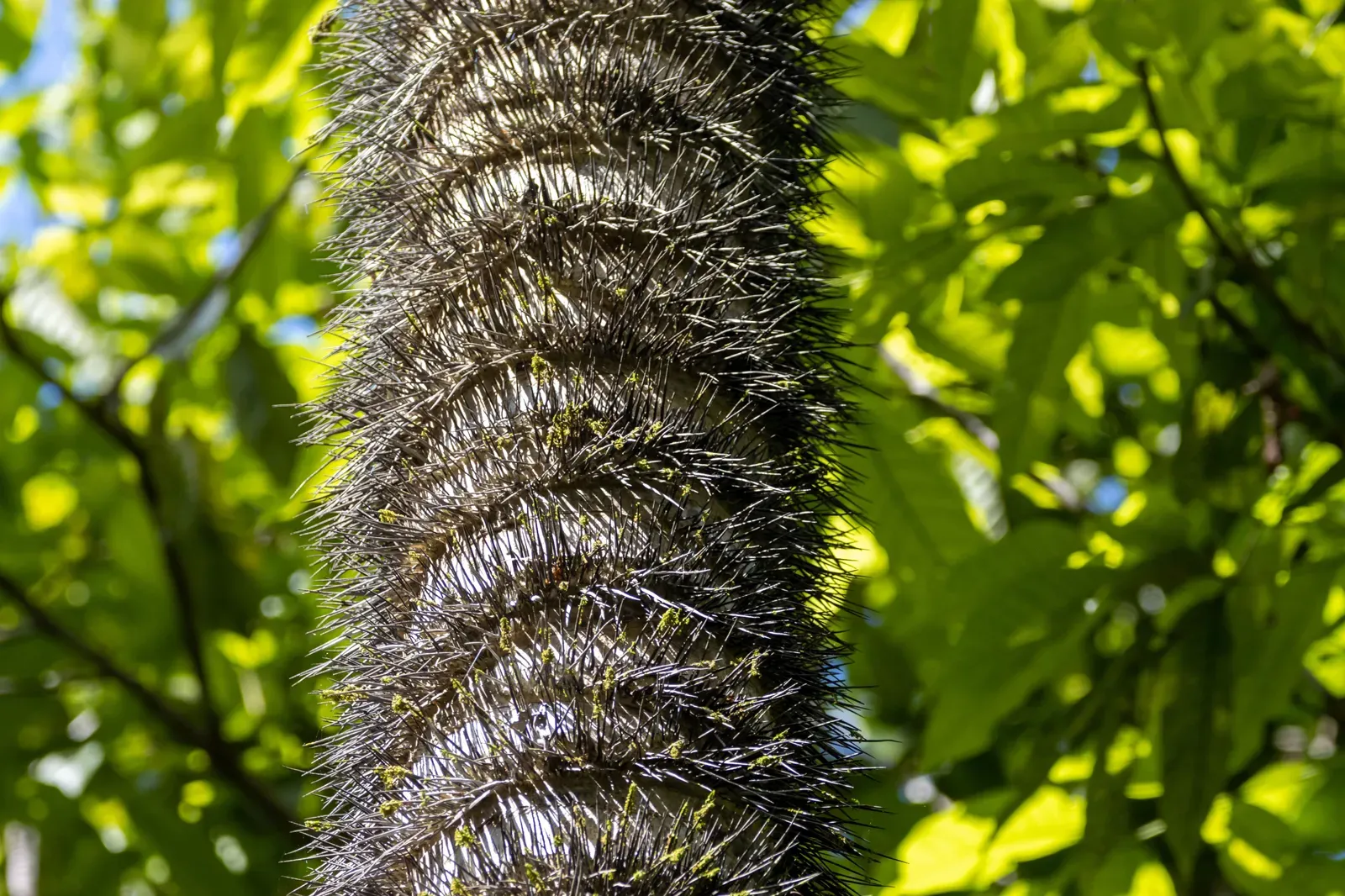
Most palm trees live between 60 and 100 years, though some species flower only once and then die. Growth rates vary widely, but many palms grow steadily at 30–100 cm per year under favorable conditions. Because palms cannot heal trunk injuries, early care and protection are critical for long-term survival.
Why Palm Trees Matter More Than Ever
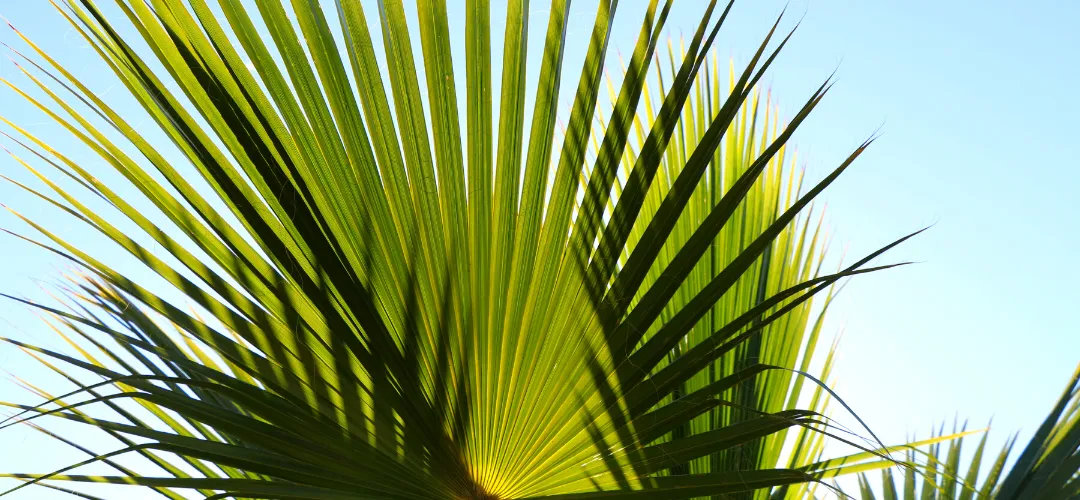
Palm trees sit at the intersection of food security, climate resilience, biodiversity, and human culture. They are not just symbols of the tropics but living systems that sustain economies and ecosystems alike.
As the world faces climate change, land scarcity, and rising demand for natural resources, the future of palm trees depends on how responsibly they are cultivated, conserved, and integrated into sustainable development models.
When managed wisely, palm trees can continue to support life—just as they have for thousands of years.
Frequently Asked Questions (FAQs)
1. Are palm trees real trees?
Botanically, palms are flowering monocot plants, not true woody trees, even though they grow in a tree-like form.
2. How many species of palm trees exist?
There are over 2,600 recognized palm species worldwide, primarily in tropical regions.
3. Why is palm oil so widely used?
Palm oil is highly productive per hectare, stable at high temperatures, and versatile for food and industrial uses.
4. Do palm trees help fight climate change?
Natural palm ecosystems store carbon and support biodiversity, but monoculture plantations store significantly less carbon.
5. How long do palm trees live?
Most palms live 60–100 years, depending on species and growing conditions.
6. Can palm trees grow in deserts?
Yes. Date palms thrive in arid regions when groundwater is accessible.
7. Are palm trees sustainable?
Palm trees can be sustainable if cultivated responsibly using certified and conservation-focused practices.