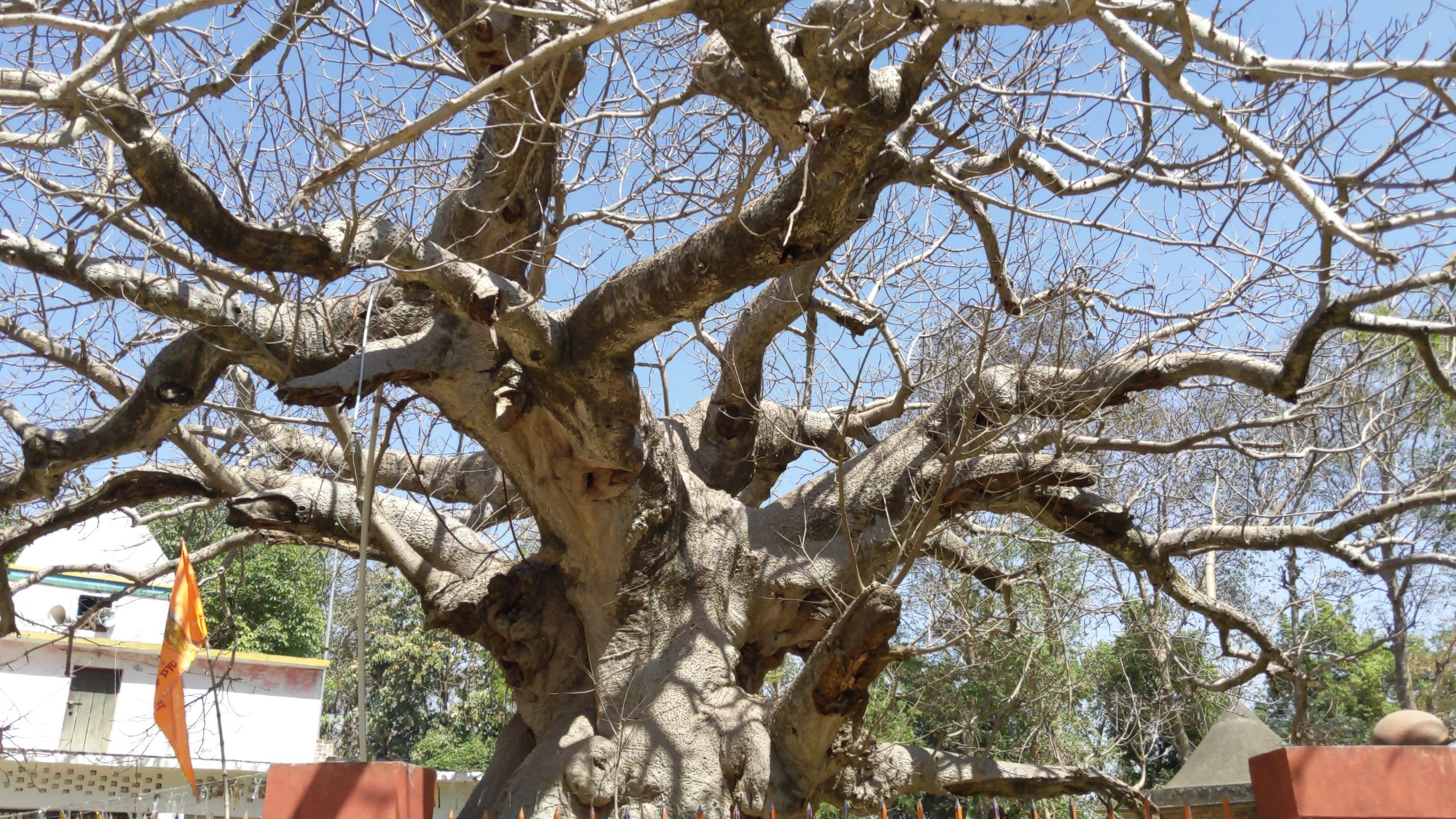
The Parijat tree (Nyctanthes arbor-tristis) is one of the most culturally and botanically fascinating trees found in India. Known for its delicate white flowers with bright orange stems, the tree blooms at night and sheds its flowers by morning, creating a soft carpet beneath it.
But Parijat is more than just a flowering tree. It carries layers of mythology, medicinal value, and ecological relevance, making it unique among commonly known trees.
As described in the Encyclopaedia Britannica overview of night-flowering jasmine (Nyctanthes arbor-tristis), the tree is native to South Asia and is widely cultivated for its ornamental and medicinal uses.
Across centuries, the Parijat tree has come to represent transience, beauty, and spiritual symbolism, while also playing a role in traditional medicine systems.
What Is the Parijat Tree?
The Parijat tree is a small to medium-sized deciduous tree that typically grows between 6 to 10 meters in height. It belongs to the Oleaceae family, which also includes jasmine and olive species.
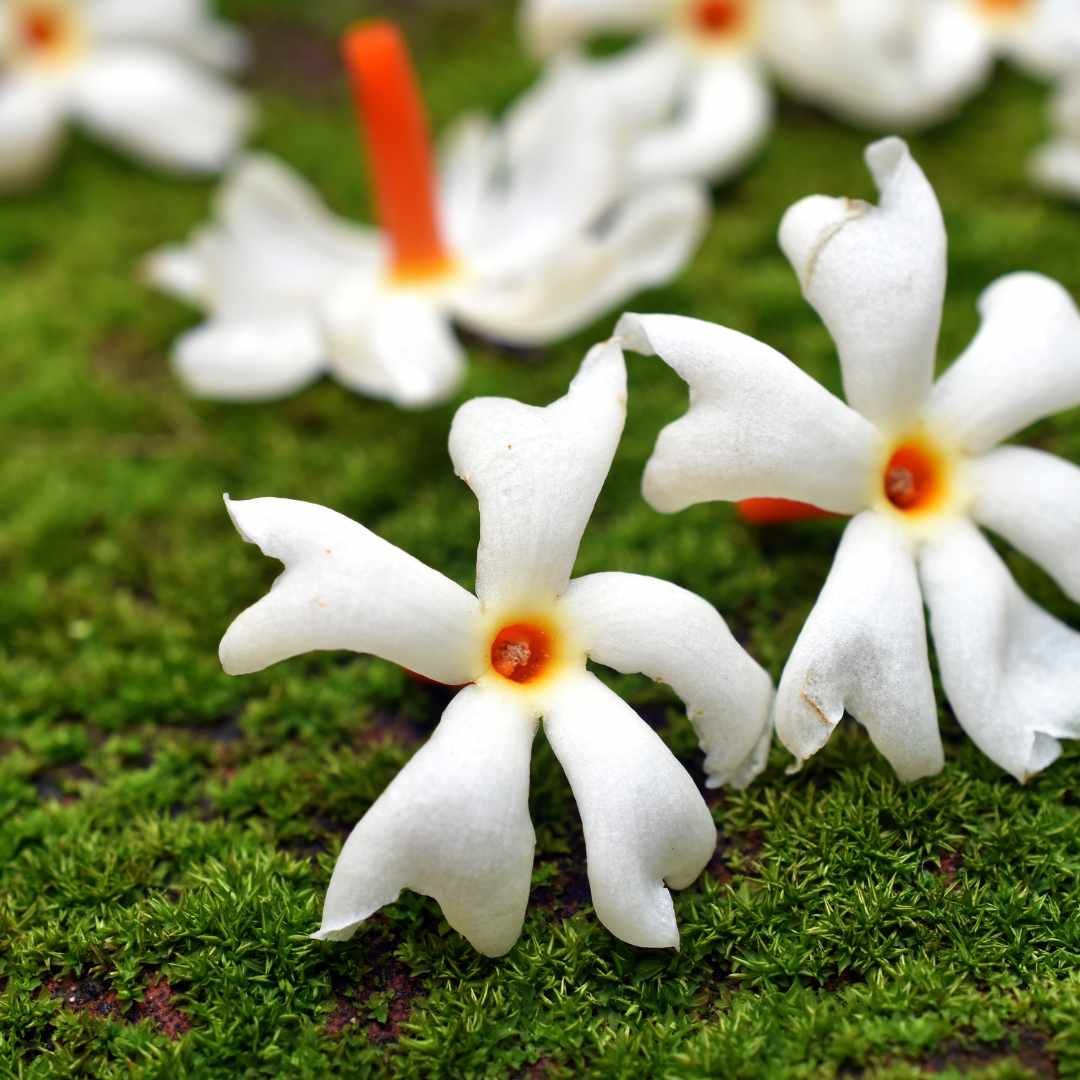
It is best known for its night-blooming flowers, which open after sunset and fall by early morning. The flowers are white with a distinct orange tubular center, giving them a striking yet subtle appearance.
According to the CABI plant datasheet for Nyctanthes arbor-tristis, the tree thrives in tropical and subtropical climates and prefers well-drained soil with moderate sunlight.
Its unique flowering pattern and fragrant blooms make it popular in gardens, temples, and residential landscapes.
The Cultural and Mythological Significance of Parijat
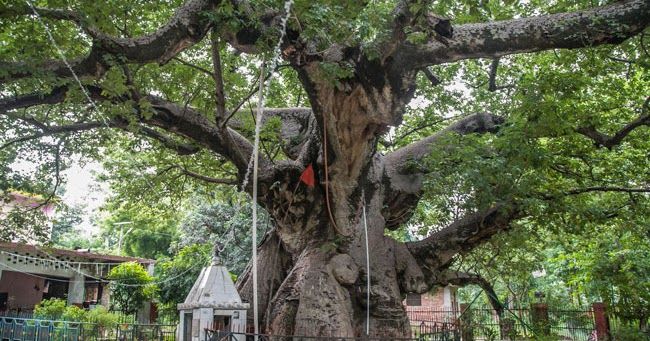
The Parijat tree holds a special place in Indian mythology and cultural traditions.
In Hindu mythology, Parijat is believed to have emerged during the Samudra Manthan (churning of the ocean) and is often associated with divine realms. Stories mention that the tree was brought to Earth by Lord Krishna, giving it the name “heavenly tree.”
This association with mythology gives the Parijat tree a symbolic meaning — often linked to love, longing, and impermanence.
Flowers from the tree are commonly used in religious offerings, especially in temples, due to their purity and fragrance.
Medicinal Benefits of the Parijat Tree
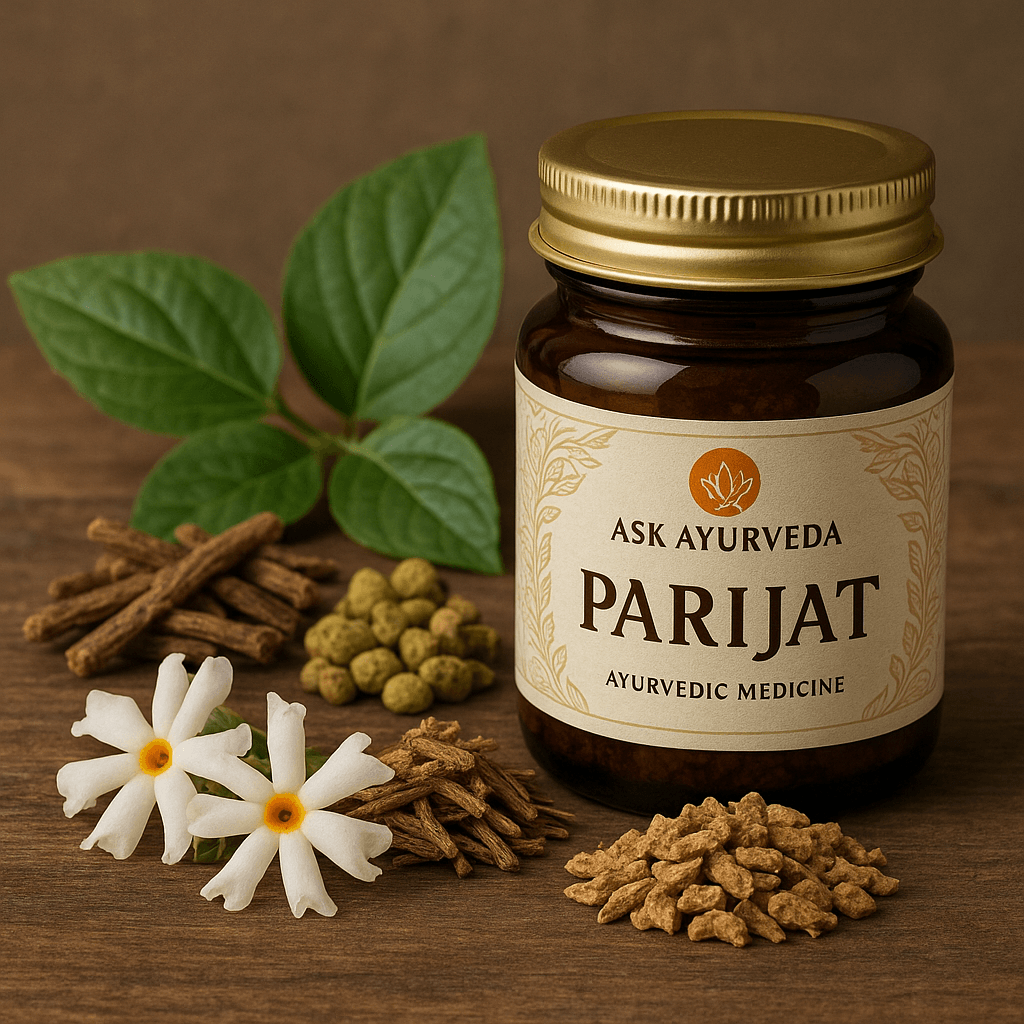
Beyond its cultural importance, the Parijat tree has long been used in traditional medicine.
Various parts of the tree — including leaves, flowers, and bark — are used in Ayurvedic practices.
Research referenced in the National Center for Biotechnology Information (NCBI) studies on Nyctanthes arbor-tristis highlights its medicinal properties, including:
• anti-inflammatory effects • antimicrobial activity • immune support • potential use in treating fever and joint pain
Parijat leaves are often used in herbal remedies for conditions like arthritis and infections, while the flowers are known for their calming and therapeutic properties.
Ecological Role of the Parijat Tree
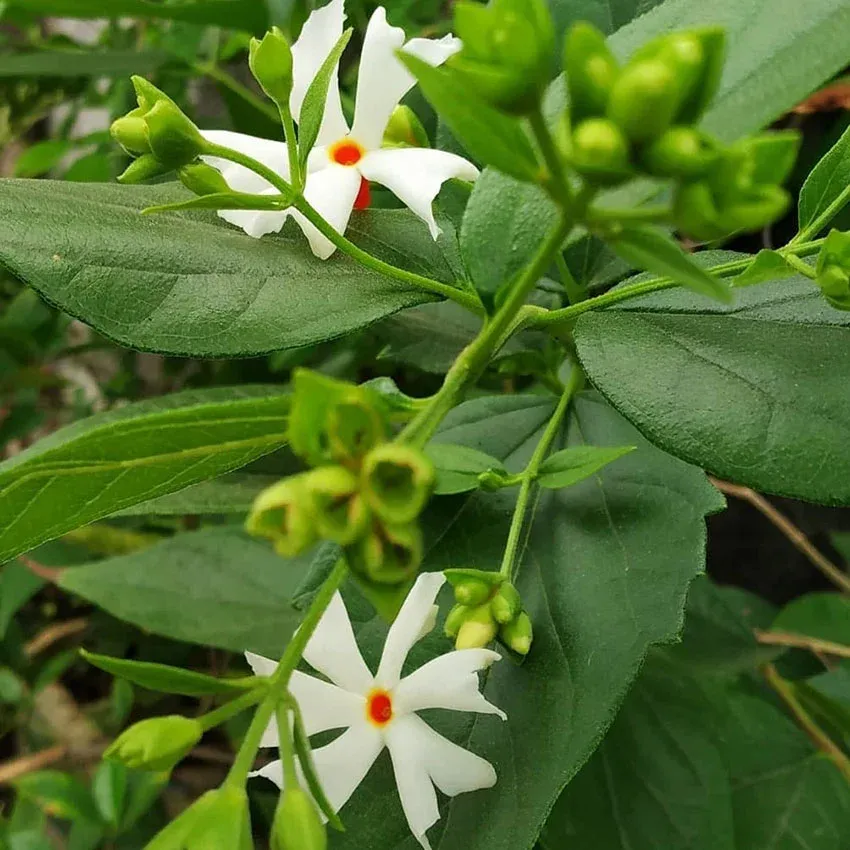
While Parijat is often valued for its beauty, it also contributes to local ecosystems in subtle ways.
Pollinator Support
The night-blooming flowers attract nocturnal pollinators, such as moths and certain insects. This makes the tree an important part of pollination cycles that occur outside daylight hours.
Insights from the Food and Agriculture Organization resources on plant-pollinator interactions highlight the importance of diverse flowering species in supporting pollinator populations.
Urban Biodiversity
Parijat trees are commonly planted in urban areas, where they help create small pockets of biodiversity.
Even as a small tree, it contributes by:
• attracting insects • providing microhabitats • supporting urban green cover
Uses of the Parijat Tree
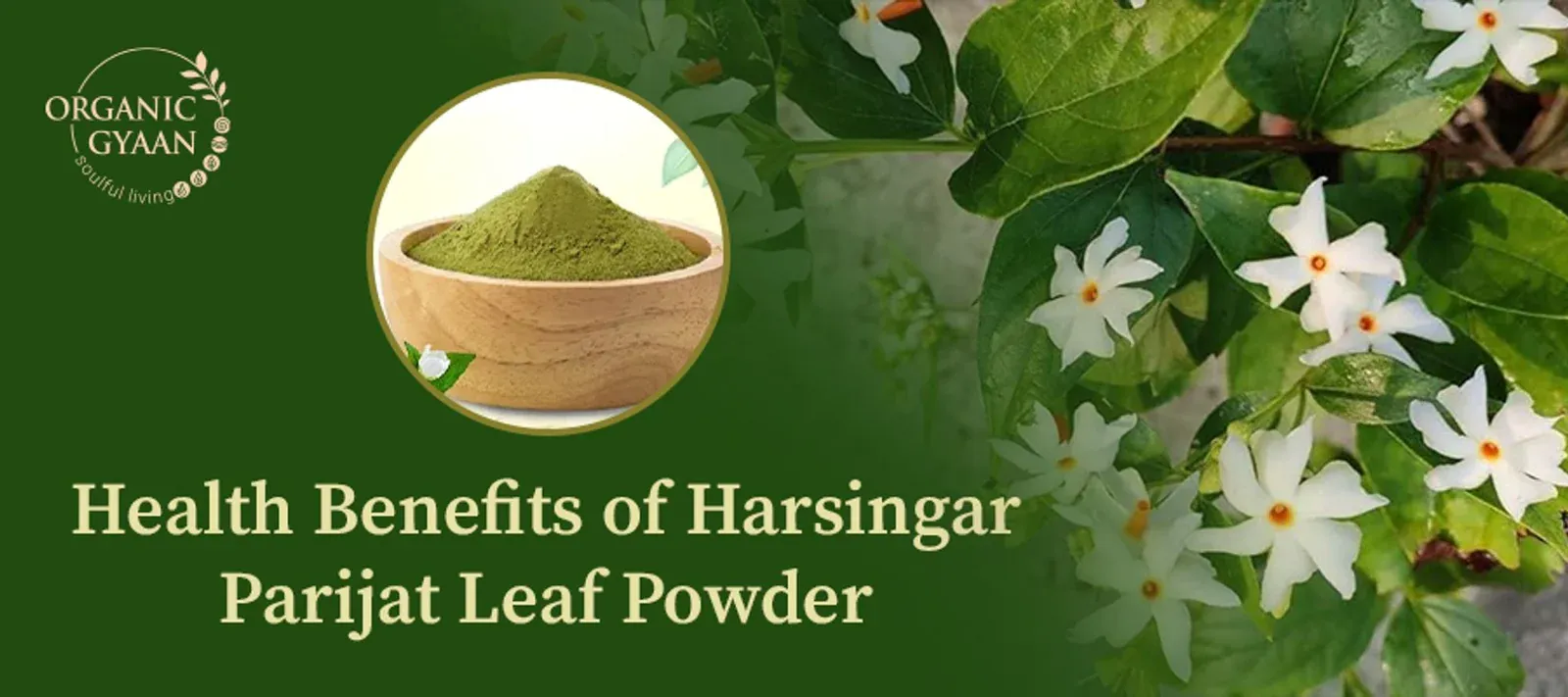
The Parijat tree is used in multiple ways, combining cultural, medicinal, and practical applications.
Ornamental Use
Due to its fragrant and visually appealing flowers, Parijat is widely planted in gardens and public spaces. Its ability to bloom at night makes it unique among ornamental trees.
Natural Dye
The orange tube of the Parijat flower has been traditionally used as a natural dye, especially for textiles.
Traditional Medicine
The tree continues to be used in Ayurvedic and herbal medicine systems, where its extracts are valued for their therapeutic properties.
Challenges and Limitations
Despite its benefits, the Parijat tree has certain limitations.
It is not a large canopy tree, which limits its role in providing shade or large-scale ecological impact.
It is also sensitive to extreme environmental conditions and requires moderate care to grow well.
Additionally, its ecological contribution is more localized compared to large native forest species.
Why the Parijat Tree Matters Today
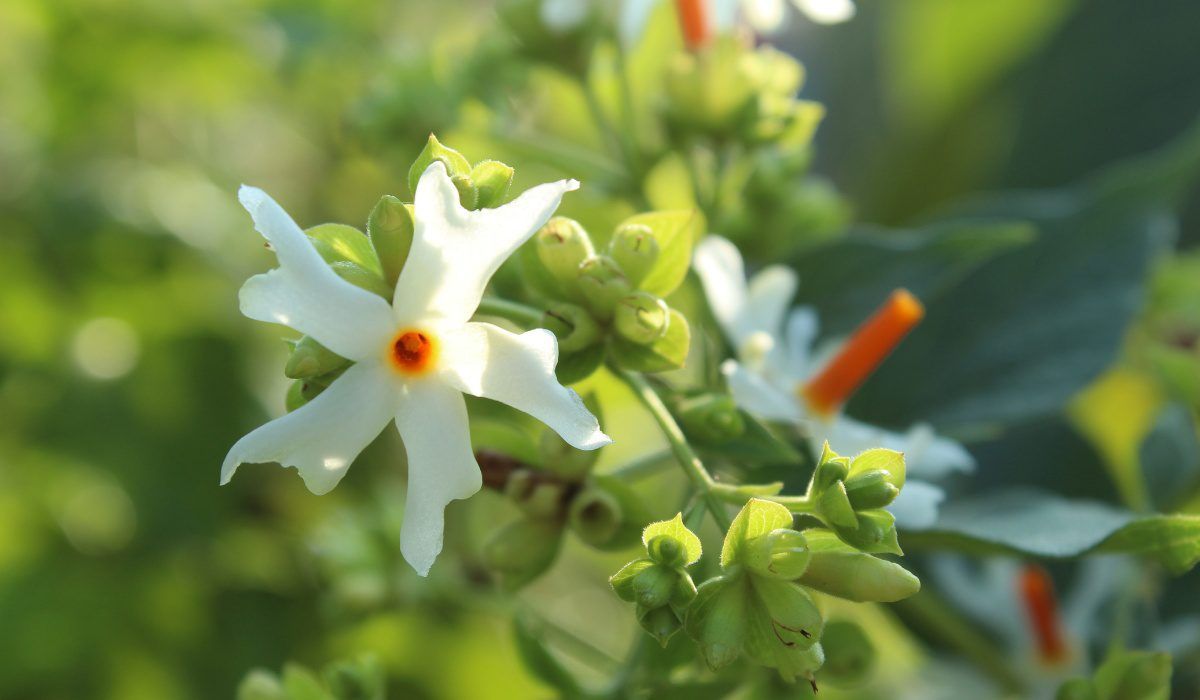
In today’s context, where urban spaces are expanding rapidly, the Parijat tree offers a meaningful way to integrate nature into daily life.
It contributes to:
• urban green spaces • pollinator support • cultural continuity • medicinal plant diversity
While it may not be a large-scale ecological solution, it plays an important role in connecting people with nature.
A Tree of Beauty and Meaning
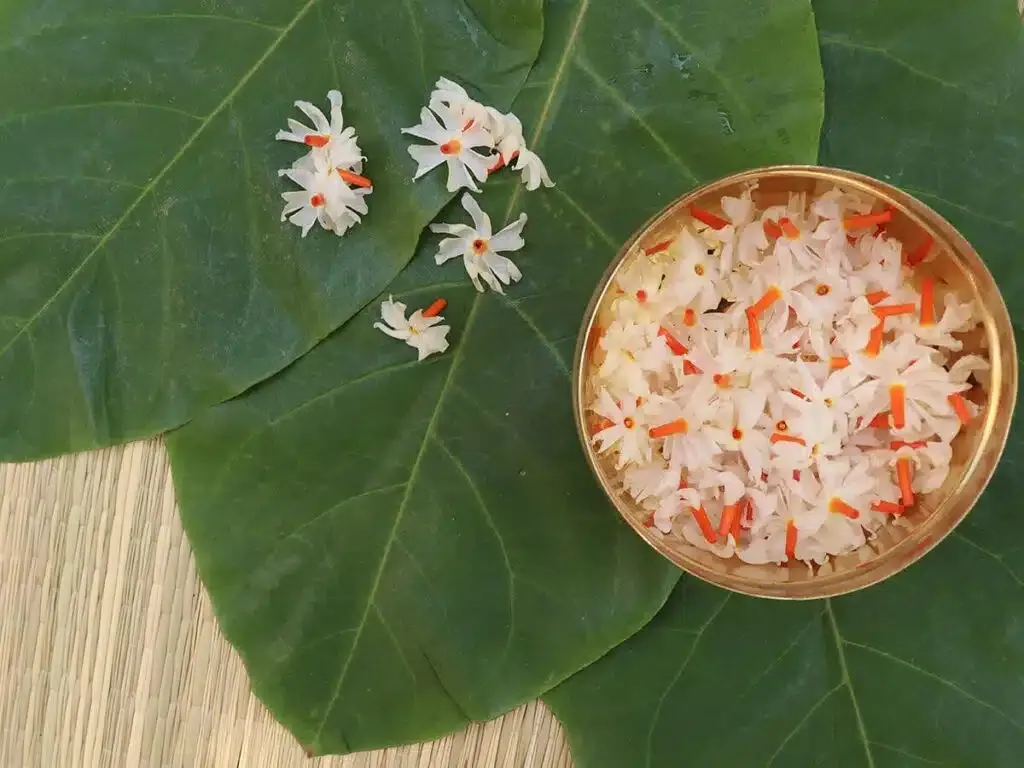
The Parijat tree stands apart from many other trees.
It is not defined by size or economic output, but by its symbolism, fragrance, and quiet presence. Its flowers bloom when most of the world sleeps and fall before the day begins, reminding us of the fleeting nature of beauty.
In a landscape of fast-growing and highly functional species, the Parijat tree brings a different kind of value — one that lies in experience, culture, and subtle ecological connections.
FAQs
1. What is the Parijat tree?
The Parijat tree (Nyctanthes arbor-tristis) is a small, night-flowering tree known for its fragrant white flowers with orange centers. It is widely valued in India for its cultural, medicinal, and ornamental significance.
2. Why is Parijat called night-flowering jasmine?
Parijat is called night-flowering jasmine because its flowers bloom after sunset and fall by early morning. This unique cycle gives it both ecological importance and symbolic meaning.
3. What are the medicinal benefits of the Parijat tree?
Parijat has anti-inflammatory, antimicrobial, and immune-supporting properties. It is used in traditional medicine to treat fever, joint pain, infections, and digestive issues.
4. Is the Parijat tree considered sacred?
Yes, the Parijat tree is considered sacred in Hindu mythology and is often linked to stories of divine origin. Its flowers are commonly used in religious rituals and temple offerings.
5. Where does the Parijat tree grow best?
Parijat grows best in tropical and subtropical climates with well-drained soil and moderate sunlight. It can adapt well to gardens and urban landscapes.
- What are Parijat flowers used for? Parijat flowers are used in religious offerings, natural dyes, perfumes, and herbal remedies. Their fragrance and delicate structure make them highly valued.
7. Does the Parijat tree support biodiversity?
Yes, Parijat supports nocturnal pollinators such as moths and insects. It also contributes to urban biodiversity by adding diversity to planted landscapes.
8. How tall does the Parijat tree grow?
The Parijat tree typically grows between 6 to 10 meters in height and develops a moderately spreading canopy suitable for small spaces.
9. Can the Parijat tree be grown at home?
Yes, the Parijat tree can be grown in home gardens as it does not require excessive space. It is often planted for its fragrance and aesthetic value.
10. What makes the Parijat tree unique?
Its night-blooming flowers, strong mythological significance, and medicinal properties make the Parijat tree unique among ornamental trees.