The Peepal tree, scientifically known as Ficus religiosa, is one of the most revered, studied, and ecologically powerful trees in the Indian subcontinent. Unlike many trees that are valued only for timber or fruit, the Peepal tree occupies a rare space where science, ecology, spirituality, medicine, and climate resilience intersect.
For thousands of years, this tree has stood at village centers, temple courtyards, riverbanks, and crossroads—quietly shaping ecosystems and human consciousness alike. This long-form guide explores the Peepal tree in depth, covering its biology, distribution, ecological importance, cultural relevance, medicinal value, climate role, and modern scientific findings.
What Is the Peepal Tree
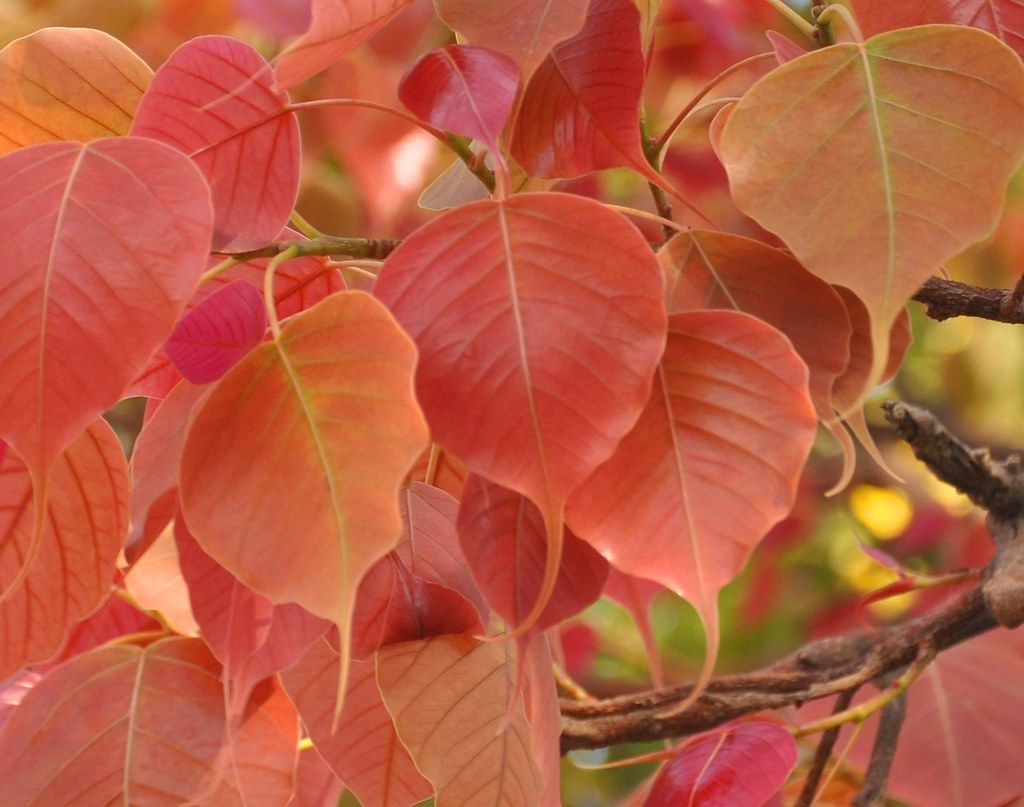
The Peepal tree belongs to the fig genus (Ficus) and the mulberry family (Moraceae). It is recognized by its heart-shaped leaves with elongated drip tips that allow efficient rainwater drainage in monsoon climates, a feature well documented in botanical descriptions of the sacred fig.
- Scientific name: Ficus religiosa
- Common names: Peepal, Sacred Fig, Bodhi Tree, Ashvattha
- Family: Moraceae
The Peepal is considered a keystone species, meaning its presence supports a disproportionately large number of other organisms. Many individuals live for 200 to 500 years, forming massive canopies that regulate microclimates and provide long-term ecological stability.
Geographic Distribution: Where the Peepal Tree Is Found
The Peepal tree is native to the Indian subcontinent, including India, Nepal, Sri Lanka, Bangladesh, and Pakistan. Over centuries, it has spread across Southeast Asia and parts of China, as documented in the Plants of the World Online database maintained by the Royal Botanic Gardens, Kew.
It thrives in:
- Alluvial plains
- Riverbanks
- Semi-arid to moist tropical regions
- Urban environments with minimal care
One of its most remarkable traits is its ability to grow in poor soils and rocky crevices, sometimes germinating on walls and old buildings, demonstrating exceptional climate adaptability.
Botanical Characteristics and Growth Pattern
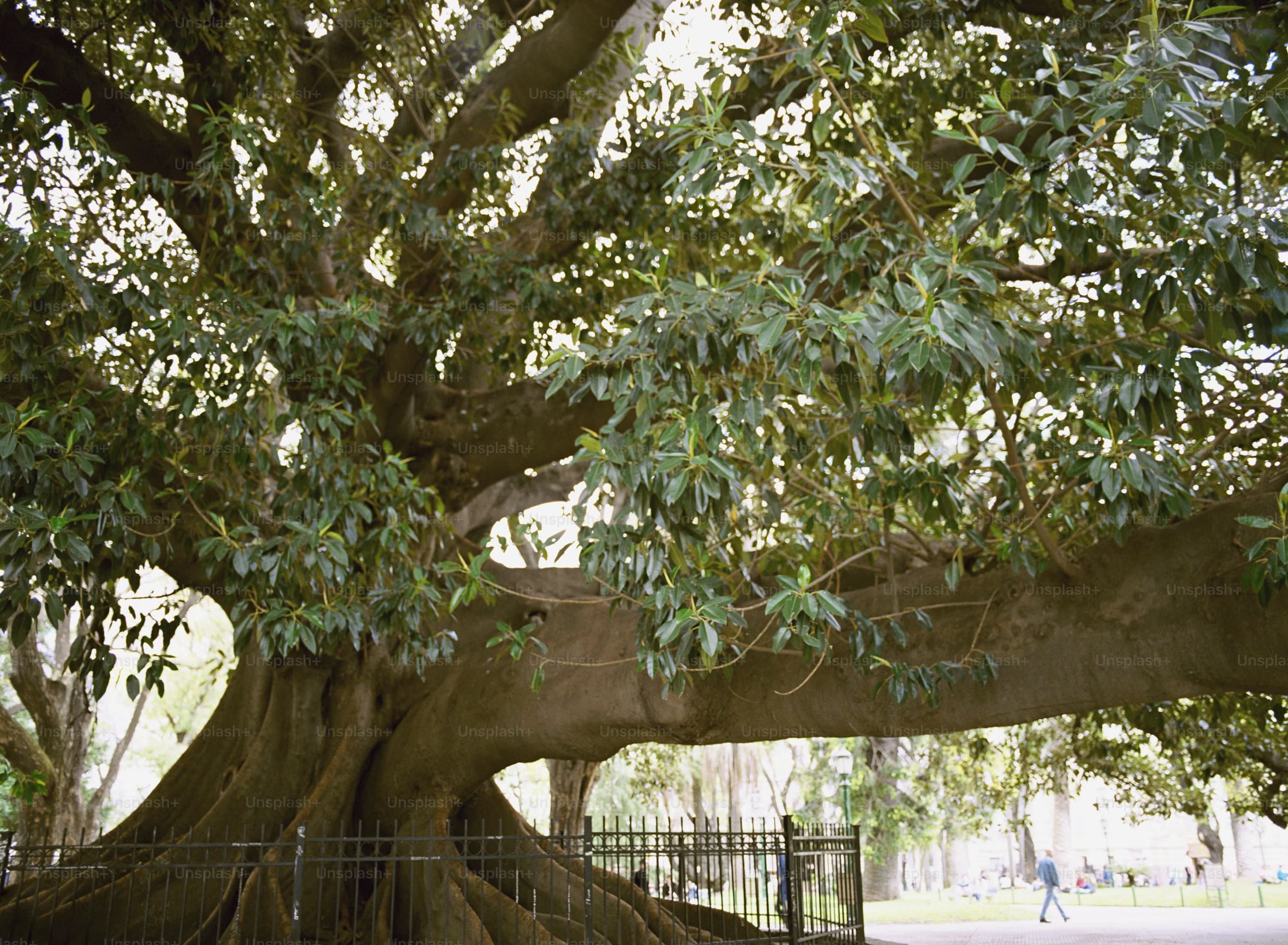
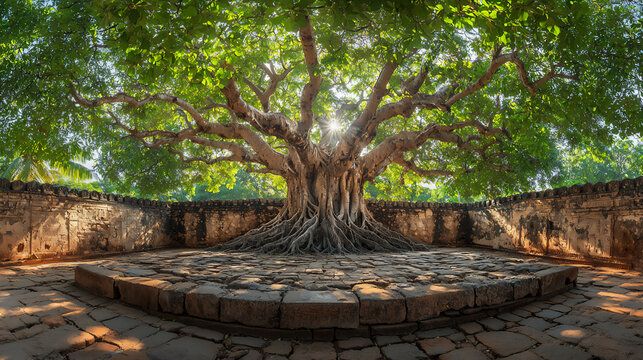
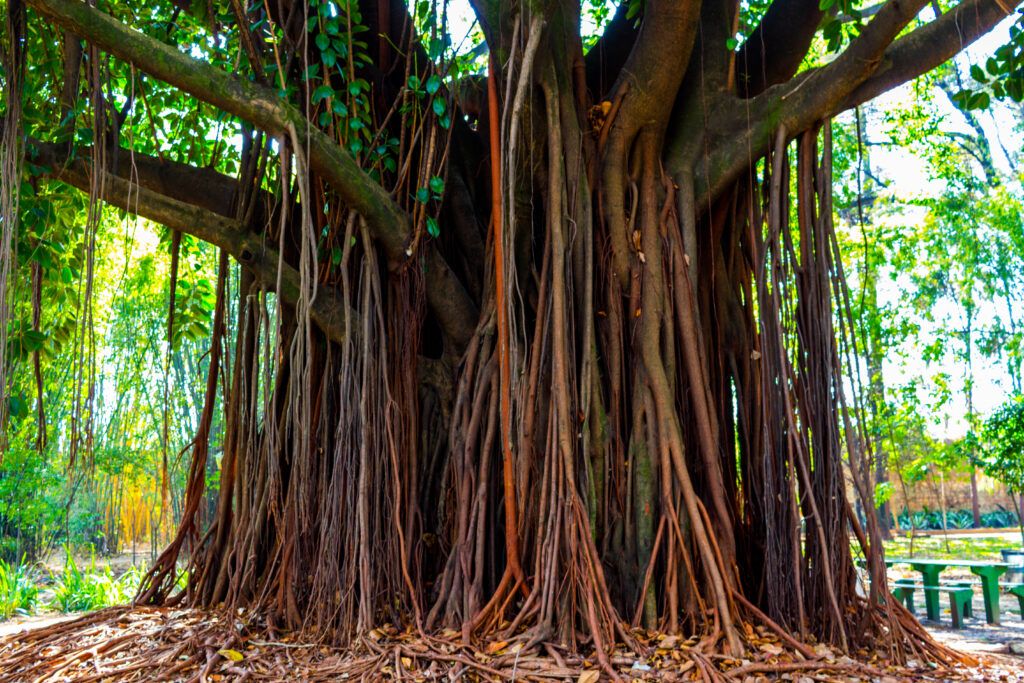
The Peepal tree can reach heights of 20–30 meters, with a wide-spreading crown and a thick, furrowed trunk. Over time, it develops aerial roots that eventually reach the ground and form secondary trunks, increasing stability.
Unlike fast-growing plantation species, the Peepal grows steadily and invests in deep roots and canopy expansion, enabling it to withstand heatwaves and droughts. Its high transpiration rate and efficient gas exchange have been studied extensively in plant physiology research.
Ecological Importance of the Peepal Tree
The Peepal tree plays an outsized role in ecosystem functioning. As a fig species, it produces small fruits known as syconia, which feed birds, bats, monkeys, squirrels, insects, and pollinators throughout the year.
Research on fig-dominated ecosystems shows that fig trees support over 1,200 animal species globally, making them among the most biodiversity-supportive trees on Earth.
Its dense canopy:
- Reduces surface temperatures
- Improves soil moisture retention
- Supports understory plant growth
Air Quality, Oxygen, and Carbon Sequestration
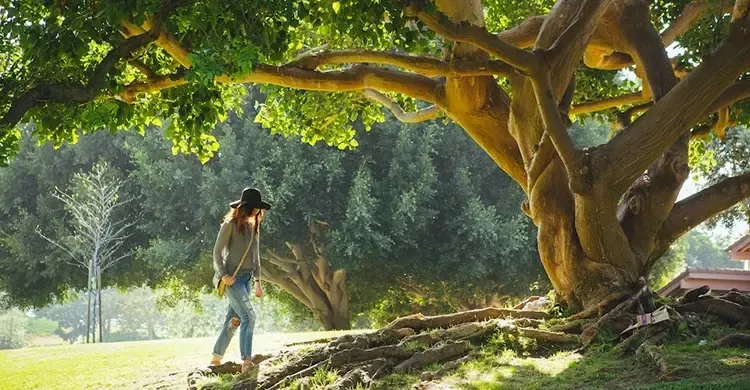
The Peepal tree is often associated with air purification. While the popular claim that it releases oxygen at night is biologically incorrect, its actual contribution is still significant.
Due to its large leaf surface area and high photosynthetic efficiency, the Peepal tree absorbs pollutants such as sulfur dioxide, nitrogen dioxide, and particulate matter, a function highlighted in studies on trees and urban air pollution.
Long-lived native trees like Peepal also provide sustained carbon storage. Estimates suggest that a mature Peepal tree can sequester 20–25 kg of CO₂ annually, with much higher lifetime storage over centuries, as discussed in Indian carbon sequestration research.
Cultural and Spiritual Significance

The Peepal tree holds unparalleled spiritual significance across South Asia.
In Buddhism, the Peepal is known as the Bodhi Tree, under which Gautama Buddha attained enlightenment in Bodh Gaya. In Hindu philosophy, it is referred to as Ashvattha and is mentioned extensively in the Bhagavad Gita, symbolizing the cosmic tree of life.
In Jainism, Peepal trees are associated with meditation and spiritual awakening. Because of this reverence, Peepal trees were historically protected—even before the concept of conservation existed—making religion an early form of environmental stewardship.
Medicinal and Ayurvedic Uses
Traditional Indian medicine has long recognized the Peepal tree as a pharmacologically valuable plant.
Different parts of the tree are used:
- Bark extracts for diabetes and inflammation
- Leaf decoctions for respiratory disorders
- Fruit for digestive health
- Latex for wound healing
Modern pharmacological studies have confirmed the presence of flavonoids, tannins, phenols, and antioxidants, supporting its antimicrobial, anti-inflammatory, and antidiabetic properties.
Role in Urban Planning and Climate Resilience
The Peepal tree is increasingly recognized as a climate-resilient urban species. Its deep root system reduces the risk of uprooting, while its canopy can lower surrounding temperatures by 2–4°C, a critical benefit in heat-stressed Indian cities.
Urban forestry experts recommend Peepal trees for:
- Heat island mitigation
- Public spaces and parks
- Long-term carbon storage
- Biodiversity corridors
However, due to its large size, it must be planted thoughtfully, away from fragile infrastructure.
Peepal Tree vs Plantation Species
Unlike fast-growing exotic trees planted for quick greening, the Peepal tree offers slow but permanent ecological returns. While it does not provide timber revenue, its value lies in:
- Longevity
- Ecosystem services
- Cultural protection
- Climate regulation
This makes it ideal for public lands, temple spaces, village commons, biodiversity parks, and urban forests.
Why the Peepal Tree Still Matters Today
In an era of climate change, air pollution, biodiversity loss, and urban stress, the Peepal tree stands as a reminder that native, long-living species are nature’s most reliable allies.
It does not demand intensive maintenance, chemical inputs, or frequent replacement. Instead, it offers centuries of shade, oxygen regulation, biodiversity support, and spiritual grounding.
Protecting and planting Peepal trees is not nostalgia—it is future-focused environmental wisdom.
Frequently Asked Questions (FAQs)
1. Is the Peepal tree scientifically important?
Yes. It is a keystone fig species that supports biodiversity, regulates microclimates, and contributes to air quality and carbon storage.
2. Does the Peepal tree really release oxygen at night?
No. That belief is a myth, but the tree is still highly effective at improving air quality through daytime photosynthesis.
3. How long can a Peepal tree live?
Many Peepal trees live between 200 and 500 years, making them among the longest-living native trees in South Asia.
4. Is the Peepal tree good for cities?
Yes. When planted in appropriate locations, it helps reduce heat, improve air quality, and support urban biodiversity.
5. Why is the Peepal tree sacred?
It holds deep significance in Buddhism, Hinduism, and Jainism and has historically been protected through religious traditions.
6. Does the Peepal tree have medicinal value?
Yes. Its bark, leaves, and fruit are used in Ayurveda and supported by modern pharmacological research.