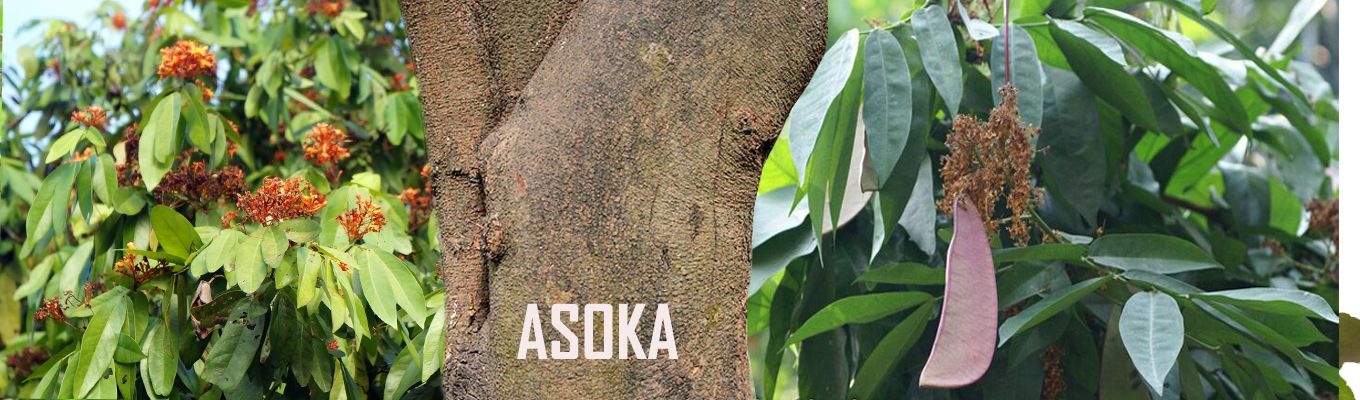
In the heart of India's lush forests and sacred temple gardens stands a tree that has captivated hearts and minds for millennia. The Ashoka tree (Saraca asoca), whose very name means "without sorrow" in Sanskrit, represents one of nature's most profound gifts to humanity—a living bridge between spiritual tradition, ecological wisdom, and medicinal science.
A Tree Steeped in Legend
The Ashoka tree holds a revered place in Indian mythology, particularly in the epic Ramayana. When the demon king Ravana held Goddess Sita captive in Lanka, it was beneath the sheltering branches of an Ashoka tree in the famed Ashoka Vatika that she waited, embodying patience and resilience. This is where Hanuman first discovered her, marking the tree as an eternal symbol of hope emerging from sorrow. The tree's association with divine feminine strength has made it sacred to countless devotees across South Asia.
Beyond Hindu traditions, Buddhism also embraces the Ashoka's spiritual significance. According to sources, Queen Maya gave birth to Gautama Buddha under an Ashoka tree in the gardens of Lumbini, Nepal. This connection has elevated the tree to a symbol of enlightenment and new beginnings across Buddhist communities.
Nature's Pharmacy for Women's Health
While myths and legends surround the Ashoka tree, its reputation as a powerful medicinal plant is grounded in centuries of Ayurvedic practice and increasingly backed by modern science. The tree's bark, in particular, has been treasured as a natural remedy for women's health issues, earning it recognition as a "friend of women" in traditional medicine.
The bark contains an impressive array of bioactive compounds including haematoxylin, tannins, catechins, flavonoids, steroids, glycosides, and saponins. These compounds work synergistically to address various gynecological conditions, particularly menstrual irregularities, excessive bleeding (menorrhagia), dysmenorrhea, and other uterine disorders. Traditional Ayurvedic formulations like Ashokarishta and Ashokaghrita have been prescribed for generations to regulate menstrual cycles and tone the uterus.
Modern research is now validating what ancient healers knew intuitively. Studies have shown that Ashoka extracts possess uterotonic properties, helping to regulate hormone levels including FSH and LH, which are crucial for reproductive health. The tree's medicinal applications extend beyond gynecology—its bark and flowers have demonstrated antibacterial, antifungal, and antioxidant activities, making it useful in treating skin conditions, digestive issues, and inflammatory disorders.
Botanical Beauty and Ecological Importance
The Ashoka tree is a small to medium-sized evergreen that typically grows 6-9 meters tall, though it can reach heights up to 10 meters. Native to the Indian subcontinent, its natural range extends from the foothills of the Himalayas through the Western Ghats to Sri Lanka. The tree thrives as an understory species in moist, deciduous, and semi-evergreen forests, preferring the shade and humidity of rainforest environments.
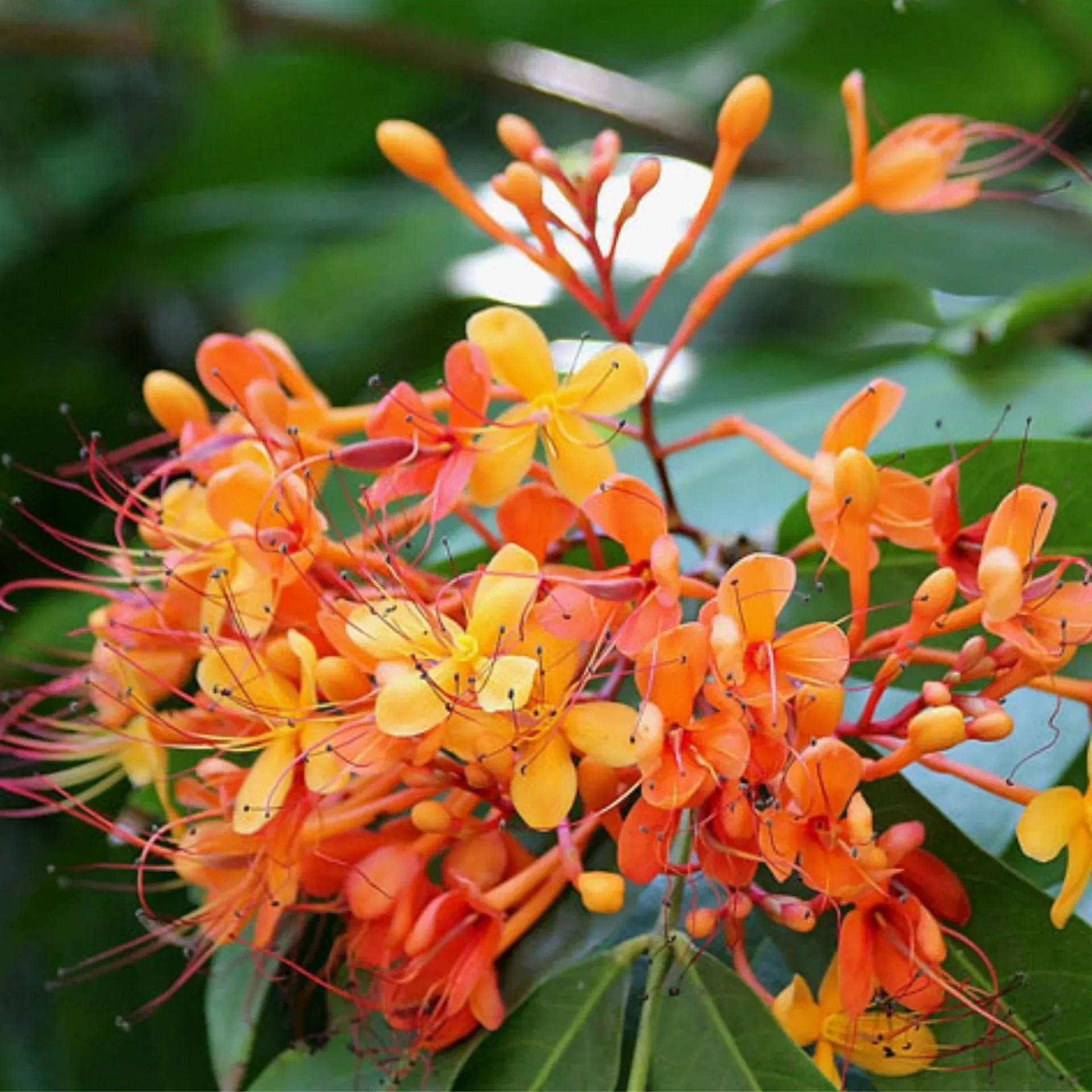
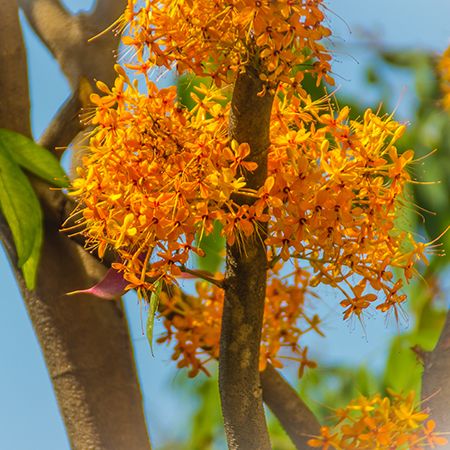
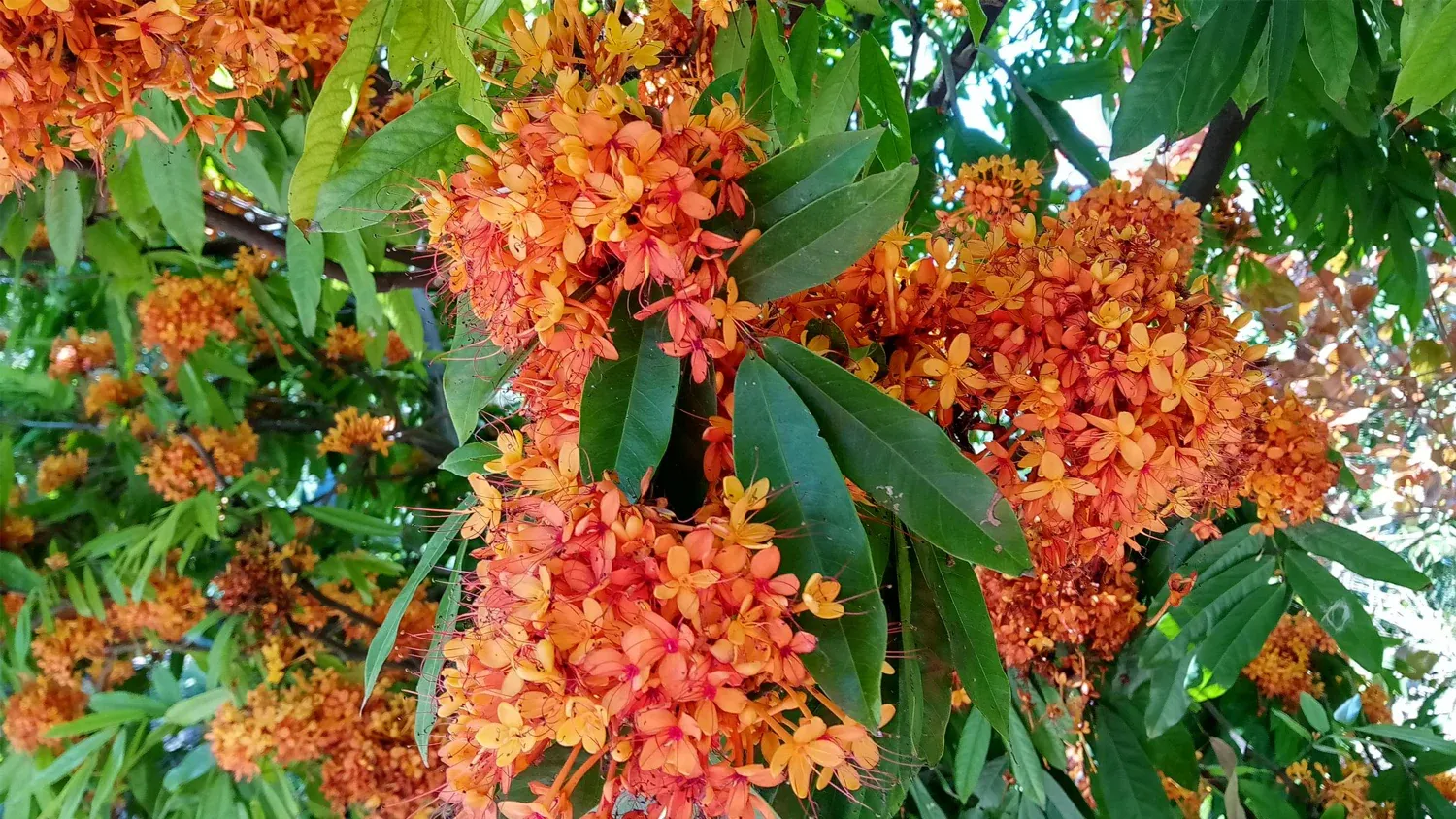
What makes the Ashoka truly spectacular is its flowering display. Between February and April, the tree produces dense clusters of fragrant flowers that begin as bright orange-yellow and mature into vivid vermillion-red. These blooms aren't just beautiful—they play a crucial ecological role, attracting pollinators including bees, butterflies, and birds, thereby supporting local biodiversity.
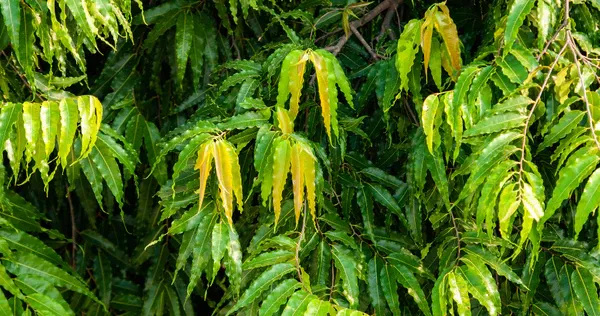
The tree's leaves are compound and pinnate, with 4-6 pairs of leaflets that emerge coppery-red before maturing to a lustrous dark green. This distinctive foliage, combined with the profusion of colorful flowers, has made the Ashoka a popular ornamental tree in gardens, parks, and temple courtyards throughout South and Southeast Asia.
A Species Under Threat
Despite its cultural importance and medicinal value, the Ashoka tree is classified as "Vulnerable" on the IUCN Red List, with populations declining by more than 30% over three generations. The primary threats include habitat loss, forest fragmentation, and perhaps most significantly, overexploitation to meet the growing demand from the herbal medicine industry.
The bark—the most medicinally valuable part of the tree—is harvested through destructive methods that often kill the tree. Recent studies in the Western Ghats, one of the world's biodiversity hotspots, have revealed critically low population sizes and fragmented genetic diversity. The unregulated extraction of Ashoka wood for traditional medicine has pushed many wild populations to the brink.
Adding to the conservation challenge is the tree's natural reproductive biology. Ashoka has a relatively low seed set, and its seeds face heavy predation in the wild. The species also exhibits slow germination rates, making natural regeneration difficult in degraded habitats. This combination of factors has created a conservation crisis for a tree that holds immense ecological, cultural, and economic value.
Conservation: A Shared Responsibility
Protecting the Ashoka tree requires a multi-pronged approach that balances traditional medicine needs with ecological sustainability. Conservation efforts are now underway across India, including:
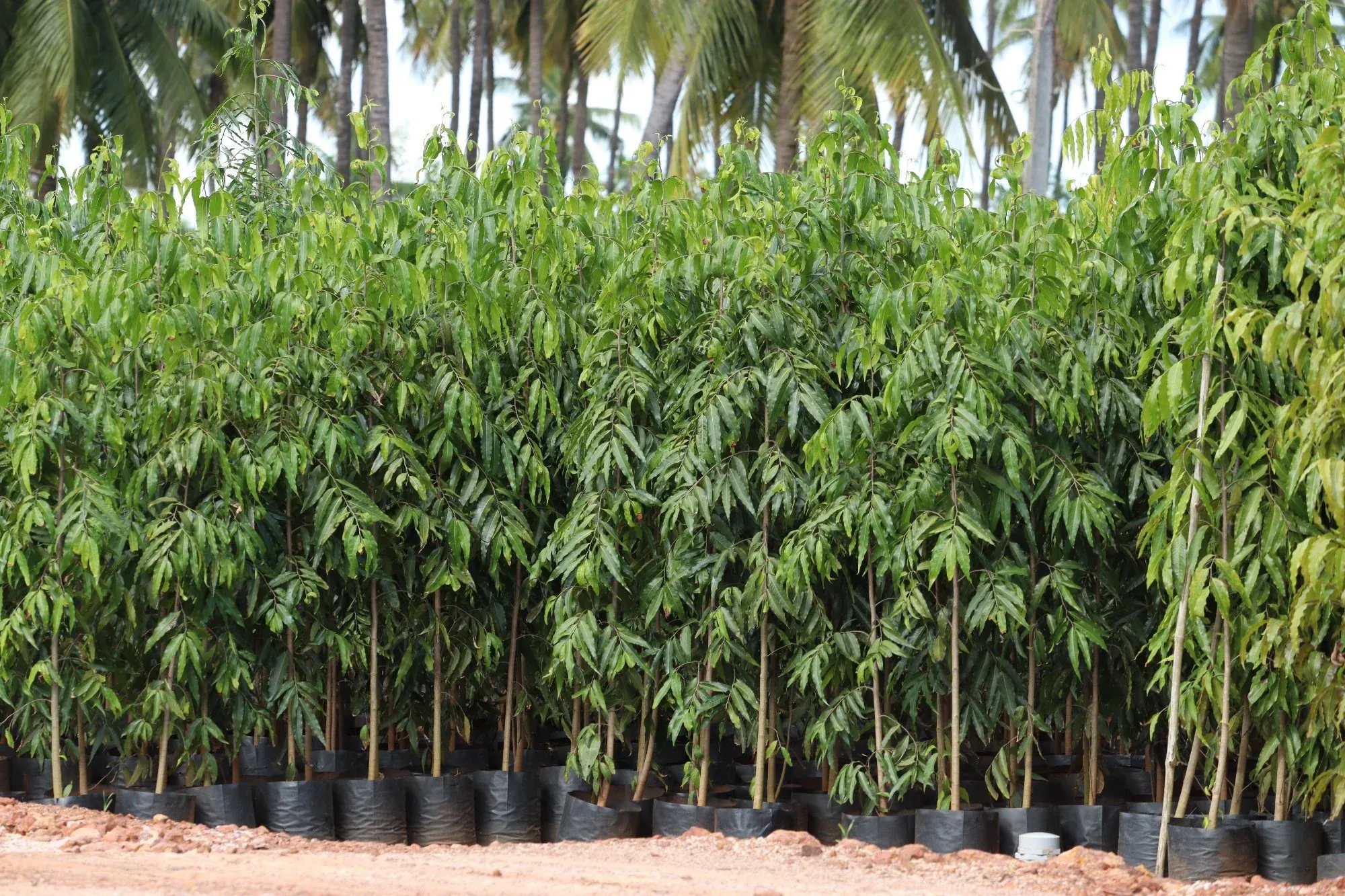
- Seed banking and nursery programs: Initiatives to collect seeds, improve germination rates, and cultivate saplings for reintroduction into protected areas
- Sustainable harvesting guidelines: Promoting bark collection methods that don't kill mature trees and encouraging cultivation in agroforestry systems
- Habitat restoration: Protecting and restoring natural forest habitats in the Western Ghats and other biodiversity hotspots
- Community engagement: Working with traditional healers and local communities to develop sustainable harvesting practices
Organizations like the Foundation for Revitalization of Local Health Traditions have included Saraca asoca in their list of 112 threatened medicinal plants requiring urgent conservation action. The Medicinal Plant Board of India has also prioritized the species for conservation and cultivation programs.
How You Can Help
As individuals and communities, we have the power to contribute to Ashoka conservation:
-
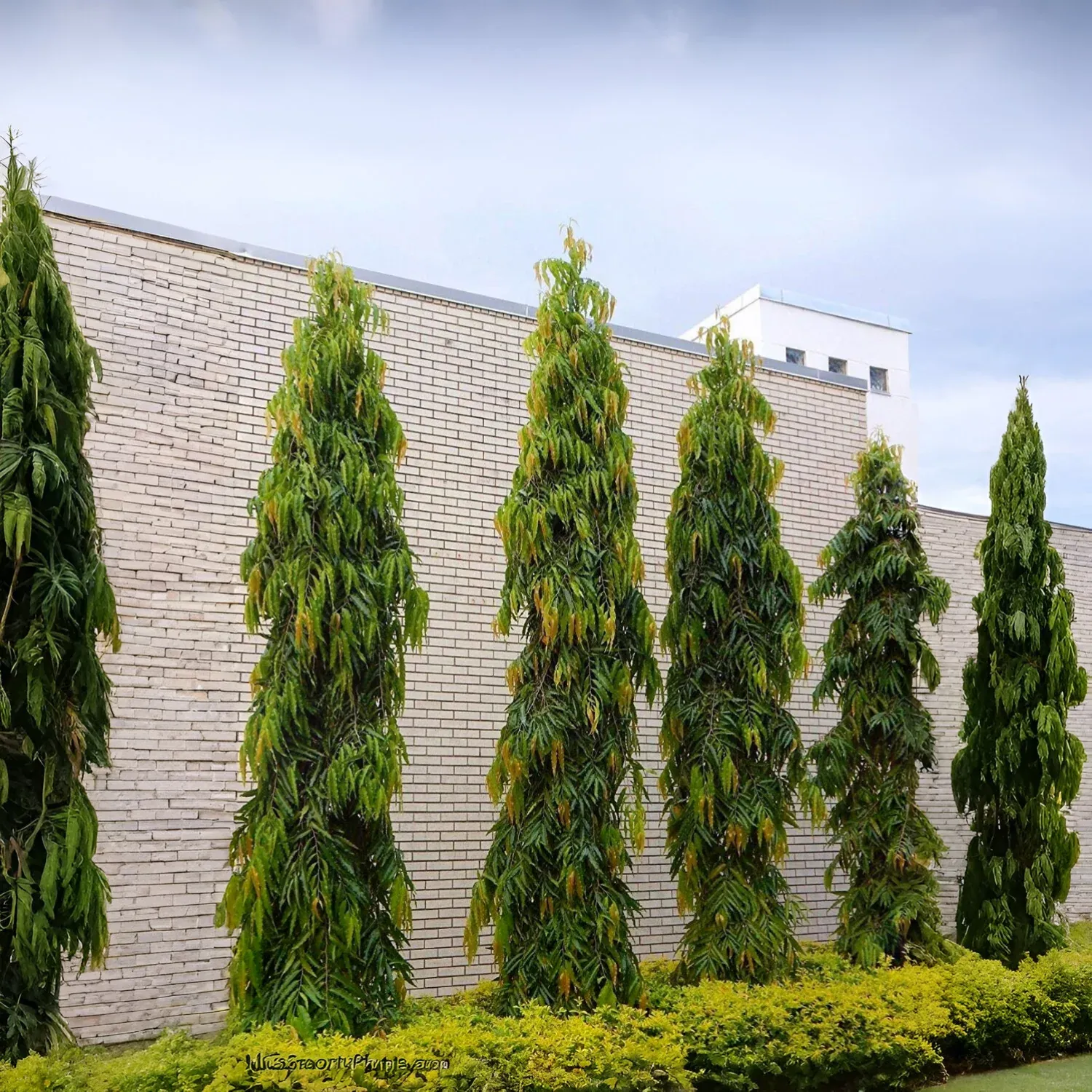
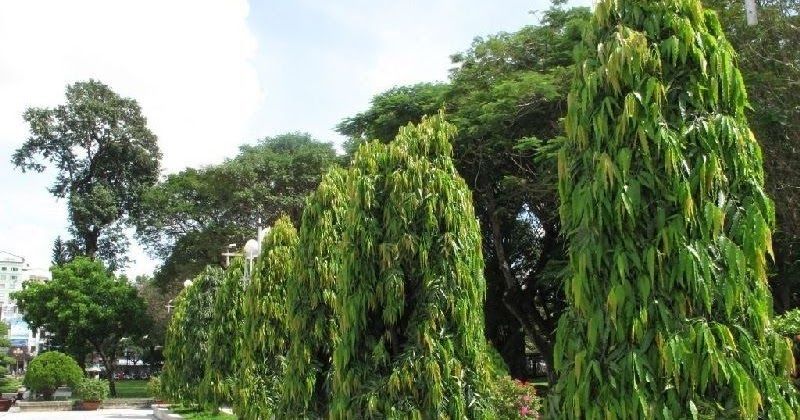
Plant an Ashoka tree: If you have space in your garden or community, consider planting an Ashoka tree. Choose authentic Saraca asoca (not the commonly mistaken Polyalthia longifolia, known as "false Ashoka")
-
Support sustainable herbal products: When purchasing Ayurvedic medicines containing Ashoka, look for products from companies committed to sustainable sourcing and cultivation
-
Raise awareness: Share knowledge about the Ashoka tree's endangered status and the importance of protecting India's medicinal plant heritage
-
Support conservation organizations: Contribute to or volunteer with groups working to protect endangered medicinal plants
A Living Legacy
The Ashoka tree stands at the intersection of culture, medicine, and ecology—a living testament to the interconnectedness of human well-being and environmental health. Its name, meaning "without sorrow," reminds us that nature provides not just physical healing but emotional and spiritual solace as well.
As we face mounting environmental challenges, the story of the Ashoka tree offers both a warning and an opportunity. The warning is clear: even species deeply woven into our cultural fabric can vanish if we don't act responsibly. The opportunity lies in recognizing that conservation is not just about protecting nature—it's about preserving the knowledge, traditions, and healing resources that have sustained communities for millennia.
By protecting the Ashoka tree, we honor the wisdom of those who came before us and ensure that future generations can continue to find hope, healing, and inspiration beneath its flowering branches. In saving this tree, we save a part of ourselves—our history, our health, and our connection to the natural world.
The Ashoka tree reminds us that true healing encompasses body, mind, and spirit—and that our own well-being is inseparable from the health of the forests, the rivers, and all living beings with whom we share this planet.
FAQs
1. What is the difference between Ashoka tree and False Ashoka tree?
True Ashoka (Saraca asoca) is a small, spreading tree with compound leaves and fragrant orange-red flower clusters. False Ashoka (Polyalthia longifolia) is a tall, columnar tree with simple leaves and small green flowers, used mainly for landscaping.
2. What are the medicinal benefits of Ashoka tree for women?
Ashoka bark acts as a uterine tonic that regulates menstrual cycles, reduces pain and excessive bleeding, and helps balance reproductive hormones.
3. How can I grow an Ashoka tree at home?
Plant in partial shade with well-drained, fertile soil and regular moisture. Water consistently during early years and apply organic fertilizer twice yearly.
4. Is the Ashoka tree endangered or protected?
Yes, it's classified as "Vulnerable" on the IUCN Red List due to habitat destruction and overexploitation for herbal medicine.
5. What is the significance of the Ashoka tree in Hindu mythology?
In the Ramayana, Goddess Sita took refuge under Ashoka trees in Ashoka Vatika, making it a symbol of hope and feminine strength. In Buddhist tradition, Queen Maya gave birth to Buddha under an Ashoka tree.
6. Can Ashoka tree bark be used for skin problems?
Yes, the bark contains antibacterial and anti-inflammatory compounds effective for treating acne, eczema, psoriasis, and other skin conditions.
7. Where is the Ashoka tree found naturally in India?
It grows naturally in the Western Ghats, central Deccan Plateau, and Himalayan foothills, particularly in Kerala, Maharashtra, Karnataka, West Bengal, and Meghalaya.
8. How long does it take for an Ashoka tree to flower?
Ashoka trees take 5-8 years to flower from seed. Once mature, they bloom annually from February to April with orange-yellow flowers that turn vibrant red.