A Thorny Native That Thrives in Dry Landscapes
The babool tree is one of the most resilient native trees found across India’s dry and semi-arid regions. Often seen growing along roadsides, farmlands, and open landscapes, it survives in conditions where many other trees struggle to establish.
Known scientifically as Vachellia nilotica (previously classified as Acacia nilotica), the babool tree belongs to the legume family. It is widely distributed across Africa, the Middle East, and the Indian subcontinent, where it has adapted to heat, drought, and nutrient-poor soils.
Despite its tough appearance—with sharp thorns and rough bark—the babool tree plays an important ecological and economic role in the landscapes it inhabits.
Built for dry and demanding conditions
The babool tree is naturally suited to arid and semi-arid environments.
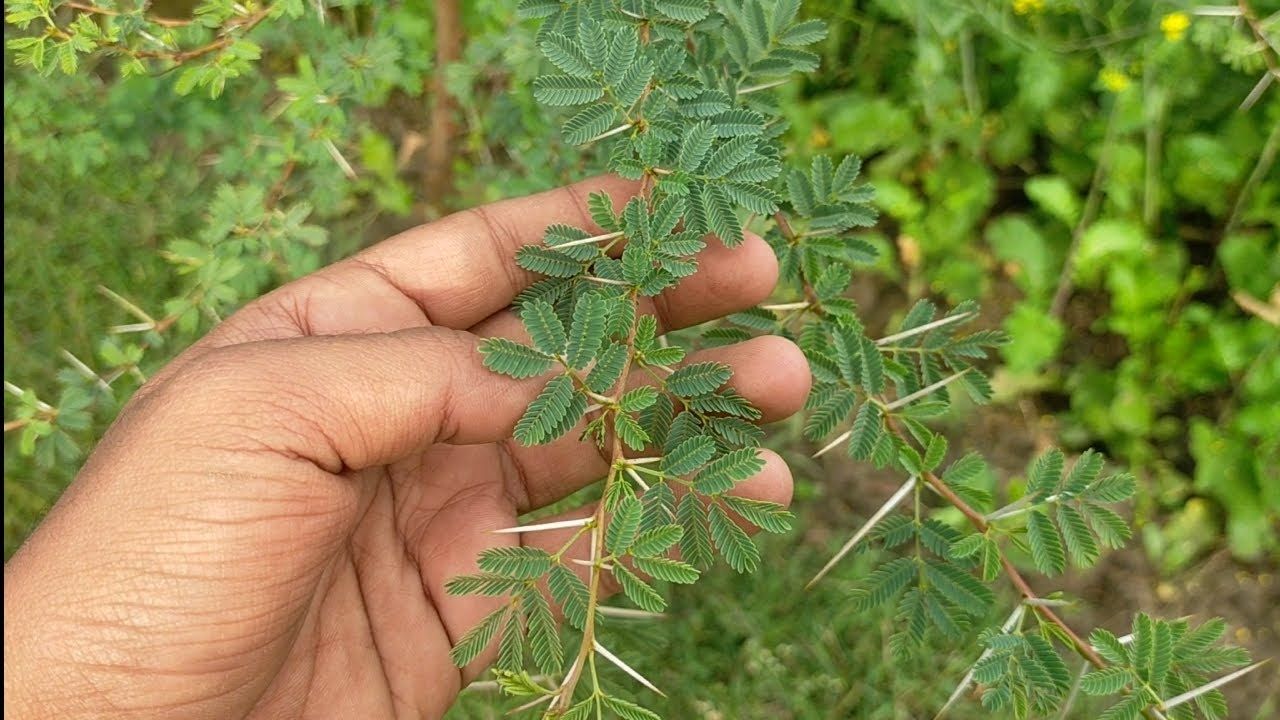
It grows well in regions with low rainfall, high temperatures, and poor soil quality. Its deep root system allows it to access groundwater, while its small leaves reduce water loss during hot conditions. These adaptations help the tree survive prolonged dry periods.
Because of its ability to grow in degraded soils, babool is often one of the first species to establish itself in disturbed landscapes. Over time, it contributes to improving soil conditions and creating a more stable environment for other plants.
The adaptability and distribution of Vachellia nilotica are well documented in global plant databases, reflecting its role as a hardy species across multiple regions.
A thorny structure with a purpose
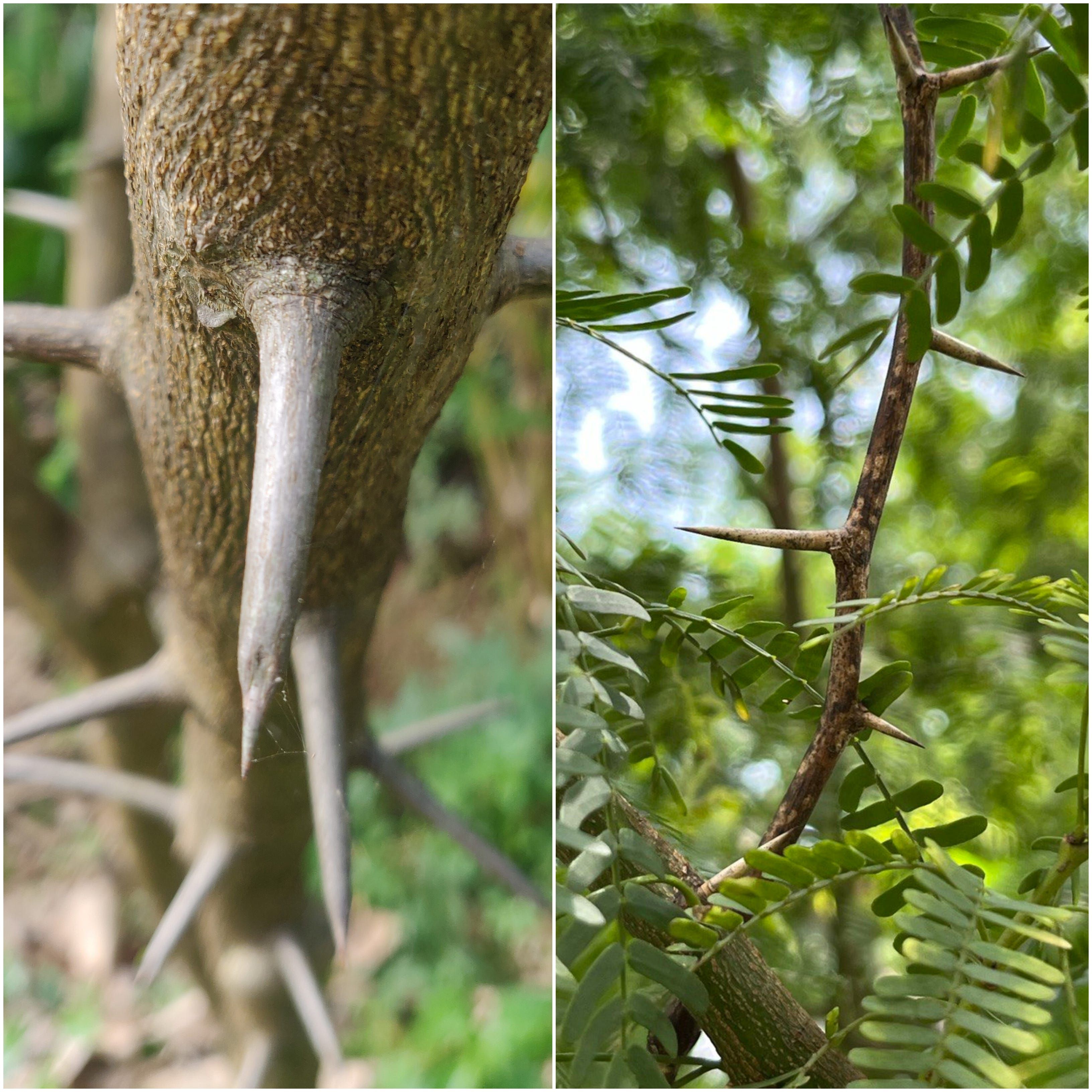
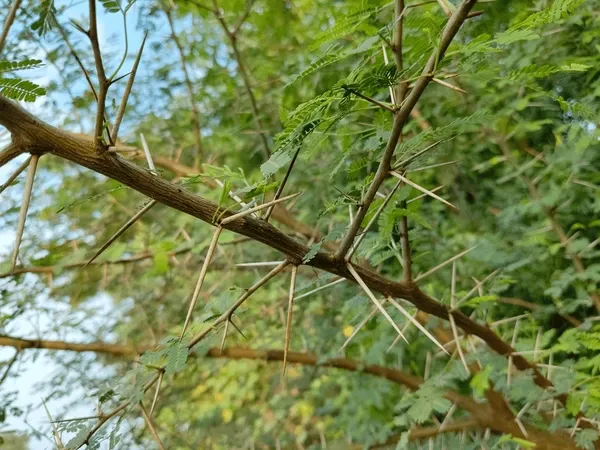
One of the most noticeable features of the babool tree is its thorns.
These thorns are not just defensive structures—they are adaptations that help protect the tree from grazing animals in open landscapes. In regions where livestock and wild herbivores are common, this protection allows the tree to survive and mature.
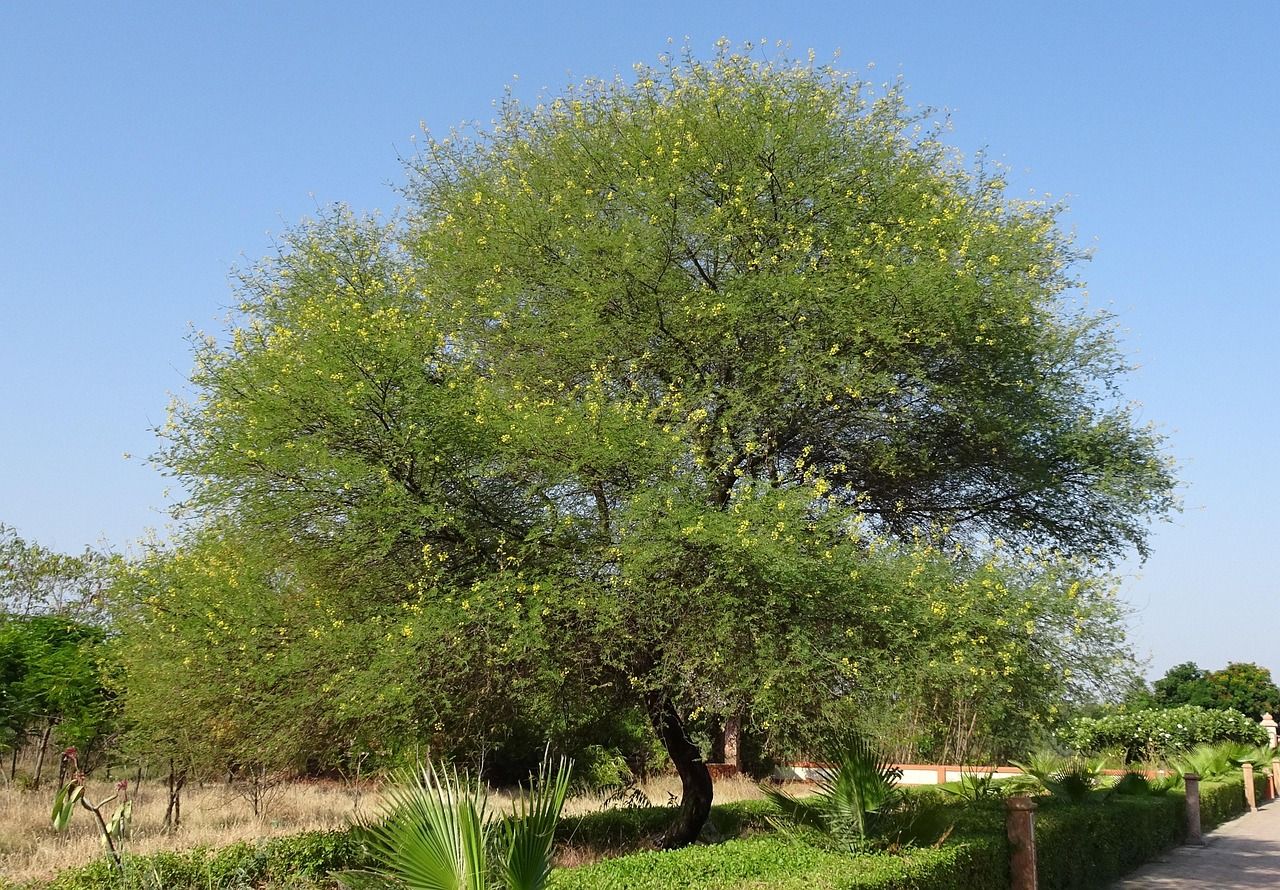
The tree typically grows between 5 and 20 metres tall, depending on environmental conditions. Its canopy spreads outward with fine, feathery leaves that create light shade beneath the tree.
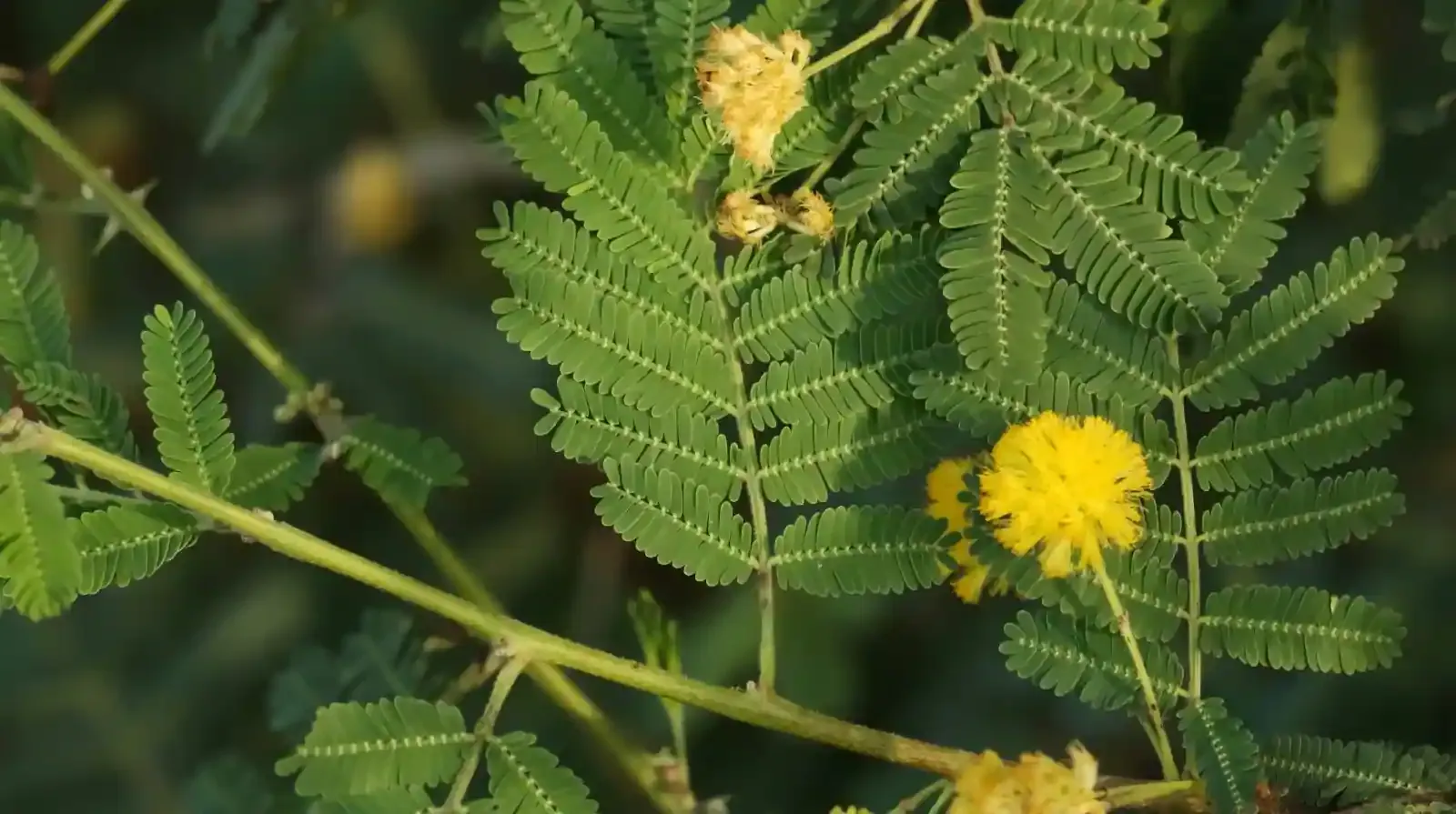
The bark is dark and rough, and the tree produces small, yellow, spherical flowers that eventually develop into seed pods.
A nitrogen-fixing tree that improves soil
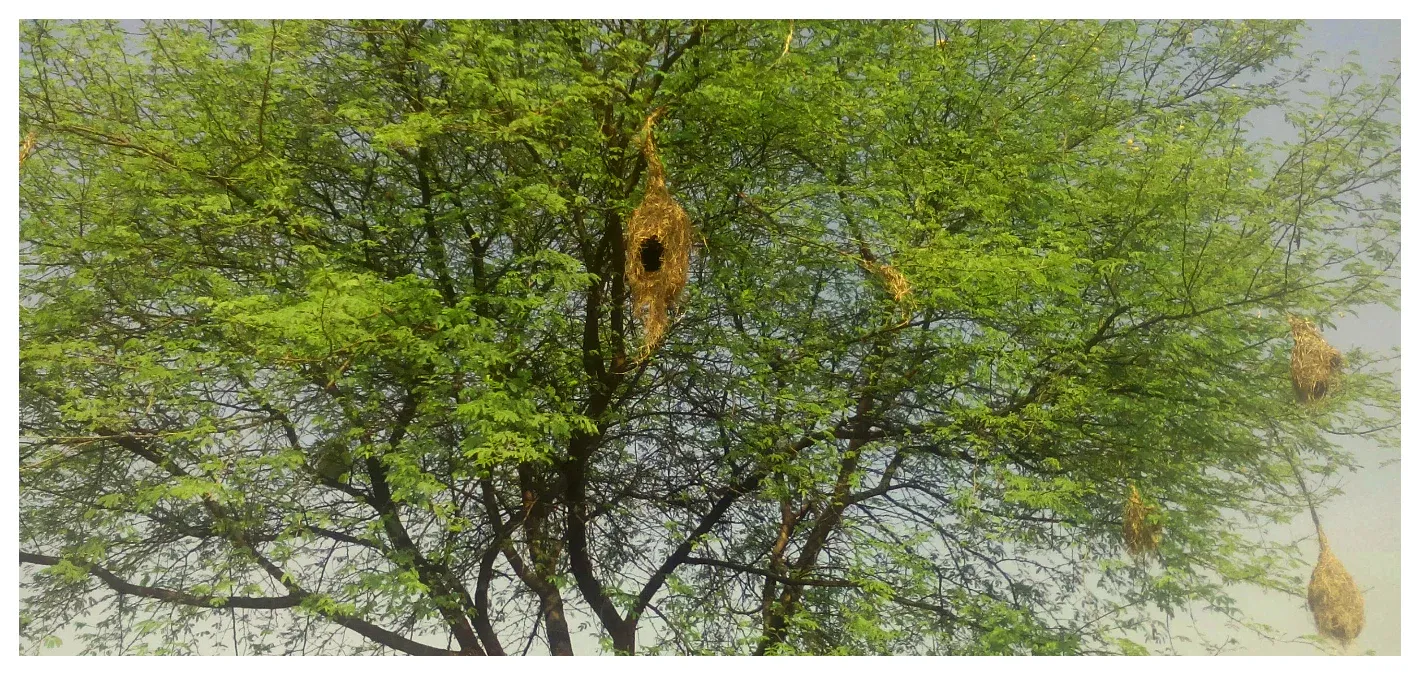
Like many members of the legume family, the babool tree plays a role in improving soil fertility.
Its roots form symbiotic relationships with nitrogen-fixing bacteria, allowing the tree to convert atmospheric nitrogen into a form that enriches the soil. This process helps improve soil quality over time, especially in degraded or nutrient-poor areas.
Because of this ability, babool trees are often used in land restoration and agroforestry systems. They help prepare the ground for other crops and vegetation by gradually improving soil conditions.
The importance of nitrogen-fixing trees in sustainable land management is widely explored in agroforestry systems that integrate trees and crops.
Uses of the babool tree
The babool tree has been used for a wide range of purposes across rural and agricultural communities.
Its wood is dense and durable, making it suitable for fuelwood and construction in certain applications. The bark contains tannins that are used in traditional leather processing. Gum extracted from the tree has applications in food and pharmaceuticals.
In many regions, babool leaves and pods are used as fodder for livestock, especially during dry seasons when other sources of feed are limited.
Because of its multiple uses, babool is often considered a multipurpose tree that supports both livelihoods and local economies.
Babool in agricultural landscapes
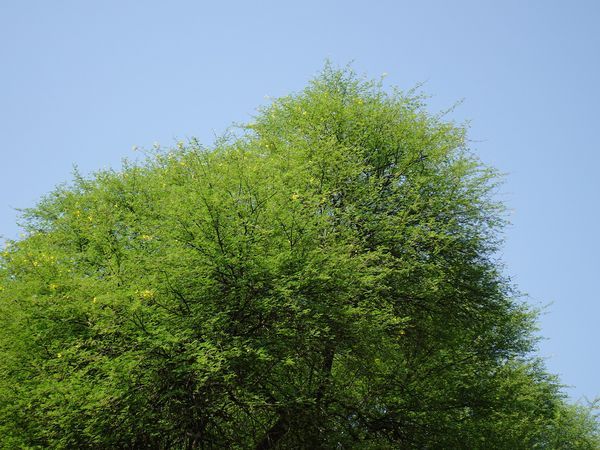
The babool tree is commonly found in agricultural settings, particularly in regions with dry climates.
Farmers often retain babool trees on field boundaries or integrate them into agroforestry systems. These trees provide shade, improve soil fertility, and act as windbreaks that protect crops from strong winds.
However, babool trees must be managed carefully. In some cases, dense growth can compete with crops for water and nutrients if not spaced properly.
Balancing tree cover with crop production is an important aspect of agroforestry design, particularly in water-limited environments.
Ecological role in dry ecosystems
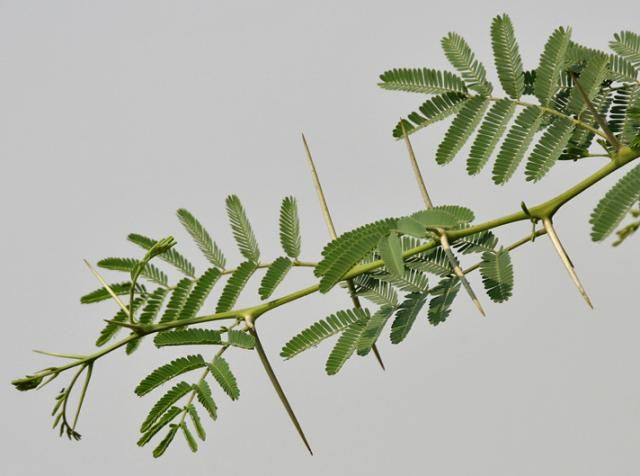
Babool trees contribute to the ecological stability of dry landscapes.
They provide habitat for birds, insects, and small animals. Their flowers attract pollinators, while their seed pods offer food sources for wildlife. The shade beneath the tree creates microhabitats that support smaller plants.
In degraded areas, babool trees can help initiate ecological recovery by stabilizing soil and improving nutrient availability.
Their presence often marks the beginning of vegetation regrowth in landscapes that have experienced overgrazing or soil erosion.
Climate resilience and environmental role
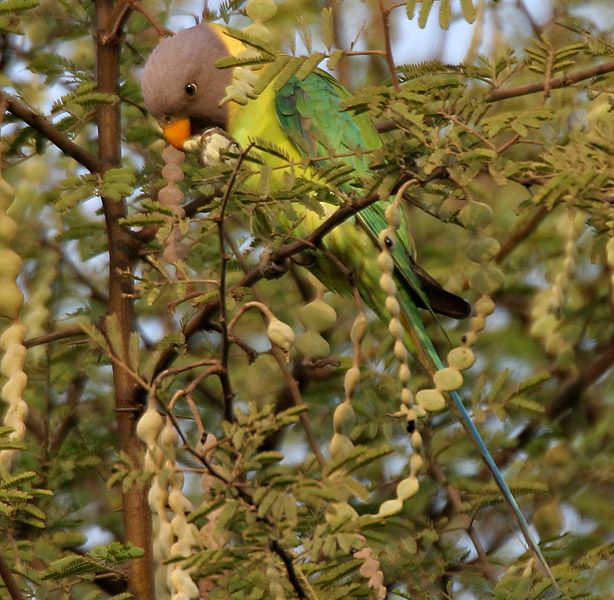
As climate conditions become more variable, resilient tree species like babool are becoming increasingly important.
The tree’s ability to tolerate drought and heat makes it suitable for regions facing water stress and rising temperatures. It can survive in environments where other species may fail, making it valuable for climate adaptation strategies.
Understanding how vegetation responds to climate stress is an important part of global environmental discussions, including those outlined in the IPCC Sixth Assessment Report on climate impacts and adaptation.
Trees like babool demonstrate how native species can contribute to resilience in changing climates.
Where the babool tree fits today
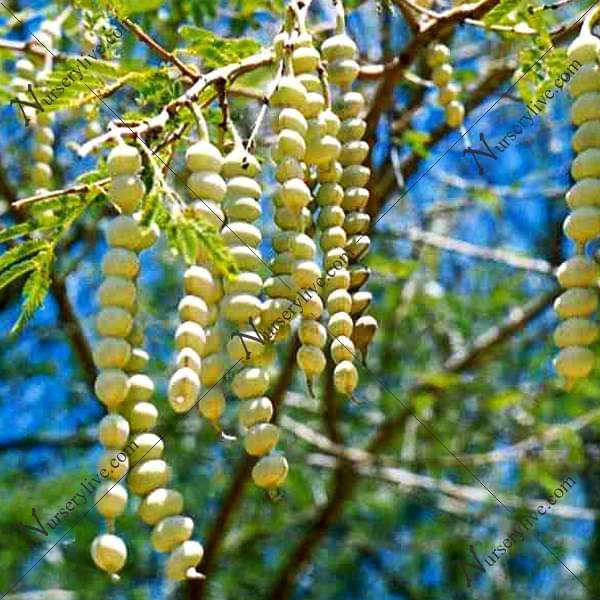
The babool tree is often overlooked because it grows in harsh environments and lacks the visual appeal of ornamental species.
Yet its importance lies in its function rather than its appearance. It stabilizes soil, supports livelihoods, and survives where many other trees cannot.
In dryland agriculture and restoration projects, babool continues to play a practical role. It is not a tree of dense forests or urban avenues. It is a tree of open land, grazing fields, and semi-arid ecosystems.
And in those landscapes, its presence is essential.
FAQs
1. What is the babool tree?
The babool tree is a hardy, drought-resistant tree commonly found in dry regions. Its scientific name is Vachellia nilotica.
2. Where does the babool tree grow best?
Babool trees grow best in arid and semi-arid climates with high temperatures. They can survive in low rainfall and poor soil conditions.
3. Why does the babool tree have thorns?
The thorns protect the tree from grazing animals in open landscapes. This helps it survive in regions with heavy livestock activity.
4. Is the babool tree good for soil fertility?
Yes, babool improves soil by fixing nitrogen through its roots. This helps enrich nutrient-poor soils over time.
5. What are the main uses of the babool tree?
Babool is used for fuelwood, timber, gum, and livestock fodder. It also has traditional medicinal and industrial uses.
6. Can babool trees grow in poor soil?
Yes, babool trees are highly adaptable and grow well in degraded soils. They are often among the first species to establish in such areas.
7. Is babool tree drought-resistant?
Yes, babool is highly drought-tolerant and can survive long dry periods. Its deep roots help access underground water.
8. Are babool trees suitable for agroforestry?
Yes, babool trees are widely used in agroforestry systems. They improve soil quality and provide shade and wind protection.
9. How tall does a babool tree grow?
A babool tree typically grows between 5 and 20 metres tall. Its size depends on climate and soil conditions.
10. What is another name for the babool tree?
Babool is also known as Acacia nilotica, its older scientific name. Today, it is classified as Vachellia nilotica.