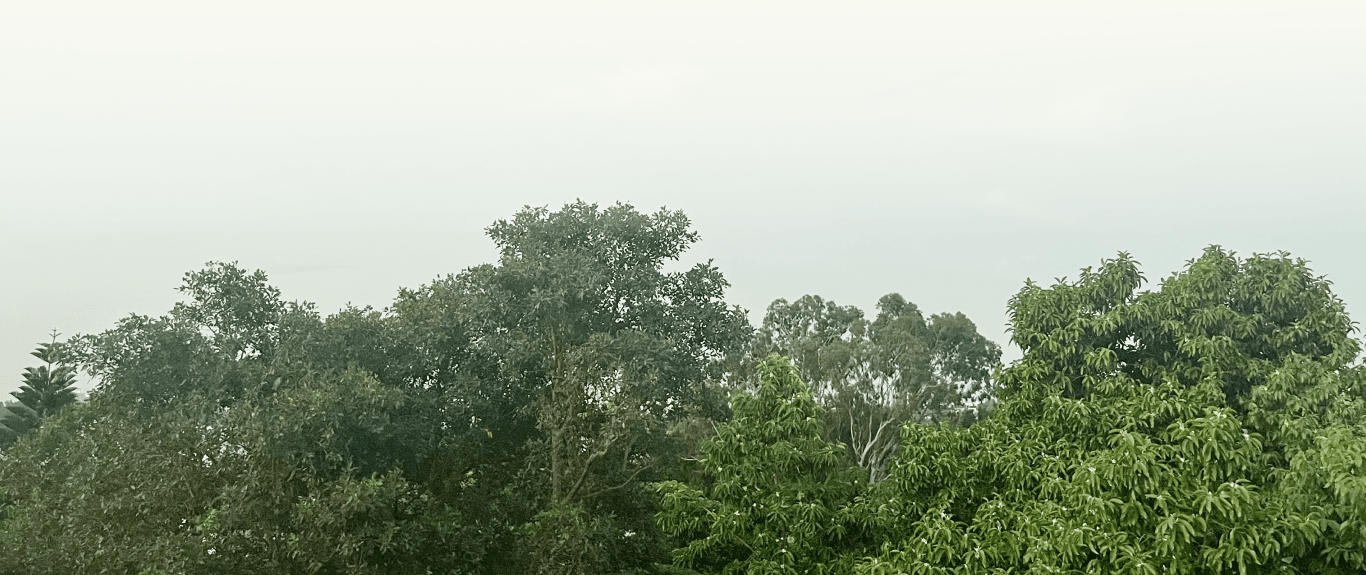
A Coastal Giant That Changes With the Seasons
The badam tree is one of the most recognisable shade trees across tropical cities. Wide branches stretch outward like an umbrella. Leaves turn red and copper before falling. And during certain months, the tree drops almond-like seeds that many people know simply as “badam.”
Botanically known as Terminalia catappa, the badam tree is native to tropical regions of Asia and the Pacific but is now widely planted across coastal belts around the world. It thrives in warm climates, tolerates salty air, and grows well in sandy soils where many other trees struggle.
More than just a roadside tree, the badam plays an important role in coastal ecosystems, urban landscapes, and local food traditions.
A tree built for coastal landscapes
Few trees adapt to coastal environments as comfortably as the badam tree.
Salt spray, strong winds, and sandy soil create difficult conditions for most plants. The badam tree’s structure helps it survive these pressures. Its roots spread widely rather than deeply, anchoring the tree in loose soil while allowing it to absorb surface moisture. The thick leaves reduce water loss and protect the plant during periods of intense sunlight.
Because of these characteristics, the badam tree is commonly planted along beaches, promenades, and coastal roads. It acts as a natural buffer against wind and heat while providing shade in places where vegetation can otherwise be sparse.
Discussions of coastal vegetation frequently highlight species like Terminalia catappa for their resilience and adaptability, especially in tropical shoreline ecosystems, as described in resources such as Encyclopaedia Britannica.
A canopy designed for shade
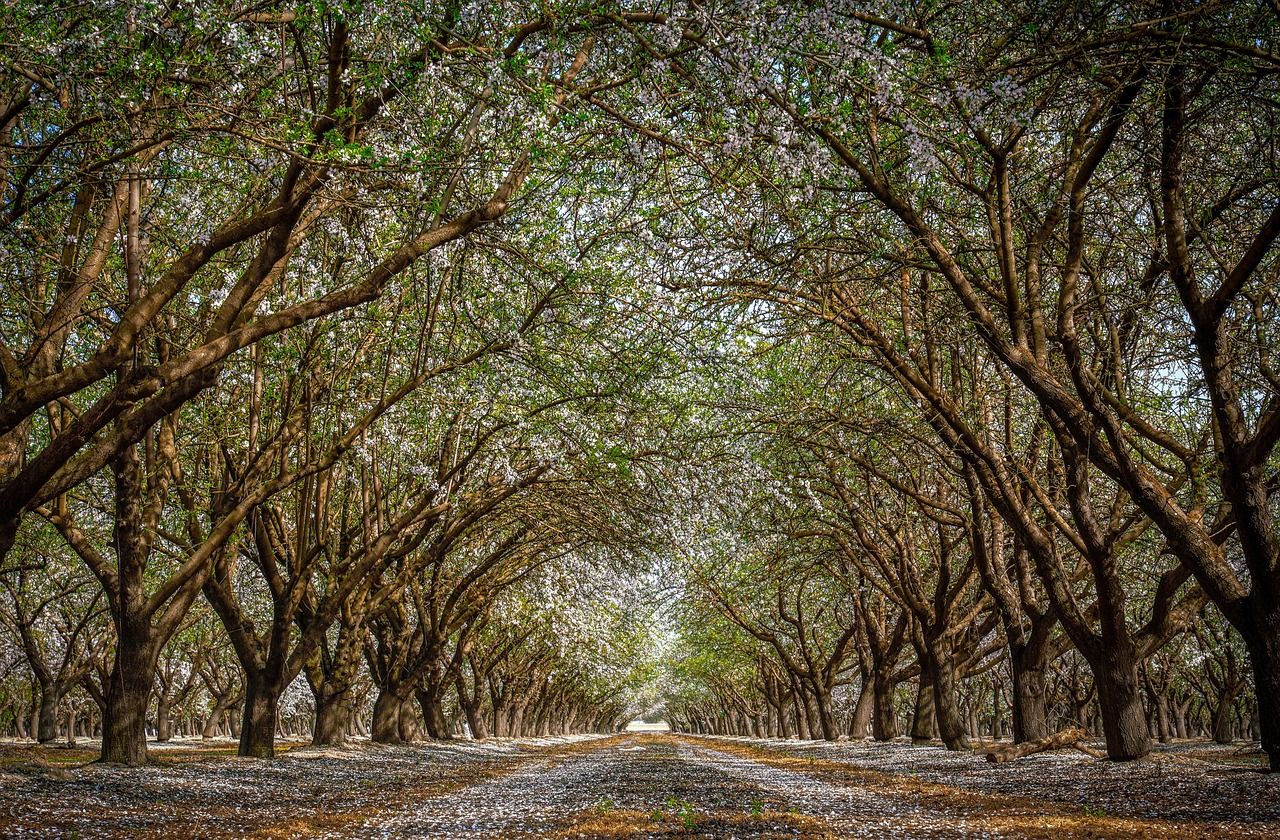
The badam tree is easy to identify because of its layered structure.
Branches grow outward in horizontal tiers, forming a wide, spreading canopy. When fully grown, the tree can reach heights of 20–30 metres while casting dense shade beneath. This architecture is not accidental. It allows the tree to capture sunlight efficiently while maintaining stability in windy environments.
The large leaves play another important role. They help regulate temperature beneath the canopy, creating cooler microclimates in open urban spaces. In tropical cities where paved surfaces trap heat, trees like the badam help moderate temperatures and improve outdoor comfort.
Urban forestry studies often emphasise the cooling benefits of shade trees in tropical environments, a role explored in broader discussions of green infrastructure and climate adaptation, including those reflected in the IPCC’s assessment of ecosystem-based adaptation.
A tree that changes colour
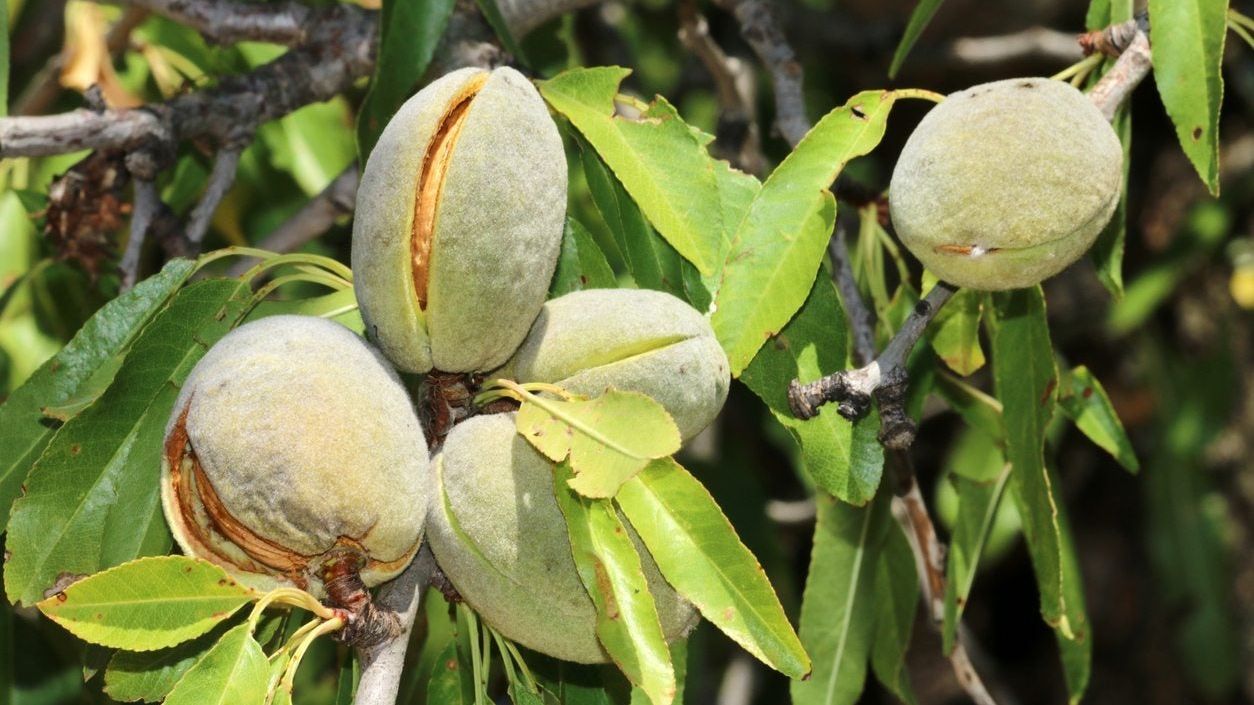
One of the most striking features of the badam tree is its seasonal transformation.
Unlike many tropical trees that remain green year-round, the badam tree sheds its leaves once or twice annually. Before they fall, the leaves turn shades of red, orange, and bronze. For a short period, entire streets lined with badam trees appear almost autumn-like.
This colour change happens because chlorophyll breaks down in the leaves before they are shed, revealing other pigments that were previously hidden. The cycle allows the tree to conserve resources and prepare for new leaf growth.
In urban areas, this seasonal shift gives the badam tree a distinctive identity. Even in tropical climates that rarely experience dramatic seasonal change, the badam tree briefly introduces the colours of autumn.
Fruits, seeds, and the “badam”
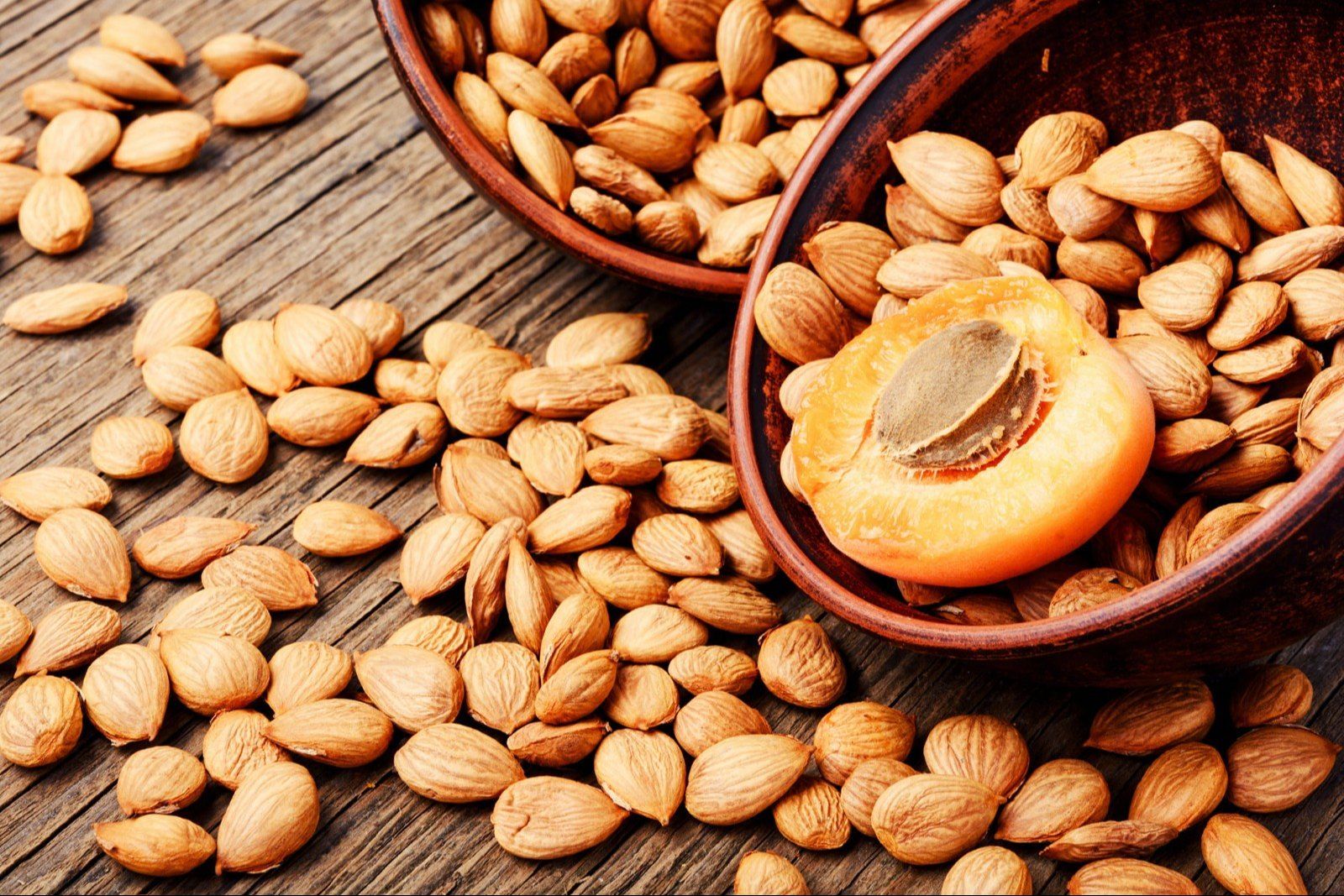
The fruit of the badam tree is often overlooked.
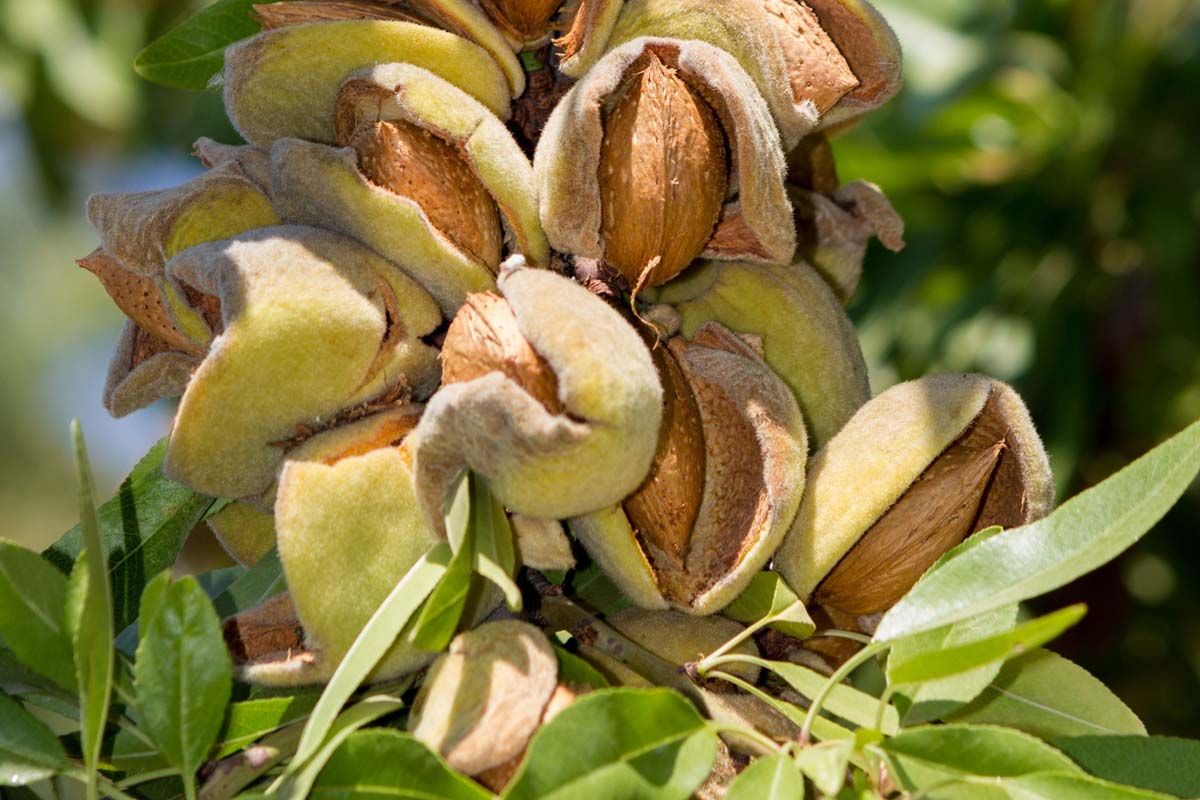
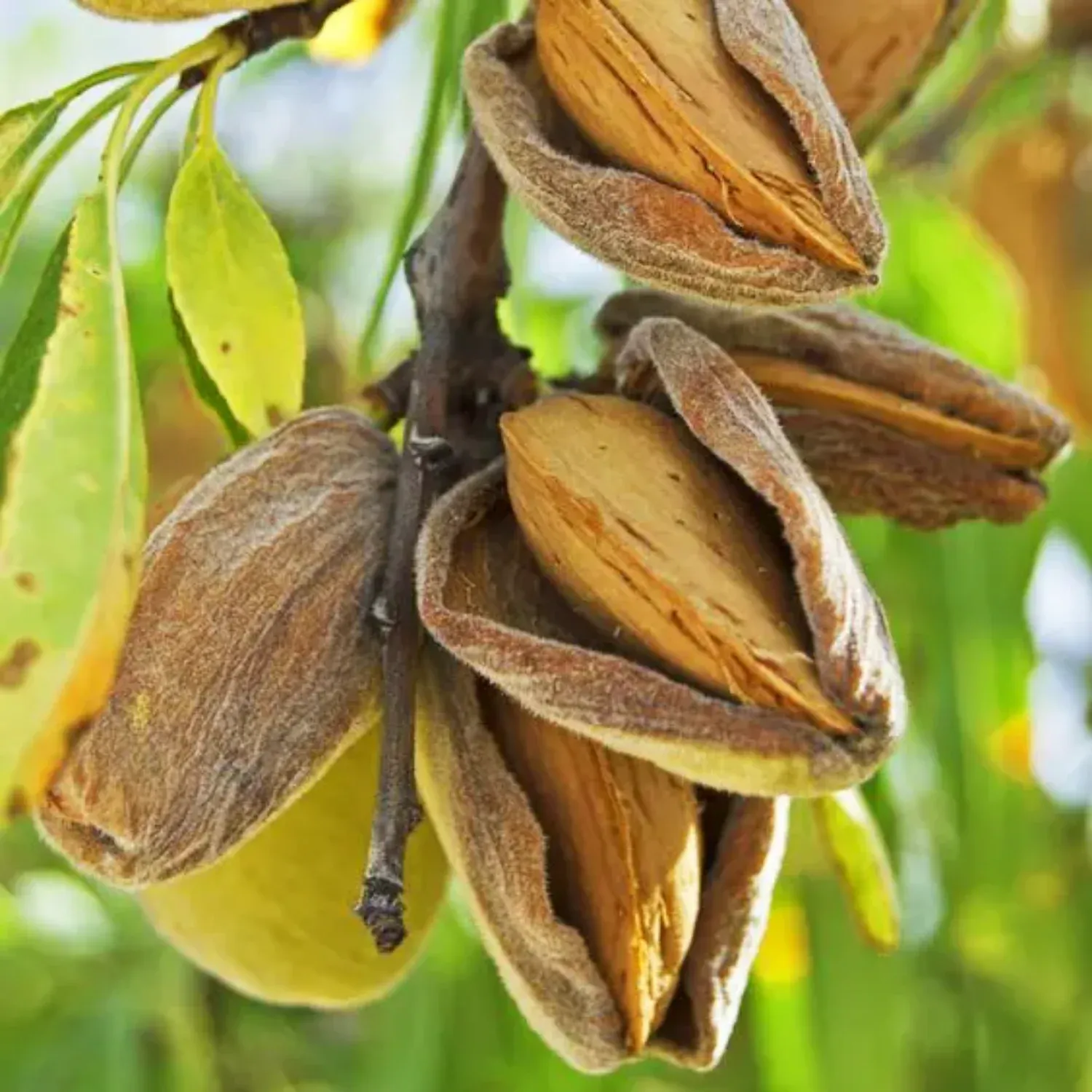
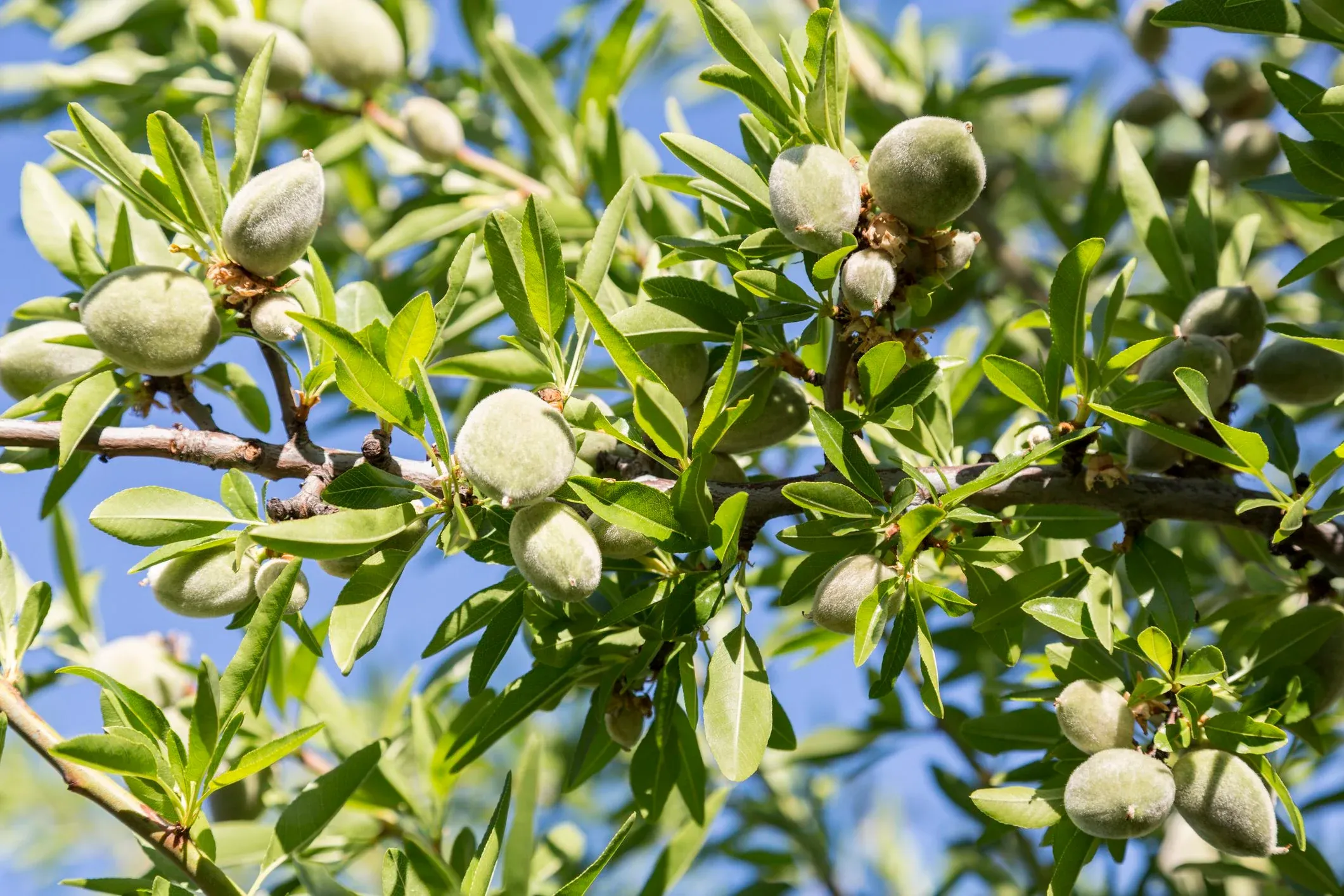
Small and oval, the fruit begins green and gradually turns yellow or red as it ripens. Inside is a hard shell containing an edible kernel. When cracked open, the kernel resembles an almond in flavour and texture, which is why it is commonly referred to as “badam.”
However, this kernel is not the same as the almond found in temperate orchards. Those almonds come from Prunus dulcis, a completely different species. The similarity lies only in taste and shape.
The seeds of Terminalia catappa are eaten in several tropical regions, though harvesting them requires cracking the tough outer shell.
The badam tree in urban ecosystems
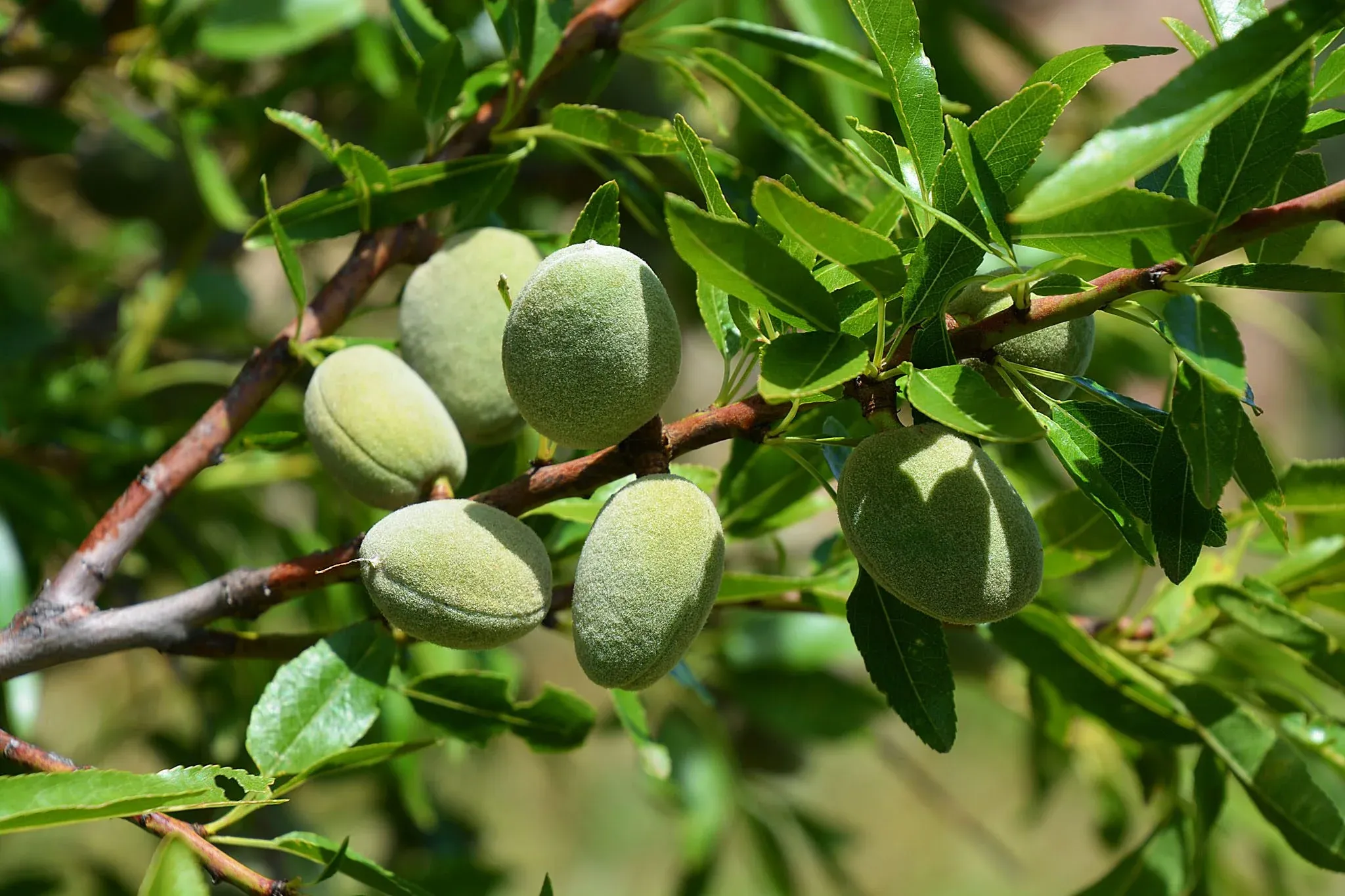
In many cities, the badam tree serves as a quiet piece of infrastructure.
Its broad canopy offers shade for pedestrians, cyclists, and parked vehicles. The fallen leaves contribute organic matter to the soil, supporting microorganisms and small invertebrates. Birds often perch in its wide branches, and insects feed on its foliage.
While the badam tree is not considered a keystone species in most ecosystems, it still contributes to urban biodiversity by creating microhabitats within built environments.
This is an important reminder that urban trees are not just decorative elements. They play measurable roles in temperature regulation, soil health, and habitat creation.
A tree with cultural familiarity
Across many parts of India, the badam tree is deeply familiar.
It lines roads, surrounds schools, and appears in public parks and coastal towns. Children often collect the fallen fruits, curious about the almond-like seed inside. In some places, the leaves are used in traditional practices, including aquaculture and herbal preparations.
These everyday interactions make the badam tree more than just a planted species. It becomes part of the cultural landscape of tropical cities.
Over time, familiarity builds recognition. Recognition builds value.
Where the badam tree struggles
Despite its adaptability, the badam tree is not suitable everywhere.
Its large canopy requires space, which can conflict with narrow streets or dense infrastructure. The heavy fruits and falling leaves can create maintenance challenges in highly urbanised settings. In colder climates, the tree struggles because it is sensitive to frost.
In addition, poorly planned planting can lead to root conflicts with pavements or underground utilities. Like many large shade trees, the badam works best when given adequate space to grow.
Recognising these limitations helps ensure that the tree is planted in environments where it can thrive rather than merely survive.
Where the badam tree fits today
The badam tree continues to hold value in tropical landscapes.
Its tolerance to coastal conditions, ability to provide dense shade, and resilience in warm climates make it useful for cities adapting to rising temperatures. As urban planners look for trees capable of surviving heat and salt exposure, species like Terminalia catappa remain practical options.
But the tree’s importance is not just ecological. It also reflects the relationship between cities and the natural systems around them.
When a badam tree spreads its branches across a hot street or coastal walkway, it performs a simple function—shade. Yet that function changes how people experience the space beneath it.
And sometimes, that is reason enough to plant it.
FAQs
1. What is the badam tree?
The badam tree, scientifically known as Terminalia catappa, is a tropical shade tree commonly found in coastal regions and cities. It is also called the Indian almond or tropical almond tree.
2. Is the badam tree the same as the almond tree?
No. The badam tree (Terminalia catappa) is different from the almond tree (Prunus dulcis). The seeds inside the badam fruit resemble almonds in taste but come from a different plant species.
3. Where does the badam tree grow best?
Badam trees grow best in warm tropical climates with plenty of sunlight and well-drained soil. They are especially common in coastal areas because they tolerate salt and sandy soil.
4. How tall does a badam tree grow?
A mature badam tree can grow between 20 and 30 metres tall. It forms a wide umbrella-shaped canopy that provides dense shade.
5. Why do badam tree leaves turn red before falling?
Badam tree leaves change colour because chlorophyll breaks down before leaf drop. This reveals red and orange pigments, creating a seasonal colour change even in tropical climates.
6. Are badam tree seeds edible?
Yes. The seeds inside the fruit are edible and have a flavour similar to almonds. They are sometimes eaten raw or roasted in tropical regions.
7. Is the badam tree good for urban areas?
Yes. The badam tree is often planted in parks, campuses, and roadsides because its large canopy provides shade and helps cool urban environments.
8. Do badam trees grow near the sea?
Yes. Badam trees are highly tolerant of salty air and sandy soil, which makes them suitable for coastal landscapes and beachside plantations.
9. How fast does a badam tree grow?
Badam trees grow at a moderate rate and can reach significant height within a few years in favourable tropical conditions.
10. What are the benefits of the badam tree?
Badam trees provide shade, improve urban microclimates, support biodiversity, and produce edible seeds. They are also widely used for coastal planting and landscape restoration.