A Coastal Palm That Connects Ecology, Food, and Livelihoods
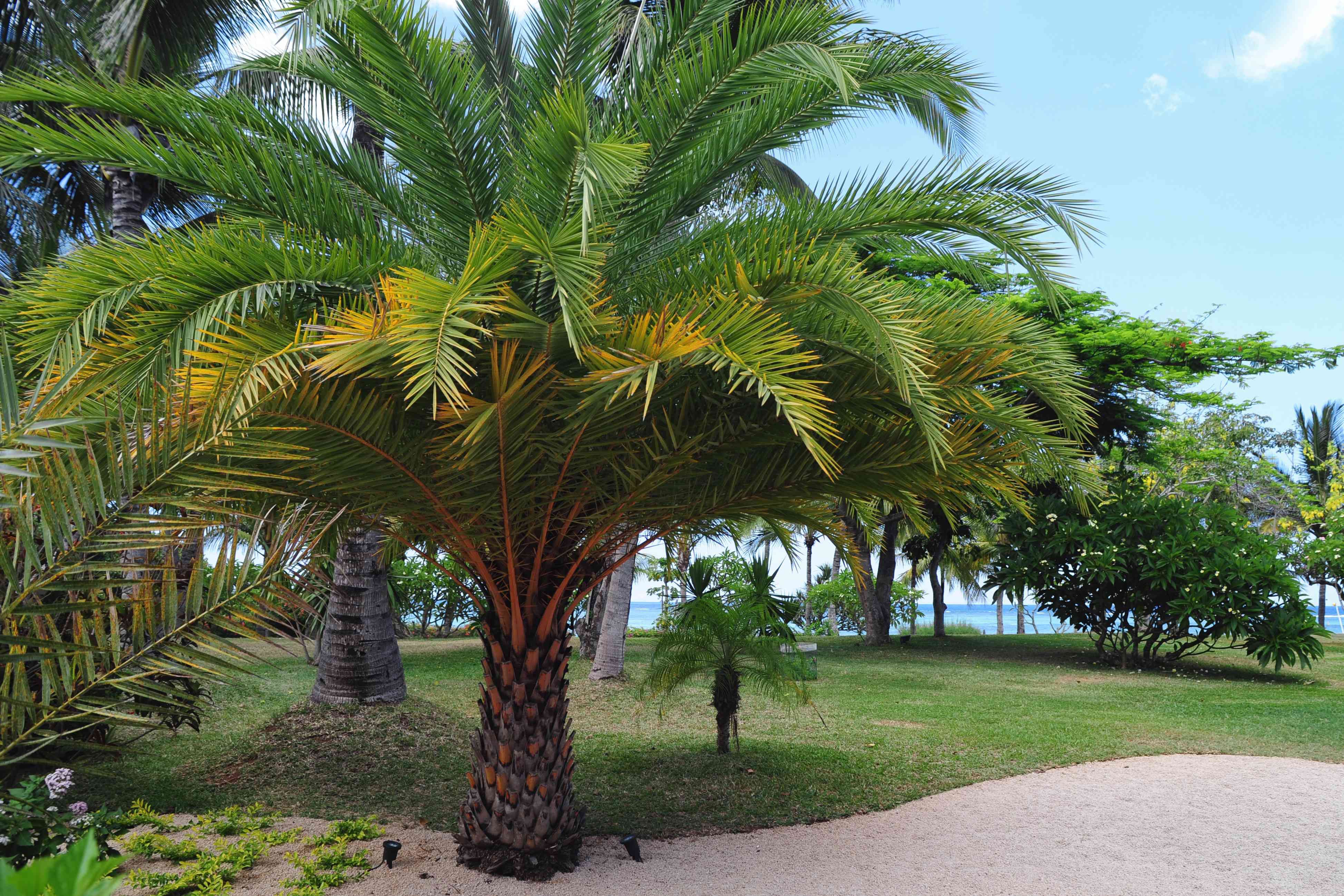
Few plants are as deeply woven into tropical landscapes as the coconut tree. From coastal villages to island economies, the coconut palm has supported food systems, livelihoods, and ecosystems for centuries. Its tall silhouette along shorelines has become almost symbolic of tropical regions, yet the importance of the coconut tree goes far beyond its visual identity.
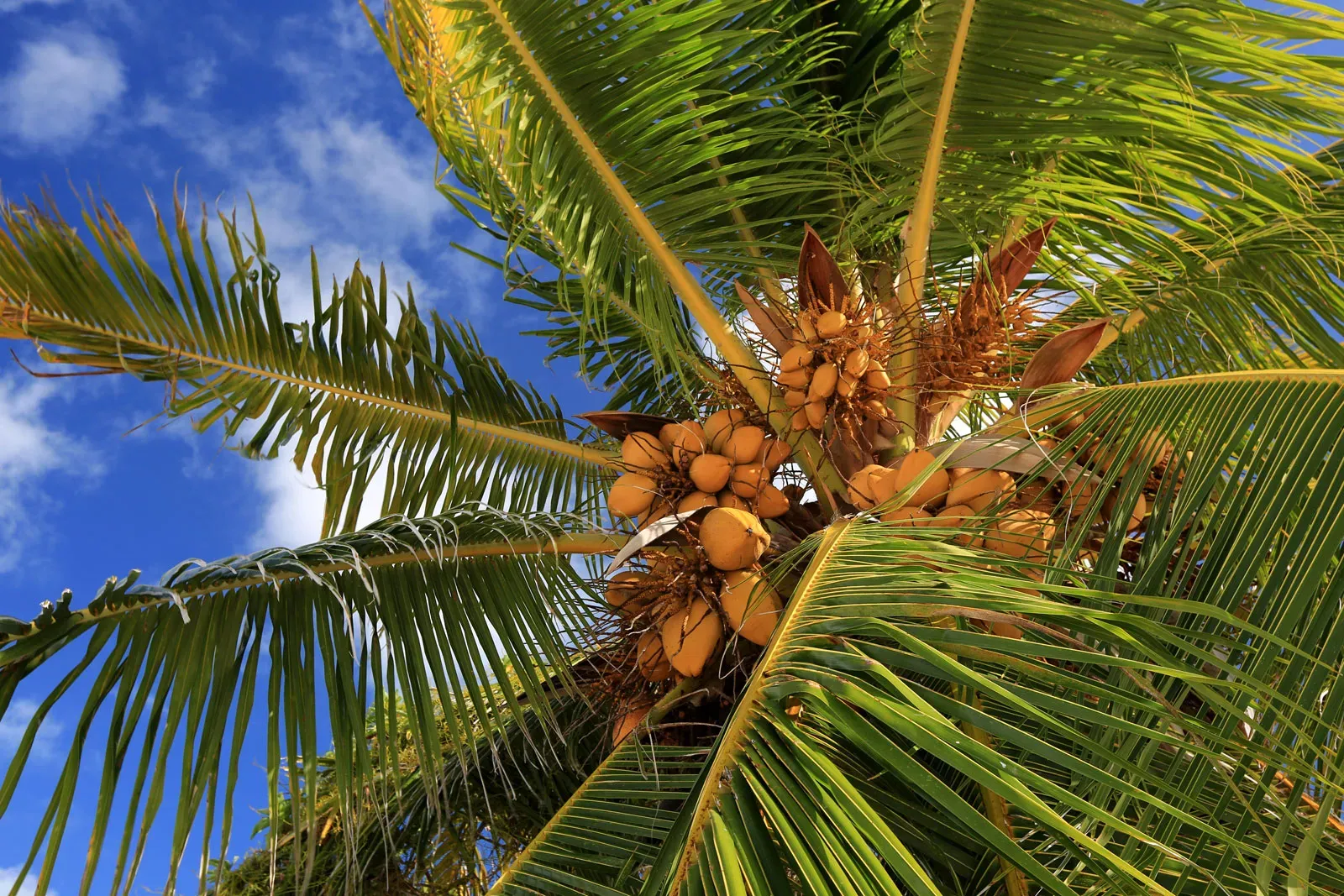
The coconut tree is scientifically known as Cocos nucifera, a species belonging to the palm family Arecaceae. Unlike hardwood trees with branching trunks and dense canopies, the coconut palm grows as a single upright column topped by a crown of long arching leaves. This structural design allows it to survive in environments where wind, salt spray, and sandy soils create challenging conditions for most vegetation.
Today, coconut palms grow across tropical regions of Asia, Africa, the Pacific Islands, and the Caribbean. Their global distribution is a result of both natural dispersal and centuries of human cultivation, a story that highlights the close relationship between the coconut tree and coastal societies.
A plant shaped by coastal environments
The coconut tree thrives where land meets the sea. Warm temperatures, high humidity, strong sunlight, and well-drained sandy soils create ideal conditions for its growth. These environments are often difficult for many other trees, yet the coconut palm has evolved characteristics that allow it to flourish.
Its root system spreads widely through the upper layers of soil rather than growing deeply. This helps stabilize loose sandy terrain while allowing the tree to absorb surface moisture quickly. The trunk remains flexible rather than rigid, enabling the palm to bend with strong coastal winds rather than break under pressure.
These adaptations make coconut palms particularly common along beaches and coastal plains. In many tropical regions they form part of the natural vegetation that stabilizes shorelines and supports coastal ecosystems. The botanical characteristics and global spread of coconut palms are described in plant databases such as the species entry for Cocos nucifera maintained by the Royal Botanic Gardens, Kew.
Because the fruit can float and survive long periods in seawater, coconuts are also capable of natural ocean dispersal. This ability allowed the plant to spread across tropical islands long before large-scale human agriculture expanded its range.
Structure built for survival
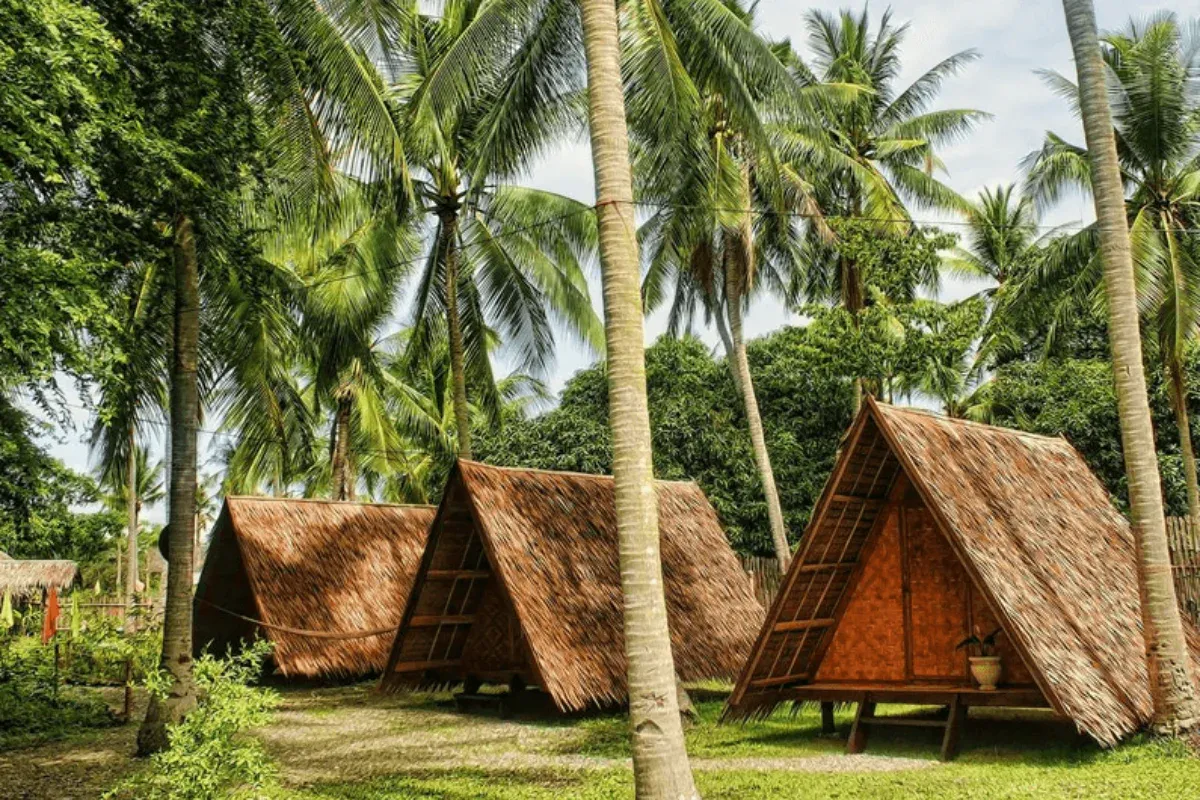
The architecture of the coconut tree reflects centuries of adaptation to open tropical environments.
A mature coconut palm can grow between 20 and 30 metres tall, with a slender trunk that widens slightly at the base. Instead of branching, the tree produces a crown of long, feather-like leaves that can extend several metres outward. Each leaf is divided into narrow leaflets that reduce wind resistance and allow air to pass through easily.
This design helps the tree withstand strong coastal storms. Where dense-canopy trees might suffer heavy branch damage, the coconut palm’s flexible leaves and trunk allow it to sway without snapping.
The coconut palm also invests most of its growth energy in vertical expansion rather than lateral branching. By rising above surrounding vegetation, the tree ensures maximum exposure to sunlight—an advantage in tropical environments where light is abundant but competition among plants can still occur.
Detailed botanical descriptions of the coconut palm and its fruit structure are widely documented in sources such as Encyclopaedia Britannica’s overview of the coconut palm.
The fruit that defines the tree
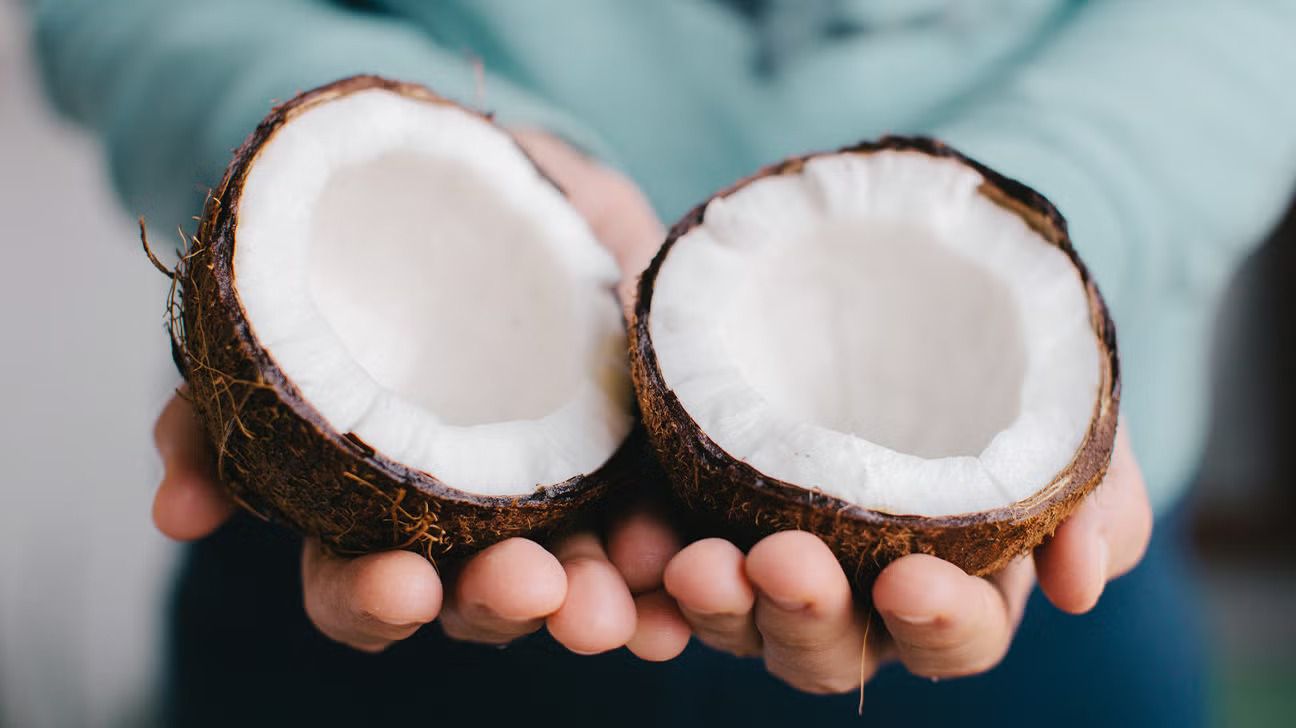
The coconut fruit is one of the most distinctive plant structures in the tropics.
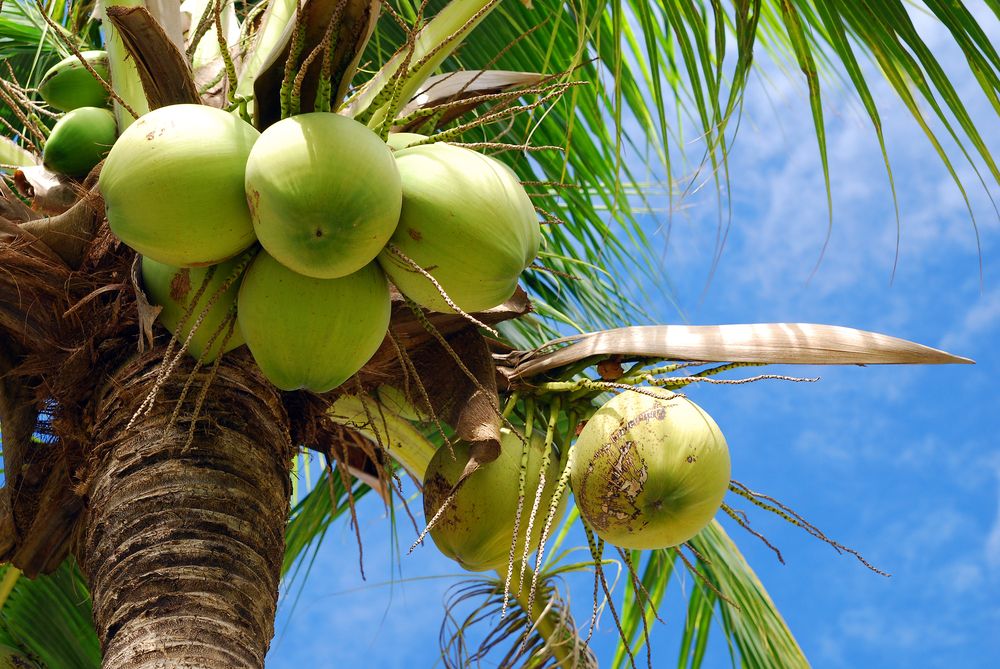
Botanically, it is classified as a fibrous drupe rather than a true nut. The fruit consists of three main layers: a smooth outer skin, a thick fibrous husk, and a hard inner shell that protects the seed. Inside this shell lies the white kernel and the liquid commonly known as coconut water.
The fibrous husk surrounding the fruit serves an important ecological function. It allows the coconut to float in seawater and remain viable during long ocean journeys. This natural flotation mechanism has helped coconuts colonize distant coastlines and islands over centuries.
The ability of coconuts to disperse across oceans is one reason why coconut palms are now found across such a wide geographical range.
Coconut trees and coastal ecosystems
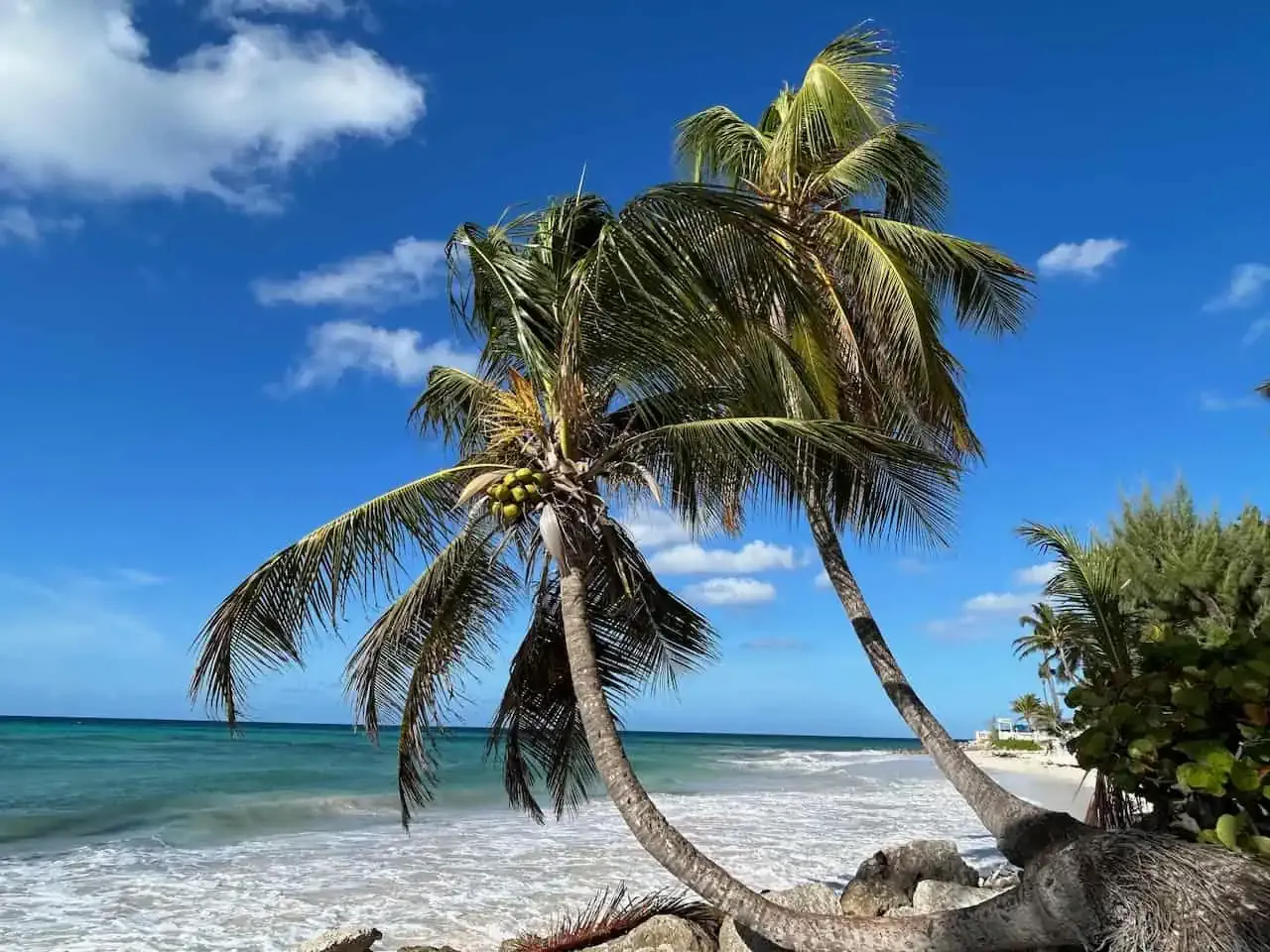
Although coconut palms are widely cultivated, they also contribute to the ecological structure of tropical coastal environments.
Their root systems help bind sandy soil, reducing erosion and stabilizing shorelines in areas exposed to wind and waves. This stabilization function becomes particularly important in low-lying coastal landscapes where vegetation plays a role in protecting land from gradual erosion.
Coconut palms also provide shade that moderates temperatures beneath the canopy. This creates microhabitats where smaller plants, insects, and birds can find shelter in otherwise exposed environments.
In many tropical regions, coconut palms form part of a vegetation gradient that transitions from beach ecosystems to inland forests. These coastal vegetation systems are widely recognized as important components of shoreline stability and biodiversity conservation, as described in broader discussions on [protecting coastal ecosystems.](https://www.unep.org/explore-topics/oceans-seas/what-we-do/protecting-coastal-ecosystems
While coconut palms alone cannot prevent coastal erosion, they contribute to vegetation networks that strengthen the resilience of shorelines. )
A tree that supports livelihoods
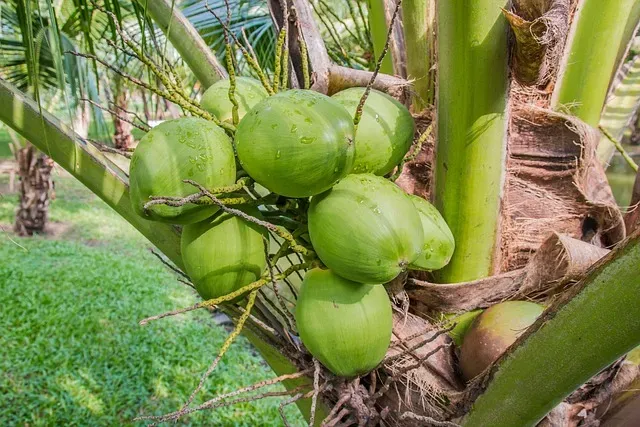
Beyond its ecological role, the coconut tree has long been valued for its practical uses.
Almost every part of the tree can be used in some way. Coconut water is consumed fresh, while the kernel is processed into oil, milk, and a wide range of food products.
The fibrous husk is used to produce coir, a natural fiber commonly used in ropes, mats, and horticultural growing media.
Leaves are traditionally woven into roofing materials and baskets in many tropical communities. Even the trunk can serve as a construction material in certain contexts.
Because of this versatility, coconut palms have historically been considered “tree crops” that support household economies in tropical regions. Their global agricultural importance is reflected in international discussions around coconut cultivation and trade, where the crop continues to play an important role in rural livelihoods.
For many coastal communities, the coconut palm remains both a food source and a source of income.
Coconut farming and landscape pressures
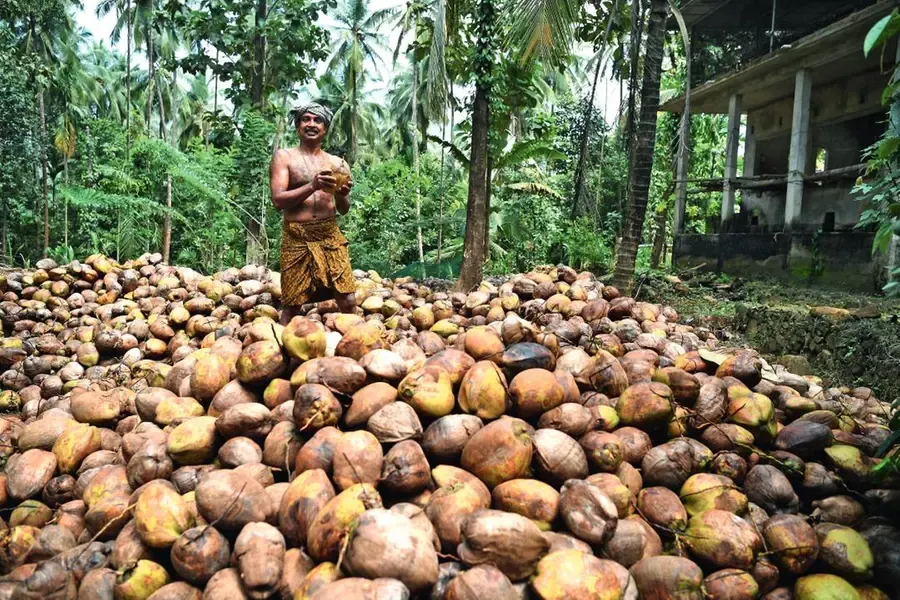
Although coconut trees are resilient plants, the systems used to cultivate them can influence environmental outcomes.
In traditional farming systems, coconut palms are often integrated into mixed landscapes alongside other crops such as bananas, spices, or vegetables. These diversified systems can help maintain soil health and support biodiversity.
However, large-scale monoculture plantations can place pressure on soil and water resources if not managed carefully. Continuous cultivation without soil replenishment can lead to nutrient depletion, while poorly planned irrigation can increase vulnerability to pests and disease.
These agricultural trade-offs are part of broader discussions around tropical crop management and sustainable food systems, which are frequently addressed within global agricultural frameworks such as those coordinated by the Food and Agriculture Organization of the United Nations.
Ultimately, the sustainability of coconut production depends less on the tree itself and more on how farming landscapes are managed.
Climate resilience and emerging risks
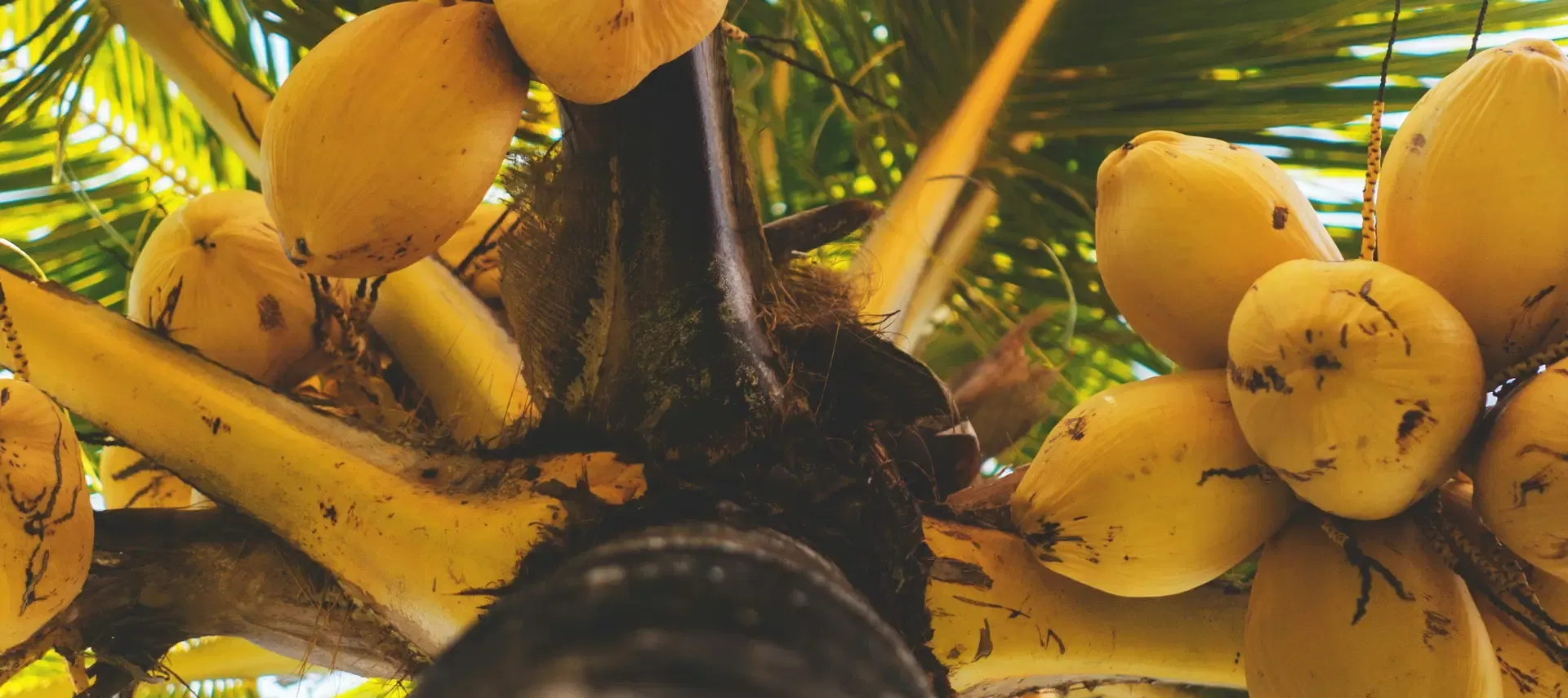
Coconut palms tolerate heat and salty air better than many tree species, but they are still vulnerable to environmental change.
Rising sea levels, stronger coastal storms, and shifting rainfall patterns can all influence coconut productivity. In some regions, increasing temperatures may benefit coconut cultivation, while in others extreme weather events may damage plantations or disrupt flowering cycles.
Understanding these risks is increasingly important for communities and industries that depend on coconut production. Discussions around climate impacts on agriculture and coastal ecosystems often draw from global assessments such as the IPCC Sixth Assessment Report on climate impacts and adaptation.
Adapting coconut farming systems to changing conditions will likely become an important challenge for tropical regions in the coming decades.
Where the coconut tree fits today
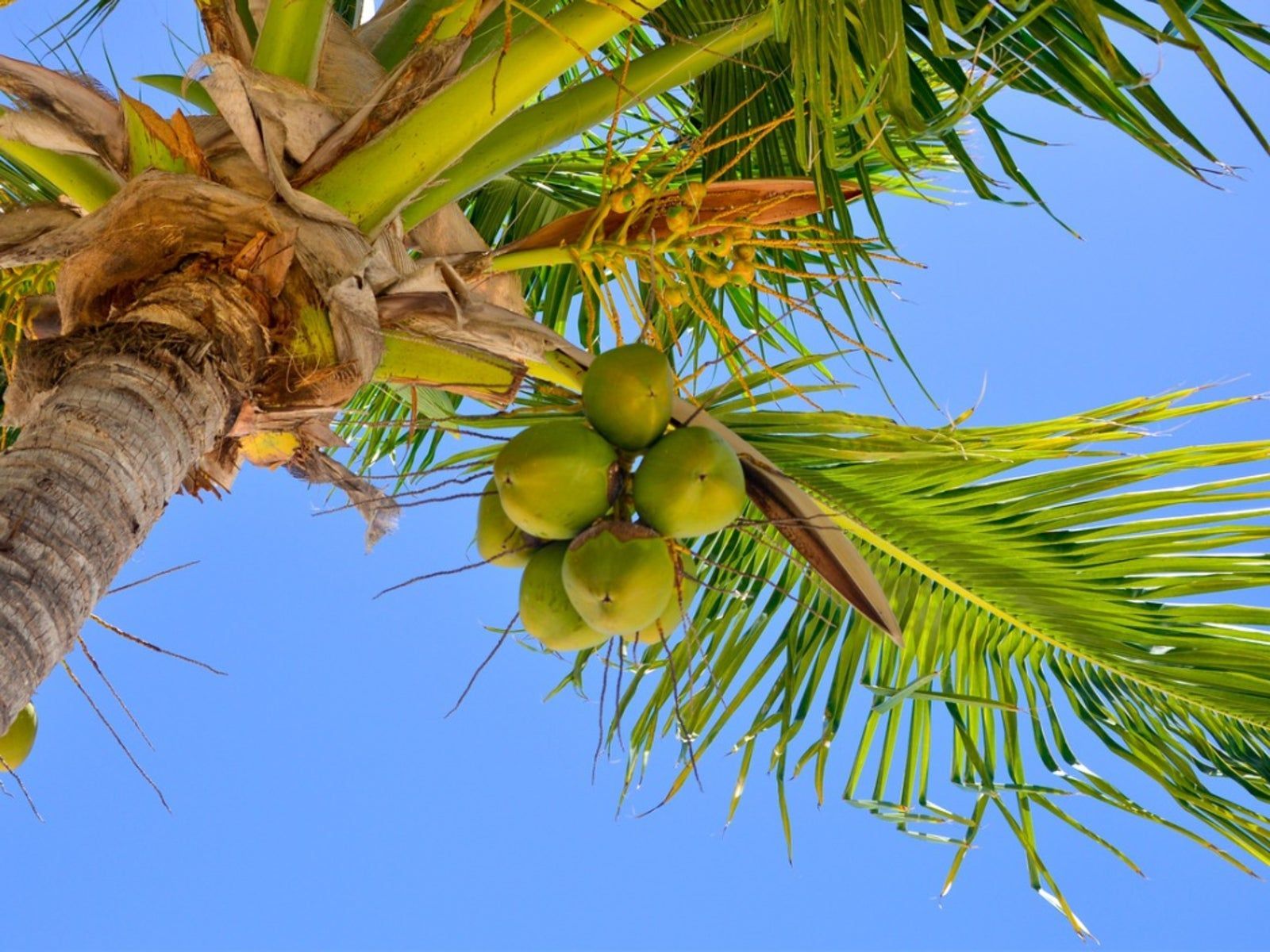
The coconut tree sits at an interesting intersection between agriculture and natural ecosystems.
It is both a cultivated crop and a defining feature of many coastal landscapes. It supports food systems while also contributing to shoreline vegetation. In some regions it is grown commercially, while in others it remains a familiar presence in village gardens and coastal roads.
Few plants connect human livelihoods and tropical environments as closely as the coconut palm.
When a coconut tree rises above a shoreline, it does more than produce fruit. It anchors soil, shades the ground, and marks the boundary between land and sea. In doing so, it becomes part of the landscape itself—supporting ecosystems, communities, and cultures along tropical coasts.
Frequently Asked Questions about the Coconut Tree
1. What is the scientific name of the coconut tree?
The coconut tree is scientifically known as Cocos nucifera, a tropical palm species widely cultivated in coastal regions around the world.
2. Where do coconut trees grow best?
Coconut trees grow best in warm tropical climates with plenty of sunlight, sandy soils, and well-drained coastal environments.
3. How tall does a coconut tree grow?
A mature coconut palm typically grows between 20 and 30 metres tall, depending on the variety and environmental conditions.
4. Are coconuts technically nuts?
No. Botanically, a coconut is classified as a fibrous drupe rather than a true nut.
5. How long does a coconut tree live?
Coconut palms can live for 60–80 years, although peak fruit production usually occurs during the first few decades.
6. Why are coconut trees commonly found near the sea?
Coconut palms tolerate salty air and sandy soil, which allows them to thrive in coastal environments where many other trees cannot grow.
7. What are the uses of a coconut tree?
Coconut trees provide food, oil, fiber, construction materials, and many traditional household products.
8. Do coconut trees help prevent coastal erosion?
Their root systems help stabilize sandy soil and support coastal vegetation networks that reduce shoreline erosion.