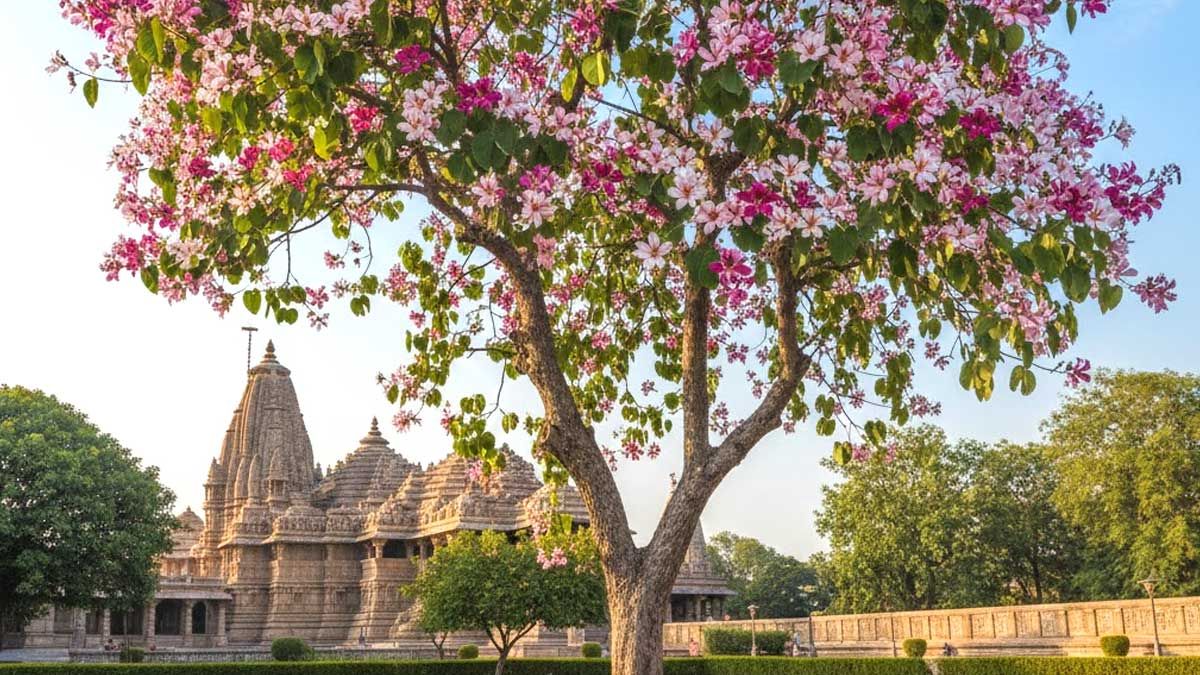
A Native Flowering Tree Rooted in Indian Landscapes
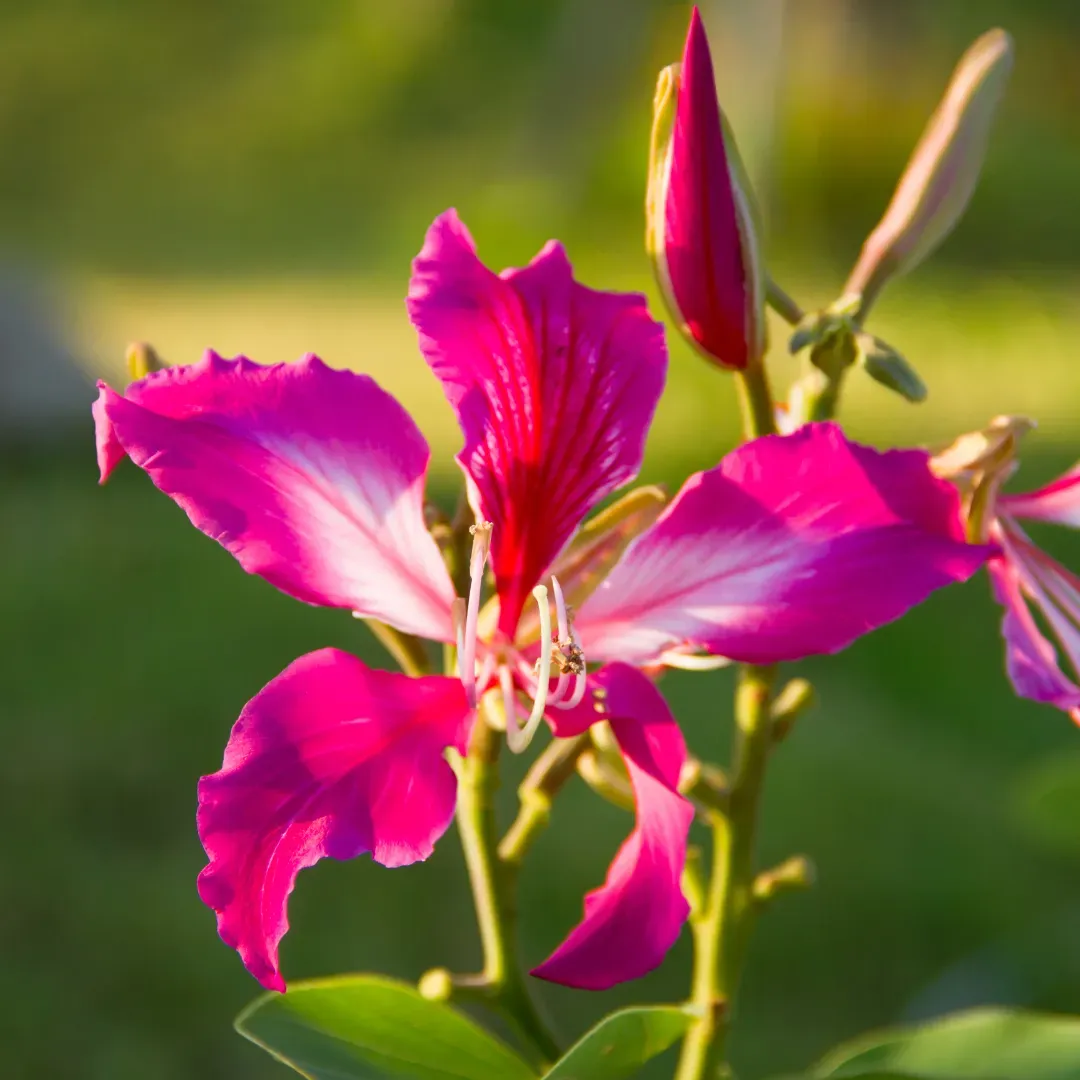
The Kovidara tree is not a tree that announces itself through scale or dominance. Its presence is quieter, seasonal, and deeply tied to place.
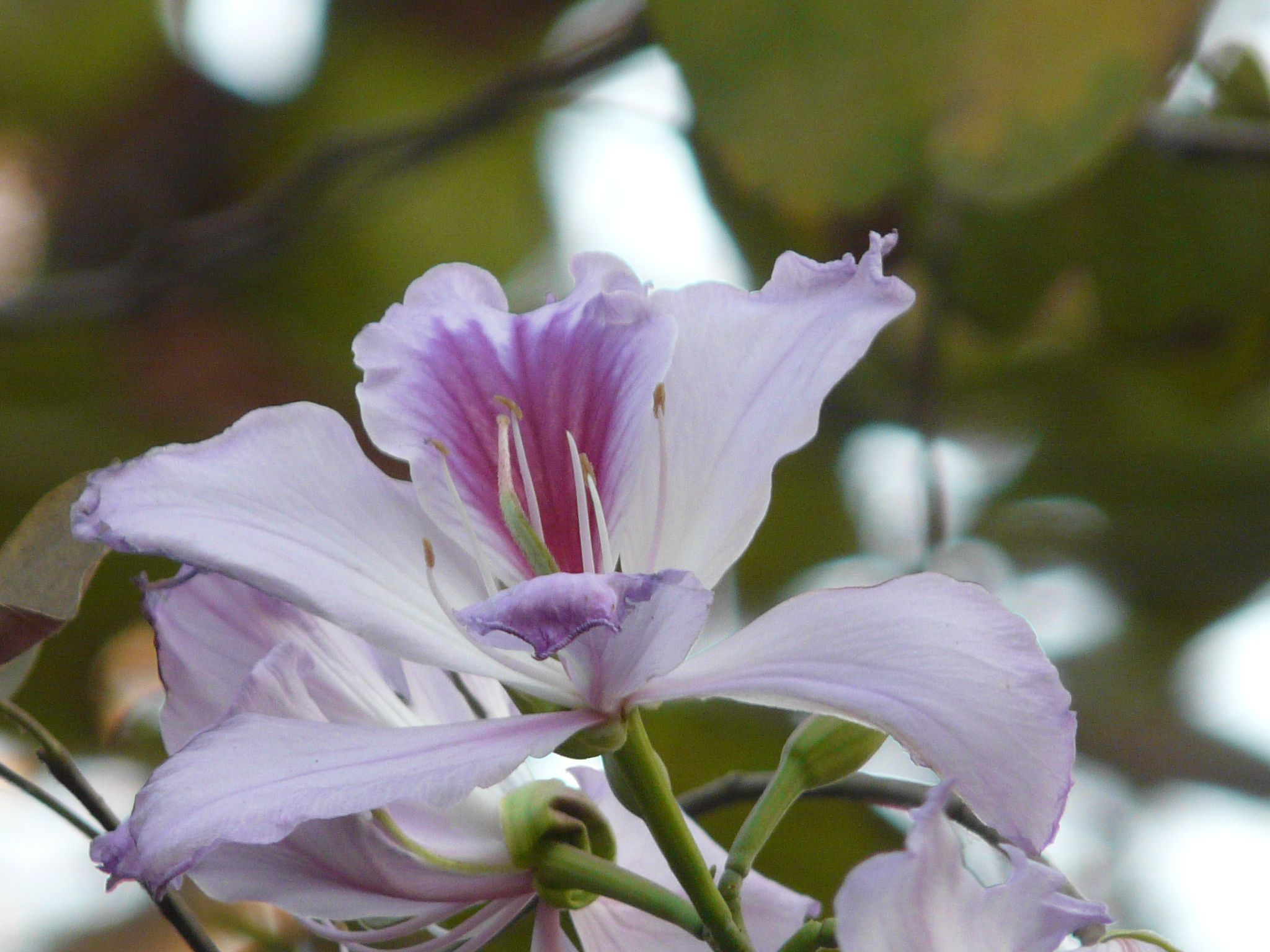
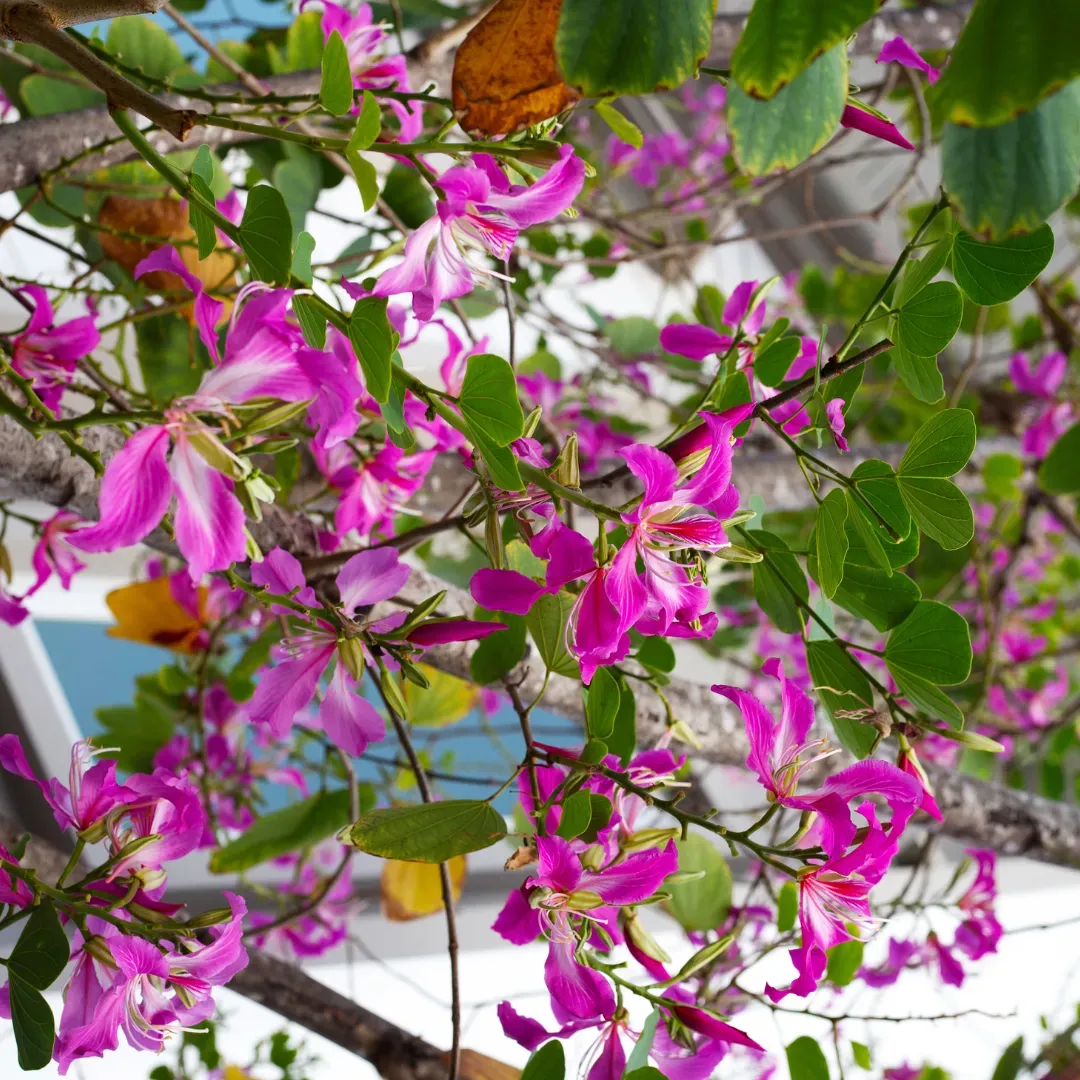
Botanically known as Bauhinia variegata, the Kovidara tree is native to the Indian subcontinent and parts of Southeast Asia. It is best recognised by its distinctive orchid-like flowers and twin-lobed leaves, which give the tree a soft, almost sculptural appearance. Unlike large canopy trees that define landscapes through mass, the Kovidara defines space through rhythm.
It flowers. It sheds. It rests. And then it returns.
A tree shaped by seasonality
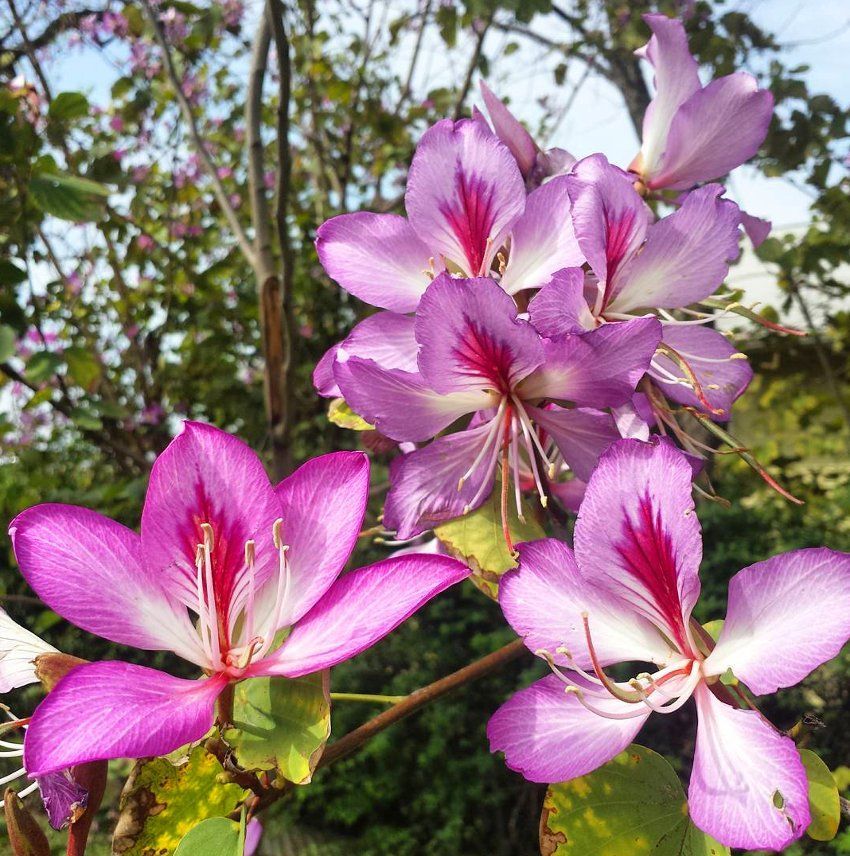
The Kovidara tree is closely attuned to seasonal cycles.
During late winter and early spring, it flowers when much of the surrounding vegetation remains subdued. Its blossoms appear before full leaf cover, allowing flowers to stand out clearly against bare branches. This timing is not accidental. It increases visibility for pollinators and maximises reproductive success.
As the season shifts, leaves emerge and the tree transitions into a shade-giving form. By late summer and monsoon, the Kovidara becomes a modest but reliable part of the urban and semi-urban canopy. In cooler months, it sheds again, conserving energy.
This seasonal responsiveness is a defining trait of many deciduous native trees and plays an important role in nutrient cycling and soil renewal, particularly in tropical and subtropical regions.
The distinctive leaf and form
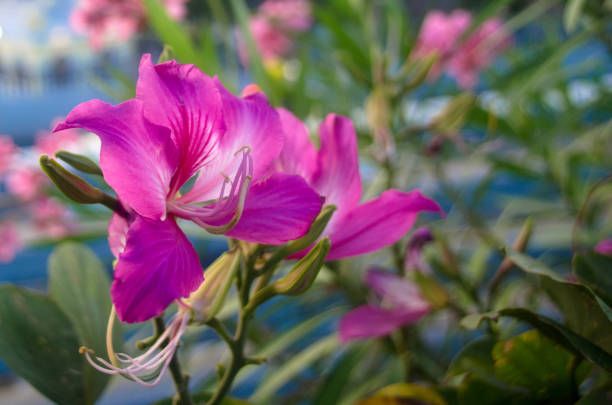
One of the most recognisable features of the Kovidara tree is its leaf shape.
The leaves are deeply notched, often described as camel’s hoof-shaped, a characteristic shared by many species within the Bauhinia genus. This structure allows efficient light capture while reducing water stress, especially during hotter months.
Structurally, the Kovidara does not aim for height. It grows as a medium-sized tree with a spreading crown, making it suitable for streets, campuses, and open courtyards. Its branching pattern is relatively balanced, and its root system is generally non-invasive when planted with adequate space.
This combination of form and restraint is one reason the Kovidara has historically been integrated into human settlements rather than excluded from them.
Supporting biodiversity in subtle ways
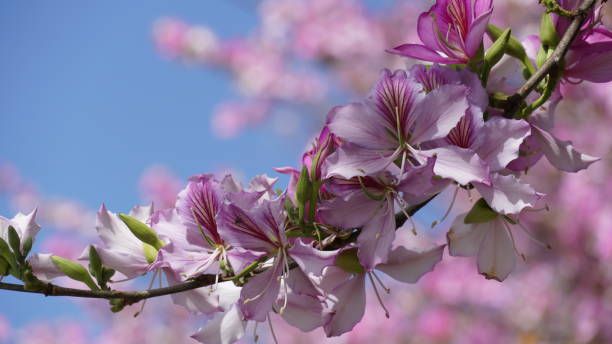
The ecological value of the Kovidara tree lies in its timing and accessibility.
Its flowers provide nectar and pollen during periods when fewer native trees are in bloom. This makes it an important seasonal resource for bees, butterflies, and other pollinating insects. Birds are often drawn to flowering Kovidara trees, especially in urban environments where floral diversity is limited.
The tree’s foliage supports insect life, which in turn contributes to urban food chains. While the Kovidara may not function as a keystone species in the strict ecological sense, it plays a stabilising role in mixed landscapes by filling seasonal gaps.
In fragmented environments, this kind of support matters.
Cultural and culinary presence
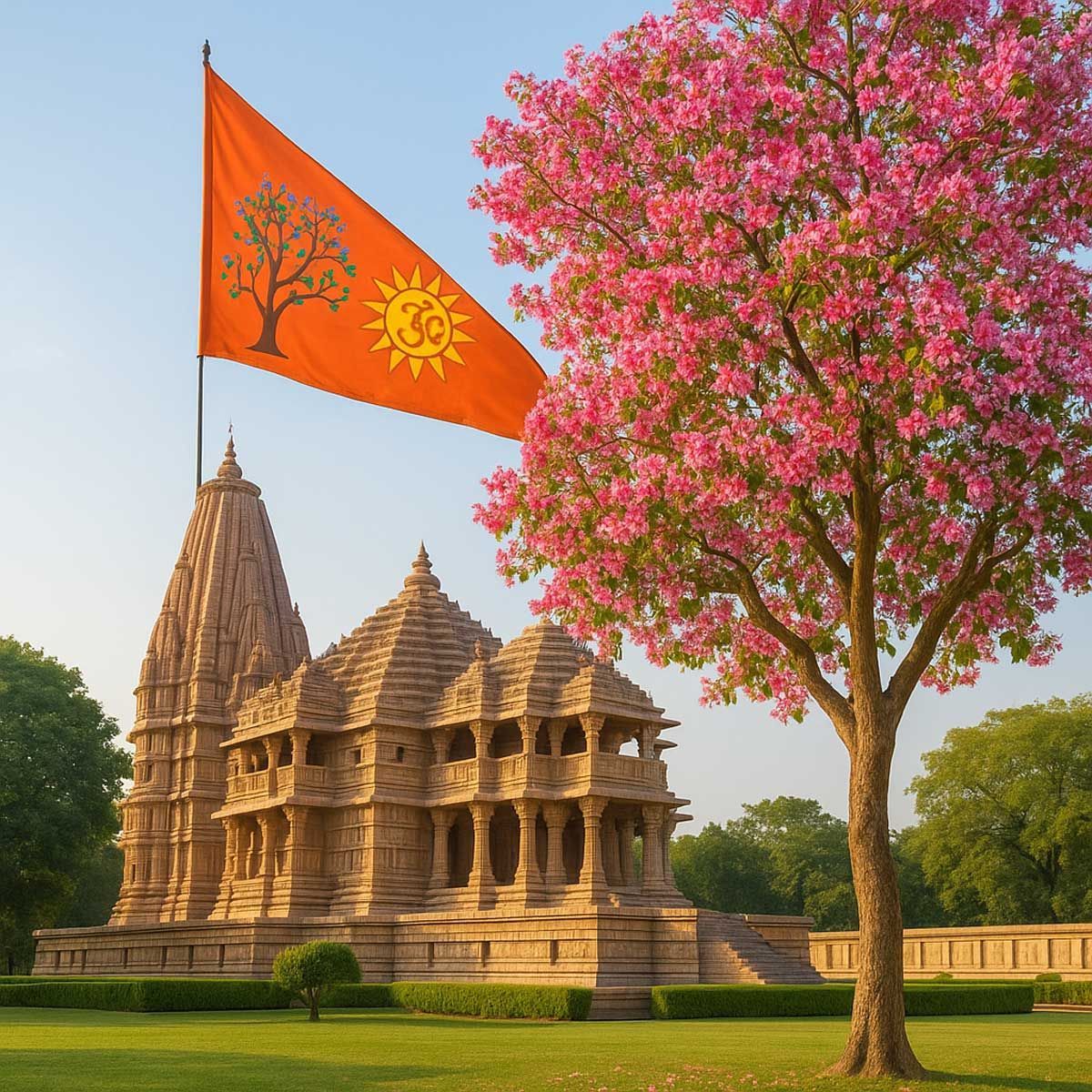
The Kovidara tree has long been part of everyday life in India, not just as a flowering tree but as a useful one.
Its flower buds are traditionally used as a seasonal vegetable in several regional cuisines. The presence of the tree near homes and villages allowed people to harvest food directly from their surroundings without cultivation. Over time, this relationship shaped both planting choices and cultural familiarity.
References to the Kovidara appear in classical Indian literature and Sanskrit texts, where it is often associated with spring and renewal. These associations emerged because the tree marked seasonal transitions clearly and reliably.
Carbon and climate relevance
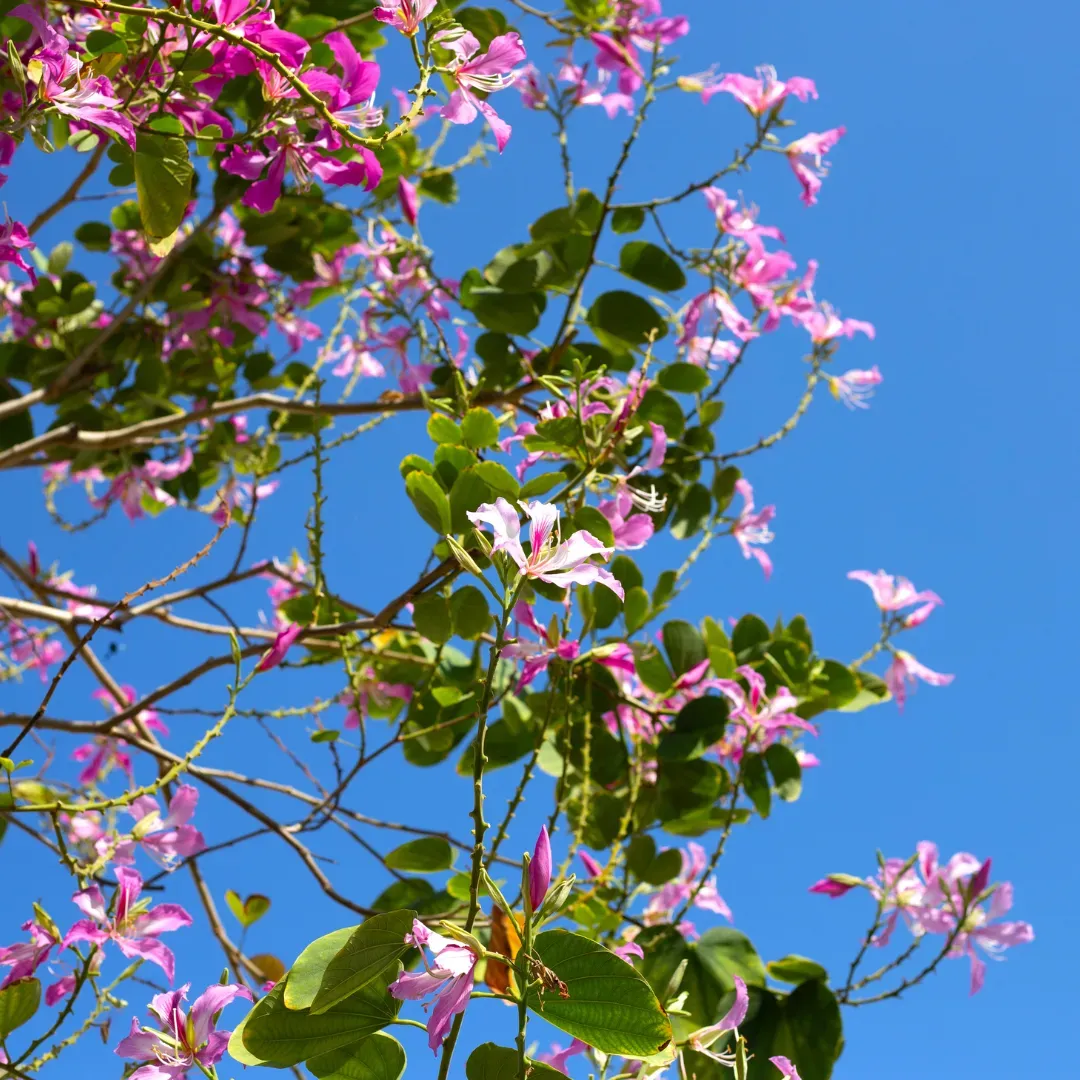
Like most medium-sized deciduous trees, the Kovidara stores carbon in its trunk, branches, and roots over its lifespan. While it does not match large canopy trees in total biomass, its contribution becomes meaningful at scale when planted across urban and peri-urban landscapes.
Equally important is its role in moderating microclimates. By providing seasonal shade, reducing surface temperatures, and improving soil conditions through leaf litter, the Kovidara contributes to local climate resilience.
Trees like the Kovidara are best understood not as individual climate solutions, but as part of a broader system of native vegetation that supports adaptation and ecological balance.
Why the Kovidara works in cities
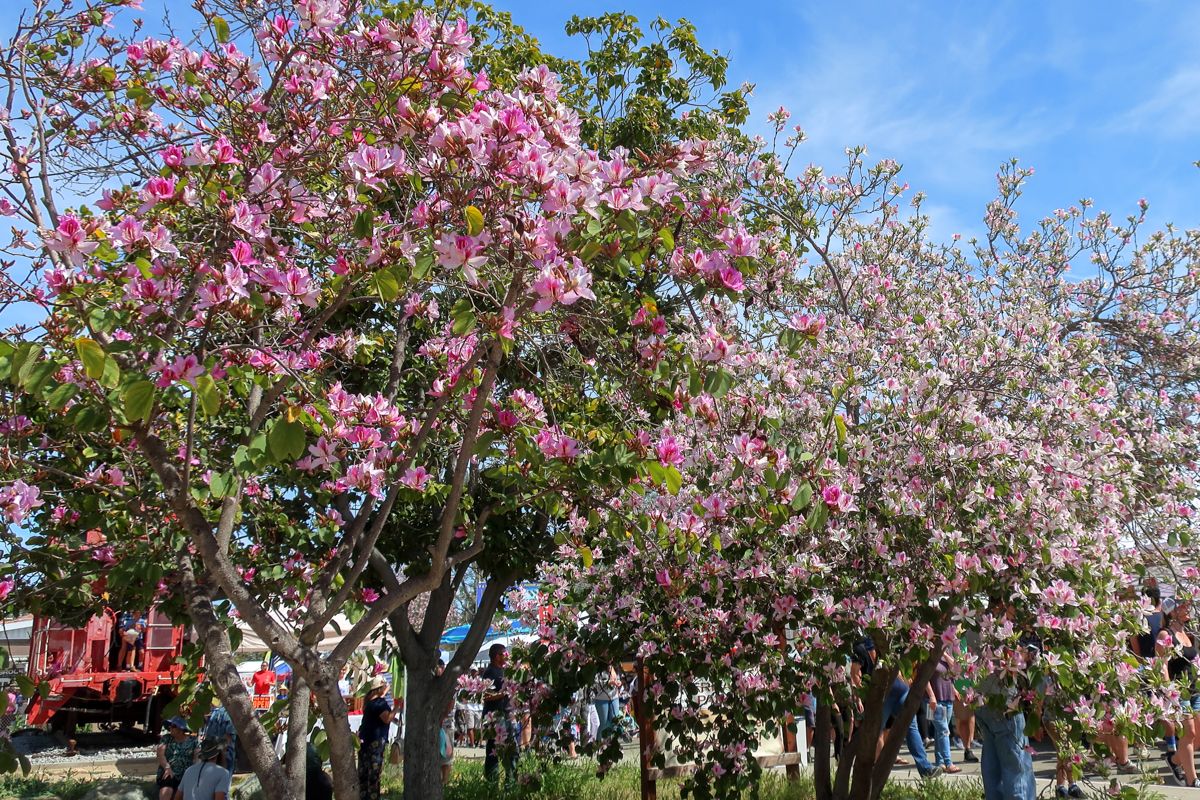
The Kovidara tree is particularly well suited to urban environments.
It tolerates pruning when done correctly, adapts to a range of soil conditions, and does not demand excessive space. Its moderate height reduces conflict with overhead infrastructure, while its flowering cycle adds visual interest without year-round maintenance burden.
Because it sheds leaves seasonally, it allows winter sunlight to reach the ground while providing shade during warmer months. This dynamic relationship with light makes it a valuable component of climate-sensitive urban design.
In Indian cities where space is limited and ecological performance still matters, this balance is critical.
Limits worth recognising
Despite its adaptability, the Kovidara tree is not universally appropriate.
It prefers well-drained soil and can struggle in areas with prolonged waterlogging. In extremely dry conditions without support during establishment, young trees may fail. Poor pruning practices can also reduce flowering and weaken structure.
Recognising these limits is essential. Native does not mean maintenance-free. Ecological fit always depends on context.
Why the Kovidara tree still matters
The Kovidara tree represents a different model of ecological value.
It does not dominate landscapes or demand attention year-round. Instead, it appears when needed, supports life during key seasonal windows, and integrates quietly into human environments. Its usefulness lies in timing, familiarity, and restraint.
As cities and landscapes search for native species that balance ecology with practicality, the Kovidara offers a clear example of how trees can belong without overwhelming.
That is why it continues to matter—not as a symbol, but as a living participant in everyday landscapes.
FAQs
1. What is the Kovidara tree?
The Kovidara tree is a native Indian flowering tree scientifically known as Bauhinia variegata. It is known for its orchid-like flowers and twin-lobed leaves.
2. Is the Kovidara tree native to India?
Yes. The Kovidara tree is native to the Indian subcontinent and has been part of local landscapes for centuries.
3. When does the Kovidara tree flower?
The Kovidara typically flowers in late winter to early spring, often before new leaves fully emerge.
4. Does the Kovidara tree support biodiversity?
Yes. Its flowers attract pollinators such as bees and butterflies, while its foliage supports insect life that feeds urban food chains.
5. Is the Kovidara tree suitable for urban planting?
The Kovidara is well suited for cities due to its moderate size, seasonal shade, and non-invasive root system when planted correctly.
6. Does the Kovidara tree help with climate resilience?
It contributes through local cooling, soil improvement, and long-term carbon storage, especially when planted at scale.
7. Are Kovidara flowers edible?
Yes. The flower buds are traditionally used as a seasonal vegetable in several Indian cuisines.
8. How tall does a Kovidara tree grow?
Most Kovidara trees grow between 8–12 metres, depending on growing conditions.