A Tree That Feeds, Heals, and Holds Communities Together
The Mahua tree is not defined by timber value or ornamental beauty. It is defined by use, timing, and trust.
Across large parts of central and eastern India, Mahua trees have quietly sustained forest communities for generations. They offer food when fields are empty, income when options are limited, and shade where little else grows. Long before conversations around non-timber forest produce gained traction, Mahua already functioned as one.
Botanically known as Madhuca longifolia, the Mahua tree is native to the Indian subcontinent and deeply embedded in dry deciduous forest landscapes. Its importance lies not in a single product, but in how many needs it meets over the course of a year.
Where the Mahua belongs
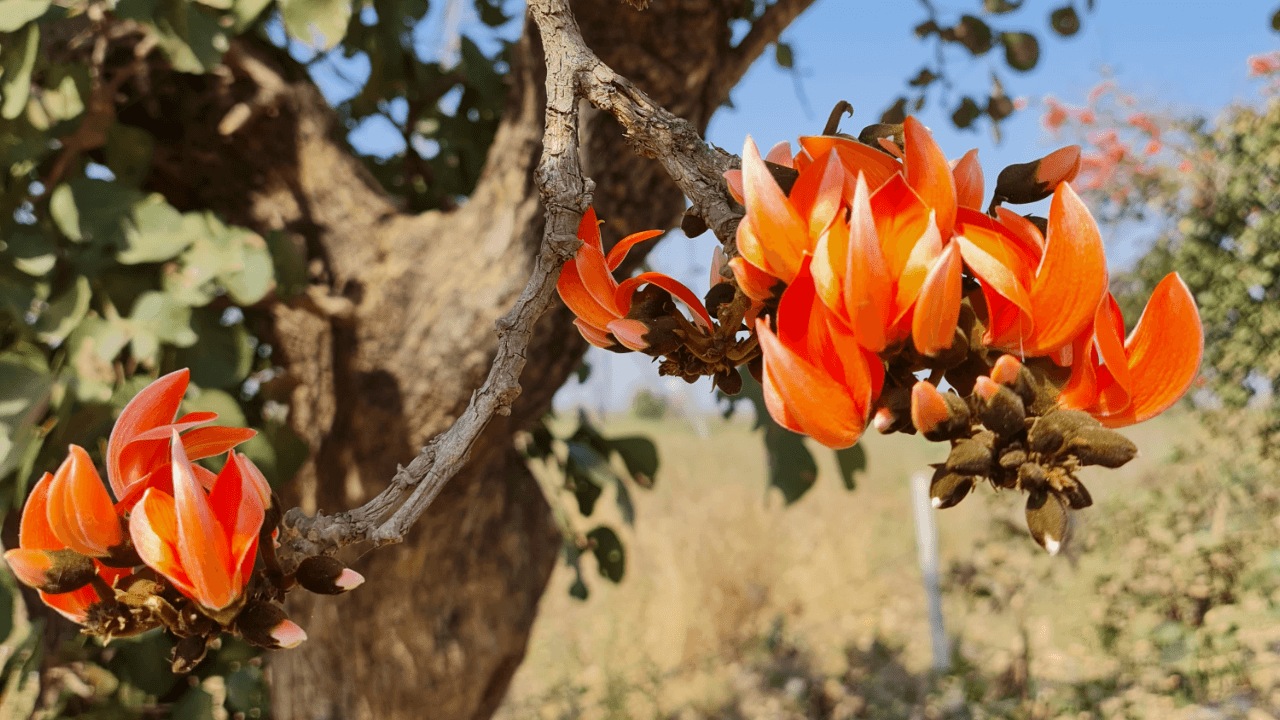
Mahua trees thrive in dry and moist deciduous forests, particularly across states such as Madhya Pradesh, Chhattisgarh, Jharkhand, Odisha, Maharashtra, and parts of Uttar Pradesh. These are regions marked by long dry seasons, poor soils, and limited irrigation.
Mahua survives here because it is built for constraint.
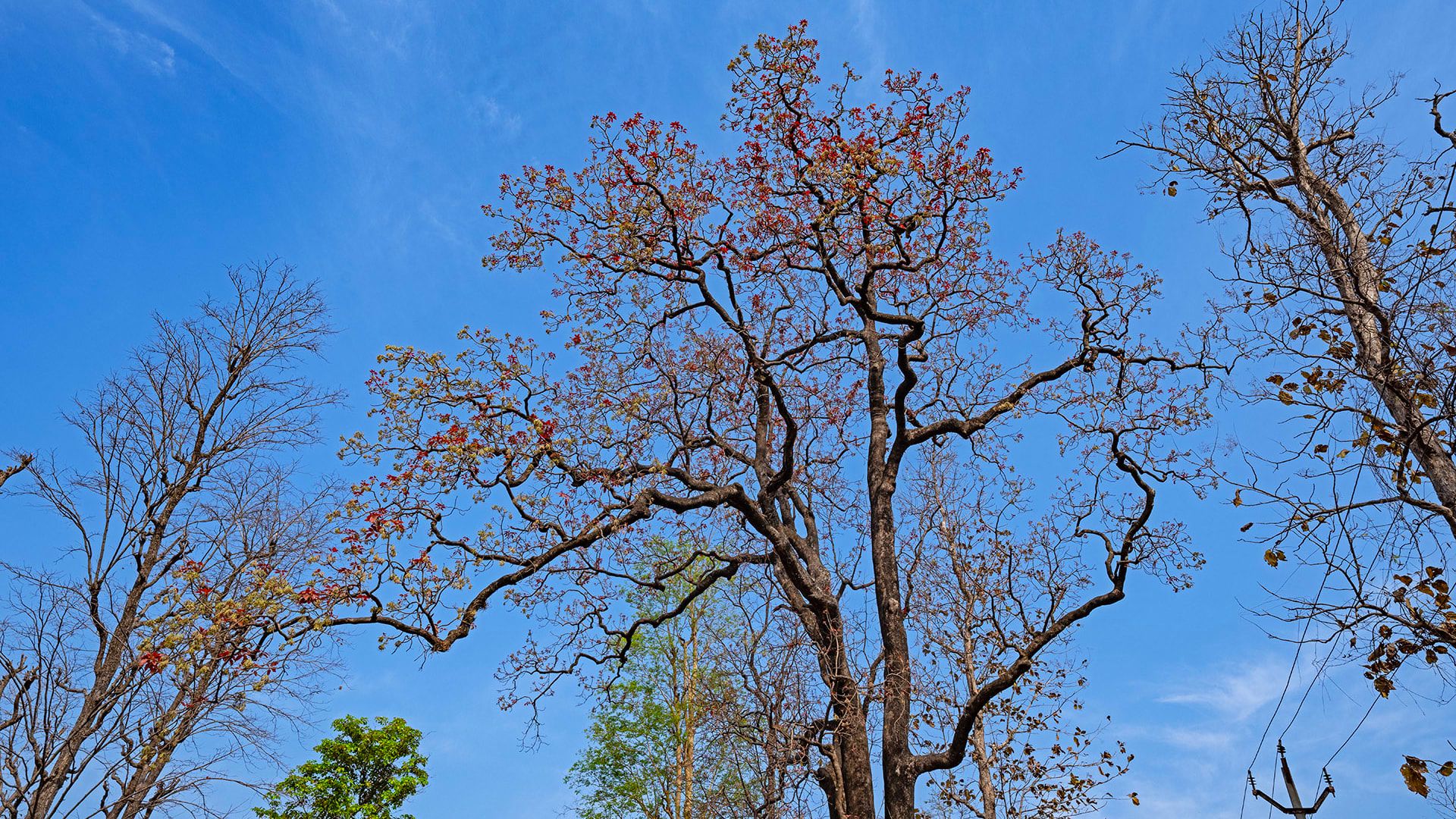
It tolerates drought, sheds leaves to conserve water, and develops a deep root system that allows it to persist where many species fail. Rather than forming dense closed canopies, Mahua trees often grow scattered across forest landscapes, allowing light to reach the ground and supporting mixed vegetation.
This ecological fit explains why Mahua has remained central to forest economies in some of India’s most climatically stressed regions.
A life tuned to seasonal rhythms
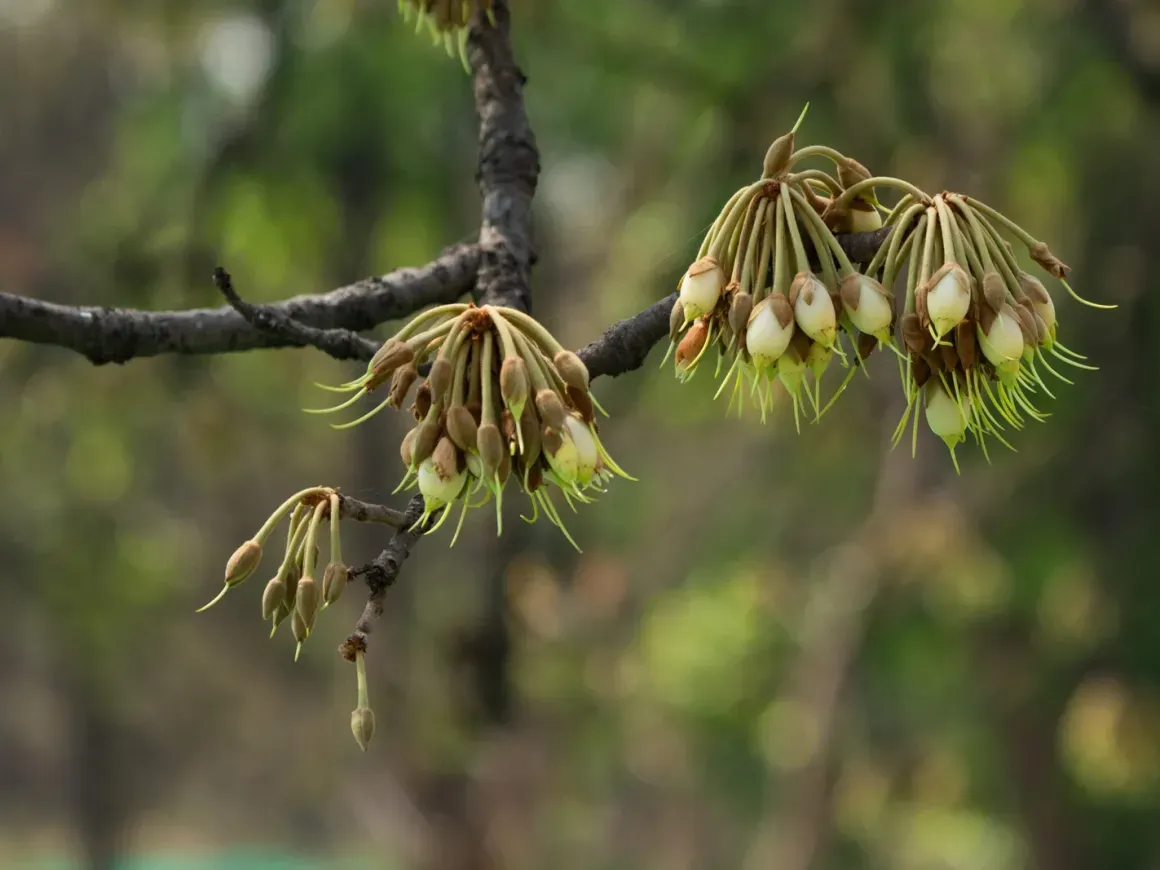
The Mahua tree follows a rhythm that aligns closely with scarcity.
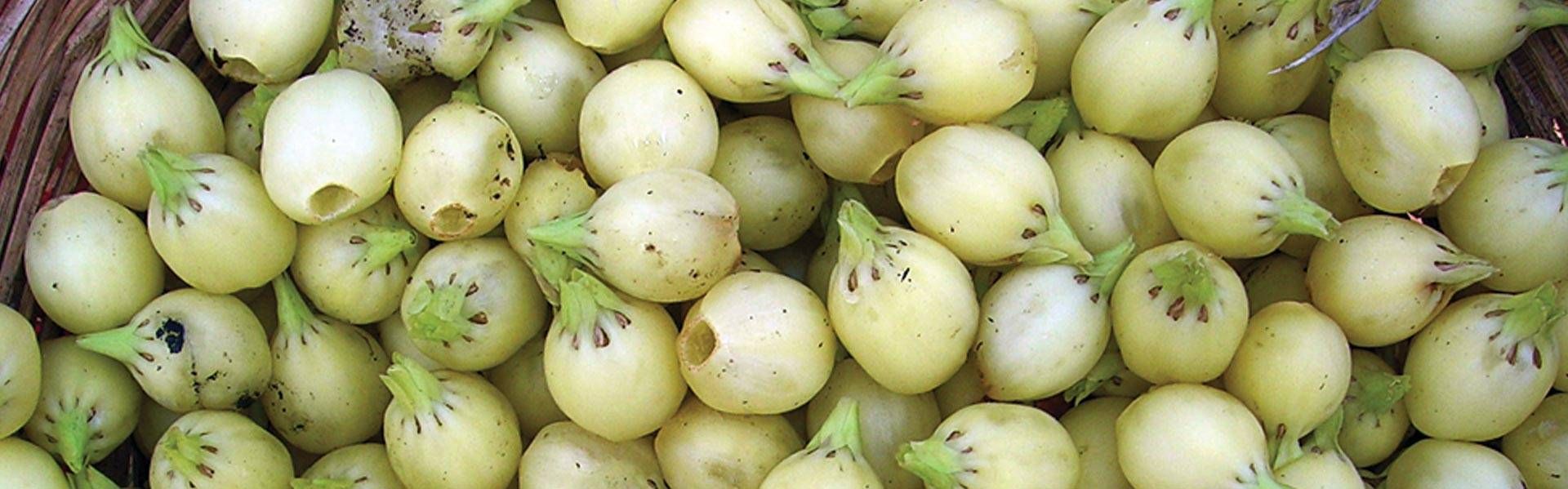
Flowering typically occurs at the end of the dry season, when food availability in forests is at its lowest. The flowers fall naturally to the ground, where they are collected, dried, and used for food, fermentation, and trade.
This timing is critical. It ensures that Mahua supports both wildlife and people during a period when few other resources are available. Animals feed on fallen flowers, while communities depend on them as a seasonal staple.
The relationship is not extractive. It is cyclical.
Mahua does not demand harvesting through cutting or damage. It gives by shedding.
What the Mahua supports in the forest
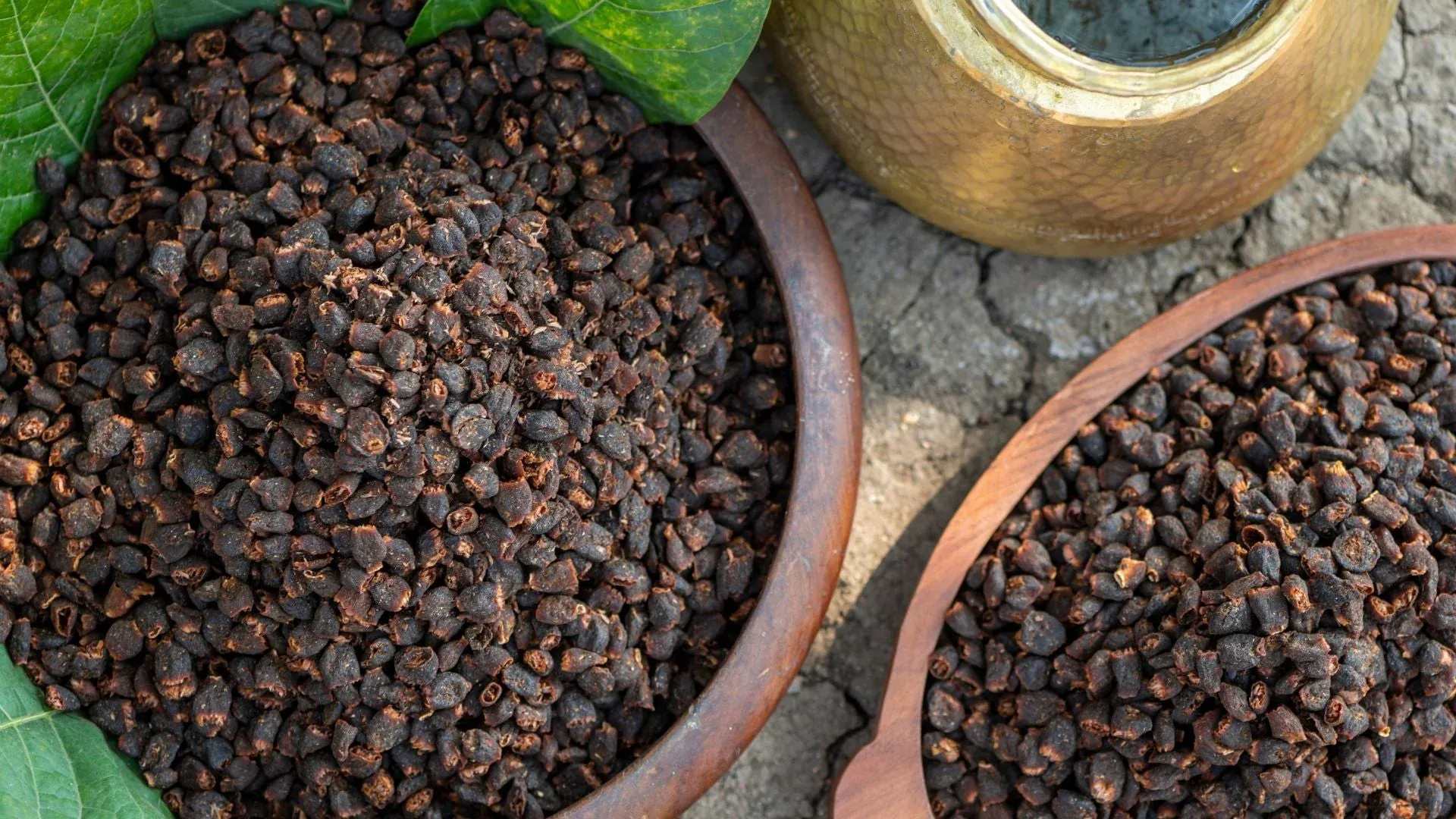
Ecologically, Mahua trees act as seasonal anchors.
Their flowers provide food for insects, birds, and mammals during dry months. Their fruits are consumed by wildlife. Their broad canopy offers shade that moderates ground temperatures and reduces moisture loss from surrounding soil.
Leaf litter contributes organic matter to otherwise nutrient-poor soils, slowly improving soil structure and water retention. Over time, this supports understory growth and stabilises forest microclimates.
While Mahua may not always be labelled a keystone species, its absence would leave a noticeable gap in seasonal food availability across many dry forest ecosystems.
A working relationship with people
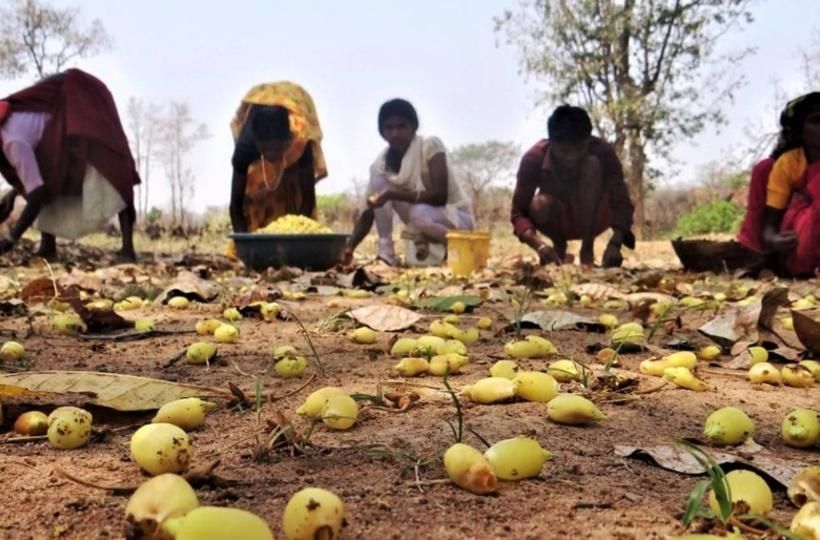
Few trees in India are as closely tied to everyday life as the Mahua.
Flowers are eaten fresh, dried, or processed. Seeds yield oil used for cooking, lighting, and traditional applications. The tree itself provides shade and a gathering space, often becoming a focal point within villages and forest settlements.
For many Indigenous and forest-dependent communities, Mahua is not a commodity tree. It is a livelihood tree.
This relationship is reflected in long-standing forest use practices and continues to feature in discussions around community forest rights and non-timber forest produce, including those outlined under frameworks such as the Forest Rights Act.
Mahua’s value lies in continuity. It produces year after year, without needing replanting or intensive management.
Mahua and traditional knowledge
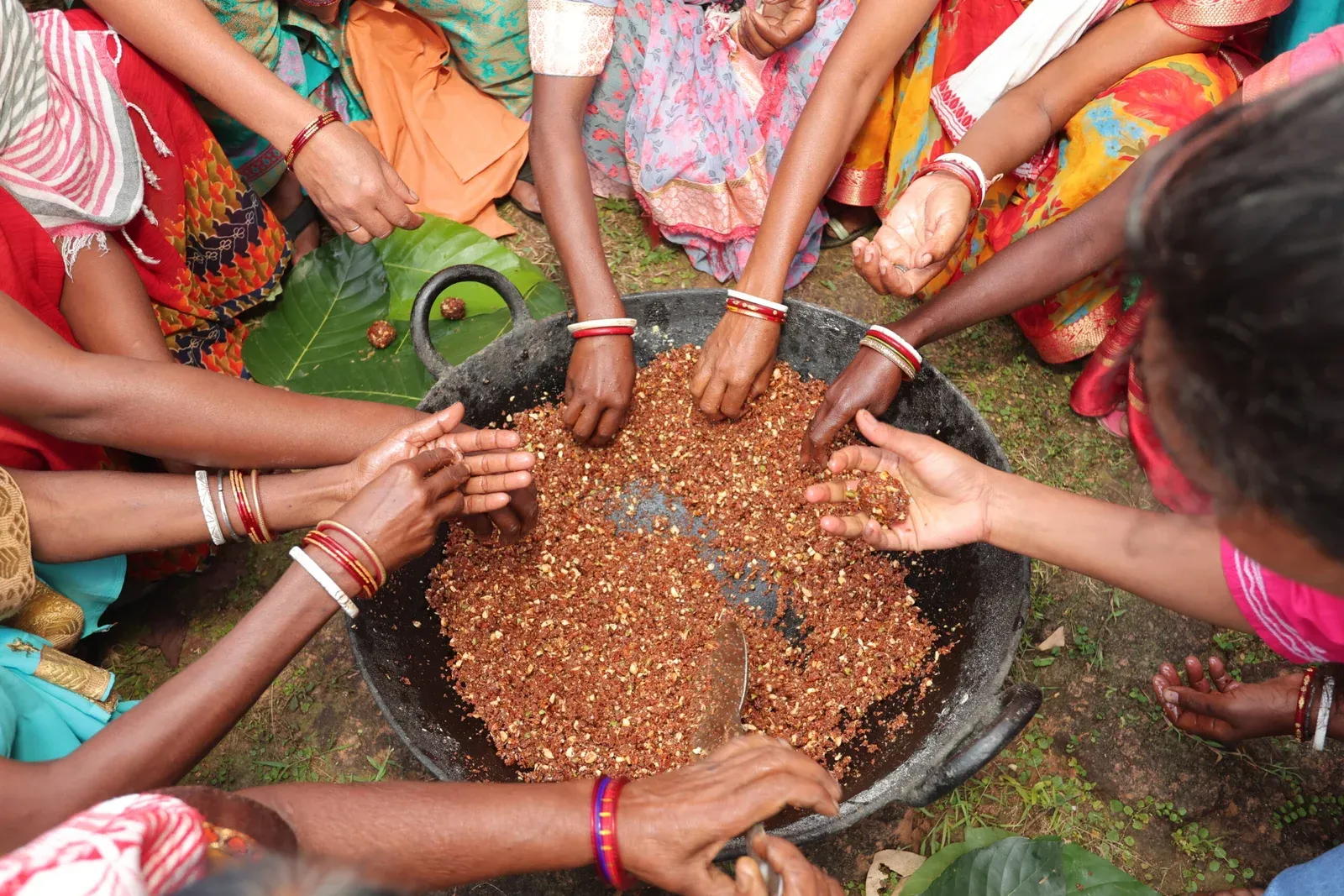
Mahua’s uses extend beyond food.
Different parts of the tree have been used in traditional medicine systems, particularly for skin conditions, digestive health, and inflammation. These uses emerged from observation and practice over time, not formal experimentation.
Modern interest in Mahua has grown alongside renewed attention to traditional knowledge systems. Reviews of Madhuca longifolia in scientific literature, including those indexed through the National Center for Biotechnology Information, explore its phytochemical properties and bioactive compounds.
In the CATCH context, this matters not as validation, but as recognition. Long-term ecological familiarity often precedes formal science.
Climate value beyond carbon
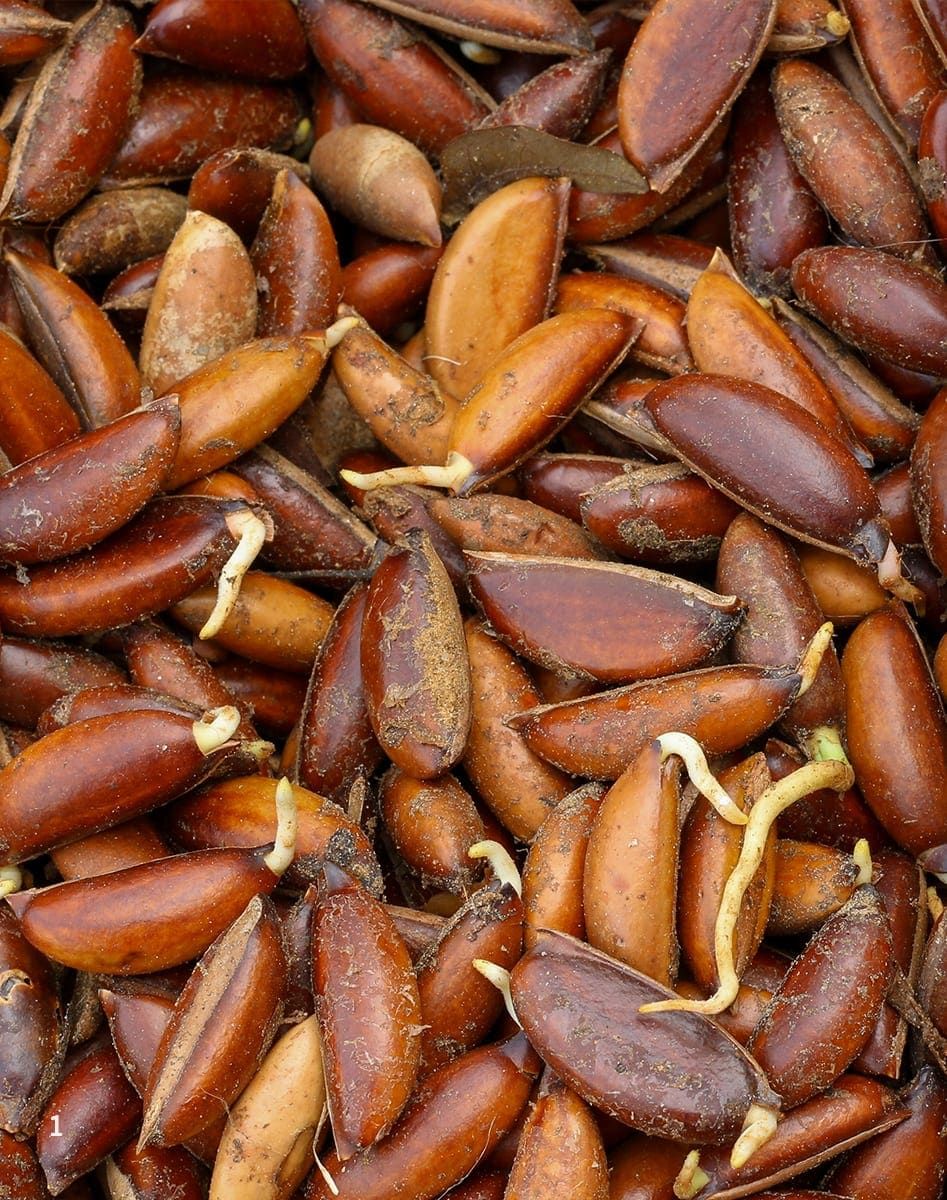
Mahua trees store carbon in their biomass, but their climate relevance goes beyond sequestration.
By surviving in dry landscapes, supporting soil health, and providing shade during extreme heat, Mahua contributes to climate adaptation at a local scale. Its presence reduces vulnerability rather than maximising yield.
In regions facing increasing drought frequency and heat stress, trees like Mahua help maintain livable conditions without heavy external inputs. This aligns with broader thinking around ecosystem-based adaptation, where resilience is built through species suited to stress rather than speed.
Mahua does not offer quick climate wins. It offers stability.
Why Mahua works outside plantations
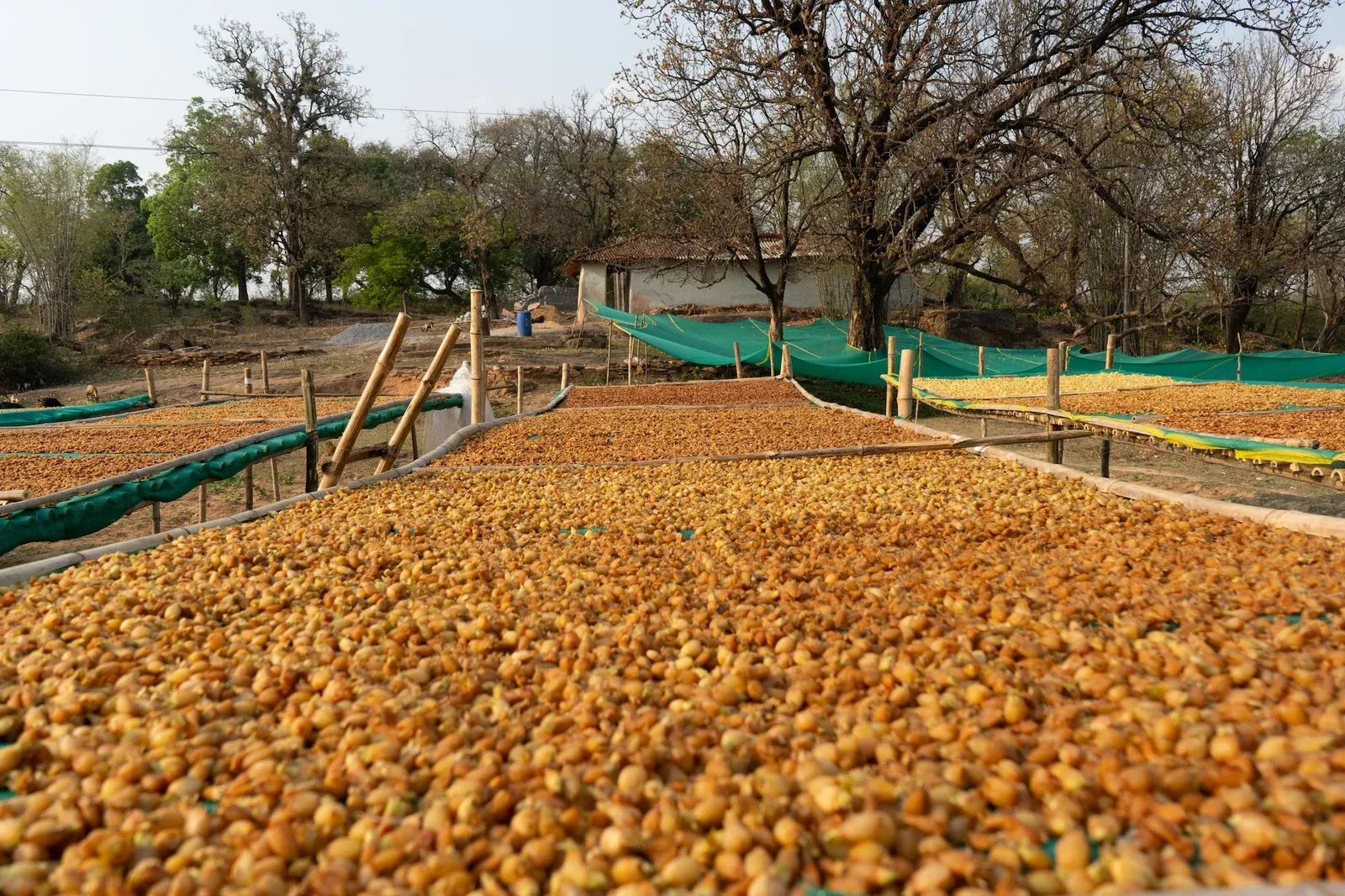
Mahua is poorly suited to industrial plantation models.
It grows slowly, responds best to open, mixed landscapes, and depends on seasonal cycles that do not align with monoculture harvesting. Attempts to force Mahua into high-density plantations often reduce flowering and overall productivity.
Its strength lies in being left largely alone.
This is why Mahua performs best in community-managed forests, agro-forestry systems, and landscape-scale restoration efforts where human use and ecological processes coexist.
Where Mahua struggles
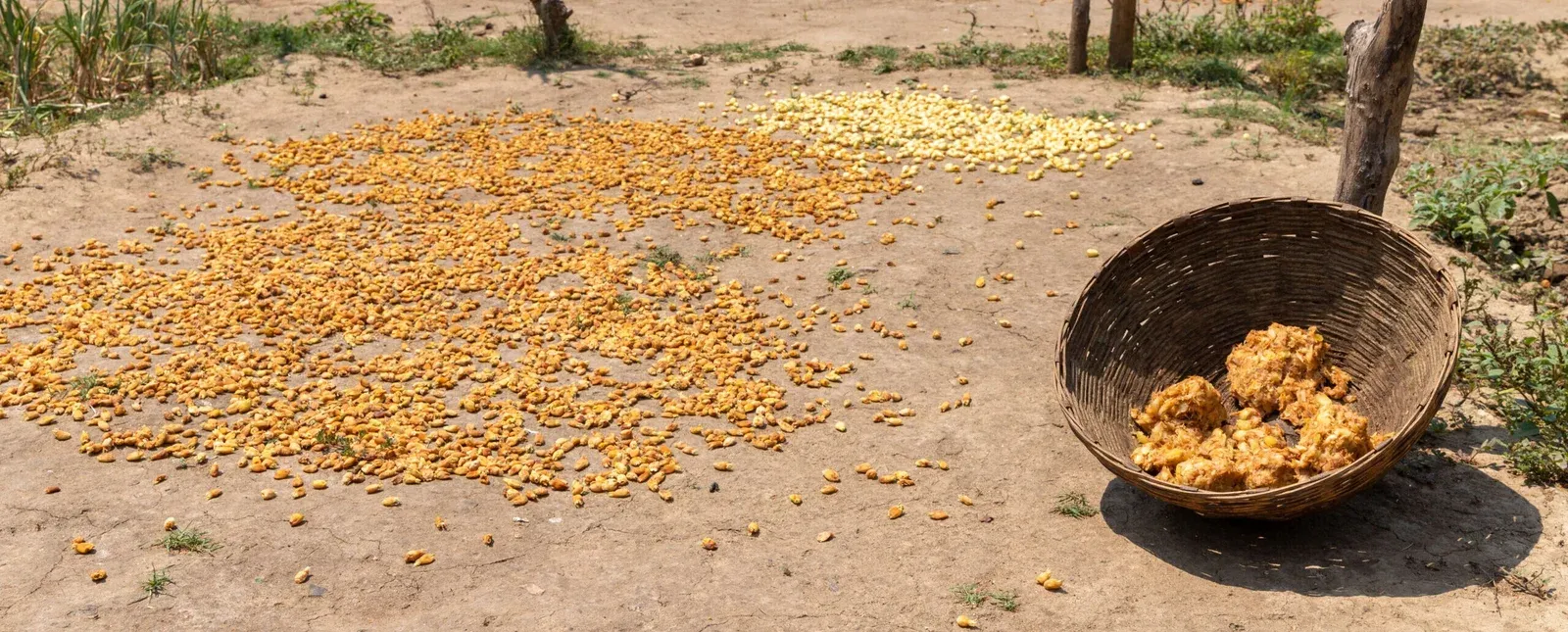
Despite its resilience, Mahua has limits.
It is vulnerable to overharvesting when flowers are removed before wildlife can feed. It suffers when forest floors are cleared or compacted. In areas where access rights are unclear, overextraction can disrupt the balance that allows the tree to remain productive.
Mahua also takes time to mature. New trees may take years before flowering begins, making short-term restoration projects ill-suited to its biology.
Recognising these constraints is essential. Mahua thrives under patience, not pressure.
Still standing, still giving
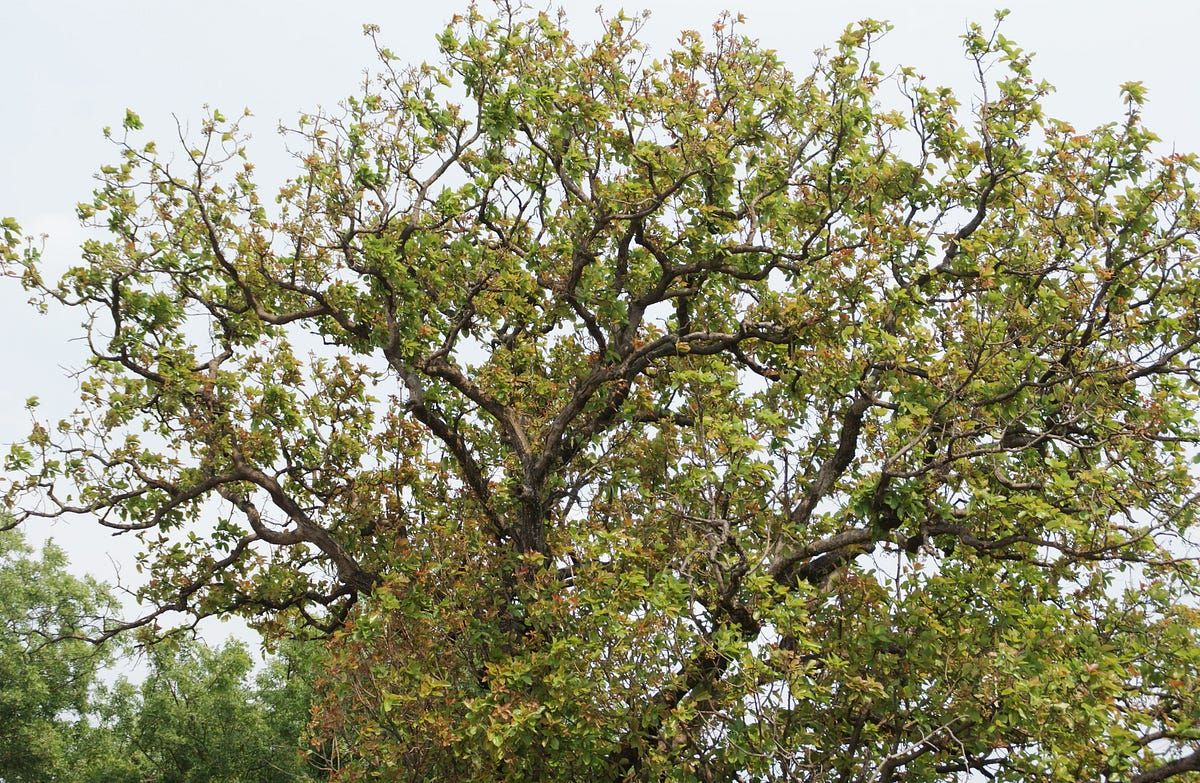
The Mahua tree represents a model of sustainability rooted in sufficiency rather than scale.
It feeds without farming. It supports income without extraction. It survives where conditions are harsh and choices are few. In doing so, it blurs the line between ecology and economy.
As conversations around forest livelihoods, climate adaptation, and Indigenous knowledge gain urgency, Mahua offers a grounded reminder. Some of the most effective systems already exist. They just need space to continue.
That is why the Mahua tree still matters—not as a symbol, but as a living relationship between people and place.
FAQs
1. What is the Mahua tree?
The Mahua tree is a native Indian tree scientifically known as Madhuca longifolia, valued for its flowers, seeds, and role in forest livelihoods.
2. Where does the Mahua tree grow naturally?
Mahua grows mainly in dry and moist deciduous forests across central and eastern India.
3. Why are Mahua flowers important?
Mahua flowers provide seasonal food for both wildlife and people, especially during dry months when resources are scarce.
4. Is the Mahua tree important for tribal communities?
Yes. Mahua is a key livelihood tree for many forest-dependent and Indigenous communities, supporting food, income, and cultural practices.
5. Does the Mahua tree help with climate resilience?
Mahua contributes by surviving drought, improving soil conditions, and supporting local adaptation rather than rapid carbon gains.
6. Can Mahua trees be planted in cities?
Mahua trees are better suited to rural, forest, and agro-forestry landscapes than dense urban environments.
7. Is Mahua a fast-growing tree?
No. Mahua grows slowly and takes time to mature, which is why it performs best in long-term landscape systems.
8. Why is Mahua difficult to replace once lost?
Because it takes years to flower and depends on intact ecological and social systems to remain productive.