A Quiet Architect of Temperate Landscapes
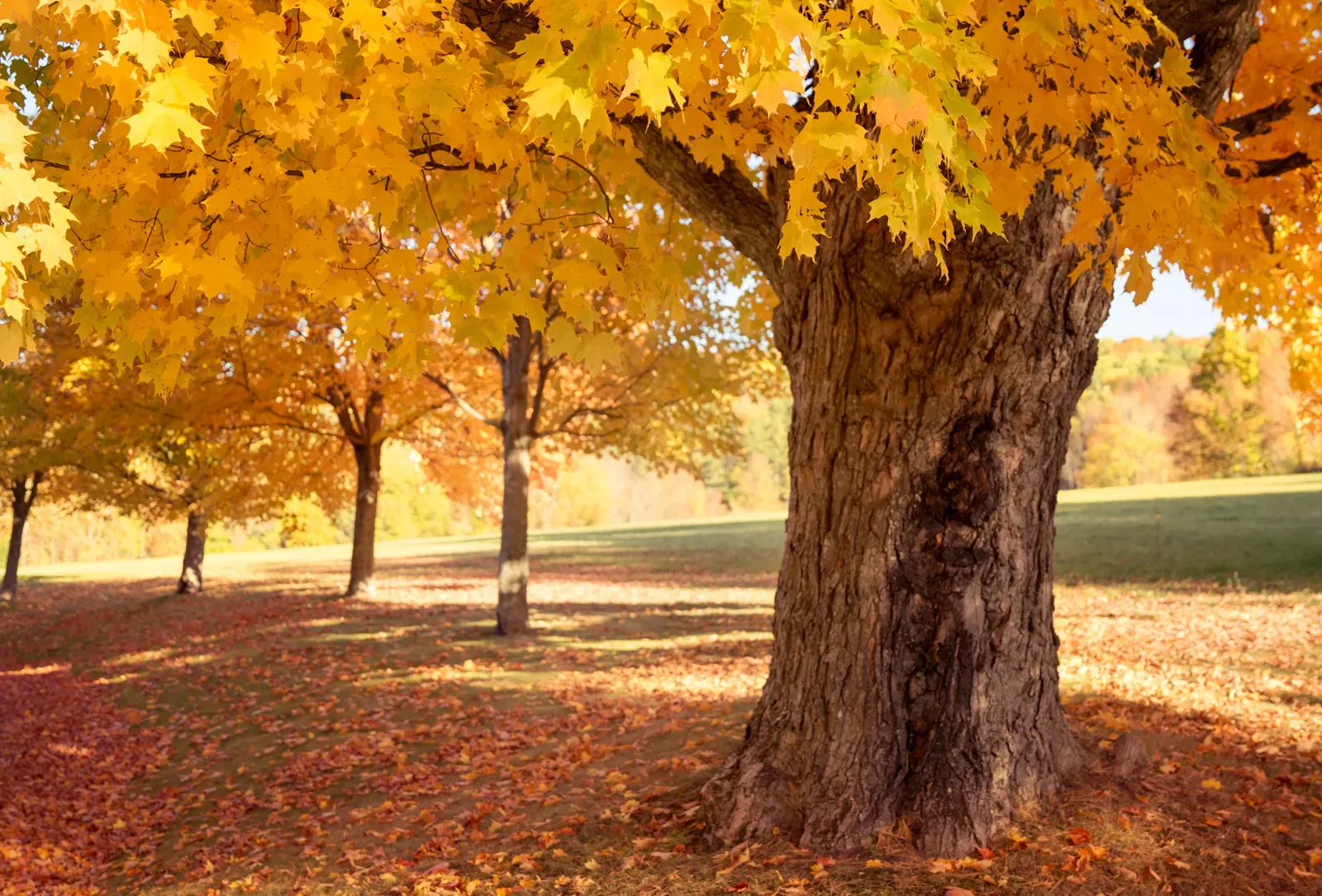
The maple tree is rarely loud in the way it announces its importance. It does not dominate tropical canopies or stretch endlessly across open plains. Instead, it works quietly, shaping temperate landscapes through balance, seasonality, and consistency.
Belonging to the Acer genus, maple trees are native to large parts of the Northern Hemisphere and are especially associated with regions that experience strong seasonal change. Their presence is felt not just through form, but through rhythm. Few trees express time as clearly as a maple does.
A tree shaped by seasons
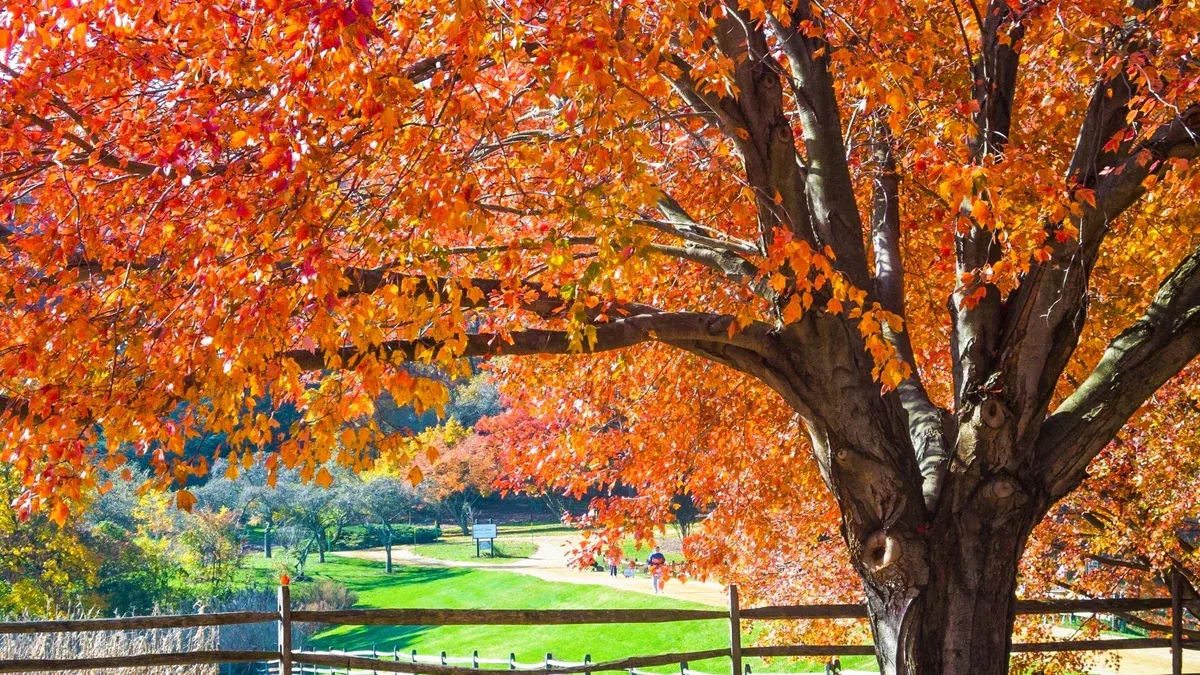
Maple trees are deeply seasonal organisms.
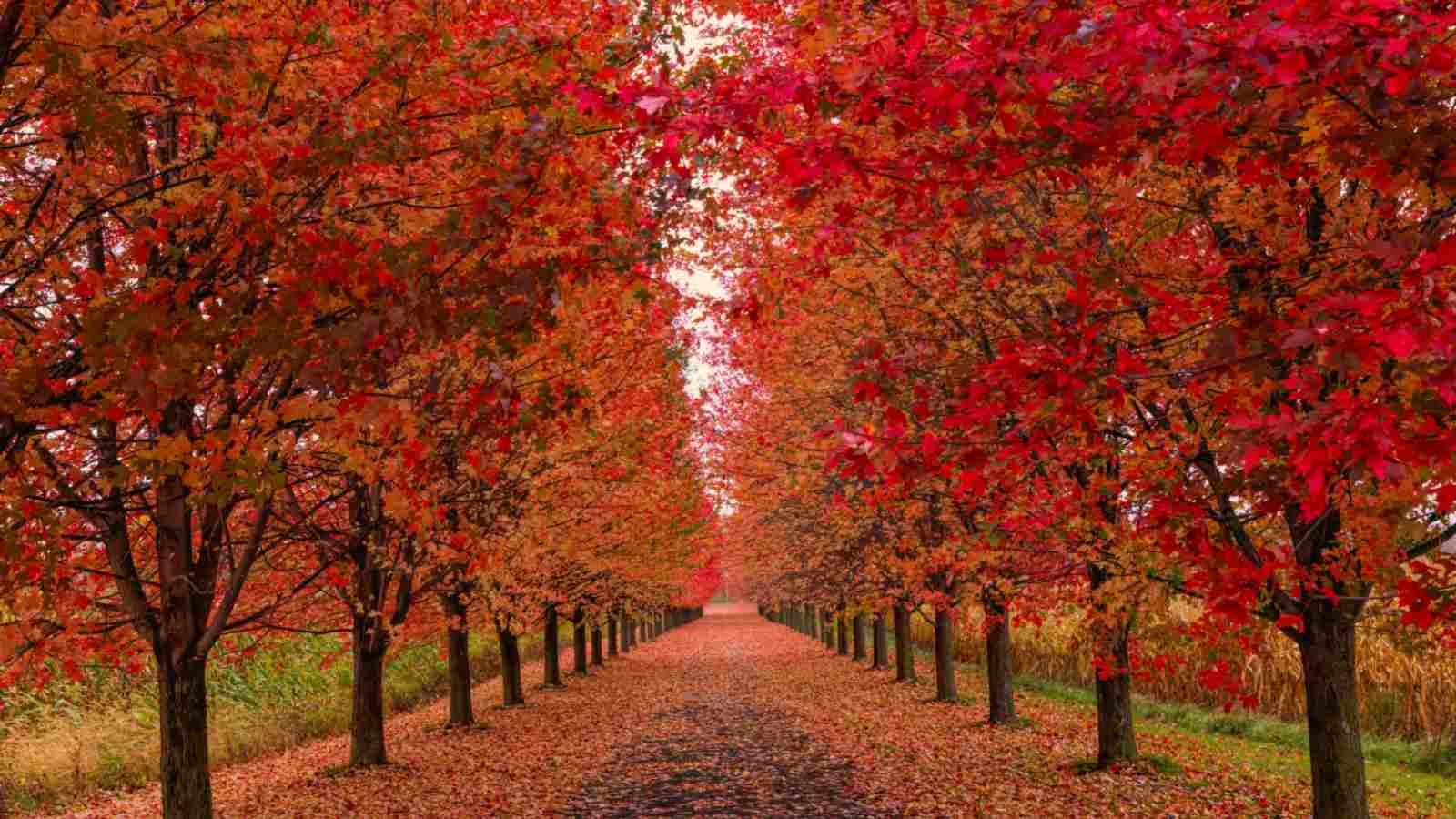
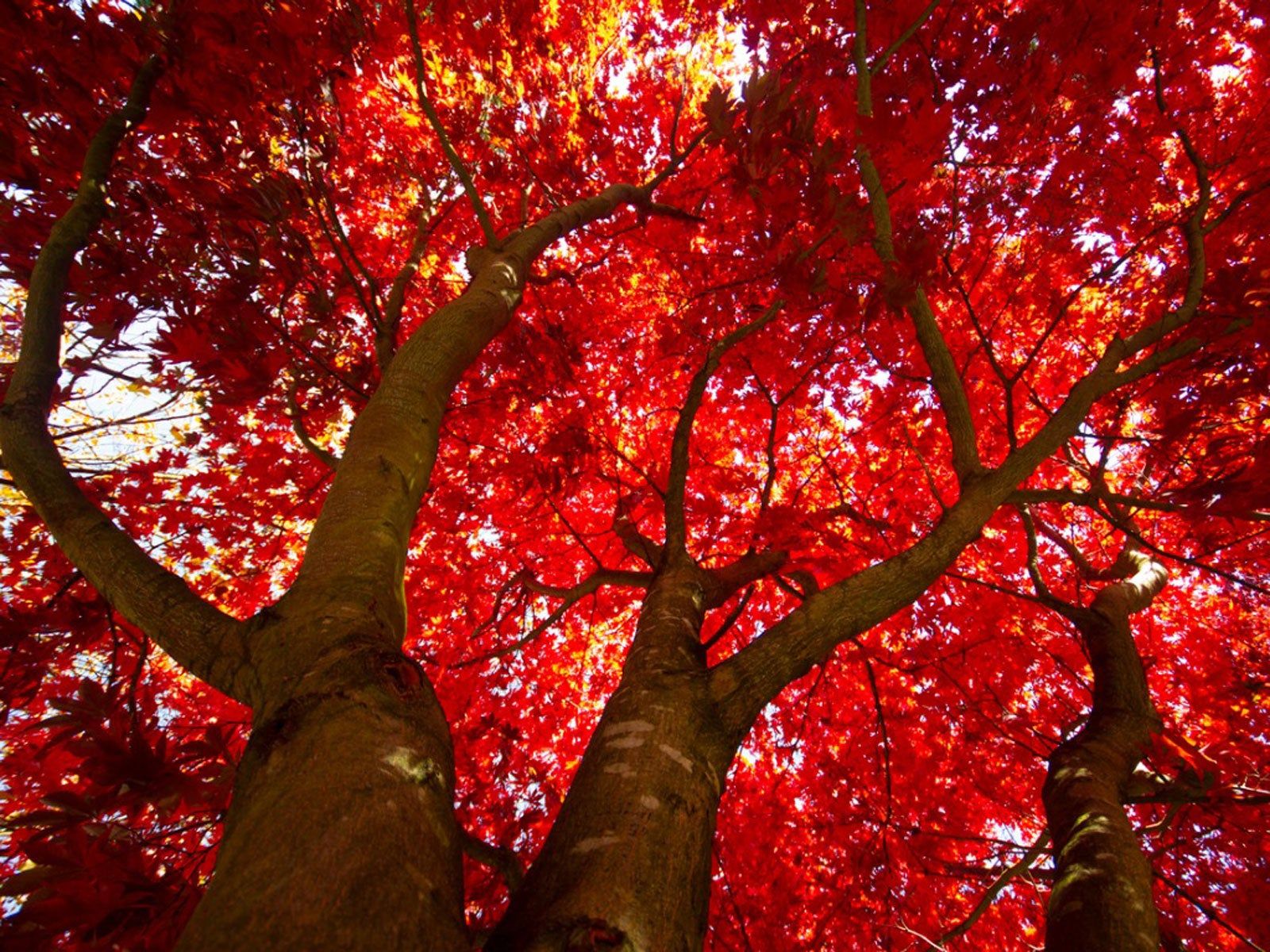
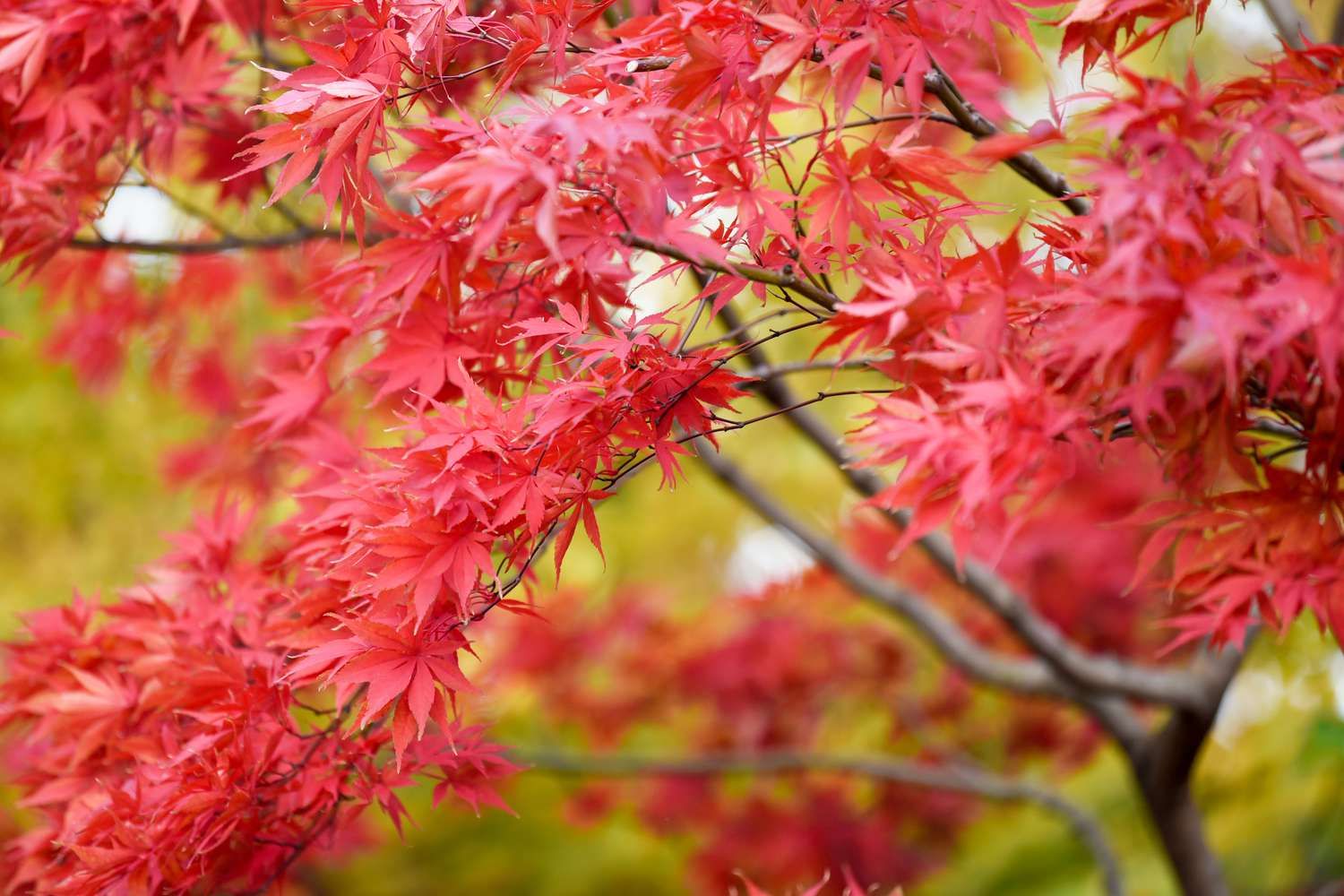
In spring, they leaf out early, creating a fresh canopy at a time when many forests are still bare. In summer, their broad leaves provide dense shade, cooling forest floors and urban streets alike. In autumn, they become visually unmistakable, shedding chlorophyll and revealing pigments that range from yellow to deep crimson. By winter, they stand exposed, conserving energy and waiting.
This seasonal cycle is not just visual. It influences soil processes, insect life, and nutrient flows. The annual leaf fall from maple trees contributes significantly to forest litter, helping build fertile topsoil over time. In temperate ecosystems, this steady input of organic matter is foundational to long-term soil health.
The seasonal physiology of maples is closely tied to their climate range, which is why species within the Acer genus are widely studied in discussions around temperate forest ecology.
A structure built for balance
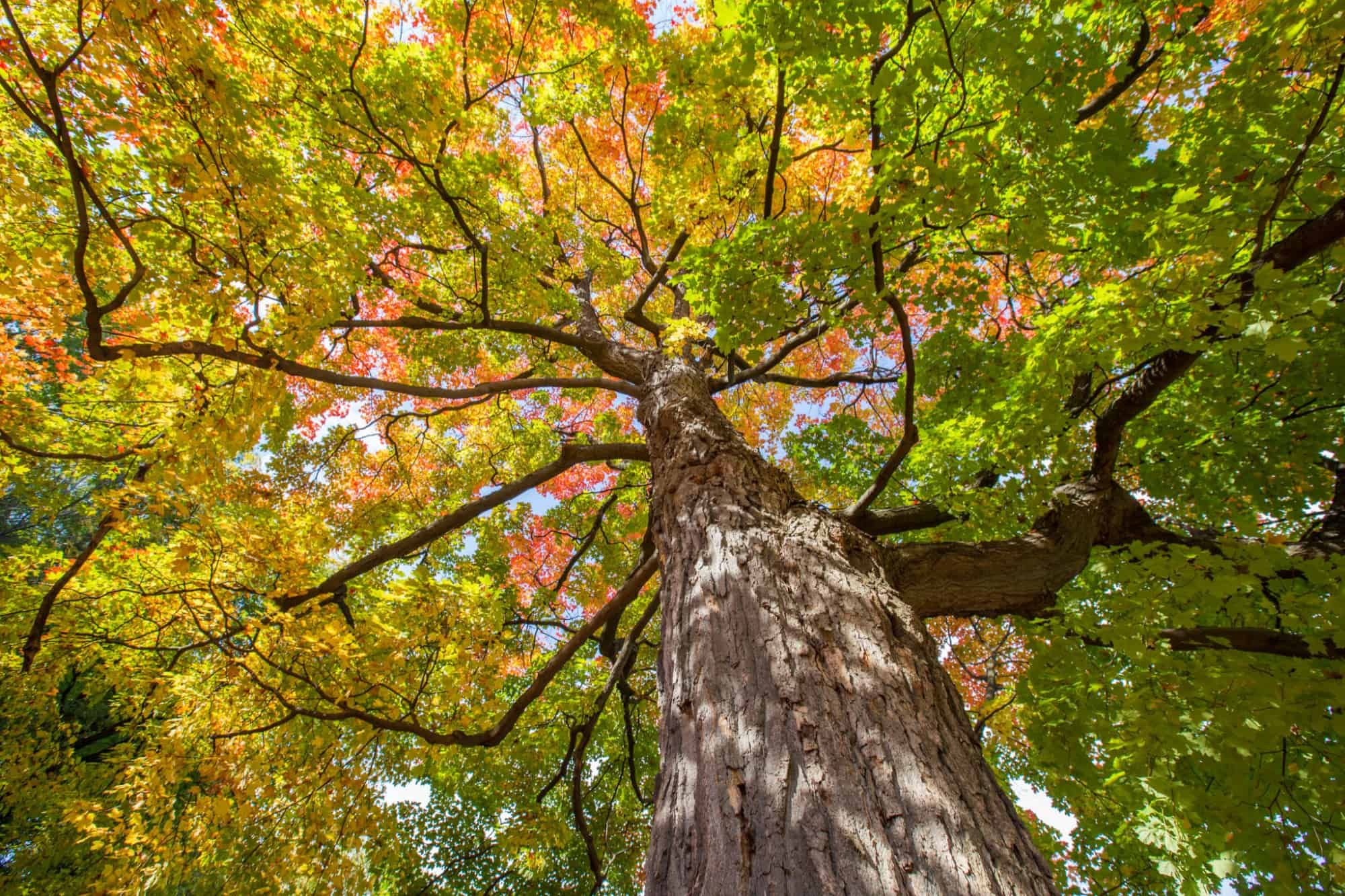
Unlike trees that optimise for rapid vertical growth, maples tend to prioritise structural balance.
Their branching patterns distribute weight evenly, reducing the likelihood of large limb failure. Leaves are broad but thin, designed to maximise photosynthesis during shorter growing seasons without excessive water loss. Root systems spread laterally rather than deeply, allowing maples to stabilise soil while efficiently accessing surface nutrients.
This structural strategy makes maple trees well suited to mixed forests, where coexistence matters more than competition. They rarely exclude other species. Instead, they integrate.
This is one reason maples appear frequently in diverse forest compositions across Europe, North America, and parts of Asia.
An anchor for biodiversity
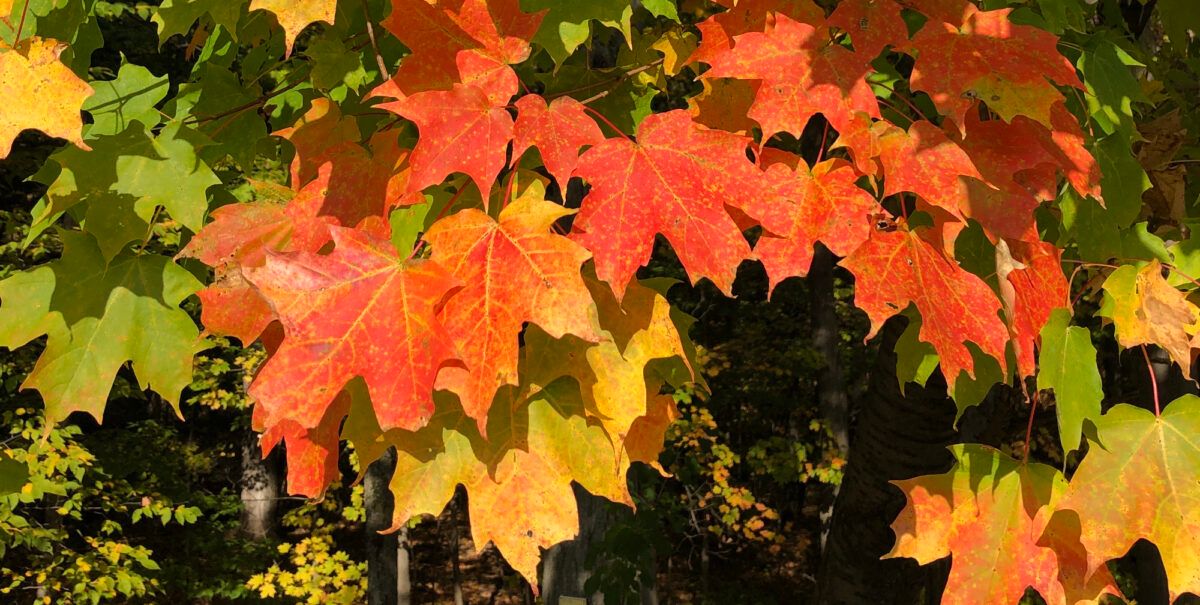
Maple trees support a wide range of life, often in subtle ways.
Their flowers provide early-season nectar and pollen for insects when few other resources are available. Their leaves host caterpillars and other invertebrates, which in turn support bird populations. Cavities in older maple trees offer nesting and shelter opportunities for small mammals and birds.
In forested landscapes, maples often function as connective tissue. They may not always be keystone species, but they stabilise ecological relationships by being consistently present and reliable. Their role in sustaining food chains becomes especially clear in ecosystems where seasonal gaps are common.
The importance of deciduous trees like maples in supporting layered biodiversity is widely discussed in studies on forest habitat complexity.
Carbon storage, quietly effective
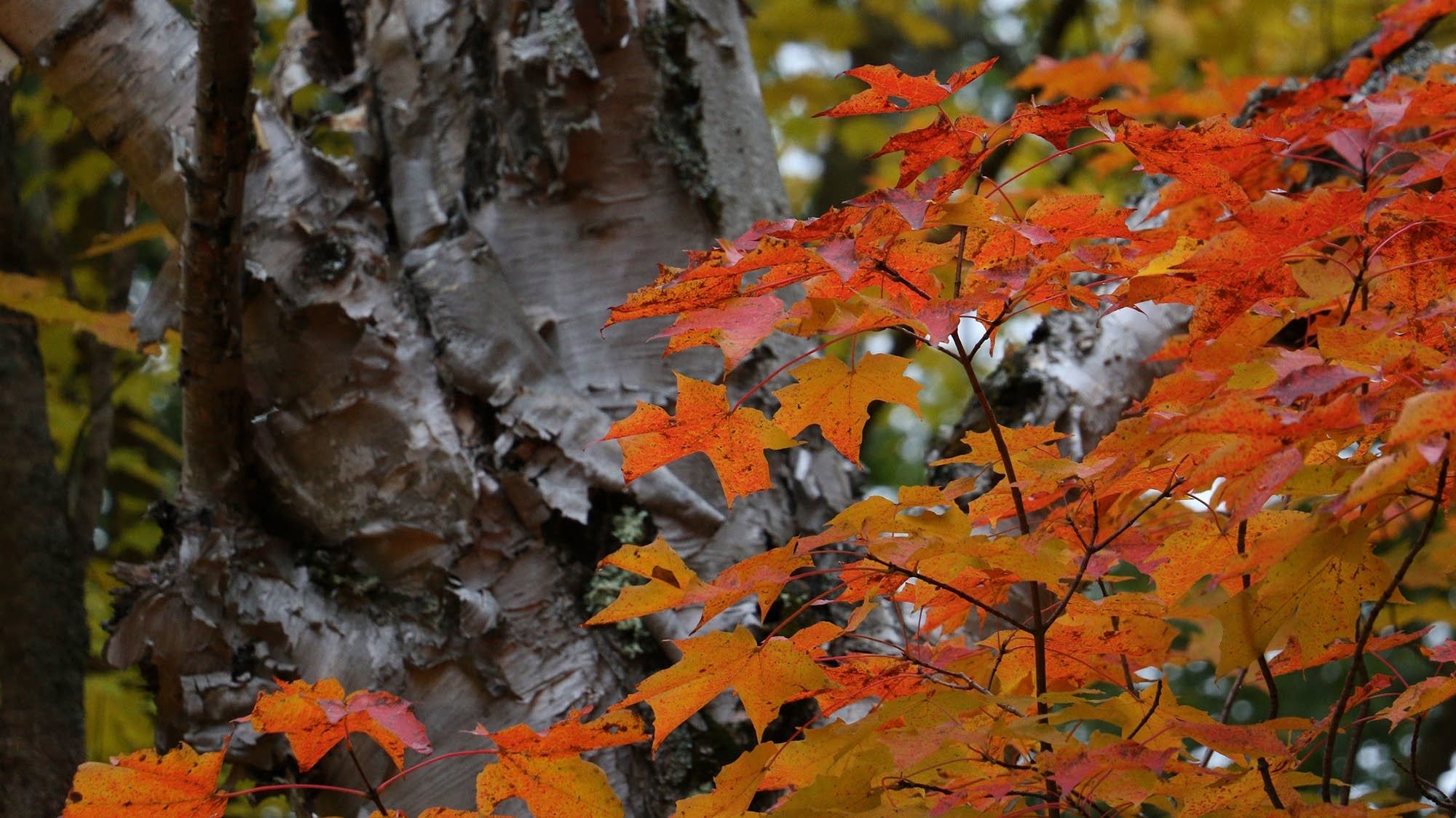
Maple trees store carbon in their trunks, branches, and root systems over long periods of time. While they are not among the fastest-growing species, their moderate growth rate combined with longevity allows them to accumulate and retain carbon steadily.
More importantly, maples contribute to carbon stability through soil processes. Leaf litter decomposes into organic matter, increasing soil carbon content and improving moisture retention. This soil-mediated carbon storage is often overlooked, but it plays a critical role in long-term ecosystem resilience.
In climate discussions, trees like maples sit at the intersection of mitigation and adaptation. They may not deliver rapid carbon gains, but they help stabilise landscapes, moderate temperatures, and support systems that endure climatic variability. This framing aligns closely with how climate adaptation in forest systems is increasingly understood.
Why maples thrive in cities
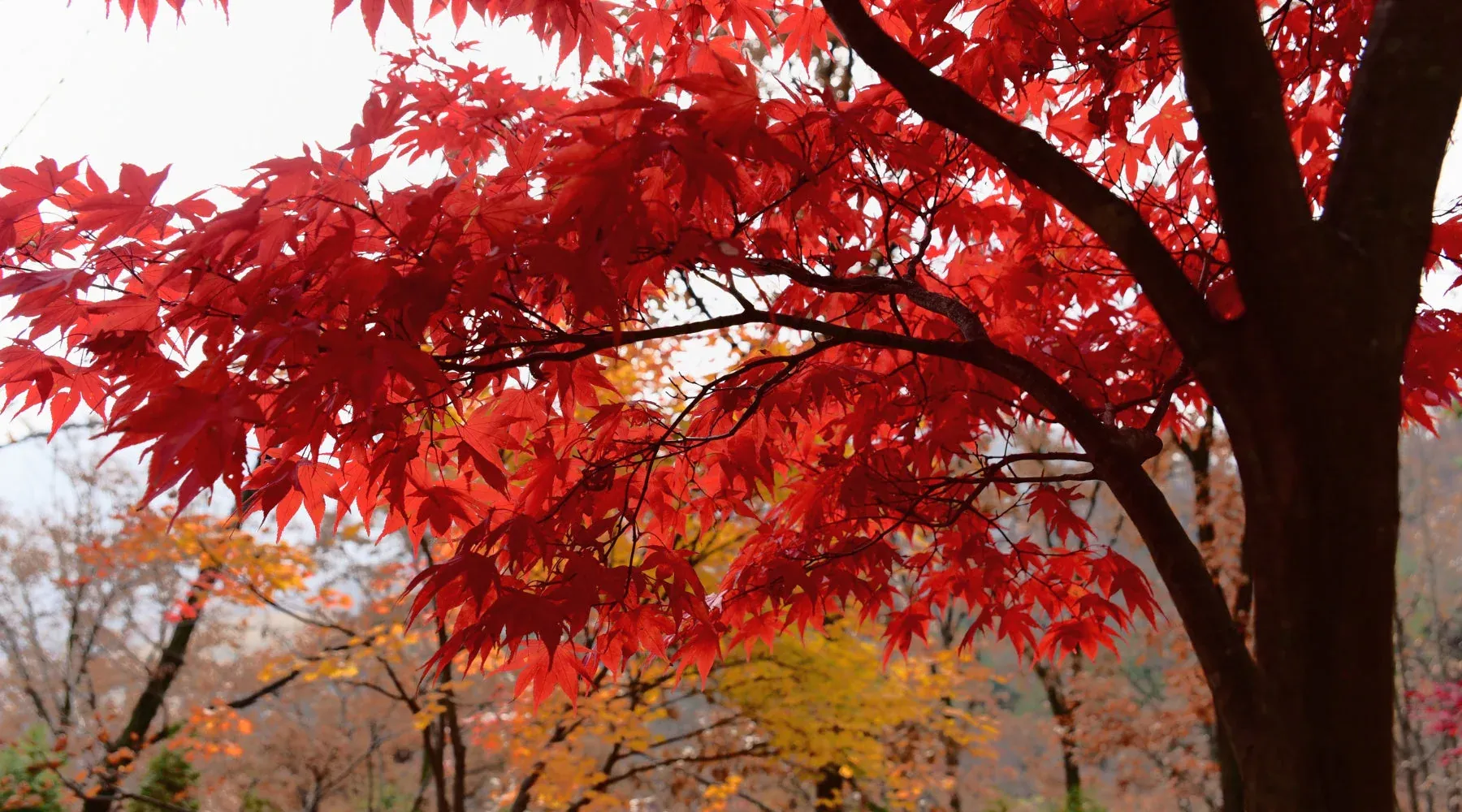
Maple trees are common in urban environments for practical reasons.
They tolerate pruning better than many species, adapt to a range of soil conditions, and provide reliable shade without requiring excessive space. Their seasonal leaf drop, while sometimes seen as maintenance work, also improves urban soil quality when managed well.
In cities, maples soften hard edges. They reduce heat stress, improve walkability, and introduce seasonal change into otherwise static environments. A street lined with maples does not look the same year-round, and that variation matters. It reconnects urban life with natural cycles.
Urban forestry research consistently highlights deciduous canopy trees like maples as critical components of climate-resilient cities.
The cultural life of the maple
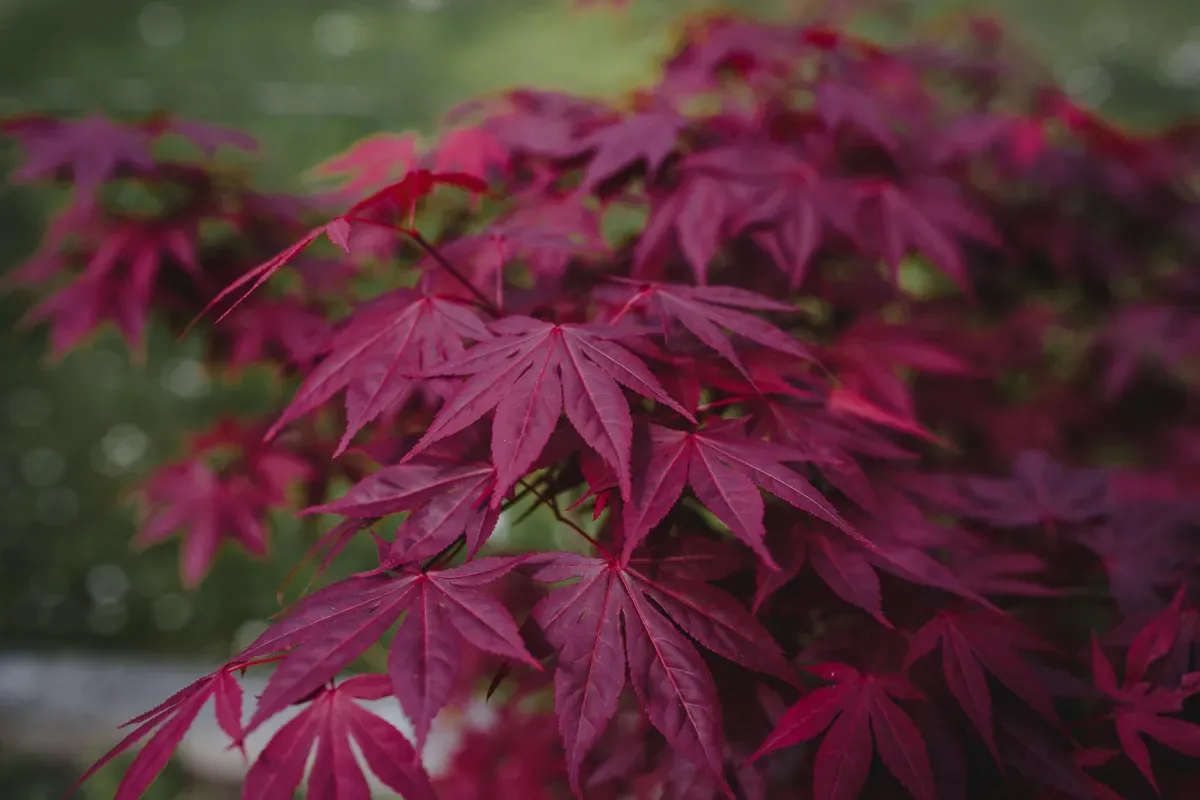
Few trees are as culturally recognisable as the maple.
From its association with seasonal change to its role in producing maple syrup, the tree has become embedded in regional identities, particularly in parts of North America. Yet its cultural presence is grounded in use, not mythology. Sap was harvested because it was available. Wood was used because it was workable and durable. Shade was valued because it was dependable.
Maples earned their place through utility first. Meaning followed. This pattern mirrors how many culturally significant trees around the world became important. They were useful before they were symbolic.
Limits worth acknowledging
Despite their adaptability, maple trees are not universal solutions.
Some species are sensitive to prolonged drought and heat stress, especially outside their native ranges. Others struggle in heavily compacted soils or polluted environments if not given adequate care. As climates shift, the suitability of certain maple species is already changing, particularly in warmer regions.
Recognising these limits is essential. Ecological value is always contextual. Planting decisions must match species to place, not aesthetic preference alone.
Why the maple still matters
The maple tree represents a different kind of ecological strength.
It does not dominate. It adapts. It responds to seasons rather than resisting them. It supports life quietly and consistently, without demanding attention.
In a world increasingly shaped by extremes, trees like the maple remind us that resilience often comes from balance. From systems that bend, shed, regenerate, and return.
That is why the maple continues to matter—not as a symbol frozen in time, but as a living participant in landscapes that are constantly changing.
Frequently Asked Questions about Maple Trees
1. What is a maple tree?
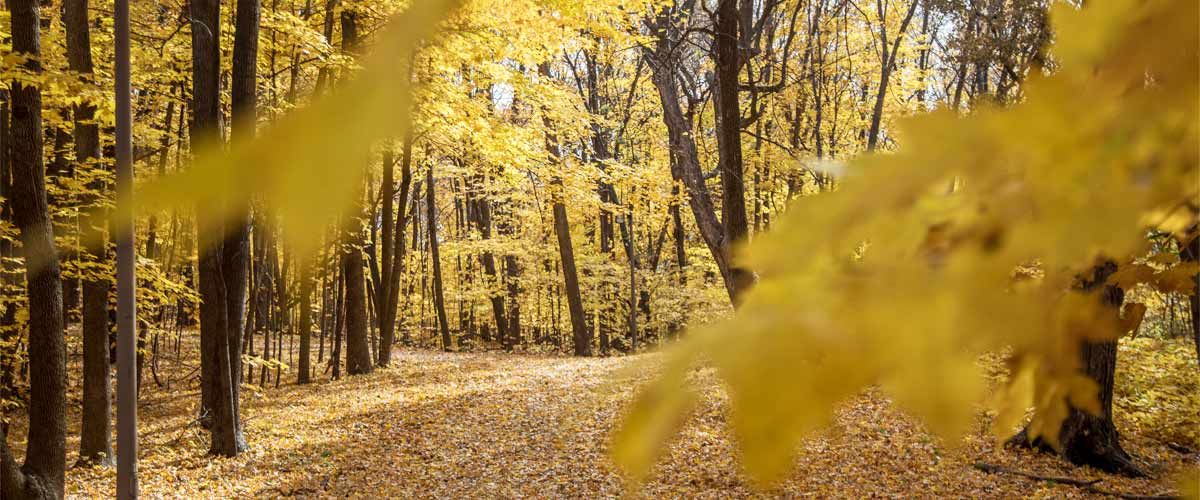
A maple tree belongs to the Acer genus and is a deciduous tree native to the Northern Hemisphere. It is known for its seasonal leaf colour, broad canopy, and ecological adaptability.
2. Where do maple trees grow naturally?
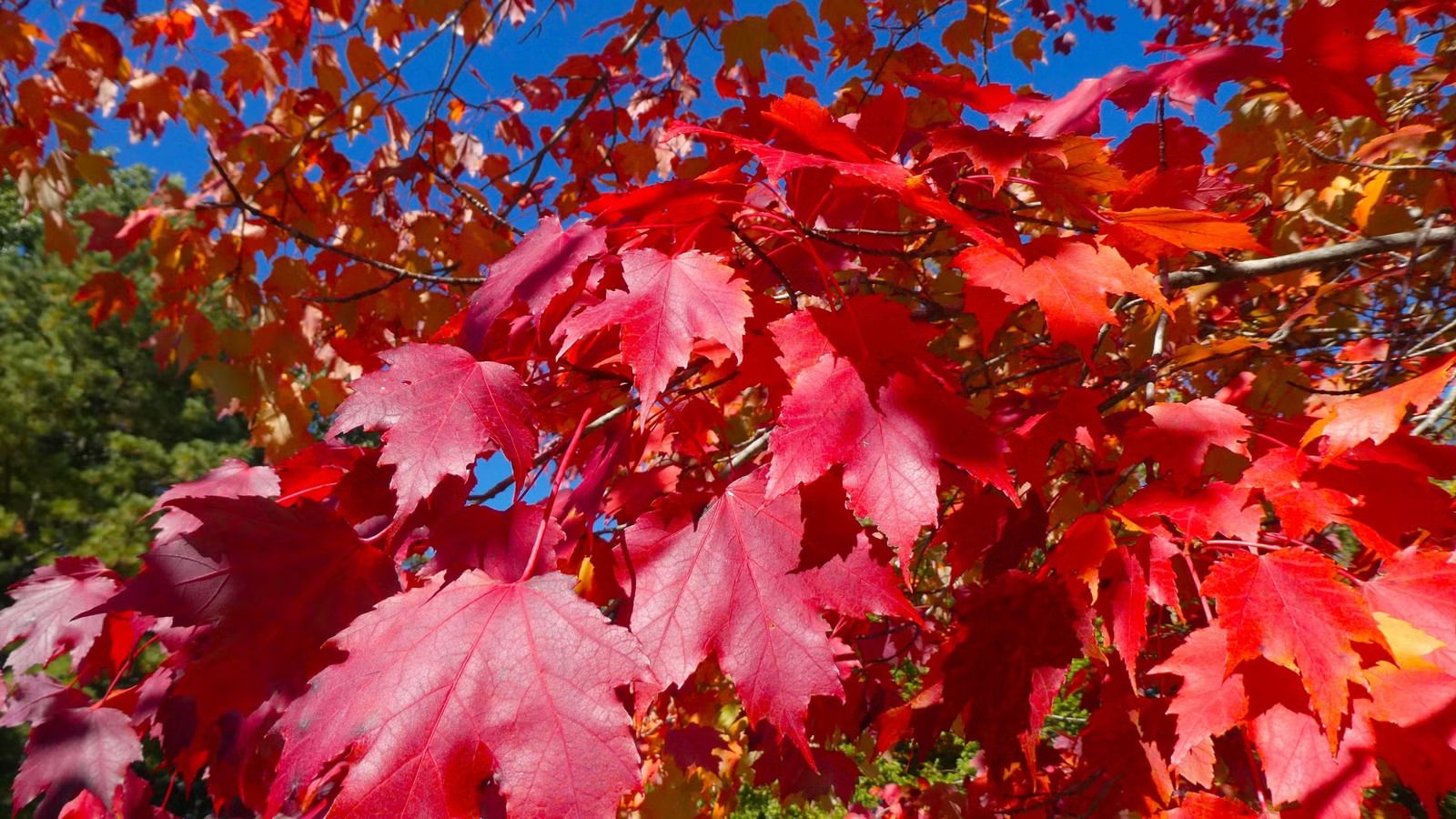
Maple trees are native to North America, Europe, and parts of Asia. They thrive in temperate climates with distinct seasonal changes.
3. How long do maple trees live?

Depending on the species and conditions, maple trees can live anywhere from 100 to over 300 years.
4. Do maple trees support biodiversity?
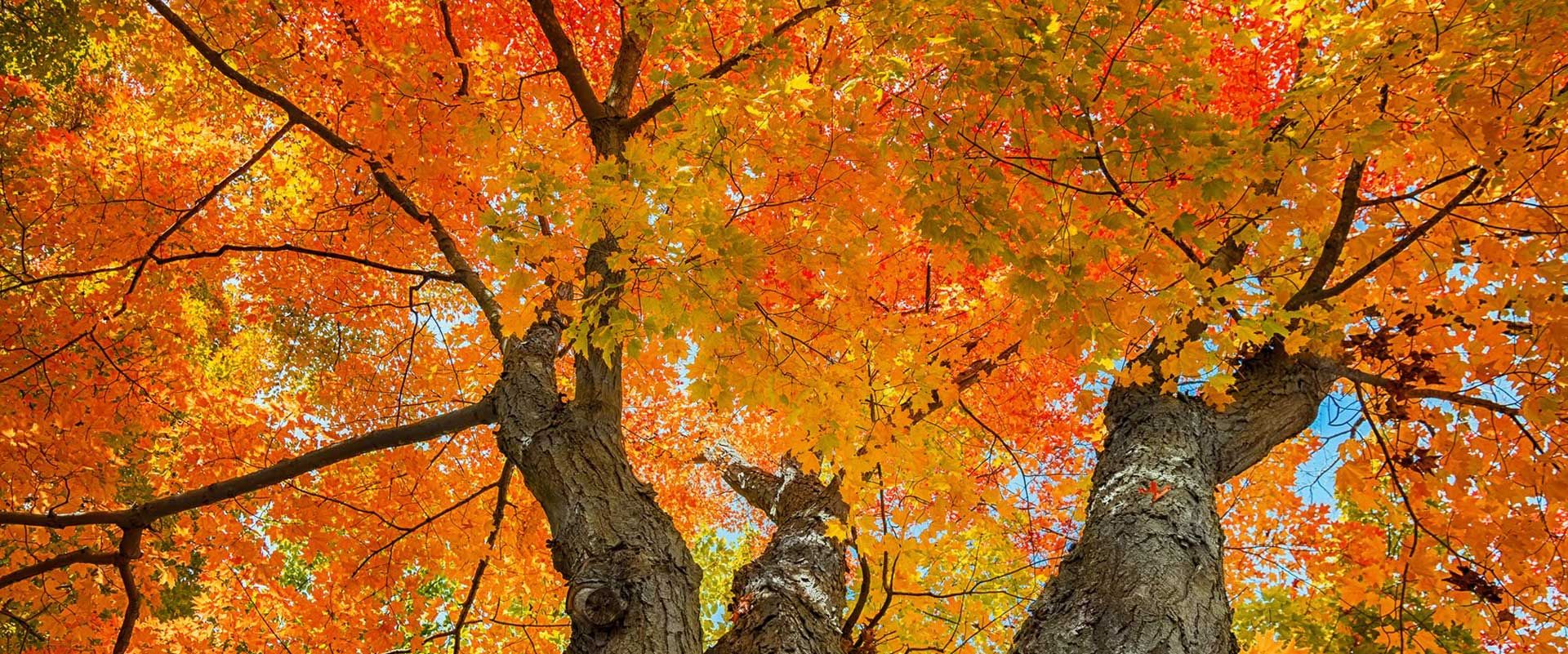
Yes. Maple trees provide food, shelter, and breeding space for insects, birds, and small mammals, especially in temperate forests.
5. Are maple trees good for urban areas?
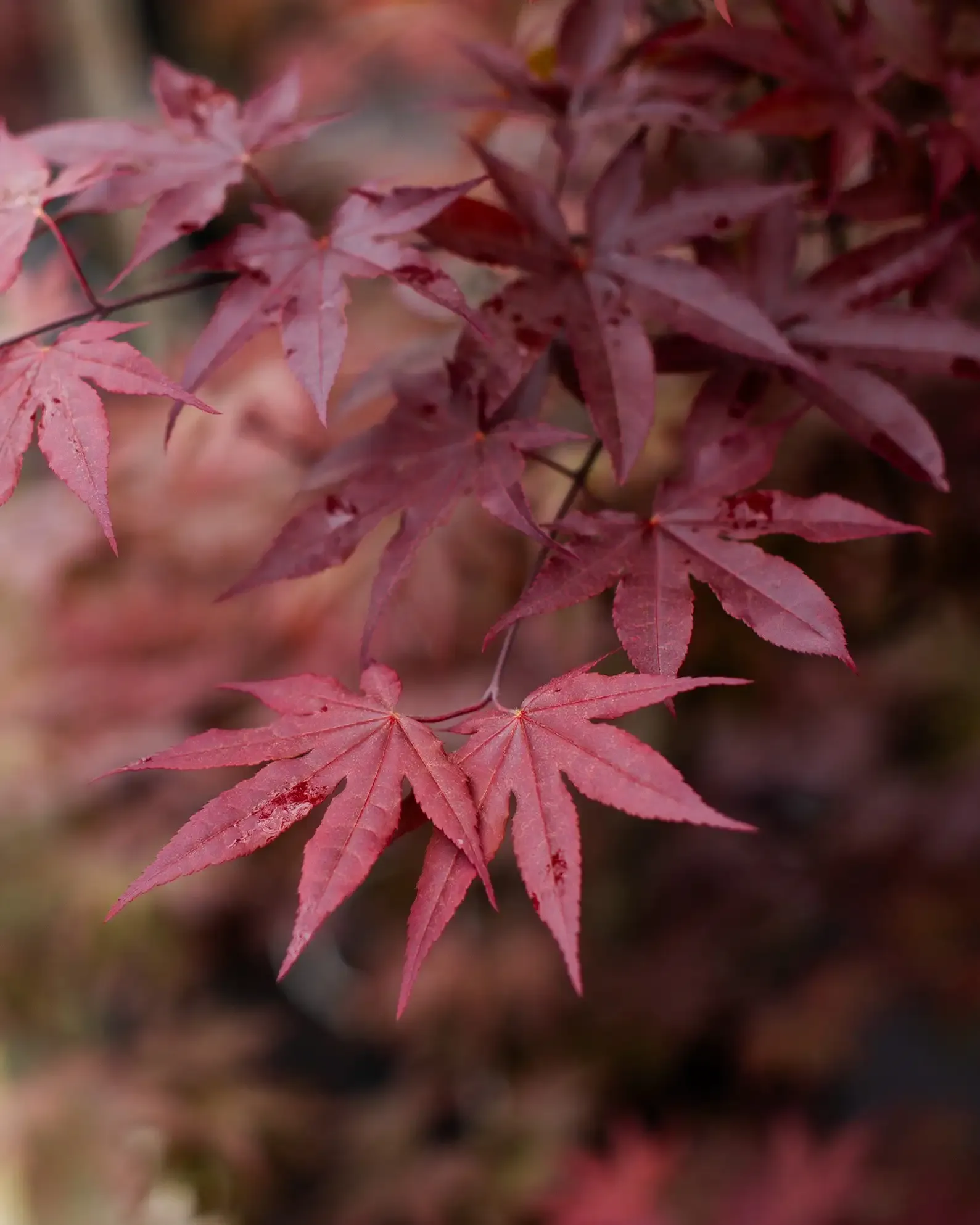
Many maple species are well suited to cities due to their shade, moderate root systems, and tolerance to pruning when managed correctly.
6. Do maple trees help with climate change?
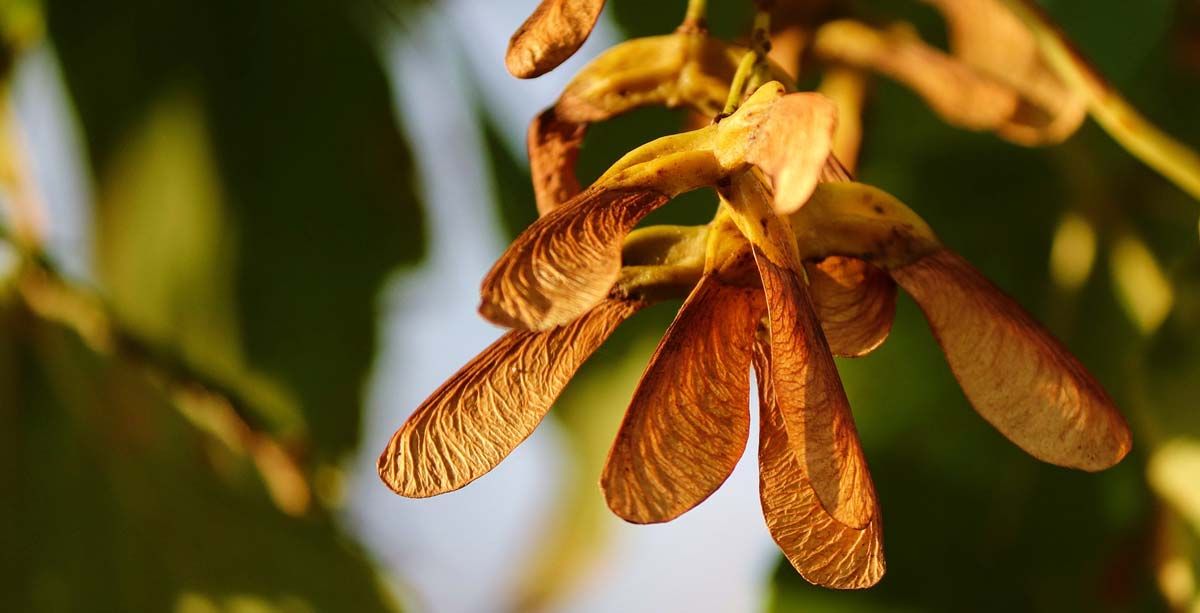
Maple trees contribute through carbon storage, soil health improvement, and temperature regulation, supporting long-term climate resilience.
7. Why do maple leaves change colour in autumn?
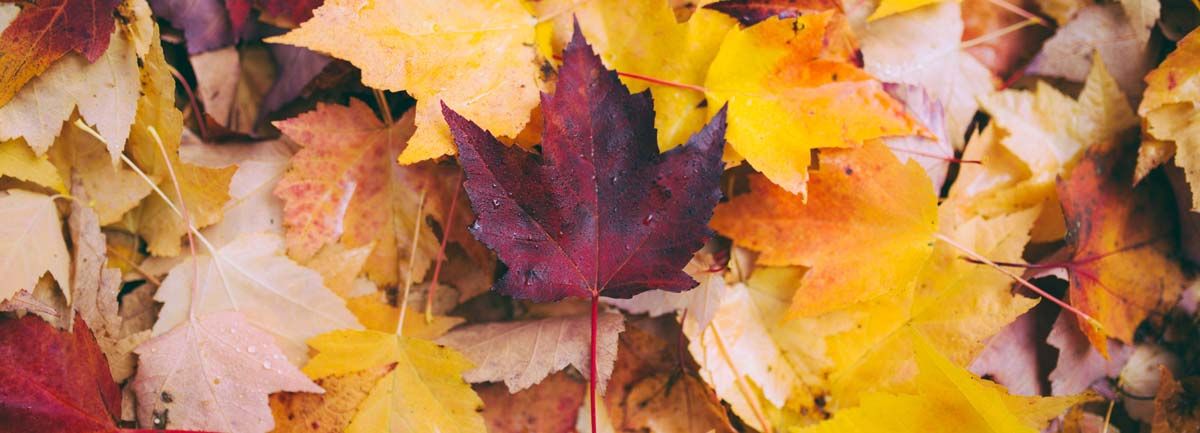
As daylight decreases, chlorophyll breaks down, revealing pigments like carotenoids and anthocyanins that create autumn colours.
8. Can maple trees grow in warm climates?
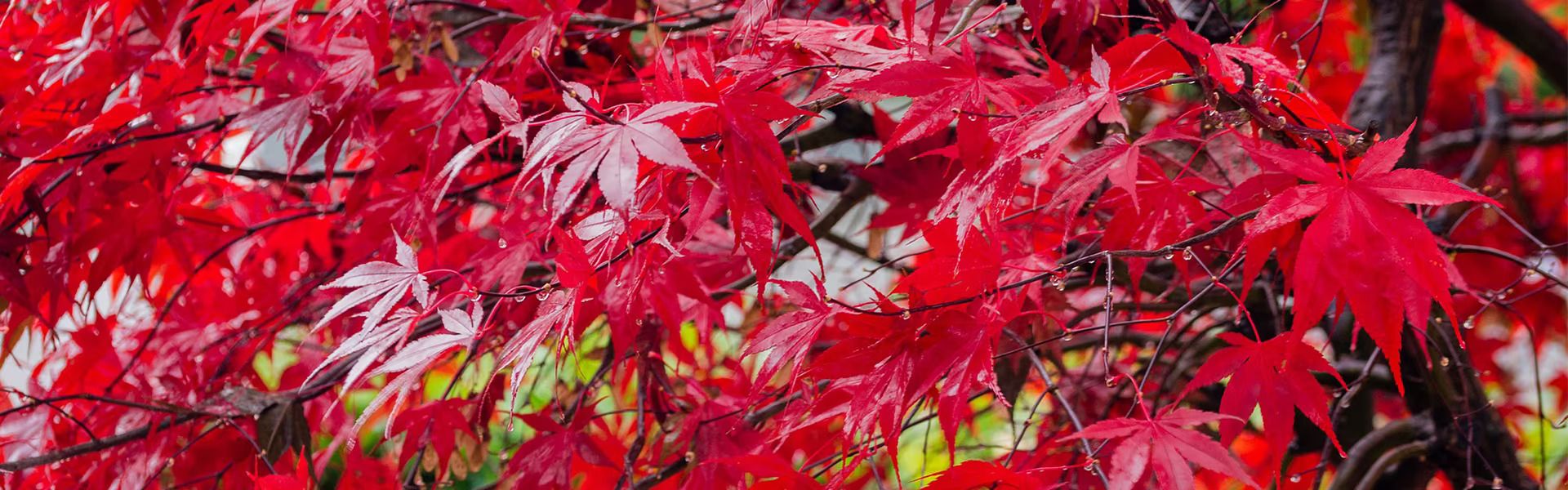
Some species can adapt, but many maples prefer cooler, temperate conditions and may struggle with prolonged heat or drought.