A Fast-Growing Tropical Plant That Supports Food Systems
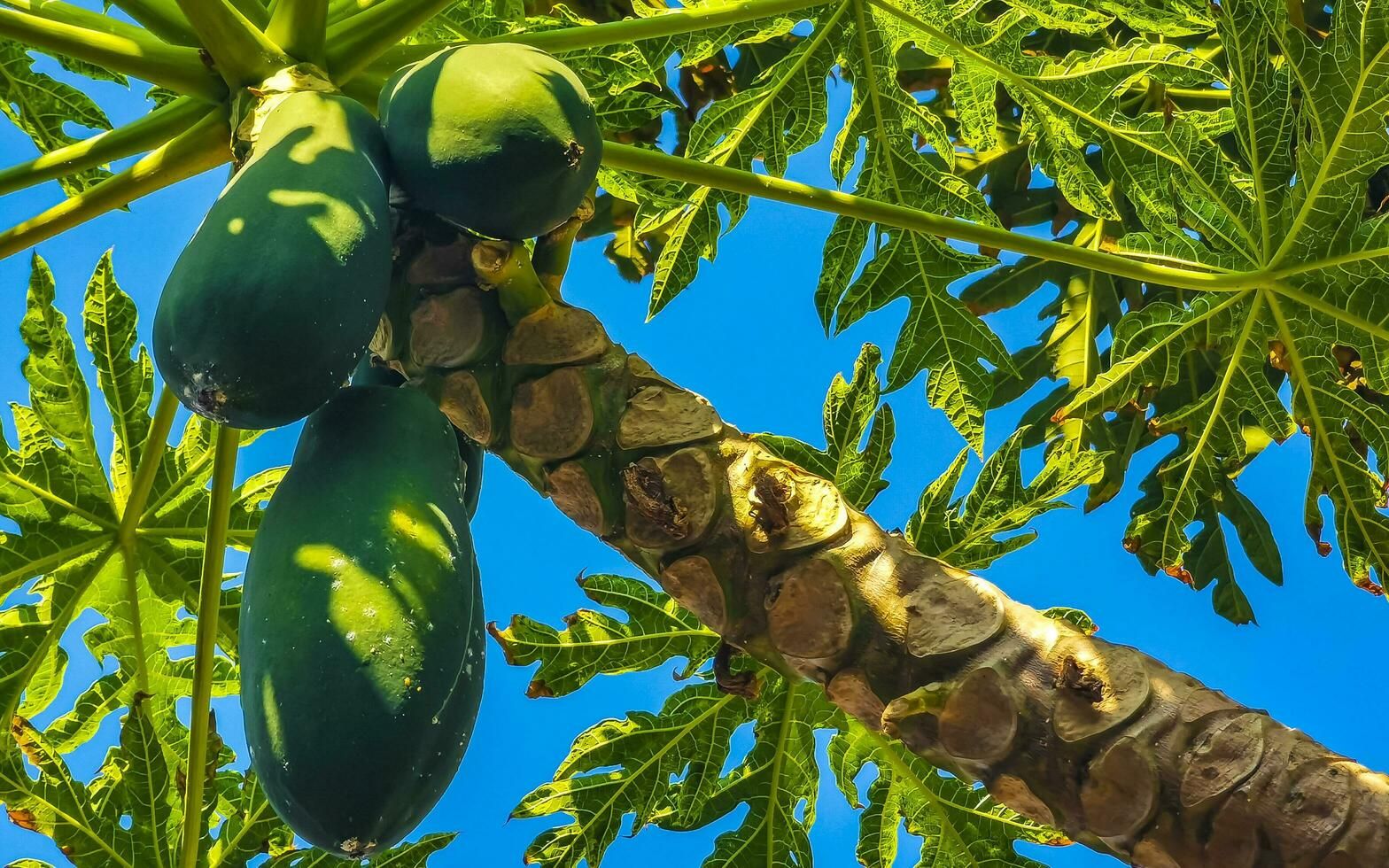
The papaya tree is one of the fastest fruit-producing plants grown in tropical regions.
Slender, upright, and crowned with large lobed leaves, the plant produces papaya fruit within a year of planting—something very few fruit crops can achieve.
Despite its common name, papaya is not technically a woody tree. It is a large herbaceous plant that grows with a single hollow trunk and produces fruit directly along its stem. Botanically, the papaya plant is known as Carica papaya, a tropical species native to Central America that has spread widely across Asia, Africa, and other warm regions.
Today, papaya is cultivated in farms, gardens, and small agricultural systems throughout the tropics. Its rapid growth, high nutritional value, and adaptability make it an important fruit crop in many food systems.
A plant that grows faster than most fruit crops
One of the most remarkable characteristics of the papaya plant is its growth speed. Many fruit trees require several years before they begin producing harvestable fruit.
Papaya plants, by contrast, can start bearing fruit within six to twelve months after planting. This quick growth cycle makes the crop particularly valuable for farmers who need faster returns compared with traditional orchard trees.
The papaya plant develops a tall, soft trunk that can reach several metres in height. Large leaves emerge at the top, forming a crown that captures sunlight efficiently. Fruits develop along the upper section of the trunk, often appearing in clusters beneath the leaves.
Because the trunk is soft and fibrous rather than woody, papaya plants are more sensitive to strong winds than many trees. Farmers often plant them in sheltered locations or alongside other crops that can provide some wind protection.
Structure and biology of the papaya plant
The structure of the papaya plant differs significantly from most fruit trees.
Instead of branching into a canopy, the plant grows vertically from a single stem. The trunk contains fibrous tissue rather than hardwood, and the plant’s lifespan is relatively short compared with traditional trees.
Large leaves extend outward from the crown, each with a deeply lobed shape that helps capture sunlight while allowing airflow through the canopy. These leaves play a major role in supporting the plant’s rapid growth.
Flowers develop near the top of the trunk, close to the leaf stems. Papaya plants may produce male, female, or hermaphrodite flowers depending on the variety.
Hermaphrodite plants are especially important in agriculture because they can produce fruit reliably without requiring separate male plants.
The fruit that made papaya globally popular
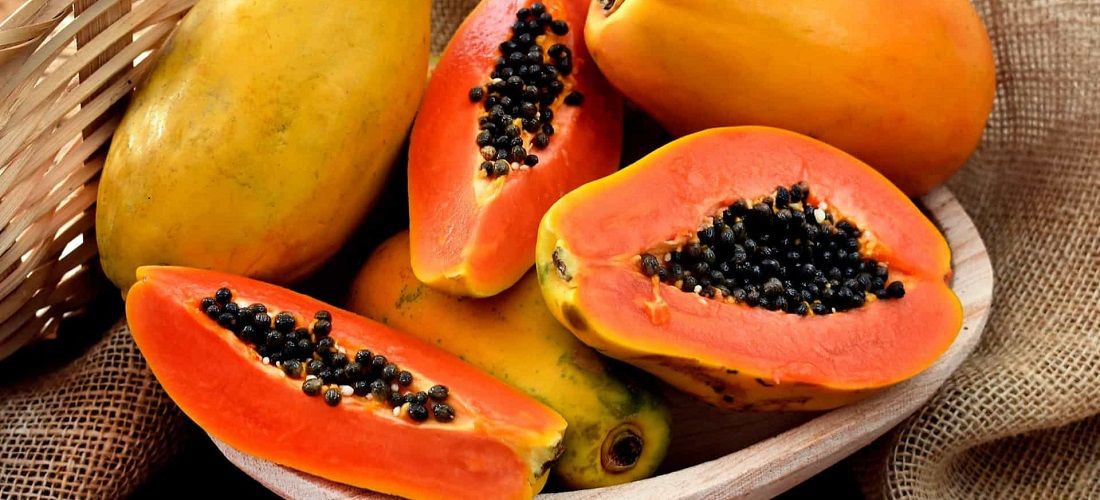
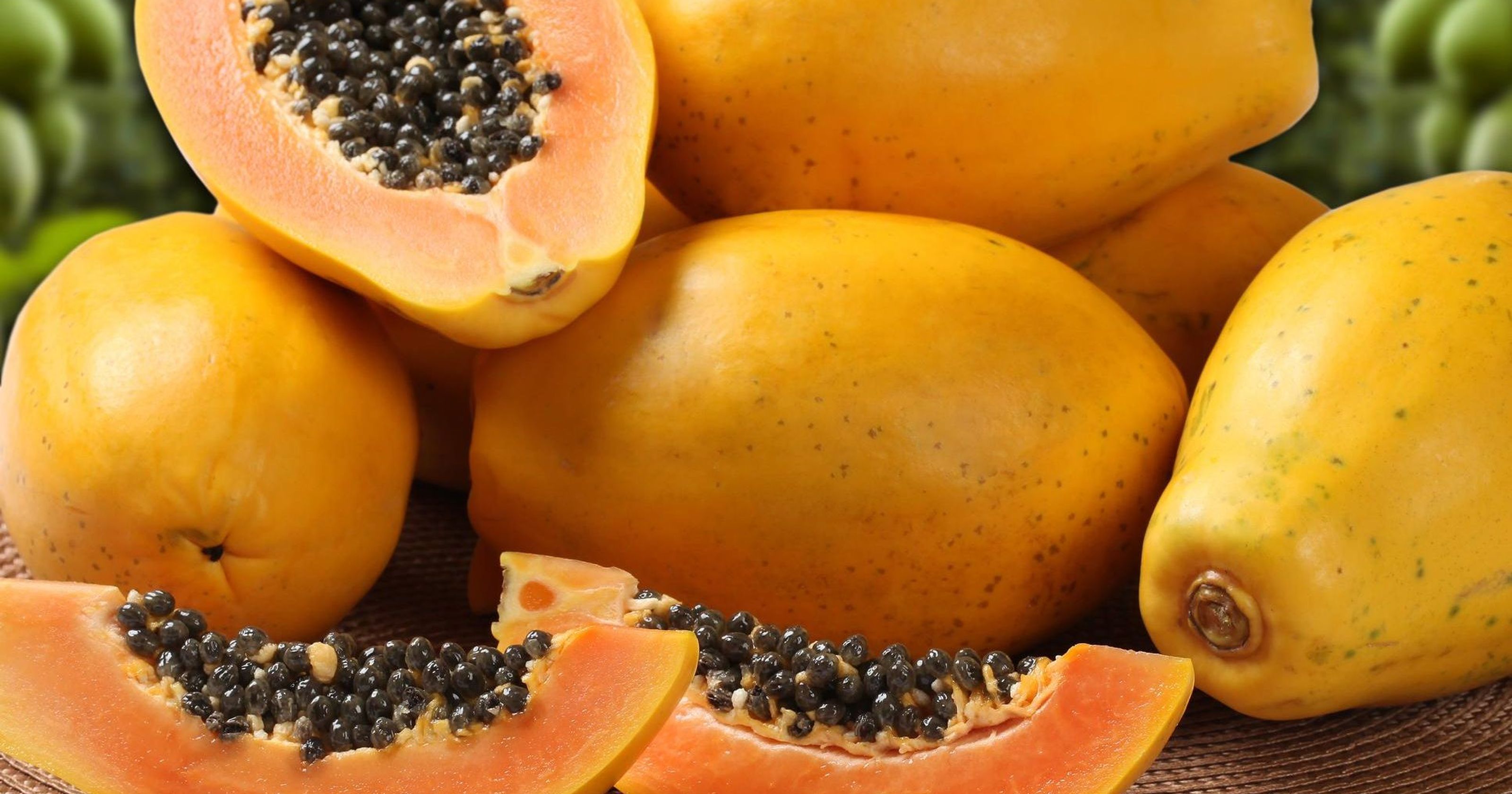
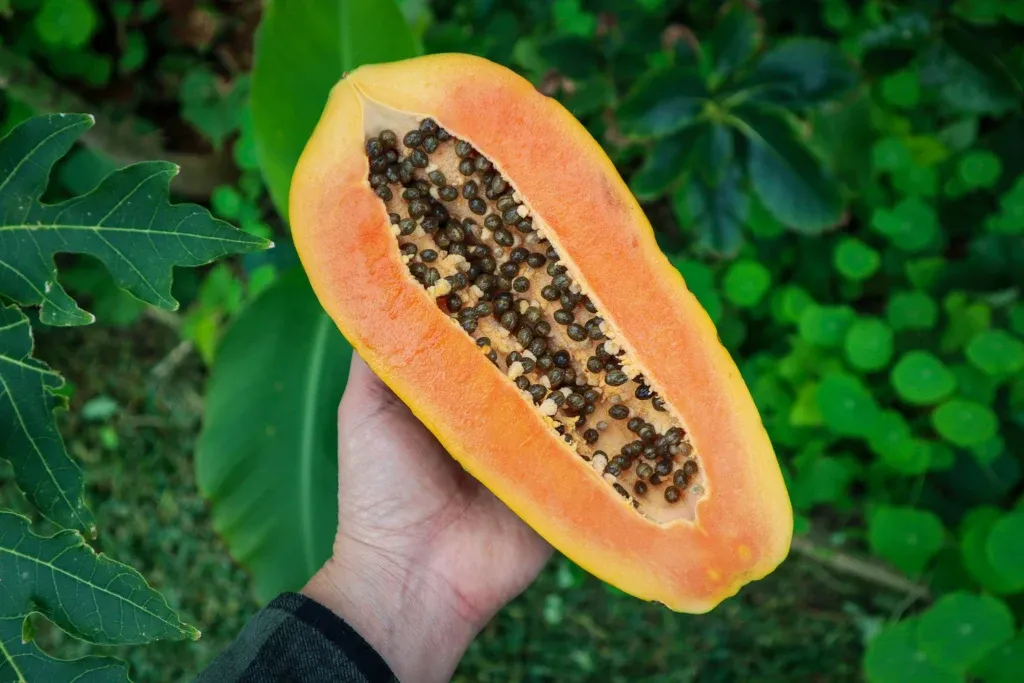
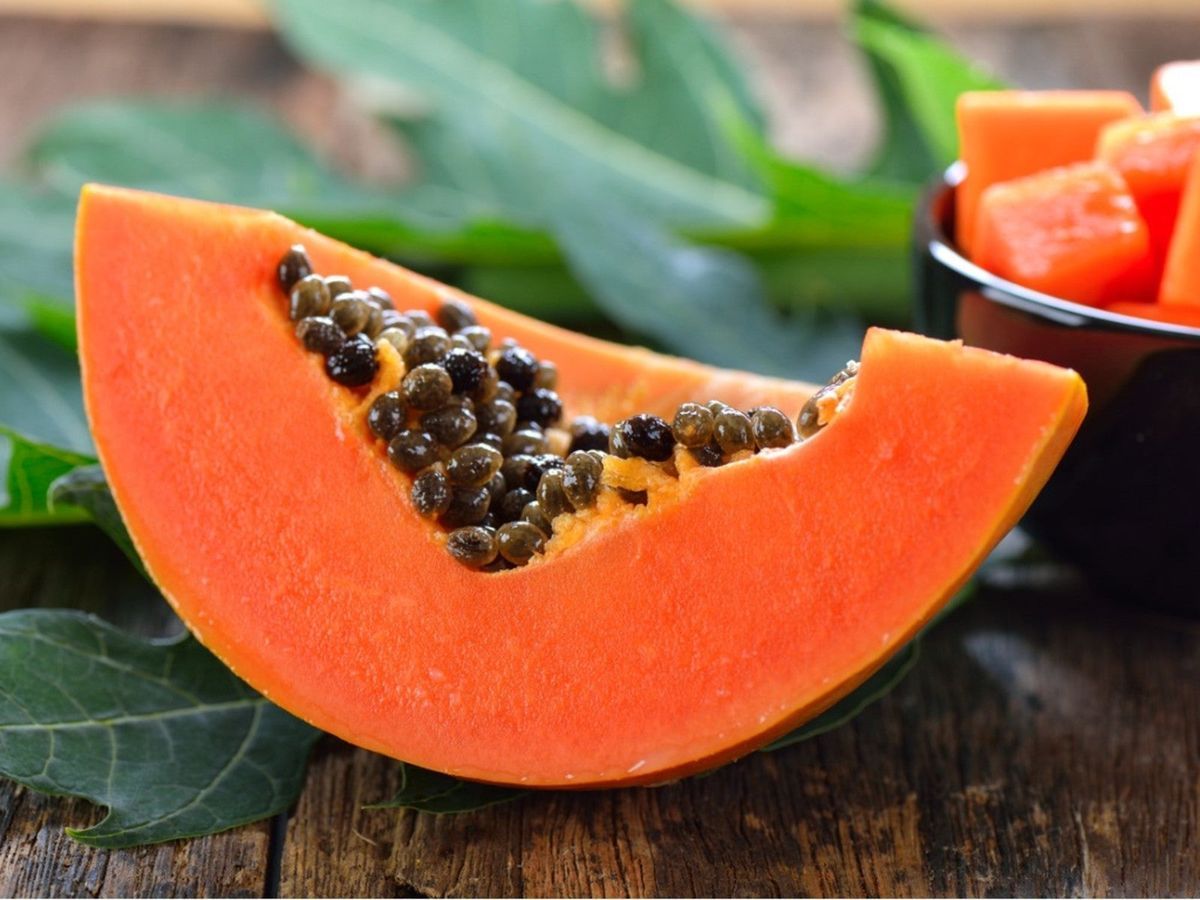
Papaya fruit is widely valued for its taste, soft texture, and nutritional benefits. The fruit typically grows oval or pear-shaped and turns yellow or orange as it ripens. Inside the fruit, bright orange flesh surrounds a central cavity filled with small black seeds.
Papaya is rich in vitamin C, vitamin A, folate, and antioxidants, making it one of the most nutrient-dense fruits grown in tropical agriculture. It also contains a natural enzyme called papain that helps break down proteins and supports digestion, contributing to the fruit’s reputation as a digestive aid.
The combination of nutritional value and easy cultivation has helped papaya become a widely consumed fruit across tropical and subtropical regions.
Papaya in tropical agriculture
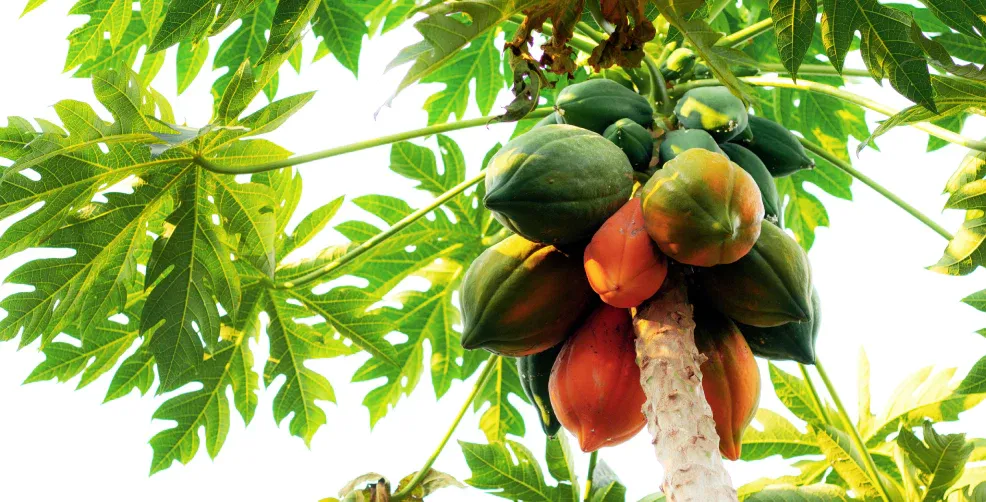
Papaya is widely grown in both small farms and commercial agricultural systems.
In household gardens and smallholder farms, papaya plants are often grown alongside other crops such as bananas, vegetables, and spices. This mixed cultivation approach allows farmers to produce fruit while maintaining biodiversity and soil productivity.
In commercial plantations, papaya plants are usually planted in evenly spaced rows to ensure adequate sunlight and airflow around each plant. Good spacing helps reduce disease pressure and improves fruit quality.
Global production of papaya is concentrated in tropical regions where year-round warmth allows continuous cultivation. In many countries, papaya has become both a local food source and an export fruit crop.
Ecological role in farming landscapes
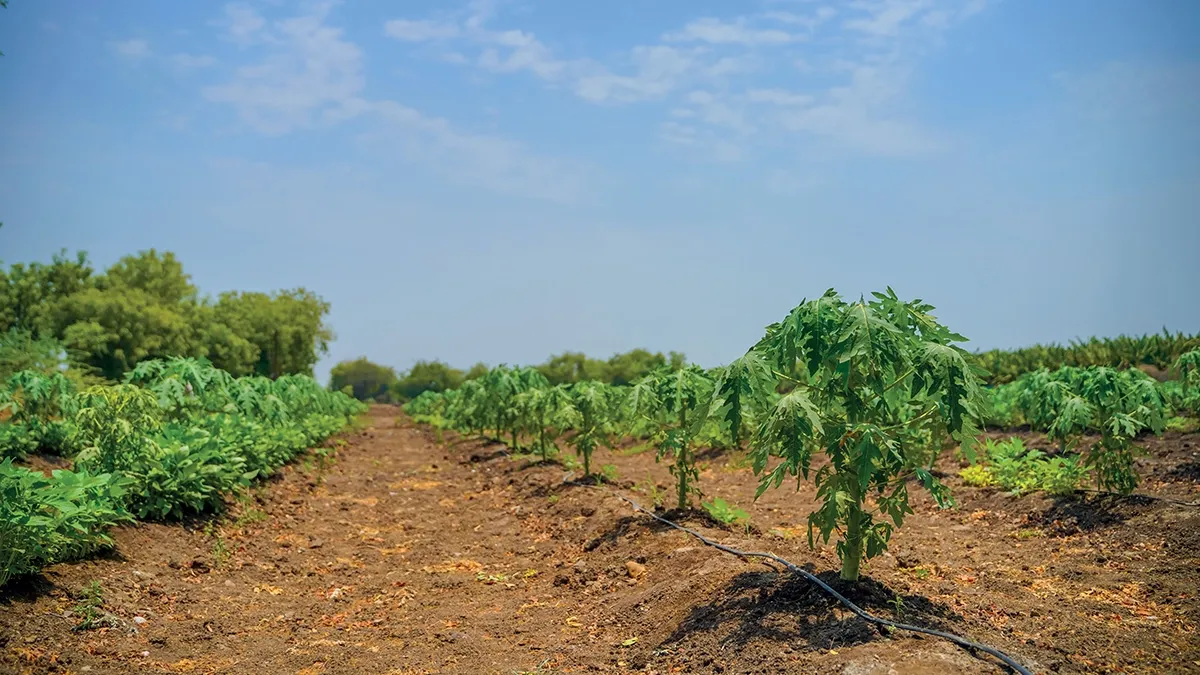
Although papaya is primarily cultivated for its fruit, the plant also contributes to agricultural ecosystems.
The flowers attract pollinators such as bees and other insects. These pollinators help maintain biodiversity and support nearby crops that depend on insect activity for pollination.
Papaya plants also produce large leaves that fall and decompose quickly, adding organic matter back into the soil. This natural recycling of plant material helps maintain soil fertility over time.
In diversified farming systems where crops and trees grow together, papaya plants can help create layered vegetation structures that improve soil moisture retention and reduce erosion.
Climate sensitivity and growing conditions
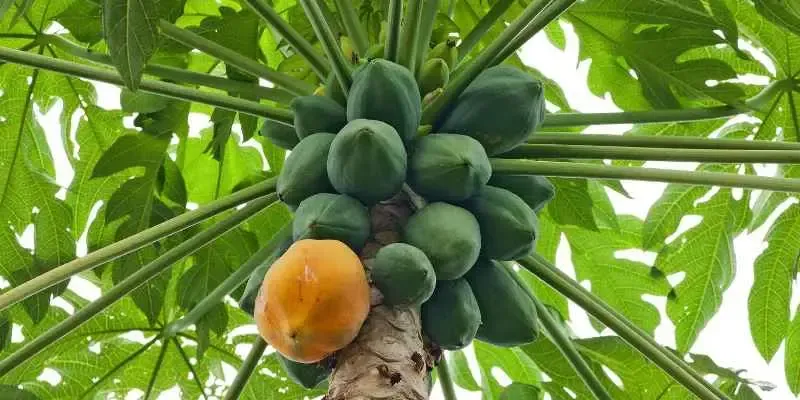
Papaya plants grow best in warm climates where temperatures remain between 20°C and 30°C. They require plenty of sunlight and perform best in well-drained soils that prevent waterlogging around the roots.
Cold temperatures can damage papaya plants, and frost can kill young plants quickly. For this reason, papaya cultivation is mostly limited to tropical and subtropical regions.
Rainfall patterns also influence papaya production. Too little water can reduce fruit size, while excessive rainfall may increase the risk of root disease. Farmers often manage irrigation carefully to maintain balanced soil moisture.
Understanding these climate requirements is increasingly important as changing weather patterns affect agricultural systems in many tropical regions.
A crop that bridges nutrition and agriculture
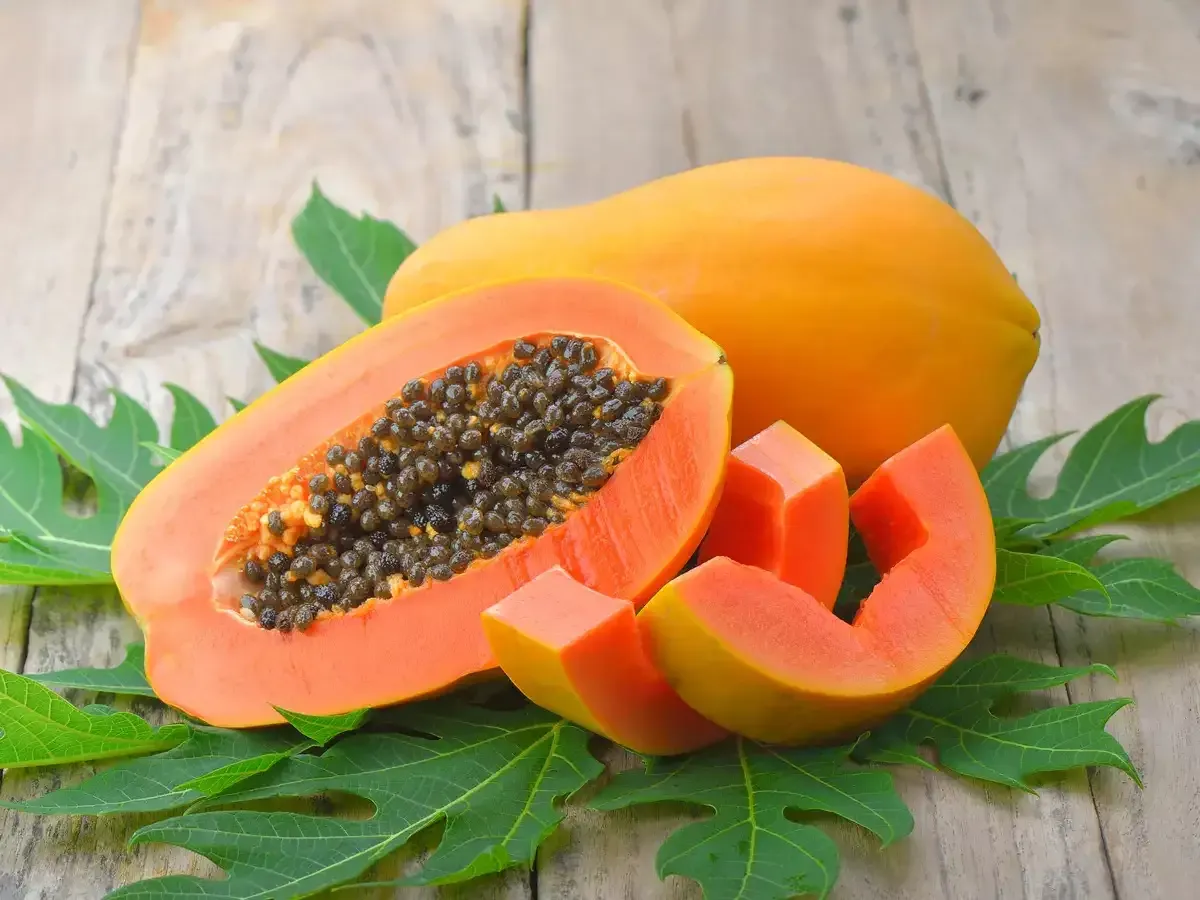
Papaya occupies a unique position among fruit crops.
It grows quickly, requires relatively modest inputs, and produces fruit rich in essential nutrients. This combination makes it valuable for both household nutrition and small-scale farming economies.
In many tropical regions, papaya plants are commonly grown near homes, along farm boundaries, or within mixed agricultural fields. These locations allow families to access fresh fruit while also supporting diversified farming systems.
Although the papaya plant does not have the longevity of orchard trees, its rapid growth and productivity make it an important contributor to tropical food systems.
A plant that reflects tropical food systems
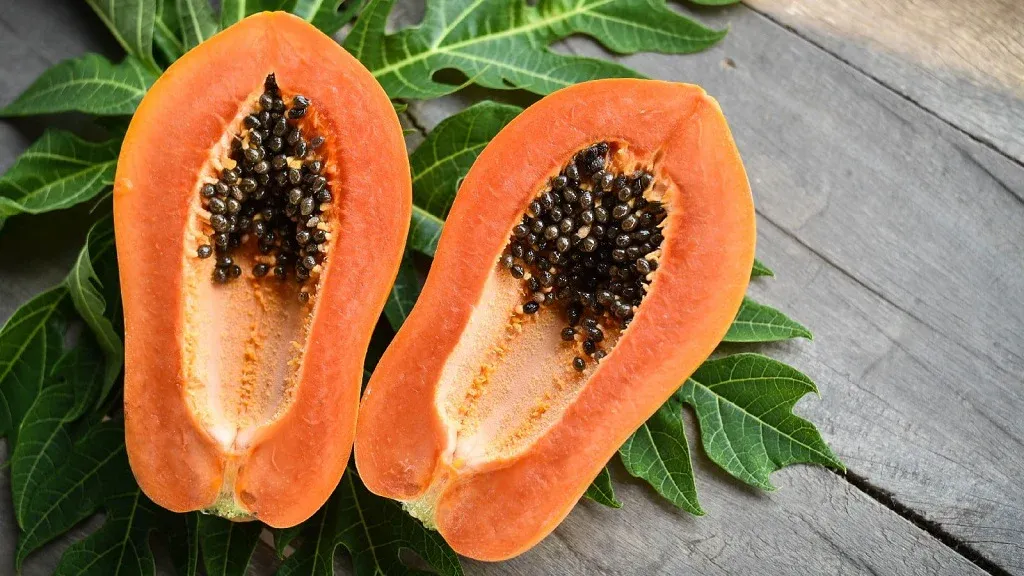
The papaya plant demonstrates how diverse fruit crops can be.
It does not grow slowly like a mango tree or spread widely like a banyan. Instead, it grows quickly, fruits early, and supports both small farms and commercial agriculture.
By producing nutrient-rich fruit within a short growing cycle, papaya helps bridge the gap between agriculture and nutrition in many tropical regions.
Sometimes the most important crops are not the largest trees in the landscape, but the plants that quietly sustain food systems year after year.
FAQs
1. What is the papaya tree?
The papaya tree is a fast-growing tropical plant that produces the papaya fruit. Its scientific name is Carica papaya.
2. Is papaya actually a tree or a plant?
Papaya is technically a large herbaceous plant rather than a woody tree. However, it is commonly referred to as a tree because of its tall trunk-like stem.
3. How fast does a papaya plant grow?
Papaya plants grow rapidly and can begin producing fruit within 6–12 months after planting. This makes them one of the fastest fruit-producing tropical crops.
4. Where do papaya trees grow best?
Papaya grows best in tropical and subtropical climates with warm temperatures, well-drained soil, and plenty of sunlight.
5. How tall does a papaya tree grow?
A mature papaya plant typically grows between 3 and 10 metres tall depending on the variety and growing conditions.
6. Why is papaya fruit considered healthy?
Papaya is rich in vitamin C, vitamin A, antioxidants, and digestive enzymes such as papain, making it a nutrient-dense tropical fruit.
7. Can papaya grow in cold climates?
Papaya plants are sensitive to frost and cold temperatures, so they grow best in warm climates without freezing conditions.
8. What are the uses of papaya besides eating the fruit?
Papaya enzymes are used in food processing, medicine, and digestive supplements. The plant is also used in traditional remedies in many tropical regions.
9. How long does a papaya plant live?
Papaya plants usually live for about 3–5 years, though fruit production is highest during the first few years.
10. Is papaya farming sustainable?
Papaya can be sustainably grown in diversified farming systems that protect soil health and biodiversity.