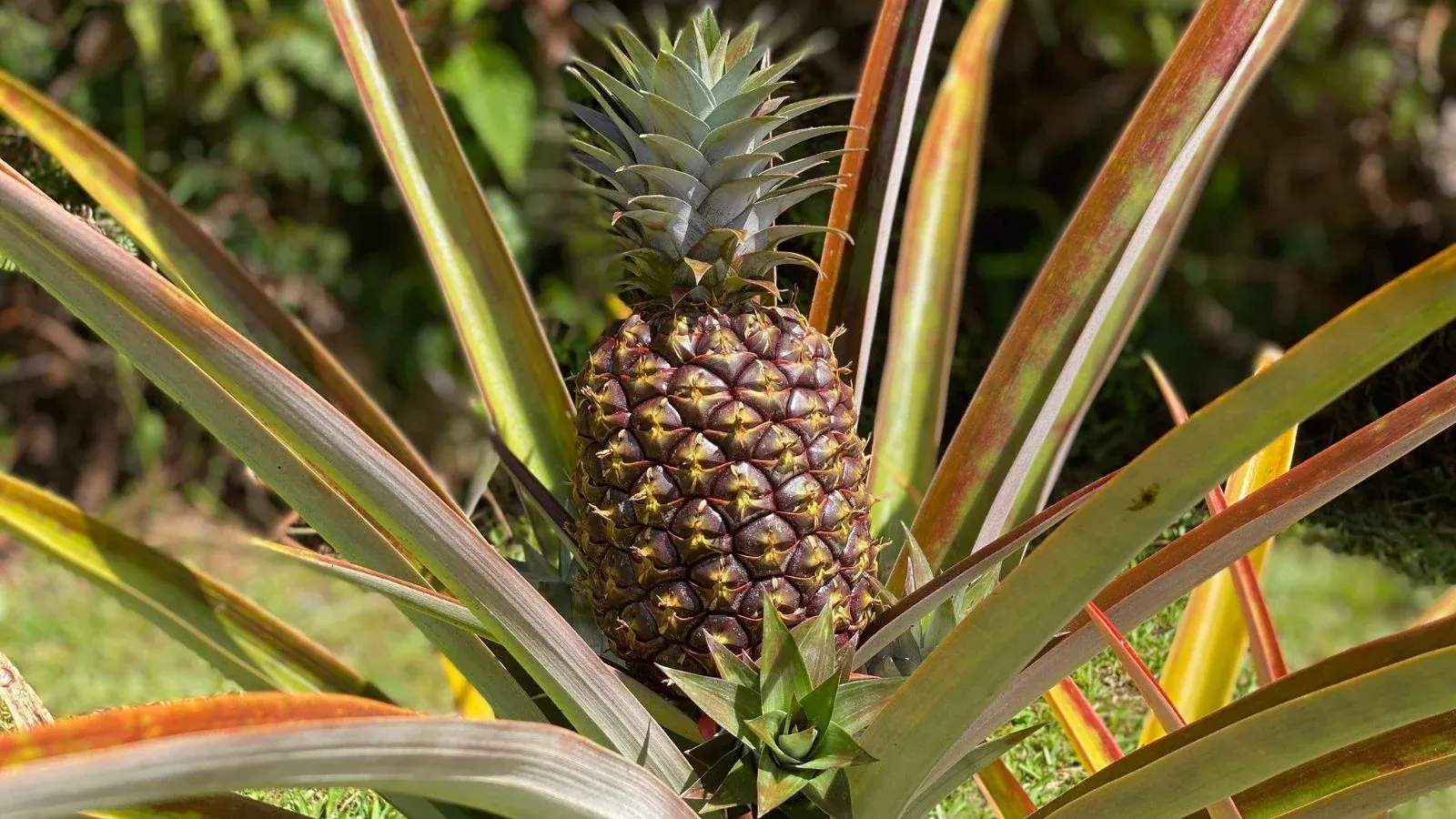
How a Ground-Level Bromeliad Produces One of the World’s Most Recognisable Fruits
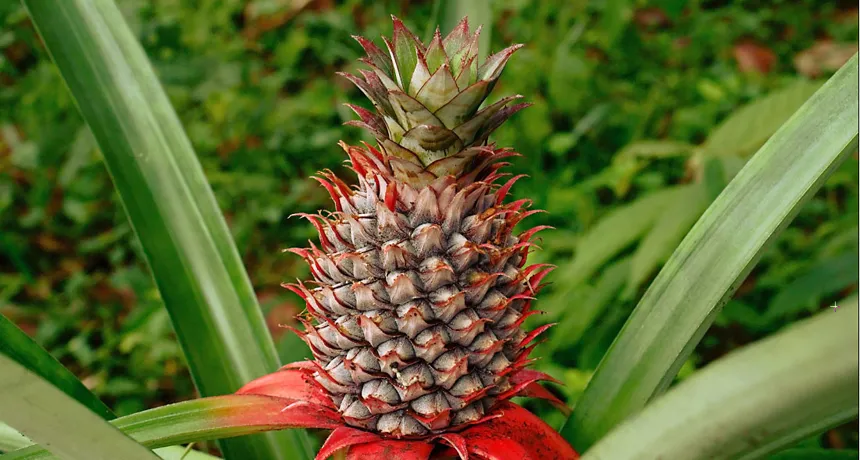
The pineapple plant is one of those crops people feel familiar with—until they actually see it growing.
It doesn’t climb, sprawl, or branch. It doesn’t form a trunk. There is no orchard canopy. The pineapple grows low to the ground on a tough, rosette-shaped plant with spiky leaves, built for sun, heat, and well-drained soil.
Botanically, the pineapple is Ananas comosus, the most economically significant member of the bromeliad family. Unlike many fruit crops that depend on long-lived trees, the pineapple plant follows a compact, single-fruit cycle that shapes everything about how it is farmed, harvested, and managed.
Once you understand how the pineapple plant grows, you start seeing the fruit differently—not as a product, but as the result of a very specific plant design.
Not a tree, not a shrub—built as a rosette
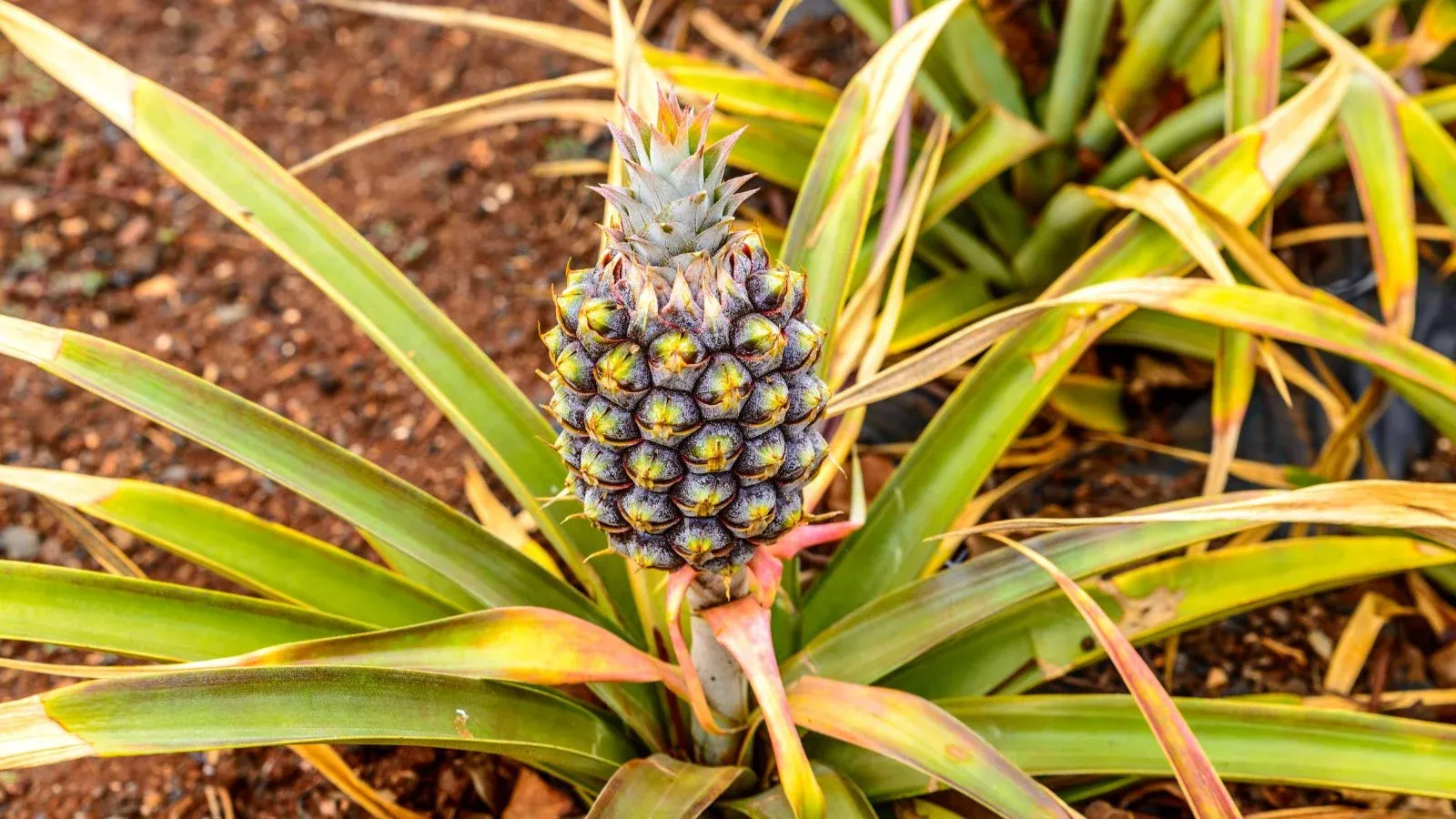
The pineapple plant is structured around a central growing point, surrounded by long, stiff leaves arranged in a spiral. This rosette form is efficient: it captures sunlight well, reduces moisture loss, and channels water toward the base when it rains.
The plant’s leaves are thick and often waxy, an adaptation that helps it tolerate strong tropical sun and intermittent dry periods. This matters because pineapples are typically grown in climates where heat is constant and rainfall can be seasonal.
Even though the pineapple plant looks hardy, it is not a “wildly flexible” species. It prefers well-drained soils and can struggle in waterlogged conditions. Its growth reflects a trade-off: resilience to heat and sun, sensitivity to cold and poor drainage.
Where the pineapple plant comes from
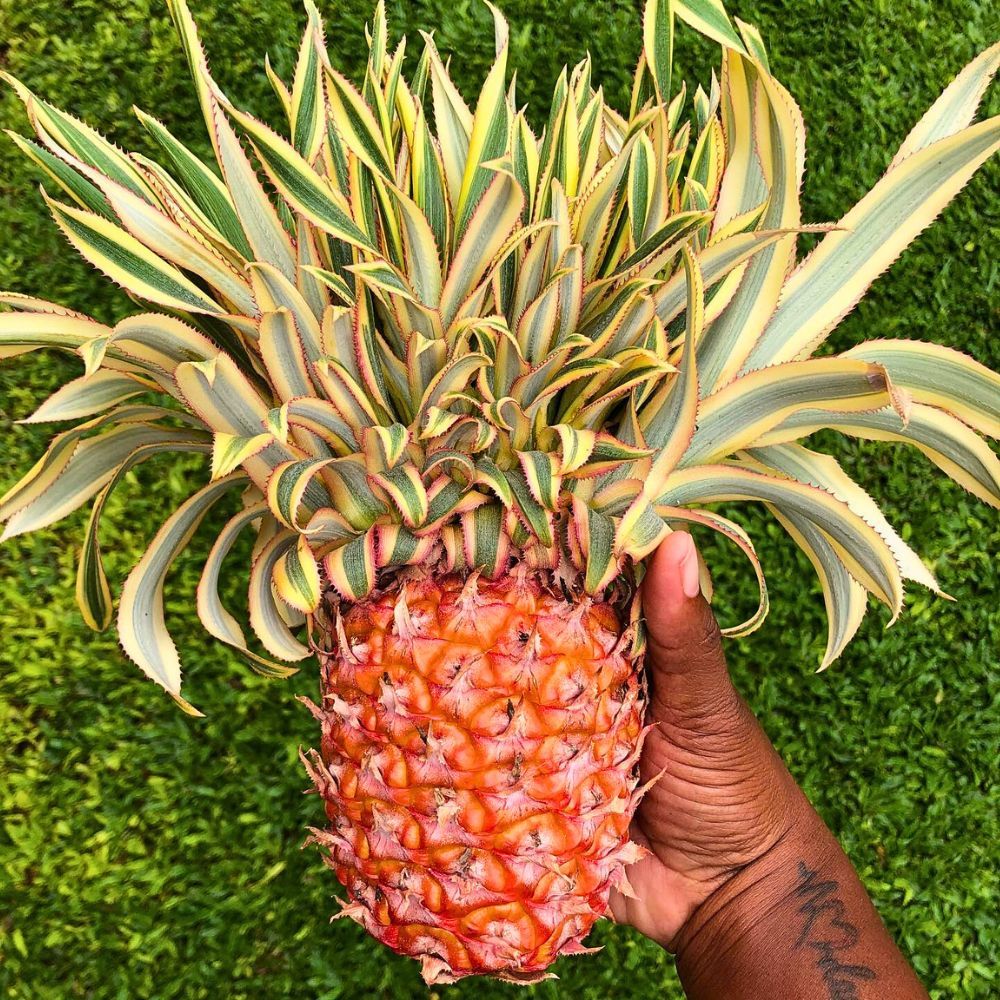
The pineapple plant is native to tropical parts of the Americas. Over centuries, it spread globally through cultivation, trade routes, and colonial agricultural expansion, eventually becoming a major commercial fruit crop across multiple continents.
A reliable starting point for this global context is the general overview of the pineapple’s botany and cultivation history in Encyclopaedia Britannica. The takeaway is simple: the pineapple plant’s biology made it highly portable as a crop—propagated vegetatively, grown in warm climates, harvested at scale.
Today, pineapple production is truly global, but always anchored to a common constraint: the plant needs warmth. Frost is not a minor inconvenience for pineapple; it can be fatal.
How a pineapple fruit is actually formed
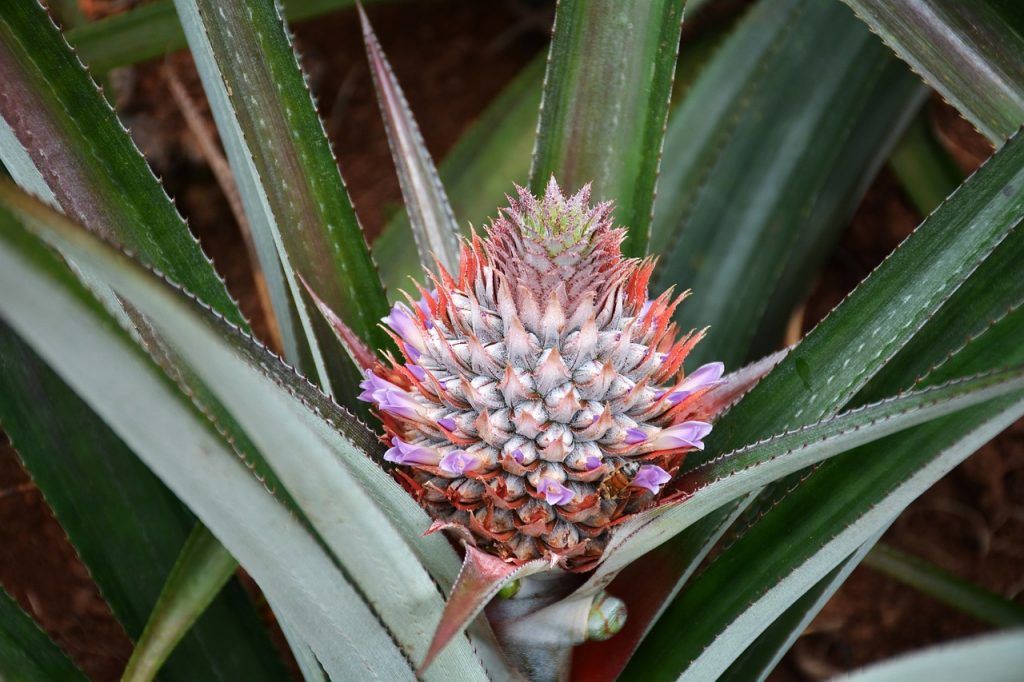
The pineapple fruit is not produced the way most people assume fruit is produced. A pineapple begins with a flowering stalk emerging from the plant’s centre. That stalk carries many small flowers packed closely together. Over time, those individual flower structures fuse into a single composite fruit—what botanists call a multiple fruit. The “eyes” on a pineapple’s surface are the visible trace of those fused components.
This is why the pineapple’s surface looks patterned rather than smooth. It’s not decorative. It’s structural.
If you want a clean, biology-first framing of pineapple structure and classification, the entry in the NCBI taxonomy database is a useful anchor for the plant’s placement and naming conventions.
One fruit per cycle: the pineapple plant’s operating logic
A pineapple plant is not a “set-and-forget” producer like many orchard crops.
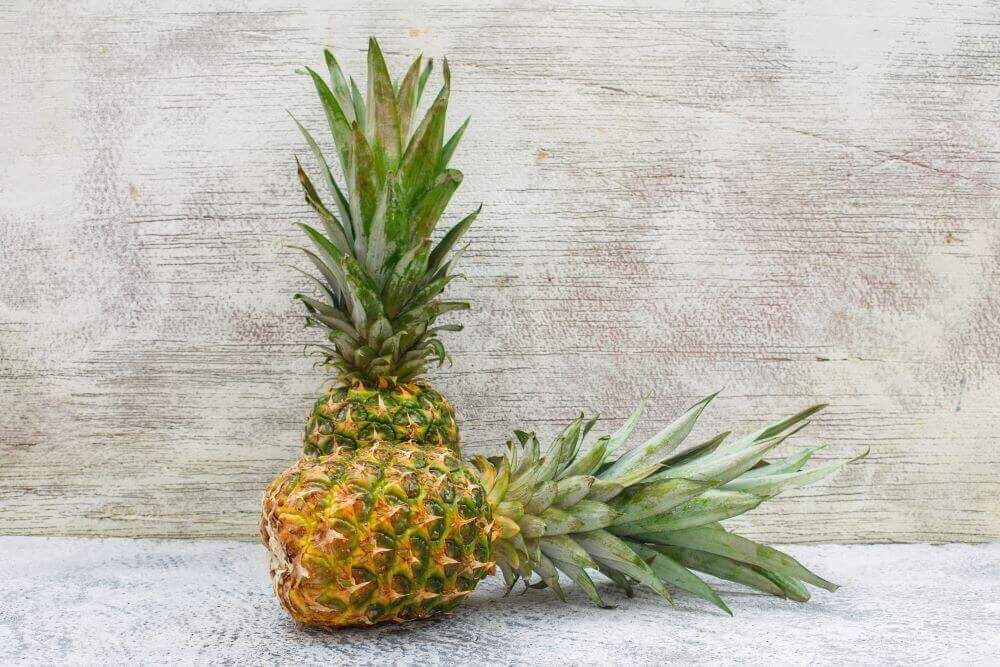
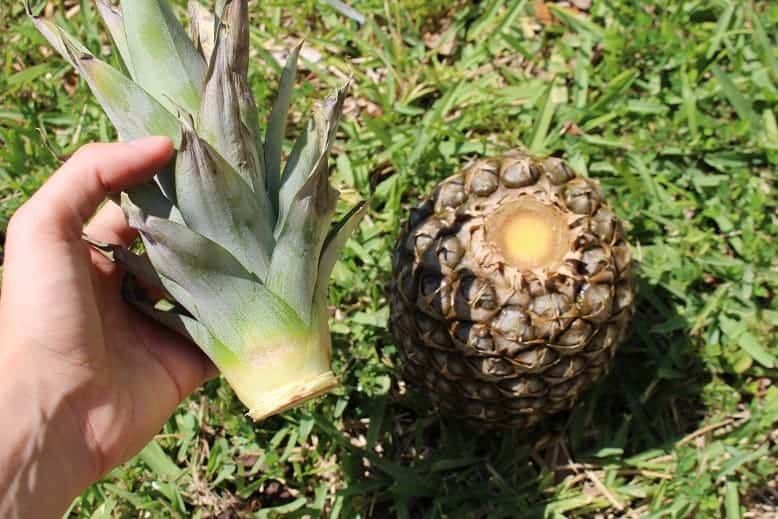
Typically, a single pineapple plant produces one main fruit per cycle. After that, it doesn’t fruit again from the same central stalk. Instead, new shoots (often called suckers, slips, or ratoons) emerge near the base. These can be replanted or managed to produce subsequent fruiting cycles depending on cultivation practices.
This matters because it changes the economics and ecology of cultivation. Orchard trees can remain productive for decades. Pineapple cultivation relies on repeated planting and renewal, which increases soil pressure if the system isn’t managed carefully.
That repeated-cycle reality is one reason pineapple is often discussed in crop management contexts rather than orchard management contexts.
The conditions pineapple plants prefer
- Warm temperatures (consistent tropical or subtropical conditions)
- High sunlight (they are not shade crops)
- Well-drained soil (they dislike standing water)
- Managed moisture (too dry reduces fruit size; too wet increases disease pressure)
A clear, practical reference for cultivation parameters and production conditions is the FAO’s crop information page on pineapple, which covers water sensitivity, yield patterns, and cultivation considerations without drifting into academic jargon.
Pineapple farming: systems matter more than the plant
The pineapple plant itself is not inherently “good” or “bad” for land. It is simply a crop. The impact comes from the system around it.
In mixed or rotation-based systems, pineapple can be integrated with other crops and ground cover, reducing erosion and helping maintain soil function. In large monocultures, pineapple fields can become vulnerable to:
- nutrient depletion
- soil erosion (especially on slopes)
- pest pressure
- chemical dependency if management is poor
This is not unique to pineapple. It is a broader pattern in intensive tropical agriculture. The point is not to moralise pineapple cultivation, but to recognise that the same plant can sit inside very different outcomes.
If you want a stable, non-preachy anchor for the broader idea of sustainable agriculture and land management contexts, the FAO’s main agriculture and food systems work is a reliable umbrella reference to embed where you discuss system-level trade-offs.
Why the pineapple plant is often misunderstood
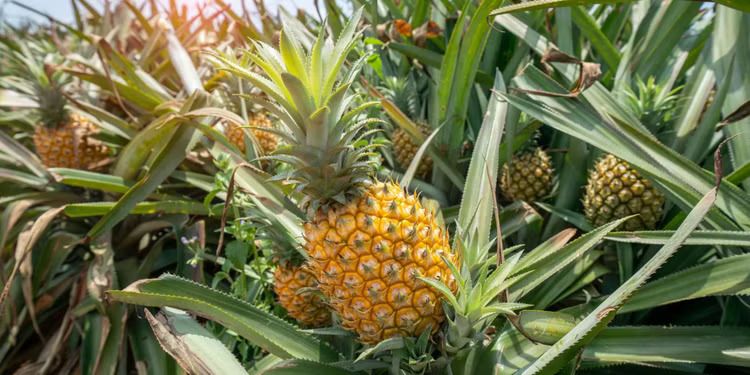
People imagine pineapples growing on trees for simple reasons:
- the fruit has a crown
- the plant looks “tough” and upright
- plantation rows resemble orchards in photographs
But once you’ve seen a pineapple field up close, the misconception disappears. The fruit sits just above the leaf rosette, supported by a short stalk. The entire plant is waist-high at most. It feels more like a crop vegetable structure than a fruit-tree structure.
This misunderstanding is a small example of something larger: modern food systems create distance between people and cultivation. When food shows up as a finished object, the plant behind it becomes invisible.
The pineapple plant is a good reminder that fruit does not always come from trees. Some of the world’s most iconic fruits come from ground-level plants with totally different lifecycles.
Climate sensitivity: tough in heat, fragile in cold
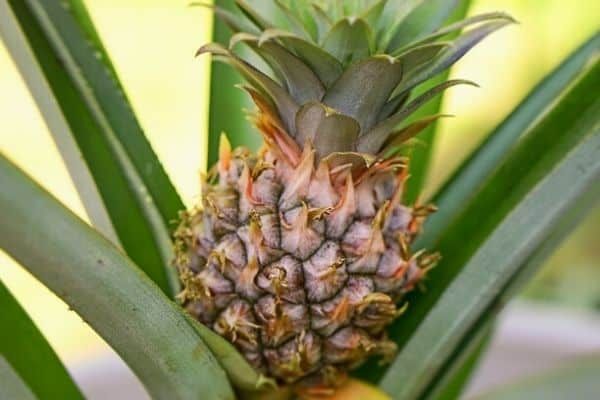
Pineapple plants handle heat well—within limits. What they do not handle well is the cold.
They are highly sensitive to frost and prolonged low temperatures. This is why pineapple cultivation clusters in tropical belts and warm coastal regions. As weather variability increases, pineapple production can face new pressures: unexpected cold snaps, irregular rainfall, waterlogging events, and heat extremes that push stress beyond tolerance.
This is where crop resilience becomes a practical question—not a theoretical one. The wider framing for how climate variability affects crops, land, and risk is captured in global assessments of impacts and adaptation such as the IPCC Working Group II report, which is a useful link to embed when discussing sensitivity to climate stress without turning your blog into a climate paper.
What the pineapple plant teaches you about food
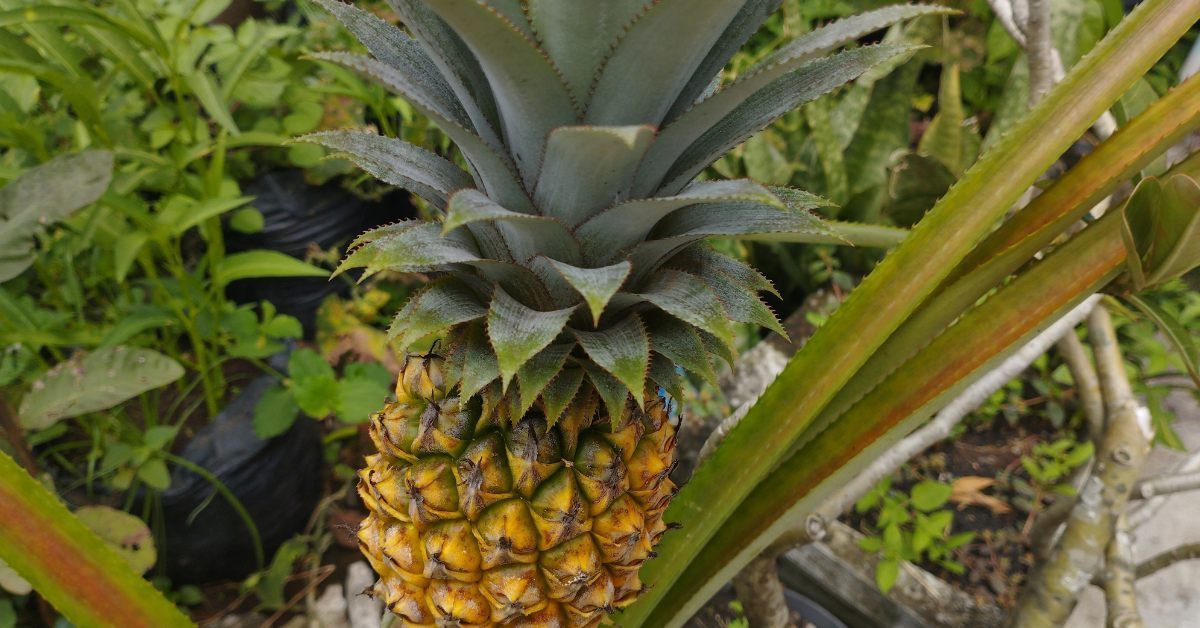
The pineapple plant is remarkable not because it is rare, but because it is precise. It grows low, channels energy into a single fruiting event, and depends on conditions it cannot fake—sun, warmth, drainage, and time. It cannot be rushed in the way some crops can. It cannot be grown just anywhere. And it doesn’t fit orchard logic.
When you understand the pineapple plant, you also understand something deeper: food is biology before it is a product. The shape of a supply chain is determined by the shape of a plant.
Seeing the plant clearly makes the fruit feel less like a commodity and more like an outcome.
FAQs about the Pineapple Plant
1. What is the pineapple plant’s scientific name?
The pineapple plant is scientifically known as Ananas comosus. It belongs to the bromeliad family and grows as a rosette plant close to the ground.
2. Is pineapple a tree crop?
No. Pineapple is not grown on trees. It grows on a ground-level plant that produces fruit from the centre of the plant.
3. How many pineapples does one plant produce?
Most pineapple plants produce one main fruit per cycle. After harvesting, the plant can produce new shoots that may be replanted or managed for subsequent fruiting.
4. How long does it take for a pineapple plant to bear fruit?
Typically, it takes around 18–24 months for a pineapple plant to produce its first fruit, depending on variety and growing conditions.
5. Where do pineapple plants grow best?
Pineapple plants grow best in warm tropical climates with high sunlight and well-drained soil. They do not tolerate frost.
6. How is a pineapple fruit formed?
A pineapple forms from many small flowers that fuse into a single composite fruit. The “eyes” on the fruit reflect that fused structure.
7. Do pineapple plants need a lot of water?
They need consistent moisture, but they do not tolerate waterlogging. Drainage matters as much as rainfall.
8. Is pineapple farming sustainable?
It can be, depending on soil protection, crop rotation, and responsible land management. Impacts are driven more by the farming system than the plant itself.