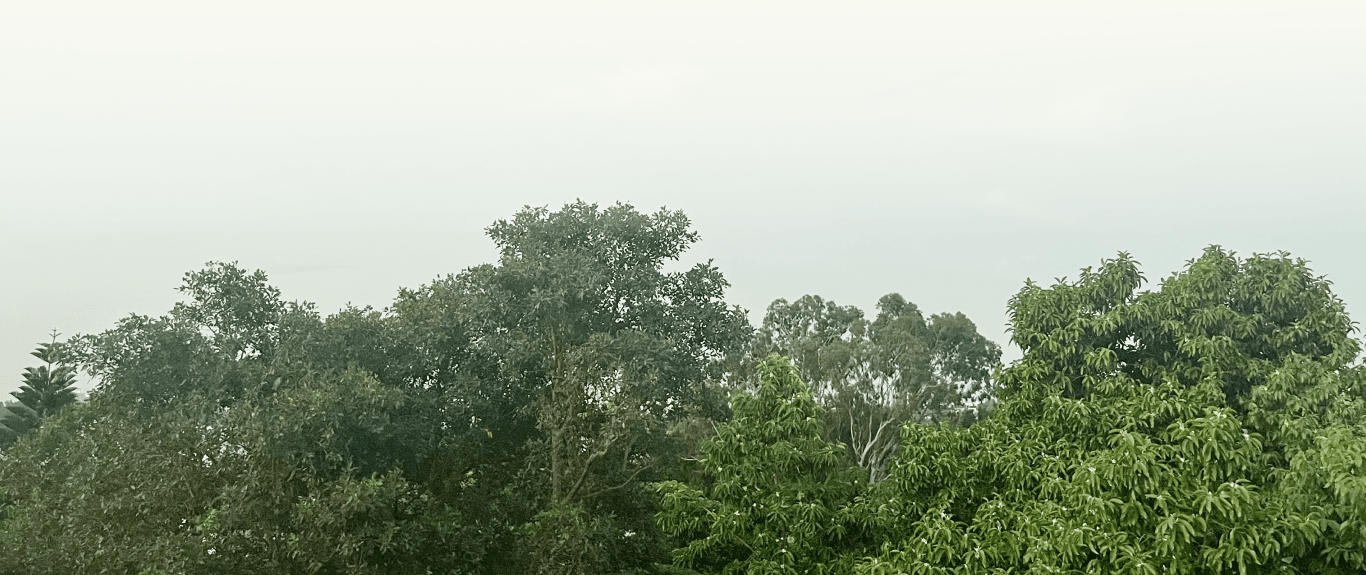
Backbone of India’s Forest Landscapes
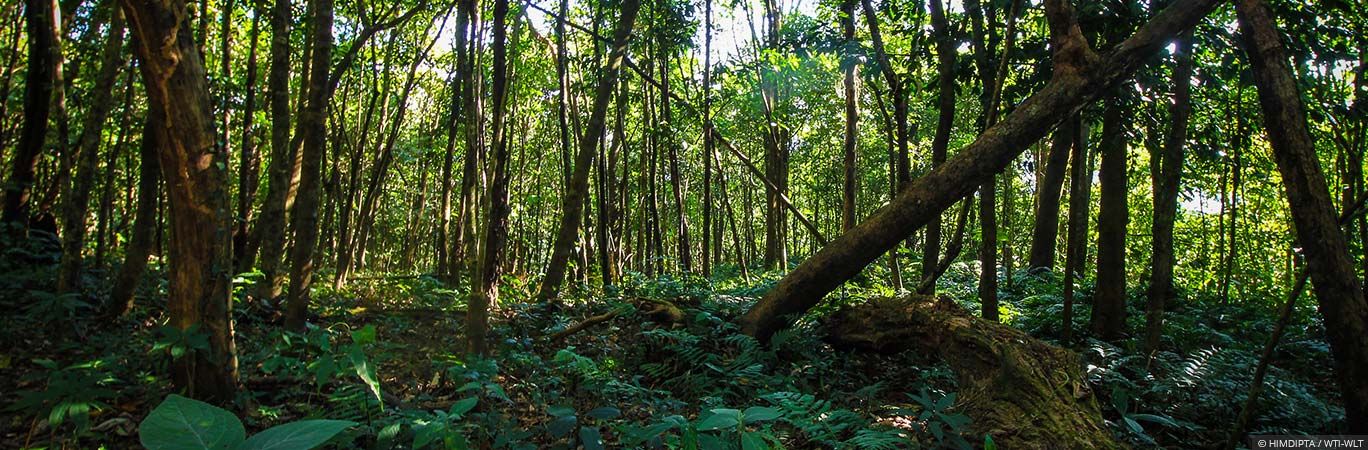
The Sal tree does not draw attention through colour or ornament. It earns it through presence.
Found across large parts of central and eastern India, the Sal tree forms forests that feel dense, grounded, and enduring. These are not transitional landscapes. They are systems built to last. When people speak of “Indian forests” in practical terms, they are often speaking about Sal.
Botanically known as Shorea robusta, the Sal tree is one of the most ecologically and economically important native trees of the Indian subcontinent. Its value lies not in a single trait, but in how consistently it supports forest structure, biodiversity, and human livelihoods.
A tree built for dominance through stability
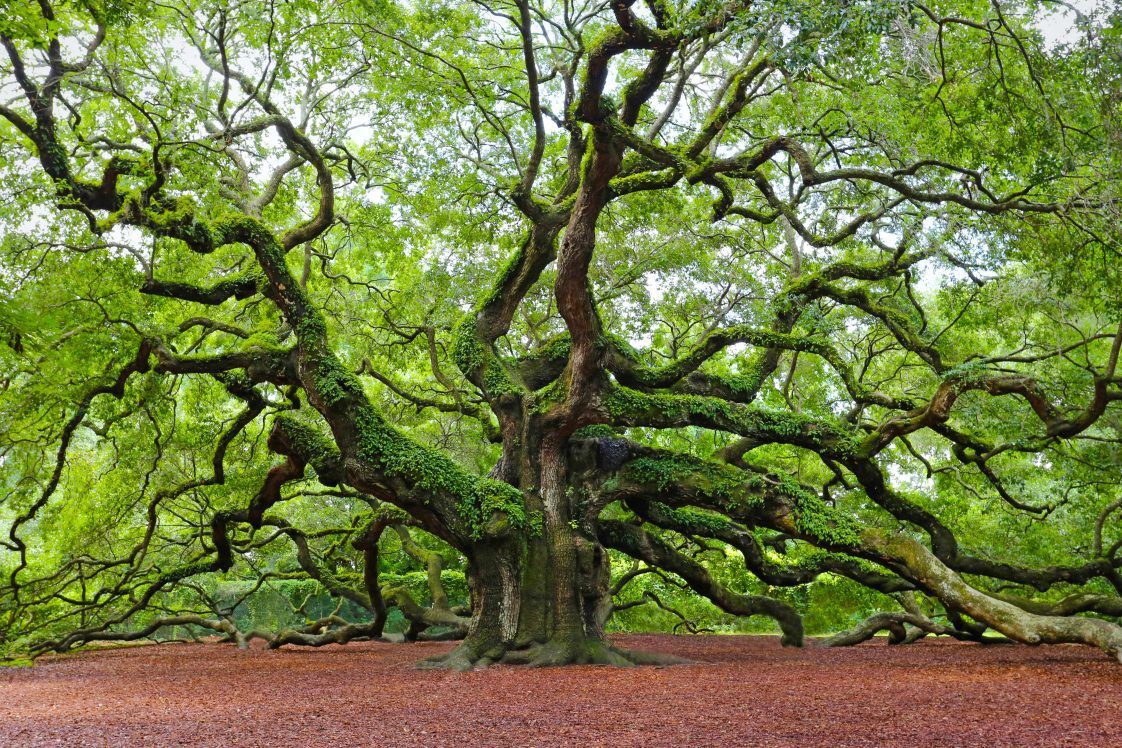
Sal trees are slow to establish, but once mature, they are remarkably resilient.
They grow tall and straight, forming closed-canopy forests that regulate light, temperature, and moisture at the forest floor. Their leaves are thick and leathery, designed to reduce water loss during dry seasons while remaining efficient during monsoon growth periods.
Unlike fast-growing pioneer species, Sal does not rush. It invests in structure. This is why Sal forests often persist for centuries when left undisturbed, forming some of the most stable forest ecosystems in India.
The species’ growth behaviour places it firmly within discussions of tropical dry and moist deciduous forests, where endurance matters more than speed.
The ecology of Sal forests
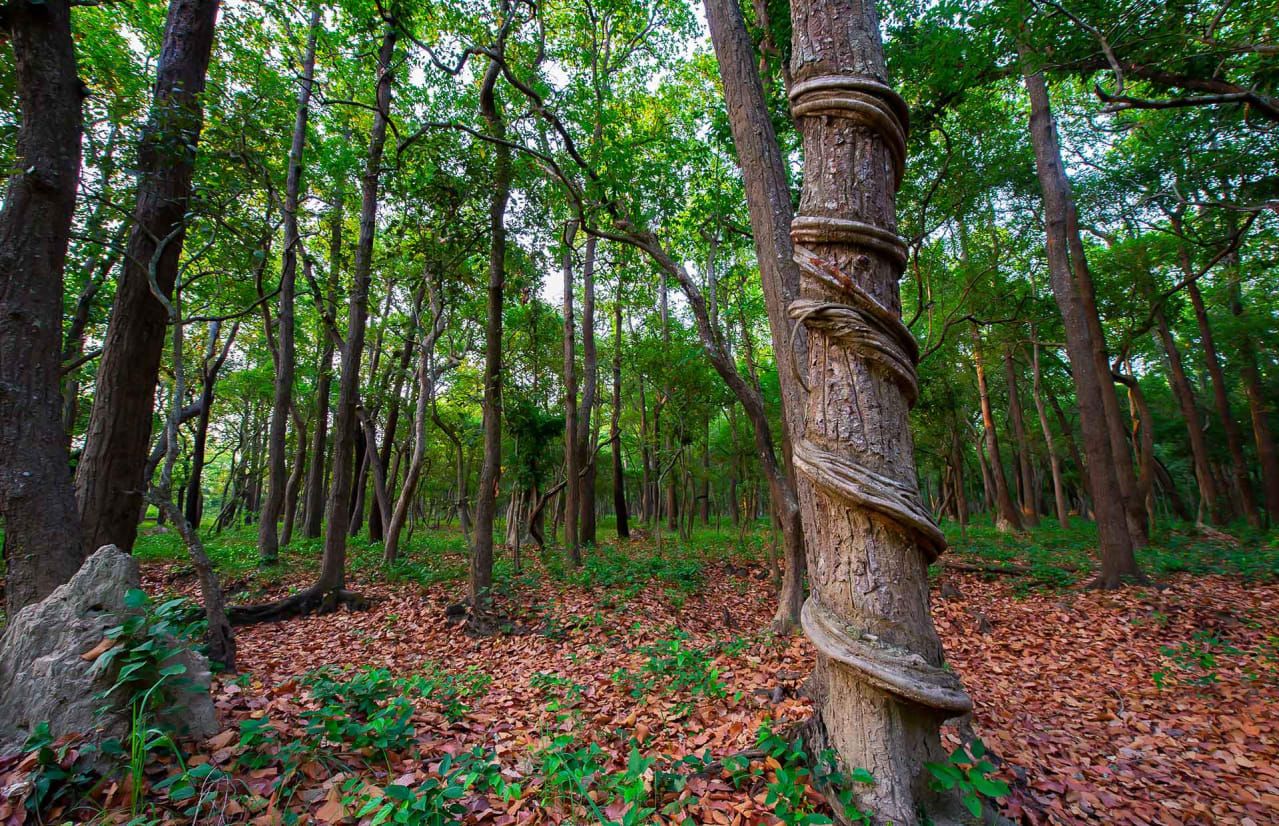
A Sal forest is more than a collection of trees.
The dense canopy moderates temperature and reduces evaporation, creating cooler and more humid conditions beneath. Leaf litter from Sal trees decomposes slowly, enriching soil while protecting it from erosion. This gradual nutrient cycling supports a wide range of understory plants adapted to shaded conditions.
Sal forests also shape wildlife movement. Many mammals, birds, and insects rely on these forests for shelter, breeding, and foraging. Because Sal forests often occur in large contiguous patches, they act as ecological corridors rather than isolated habitats.
This structural role is one reason Sal forests feature prominently in discussions around forest-dependent biodiversity.
A cornerstone species for wildlife
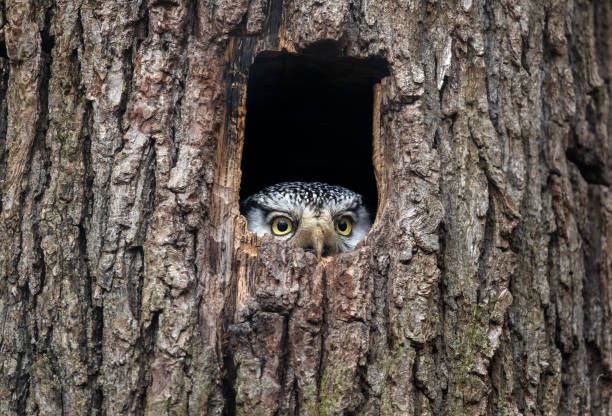
Some of India’s most iconic wildlife species are closely tied to Sal-dominated landscapes.
Large mammals such as deer, elephants, and predators like tigers frequently inhabit Sal forests, which provide both cover and prey availability. Smaller mammals, birds, and insects depend on Sal trees for nesting sites, food sources, and seasonal shelter.
The Sal tree’s seeds are consumed by various animals, while its leaves support insect life that feeds higher trophic levels. This layered support makes Sal a foundational species in many forest food webs.
Rather than functioning as a keystone in isolation, Sal operates as a framework species—one that defines the conditions under which entire ecosystems function.
Human relationships with the Sal tree
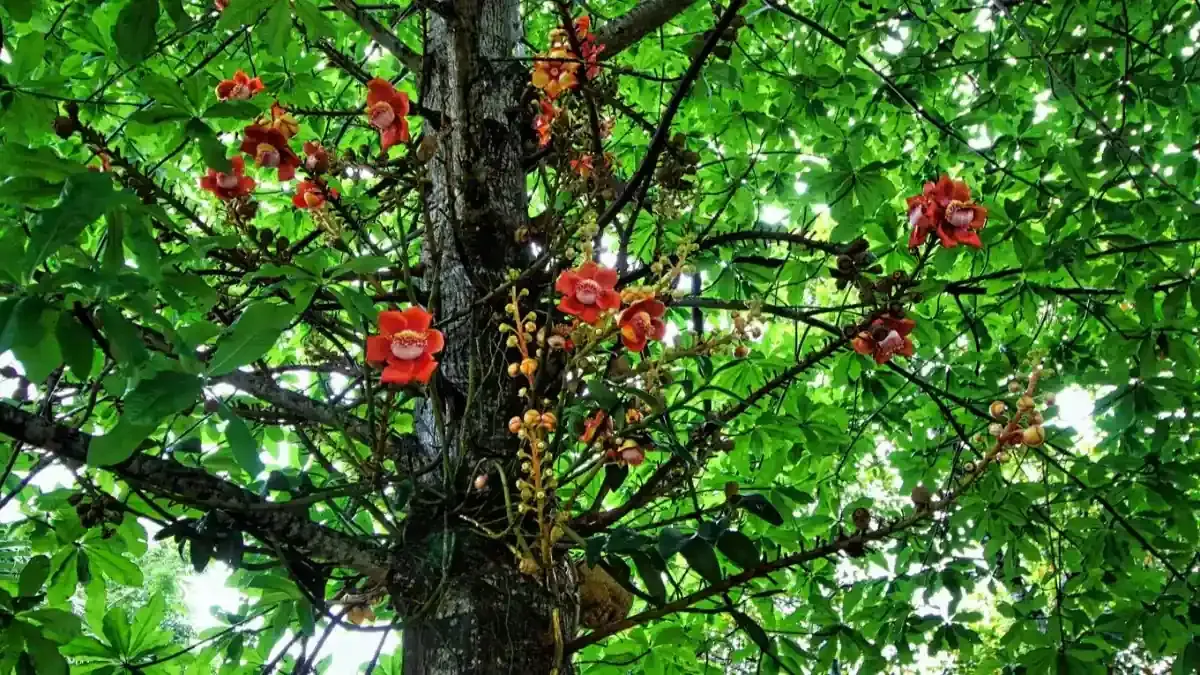
For forest-dwelling and forest-adjacent communities, the Sal tree has long been a source of material, food, and cultural continuity.
Sal leaves are traditionally used to make disposable leaf plates and bowls, a practice that continues today as a low-impact alternative to plastic. The tree’s resin has been used historically in waterproofing and as a binding material. Its wood, known for strength and durability, has been widely used in construction where regulated harvesting is permitted.
These uses developed not from abundance alone, but from reliability. Sal wood resists decay. Sal leaves are large and sturdy. The tree gives consistently without collapsing the system when managed carefully.
This long-standing relationship is reflected in ethnobotanical records across India and South Asia, where Shorea robusta appears repeatedly as a species of everyday importance.
Carbon, climate, and forest resilience
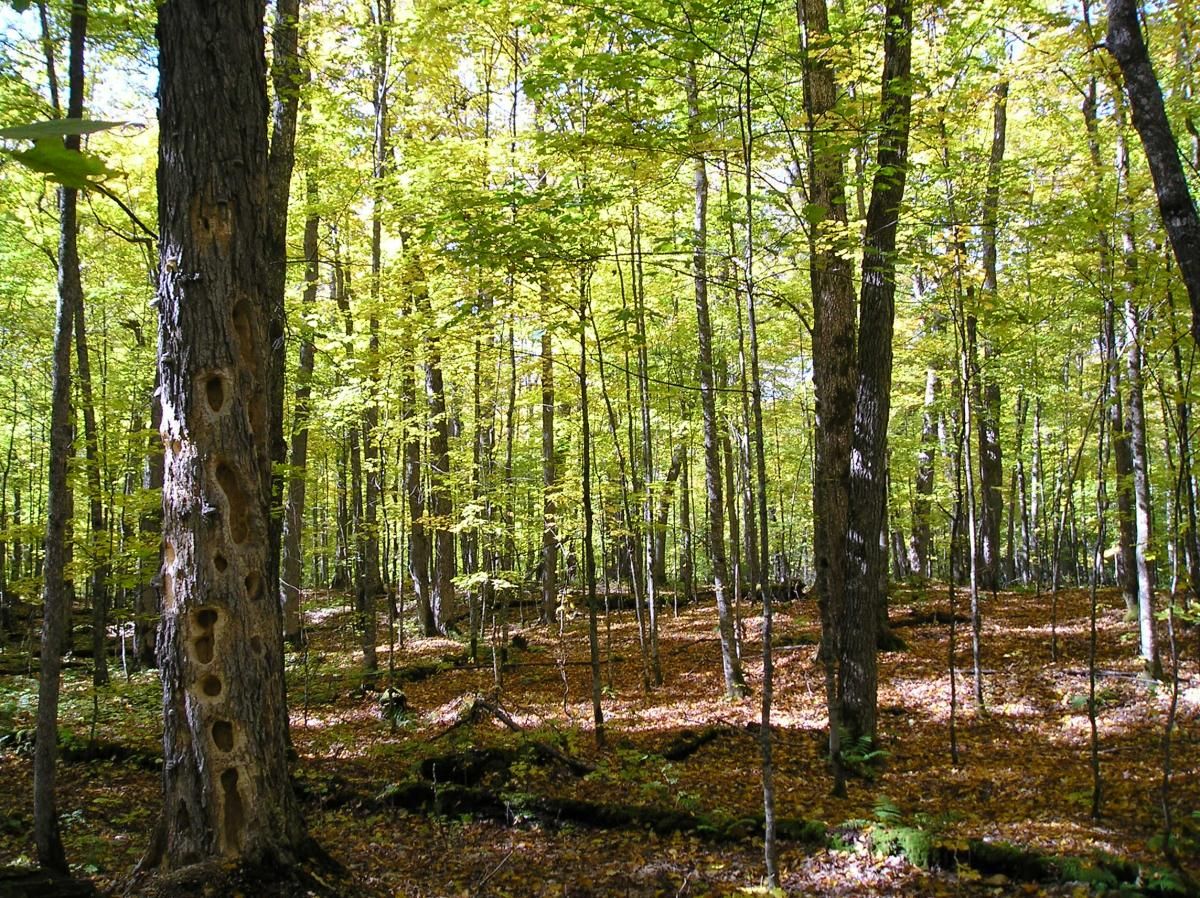
As a large, long-lived tree, the Sal stores significant amounts of carbon in its trunk and roots. More importantly, Sal forests store carbon at scale, both above and below ground, through biomass and soil organic matter.
But the climate value of Sal forests goes beyond carbon storage.
By regulating microclimates, stabilising soil, and maintaining hydrological balance, Sal forests contribute to climate adaptation across landscapes. They reduce surface temperatures, slow water runoff during heavy rainfall, and maintain forest moisture during dry periods.
This combination of mitigation and adaptation aligns with broader thinking on forest-based climate resilience, where intact ecosystems are seen as critical buffers against climate extremes.
Sal forests and modern pressure
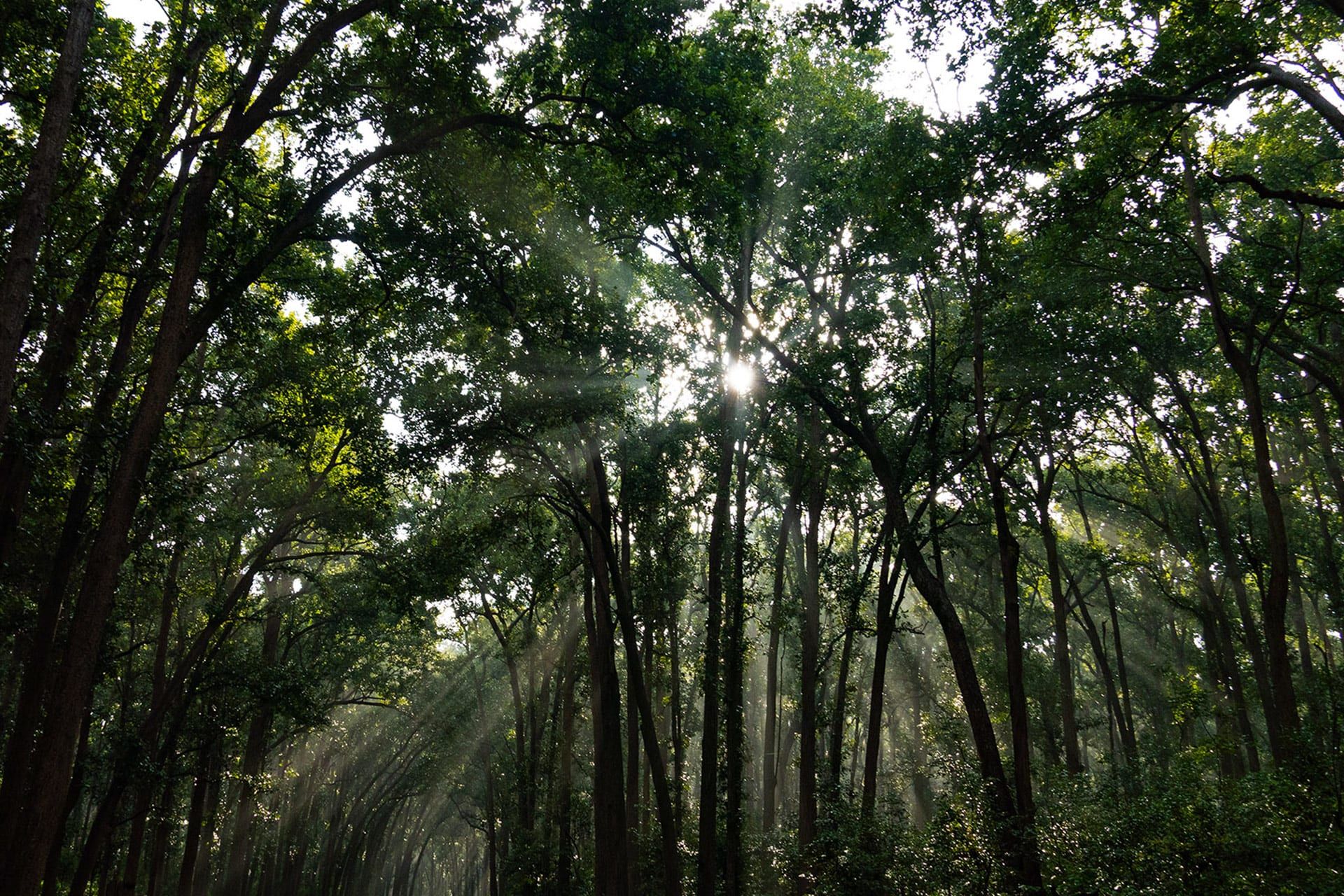
Despite their resilience, Sal forests are under significant pressure.
Fragmentation due to mining, infrastructure, and agricultural expansion has reduced the continuity of many Sal-dominated regions. Because Sal regenerates slowly, disturbed forests often struggle to recover their original structure without long-term protection.
Plantation-style interventions rarely replicate the complexity of natural Sal forests. When canopy continuity is broken, soil dries, invasive species enter, and biodiversity declines.
This makes conservation of existing Sal forests far more valuable than attempts at rapid replacement.
Where Sal trees belong today
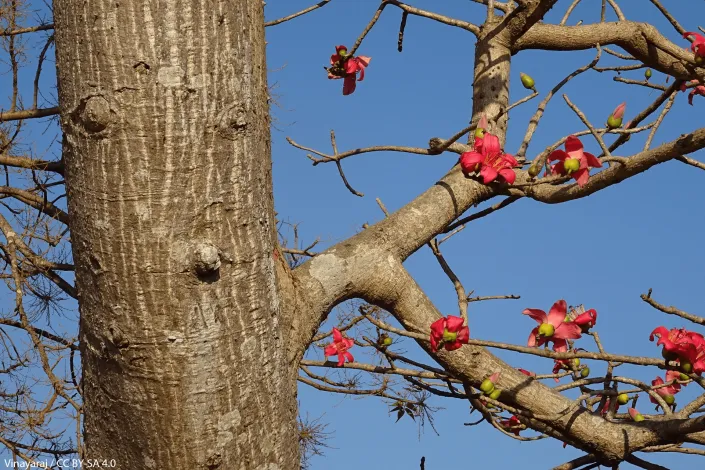
Sal trees are not urban trees in the conventional sense.
They require space, continuity, and ecological context to thrive. Their true value emerges in protected forests, buffer zones, wildlife corridors, and large landscape-scale restoration efforts where long-term timelines are possible.
In these settings, Sal acts as an anchor—holding soil, moderating climate, and allowing other species to establish around it.
Planting Sal is not about quick greening. It is about rebuilding forest systems that can endure.
Why the Sal tree still matters
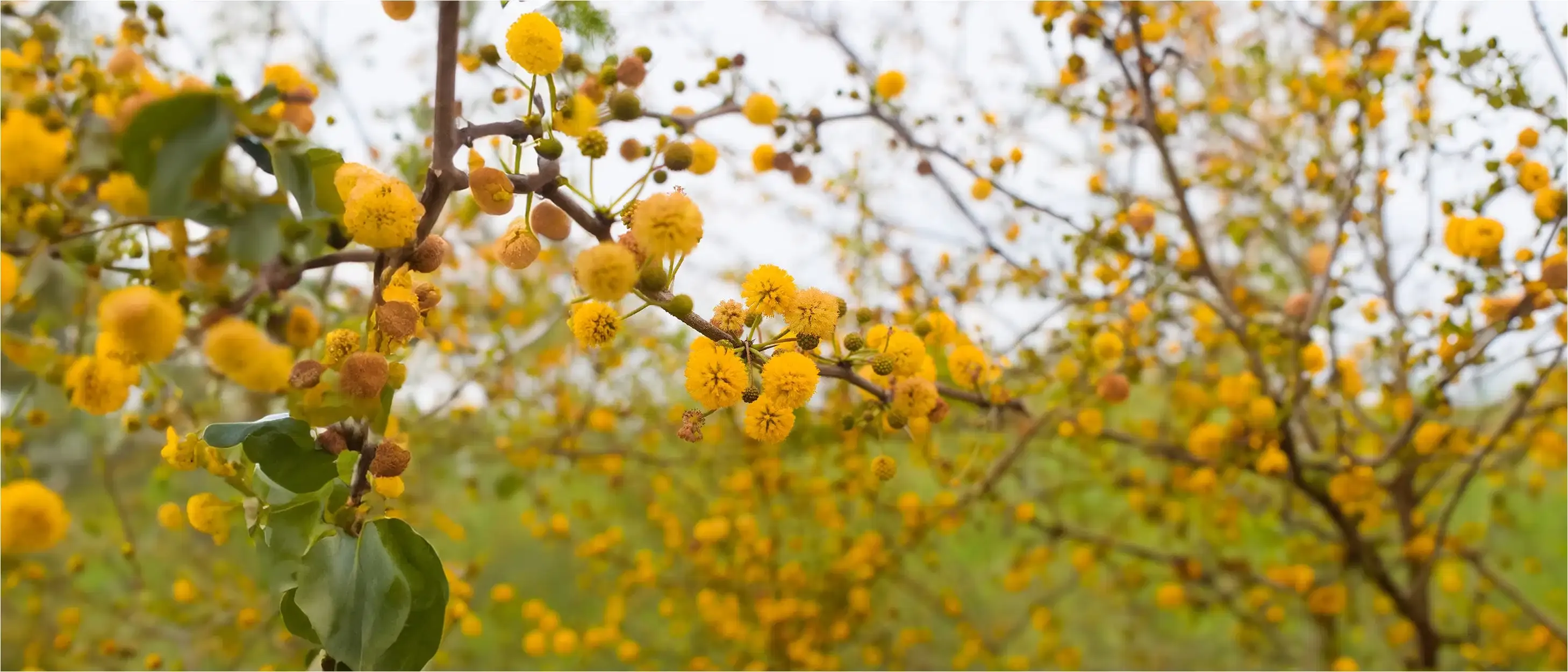
The Sal tree represents a model of ecological strength that is increasingly rare.
It grows slowly. It dominates quietly. It supports life by shaping conditions rather than drawing attention. In a world that often prioritises speed and visibility, Sal forests remind us that resilience is built through patience.
As pressures on land and climate increase, the Sal tree remains essential—not as a symbol, but as a structural foundation of India’s forested landscapes.
FAQs
1. What is the Sal tree?
The Sal tree is a native Indian forest tree scientifically known as Shorea robusta, commonly found in deciduous forests.
2. Where are Sal forests found in India?
Sal forests are widespread across central, eastern, and northern India, including states like Madhya Pradesh, Chhattisgarh, Odisha, Jharkhand, and West Bengal.
3. Why are Sal forests ecologically important?
They provide stable habitat, regulate microclimates, support biodiversity, and maintain soil and water balance.
4. Is Sal wood valuable?
Yes. Sal wood is strong and durable, making it useful for construction where harvesting is regulated.
5. Do Sal trees help with climate change?
Sal forests store large amounts of carbon and contribute to climate adaptation through landscape stability.
6. Are Sal trees fast growing?
No. Sal trees grow slowly, which is why mature Sal forests are difficult to replace once lost.
7. Can Sal trees be planted in cities?
Sal trees are generally unsuitable for urban planting due to space and ecological requirements.
8. Why are Sal forests hard to restore?
Because Sal regenerates slowly and depends on intact forest conditions to re-establish successfully.