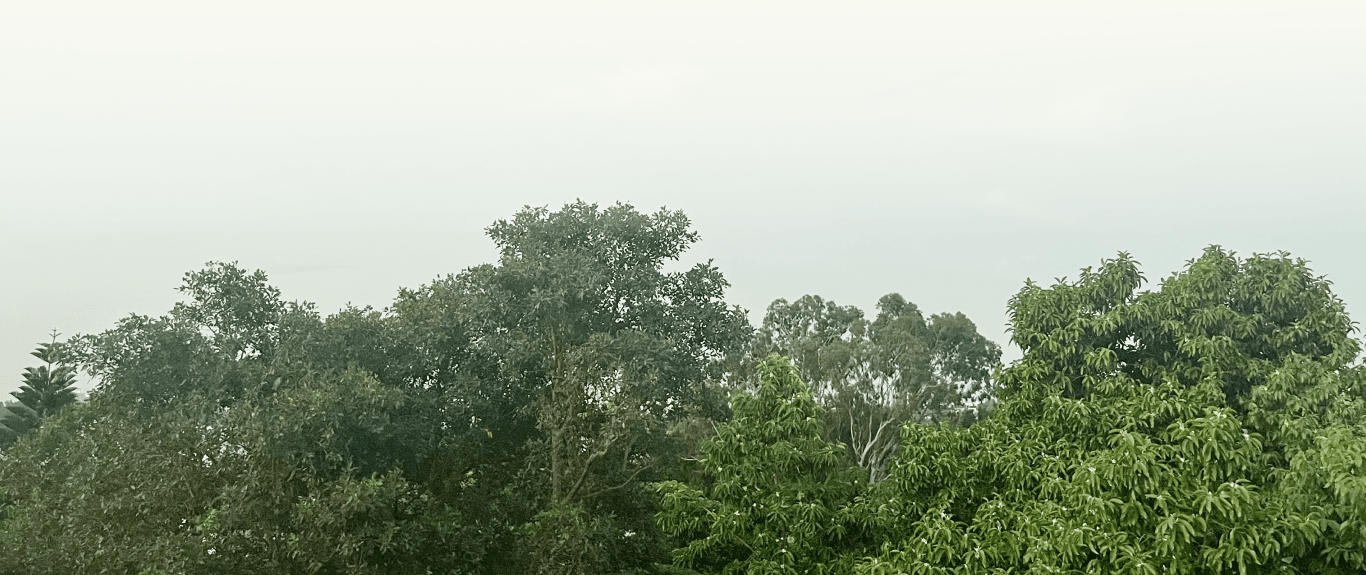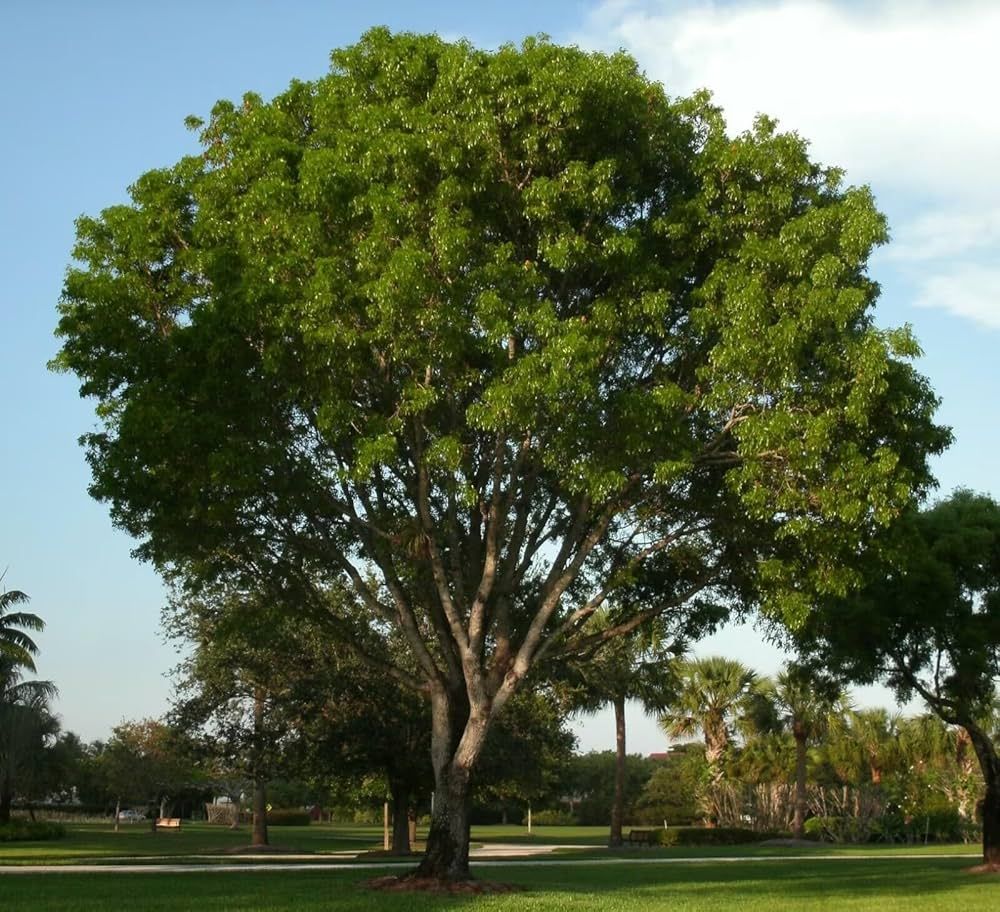
In the riverine forests of northern India, where the Himalayas descend into fertile plains, grows a tree that has shaped the region's culture, economy, and craftsmanship for centuries. The Sheesham tree (Dalbergia sissoo), also known as North Indian Rosewood, stands as a testament to nature's ability to provide both practical utility and aesthetic magnificence. From the ornate furniture gracing homes worldwide to the resonant dhols echoing at Punjabi celebrations, this remarkable tree has woven itself into the fabric of South Asian life.
A Tree of Many Names, One Legacy
The Sheesham tree goes by many names across its native range—sisu in Bengali, tahli in Urdu, shisham in Hindi, and jag in Persian. This linguistic diversity reflects the tree's widespread cultural significance across the Indian subcontinent and beyond. In Pakistan, it's revered as the provincial tree of Punjab province, while in India, it holds the honor of being the state tree of Punjab, symbolizing the agricultural heritage and resilience of the region.
The tree's botanical name honors the Swedish botanist brothers Nils and Carl Dalberg, who contributed significantly to 18th-century botany. Yet its local names carry deeper meanings rooted in centuries of human interaction with this species. In many communities, Sheesham isn't merely a tree—it's a source of livelihood, a symbol of prosperity, and a connection to ancestral traditions.
The Craftsman's Dream Wood

What makes Sheesham wood truly exceptional is its unique combination of strength, beauty, and workability. The heartwood ranges from golden yellow to deep chocolate brown, often displaying interlocking grain patterns that create mesmerizing figures when polished. With a specific gravity of 0.7 to 0.8, Sheesham ranks among the finest cabinet and veneer timbers, prized by woodworkers for its durability and resistance to decay.
After teak, Sheesham is the most important timber tree cultivated in Bihar, which remains India's largest producer. The wood undergoes a crucial seasoning process before use—traditionally left to dry in open areas for about six months, or commercially dried in controlled chambers for 7 to 15 days. This careful drying brings the moisture content to an ideal 5-6% for thin pieces and up to 11% for thicker ones, preventing the sudden cracking that can ruin finished products.
The versatility of Sheesham wood is remarkable. It's used to craft everything from elegant furniture and marine plywood to traditional musical instruments including the mridanga (Rajasthani percussion instrument), sitars, tablas, and the iconic Punjabi dhol. The wood's acoustic properties make it ideal for instruments, producing rich, resonant tones that have echoed through Indian classical music for generations. Its applications extend to flooring, boat building, agricultural tools, carved decorative items, and even luxury car finishing.
Botanical Character and Natural Habitat
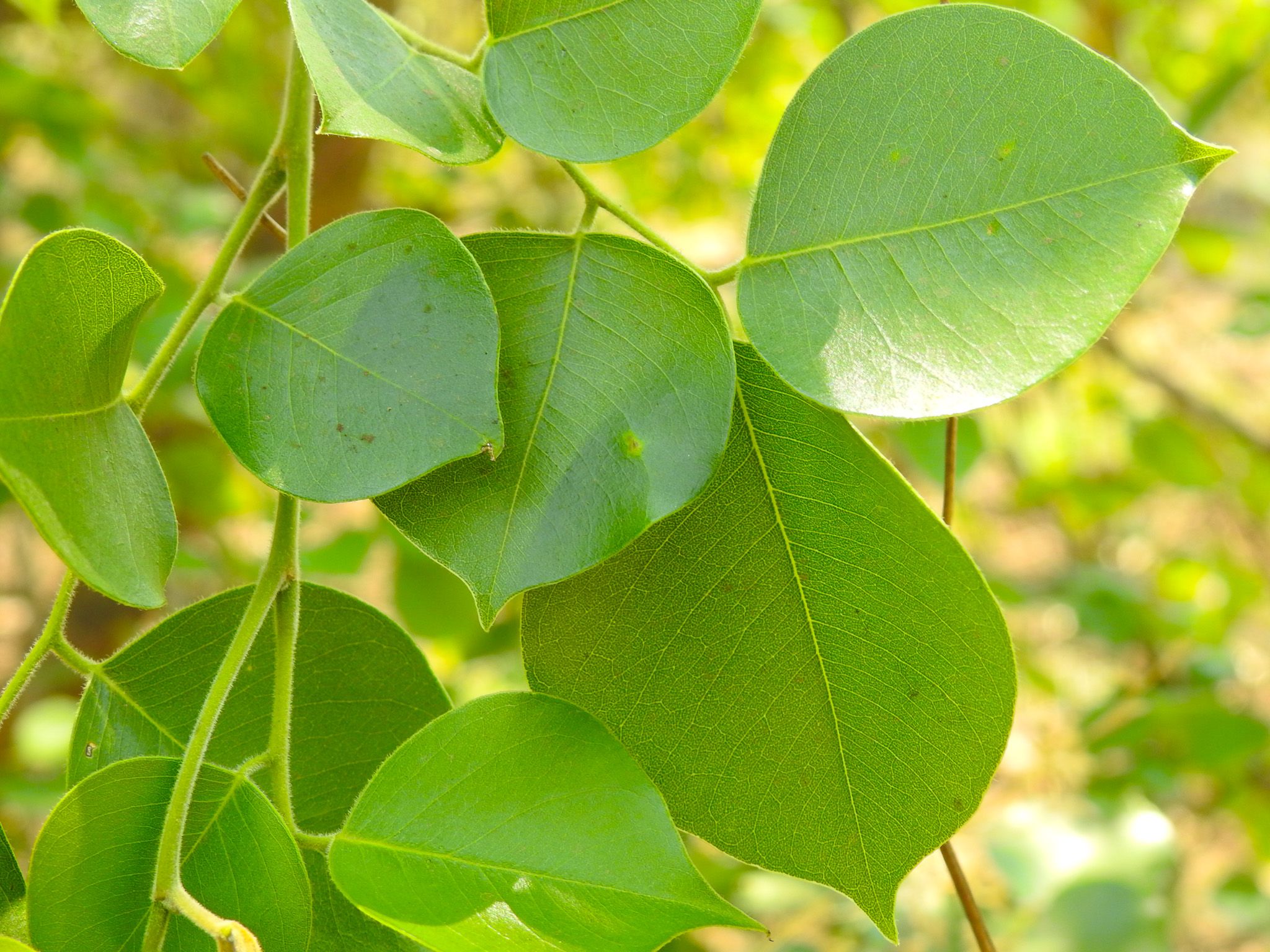
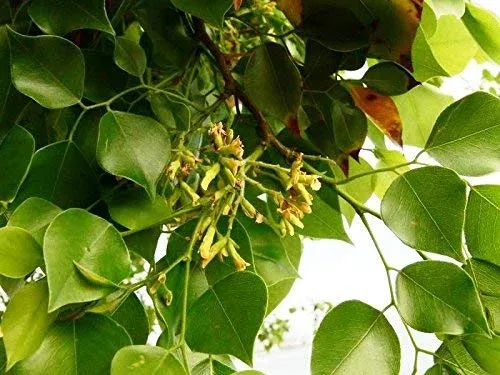
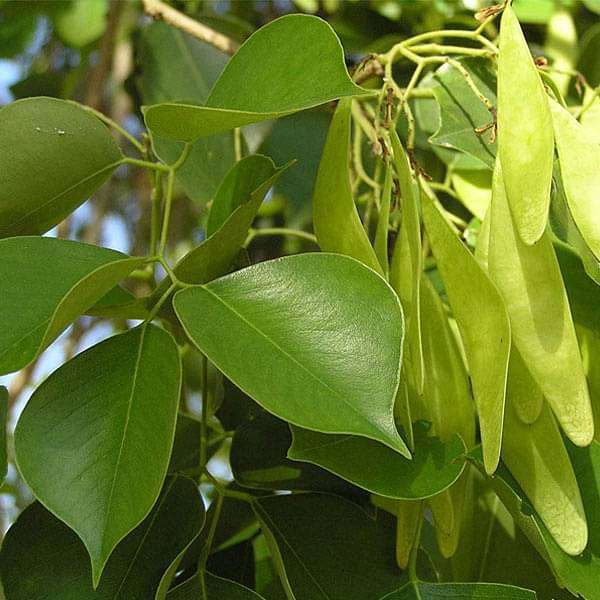
Sheesham is a medium to large deciduous tree that typically grows 15-25 meters tall, though specimens can reach up to 30 meters in favorable conditions. The trunk, often crooked when grown in the open, can achieve diameters of 2-3 meters. The tree's bark is thick, dark brown, and deeply fissured, while its compound pinnate leaves consist of 3-5 alternating leaflets that are broadly ovate with distinctive heart-shaped bases.
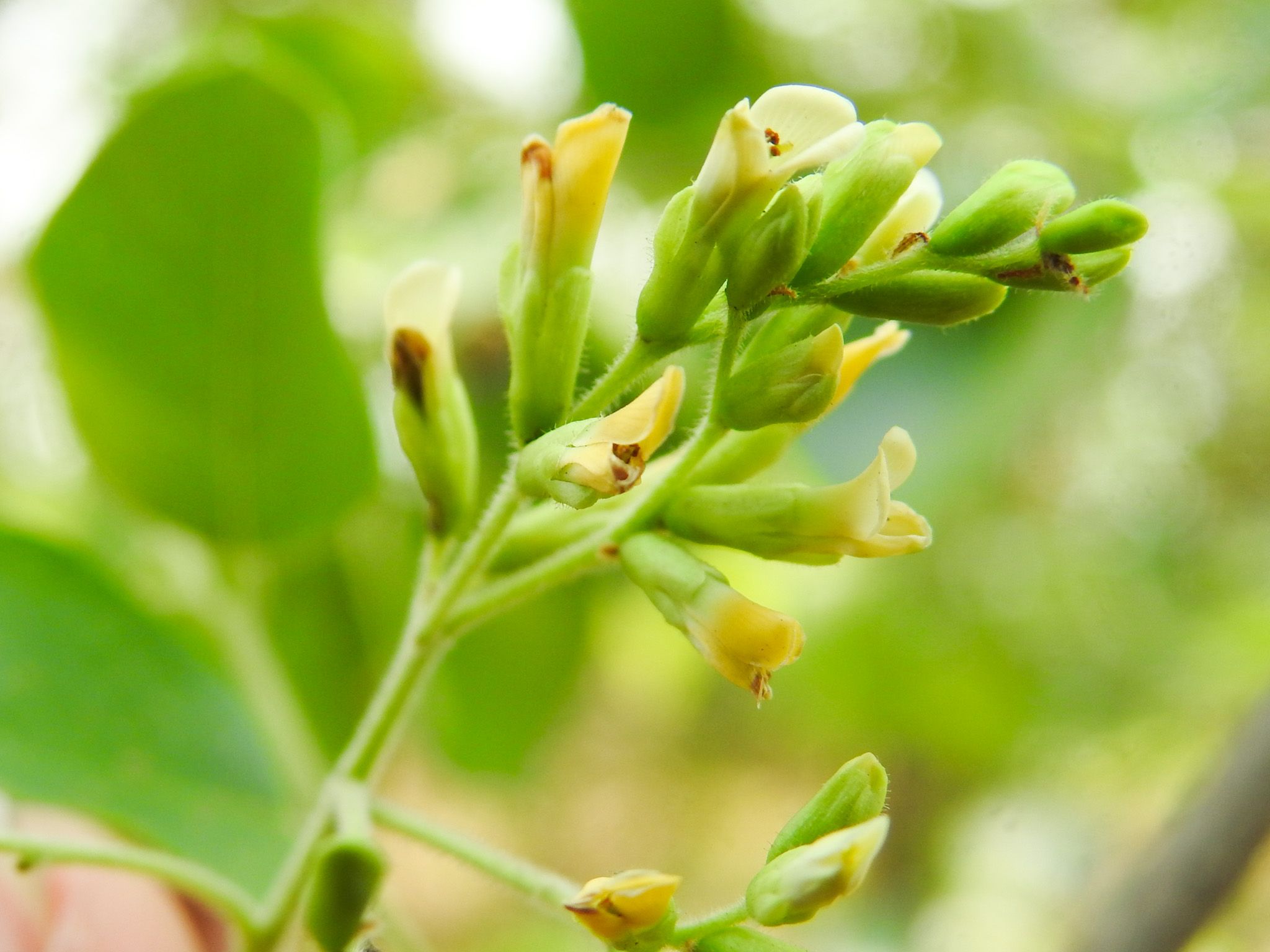
In spring, the tree produces a profusion of fragrant flowers in dense clusters. These small, nearly sessile blooms emerge whitish to pale pink and create a spectacular display that attracts pollinators. The flowers give way to flat, strap-like seed pods that are 4-8 cm long and light brown when mature, each containing 1-4 seeds.
Native to the Indian subcontinent and southern Iran, Sheesham thrives along riverbanks and in deciduous forests at elevations from sea level up to 1,500 meters. The tree is naturally distributed across several Indian states including Punjab, Haryana, Uttar Pradesh, Bihar, West Bengal, Uttarakhand, and parts of the Himalayan foothills. It prefers alluvial soils—sandy, gravelly, or rich loamy deposits found along rivers—and is remarkably adaptable to varying conditions, from average annual rainfall of 2,000 mm to enduring dry periods of 3-4 months.
Nature's Pharmacy: Medicinal Treasures

Beyond its timber value, Sheesham has been treasured in Ayurvedic medicine for centuries. Various parts of the tree—bark, leaves, seeds, and roots—contain bioactive compounds including isoflavones, flavonoids, tannins, that give the plant its therapeutic properties.
Traditional healers have used Sheesham to treat a diverse array of conditions. The bark and wood possess anthelmintic, antipyretic, aphrodisiac, expectorant, and refrigerant properties. Leaf juice is applied topically for eye disorders, skin diseases, and non-healing ulcers. The paste of tender leaves, taken with milk, has been used to address conditions ranging from obesity and vitiligo to intestinal parasites and gynecological disorders.
Modern scientific research has validated many traditional uses. Studies have demonstrated that Sheesham extracts possess significant antinociceptive (pain-relieving), anti-inflammatory, antidiabetic, and antioxidant activities. Research on diabetic rats showed that bark extracts significantly improved blood sugar control, increased liver glycogen content, and reduced cholesterol and triglyceride levels—effects comparable to the standard drug glibenclamide. The plant's antibacterial and antifungal properties make it useful for treating skin conditions, wounds, and infections.
The seed oil and powdered wood have traditionally been used for treating skin ailments, while the tree's twigs—called "datun"—have been used for centuries as natural toothbrushes throughout Pakistan, Africa, and the Middle East, a practice that continues in rural areas today.
Ecological Guardian and Environmental Champion
Sheesham's environmental contributions extend far beyond its commercial value. As a member of the Fabaceae (legume) family, the tree possesses nitrogen-fixing properties that enrich soil fertility. Root nodules containing symbiotic bacteria convert atmospheric nitrogen into forms readily absorbed by plants, naturally improving soil health without chemical fertilizers.
The tree's extensive deep root system serves multiple ecological functions. It stabilizes soil, making Sheesham invaluable for erosion control, particularly along riverbanks and in regions prone to soil degradation. This same characteristic enables the tree to withstand drought conditions once established, while its ability to grow on fresh alluvial deposits makes it a primary colonizer of new landforms along rivers.
Sheesham provides critical habitat and food for diverse wildlife. The leaves serve as a food source for caterpillars, which in turn support bird populations including woodpeckers, barbets, and parakeets. The tree's flowers attract pollinators, while its dense canopy offers shade and shelter. Even the wood supports ecosystem functions, providing food for termites that play essential roles in nutrient recycling.
In urban settings, Sheesham trees planted along streets, in parks, and around tea plantations help mitigate air pollution by absorbing harmful gases and releasing oxygen. The tree's broad, spreading crown provides relief from intense summer heat, making it a popular choice for shade in both rural and urban landscapes.
Threats and Conservation Challenges
Despite its ecological and economic importance, the Sheesham tree faces mounting pressures. Deforestation, illegal logging, and land conversion for agriculture pose significant threats to wild populations. The high commercial value of Sheesham timber has led to overexploitation, with mature trees increasingly rare in natural forests.
A particularly concerning threat is "die-back disease," a complex syndrome affecting Sheesham plantations across northern India. Surveys in Bihar, Haryana, Delhi, Punjab, Himachal Pradesh, and Uttar Pradesh have revealed mortality rates of 20-30% in some areas. The disease, associated with Fusarium wilt and other fungal pathogens, particularly affects trees grown on unsuitable sites with heavy, waterlogged clayey soils. Isolated trees and those along roads and canal banks appear most vulnerable, while mixed plantations show greater resilience.
The tree's reproductive biology presents additional challenges. While Sheesham can reproduce through seeds and root suckers, natural regeneration can be slow. Seeds have relatively short viability, and successful establishment requires specific soil and moisture conditions. Over-reliance on monoculture plantations has reduced genetic diversity, potentially making populations more susceptible to diseases.
Climate change adds another layer of uncertainty. Alterations in rainfall patterns, temperature extremes, and increased frequency of droughts could affect the tree's natural distribution and growth patterns, particularly in marginal habitats.
Sustainable Management and Agroforestry
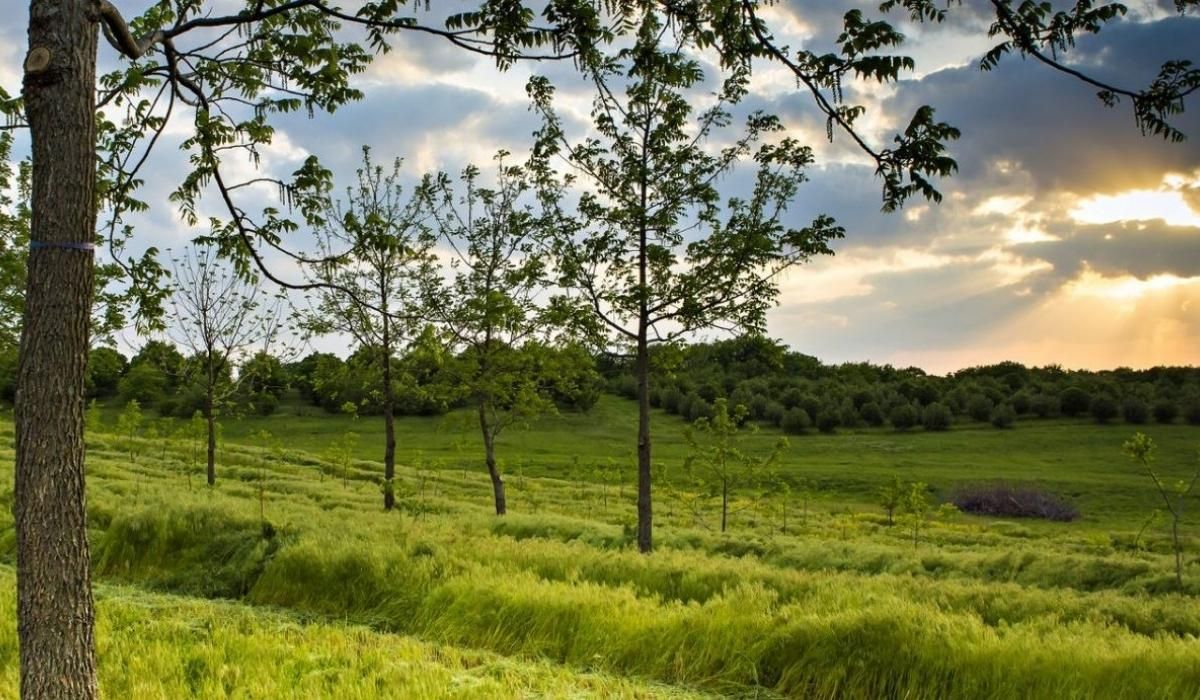
Sheesham's adaptability makes it ideal for agroforestry systems, where it's intercropped with agricultural products like wheat, maize, mustard, gram, and sugarcane. This integration provides multiple benefits: farmers gain additional income from timber while crops grow between tree rows during the first few years. The tree's nitrogen fixation improves soil fertility for companion crops, and its shade can reduce heat stress during summer months.
The tree's excellent coppicing ability—its capacity to regrow from cut stumps—makes it suitable for sustainable timber management. However, vigor reportedly declines after two or three rotations, suggesting the need for replanting or regeneration strategies. As fuelwood, Sheesham is grown on 10-15 year rotations, with both sapwood and heartwood possessing excellent calorific values (4,908 and 5,181 kcal/kg respectively).
Conservation efforts increasingly focus on cultivation rather than wild harvest. Nurseries across northern India produce Sheesham saplings for reforestation projects, roadside plantings, and agroforestry programs. Propagation can be achieved through seeds, stem cuttings, or grafting, though grafting produces faster-growing trees with predictable timber quality.
Cultural Resonance and Living Tradition

The Sheesham tree's cultural significance transcends its practical uses. In Punjab, where it serves as the state tree, Sheesham symbolizes agricultural prosperity and the deep connection between people and land. The wood's use in traditional musical instruments links it to centuries of artistic expression—the rhythm of dhol drums at bhangra celebrations, the melodic strings of sitars in classical ragas, and the resonant tones of tablas accompanying dance.
Sheesham wood furniture has become synonymous with quality craftsmanship, passed down through generations as family heirlooms. The rich grain patterns and warm tones make each piece unique, carrying within it the story of the tree's growth—the wider circumference of mature trees yields greater proportions of dark heartwood, the most prized portion.
Traditional knowledge surrounding Sheesham continues in rural communities where the tree remains integrated into daily life. From its medicinal applications to its role as a natural toothbrush, from providing shade for livestock to supplying timber for homes and tools, Sheesham exemplifies sustainable resource use when properly managed.
Pathways Forward: Planting a Legacy
Protecting and propagating Sheesham trees requires collaborative action across multiple sectors. Government initiatives promote plantation drives, particularly during the monsoon season (June to September) when conditions favor establishment. Organizations working on reforestation identify deforested areas suitable for Sheesham cultivation and partner with local communities to implement sustainable planting programs.
For individuals and communities, planting Sheesham offers tangible benefits:
Environmental Contribution: Each tree planted helps combat soil erosion, improves air quality, enhances biodiversity, and contributes to carbon sequestration.
Economic Opportunity: With proper management, Sheesham provides long-term economic returns through timber, while agroforestry integration offers medium-term income from intercropped agricultural products.
Cultural Preservation: Cultivating Sheesham helps preserve traditional knowledge and craft skills dependent on this wood, ensuring that future generations can access quality materials for furniture making and musical instruments.
Landscape Enhancement: The tree's aesthetic appeal—its spreading crown, fragrant spring flowers, and attractive foliage—makes it valuable for landscaping in parks, gardens, and along urban streets.
The Future of a Living Heritage
The Sheesham tree stands at a crossroads. Its timber remains in high demand globally, its medicinal properties continue to be explored by modern science, and its ecological services grow ever more critical as environmental challenges mount. Yet wild populations decline while disease pressures increase and climate uncertainties loom.
The path forward requires balancing utilization with conservation, tradition with innovation. Sustainable cultivation practices, genetic diversity preservation, disease management research, and community engagement all play crucial roles. By treating Sheesham not merely as a timber resource but as a living heritage—an ecological keystone, a medicinal treasure, a cultural icon—we honor both its past significance and its future potential.
In saving the Sheesham tree, we preserve more than wood. We maintain the rhythmic heartbeat of the dhol at harvest celebrations, the intricate grain patterns that inspired generations of craftsmen, the shade under which farmers rest, the nitrogen-rich soil that nourishes crops, and the living link to millennia of human-nature partnership. The Sheesham tree reminds us that true wealth grows on living roots, branches reaching toward the sky while anchoring our heritage deep in the earth.
Frequently Asked Questions About the Sheesham Tree
1. What is Sheesham wood and why is it so popular?
Sheesham wood comes from Dalbergia sissoo, also called North Indian Rosewood. It's prized for its durability, beautiful golden-to-brown grain, resistance to termites and decay, and exceptional workability for furniture and musical instruments.
2. How is Sheesham wood different from teak or mango wood?
Sheesham is denser and more durable than mango wood but lighter than teak. Its interlocking grain creates unique patterns, and it's particularly valued for musical instruments due to its acoustic properties. After teak, it's the most important timber tree in Bihar.
3. What are the medicinal uses of Sheesham tree?
Various parts have been used in Ayurveda to treat fever, inflammation, skin diseases, dysentery, eye problems, and gynecological disorders. Modern research confirms its anti-inflammatory, antidiabetic, pain-relieving, and antioxidant properties.
4. Where does the Sheesham tree grow naturally in India?
It grows naturally along riverbanks in the sub-Himalayan region from Assam to the Indus River, particularly in Punjab, Haryana, Uttar Pradesh, Bihar, West Bengal, and Uttarakhand. It thrives at elevations up to 1,500 meters on alluvial soils.
5. Can I grow a Sheesham tree in my garden?
Yes, if you have warm to tropical climate conditions. The tree needs well-drained soil, full sun to partial shade, and regular watering during establishment. It grows relatively fast and can provide shade within a few years.
6. Why is Sheesham wood used for musical instruments?
The wood's density, resonance, and acoustic properties make it ideal for percussion and string instruments. It's commonly used for dhols, tablas, mridangas, sitars, and other traditional instruments, producing rich, warm tones.
7. Is the Sheesham tree endangered?
While not officially listed as endangered, wild populations face threats from deforestation, illegal logging, and die-back disease. Mortality rates of 20-30% have been observed in some plantation areas due to fungal diseases and unsuitable growing conditions.
8. How long does Sheesham wood last?
Properly seasoned Sheesham furniture can last for generations—often 50-100+ years—due to its natural durability and resistance to decay and termites. The heartwood is particularly long-lasting and requires minimal maintenance.