The monsoon is essential to India’s water security, agriculture, and natural ecosystems. Yet in many Indian cities, even a few hours of intense rainfall can flood roads, overwhelm drains, disrupt transport, and damage homes and businesses.
The problem is not rainfall alone. As cities expand, open soil, wetlands, trees, and natural drainage channels are increasingly replaced by roads, buildings, parking areas, and paved surfaces. Rainwater that once entered the soil now moves rapidly across concrete and collects in low-lying areas.
The National Disaster Management Authority’s proceedings on urban flood mitigation explain that urban flood management requires a combination of drainage planning, land-use management, ecological conservation, early warning, and coordination among city agencies. Urban forests can become one useful part of this wider system.
They cannot prevent every flood or replace functioning drains, lakes, wetlands, and floodplains. However, when planned properly, they can slow surface runoff, protect soil from erosion, and give rainwater more opportunity to enter the ground.
Why Rainwater Becomes Runoff in Cities
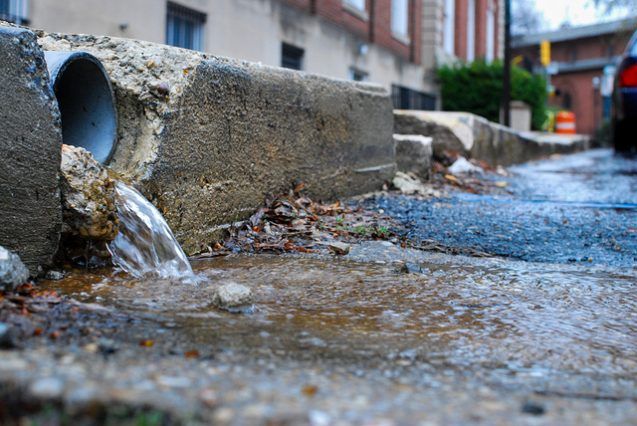
Rain behaves differently on natural soil than it does on a paved road.
In a vegetated landscape, leaves and branches intercept part of the rainfall before it reaches the ground. Leaf litter reduces the force of falling rain, while roots, soil organisms, and organic matter create spaces through which water can move into the soil.
In a concrete-heavy city, rainfall reaches rooftops, roads, parking spaces, and pavements that allow very little infiltration. Water then travels quickly towards drains and low-lying areas, often carrying plastic, sediment, oil, and other pollutants with it.
The US Environmental Protection Agency’s explanation of urban stormwater runoff notes that impervious surfaces prevent rainwater from soaking into the ground and increase the volume of runoff entering drains and waterbodies.
When intense rainfall produces more runoff than drains can carry, streets begin to flood. Blocked drains, poor waste management, construction over natural channels, disappearing wetlands, and inadequate stormwater infrastructure can make the situation worse.
How Urban Forests Slow Rainwater
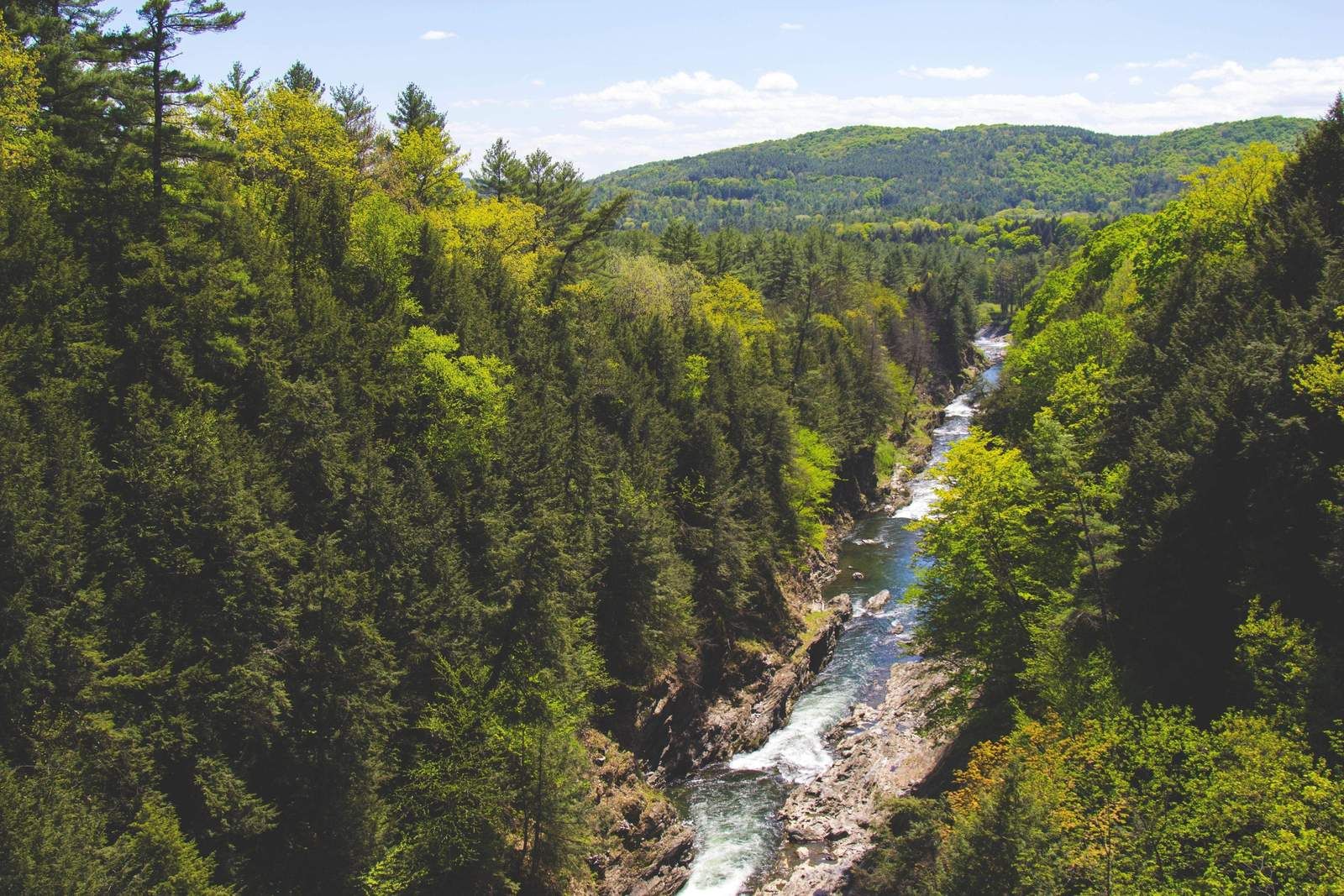
An urban forest is more than a collection of trees. It includes tree canopies, shrubs, roots, leaf litter, organic matter, and living soil. Together, these layers influence how rainfall reaches and moves through the landscape.
The canopy forms the first layer. Leaves and branches temporarily intercept rainfall, reducing the speed and force with which it reaches the ground. Some of this water evaporates, while the rest falls more gradually through the canopy or flows down trunks.
The EPA’s guidance on how trees help reduce runoff explains that tree canopies reduce erosion from falling rain and provide surfaces where water can collect and evaporate. Roots can also improve soil conditions and support infiltration.
At ground level, fallen leaves and mulch form another protective layer. They slow water movement, reduce soil erosion, conserve moisture, and add organic matter as they decompose.
Together, these processes can delay the movement of water across the land. This does not mean that the forest absorbs all rainfall, but it can reduce how quickly water reaches nearby roads and drains.
Why Healthy Soil Matters as Much as Trees
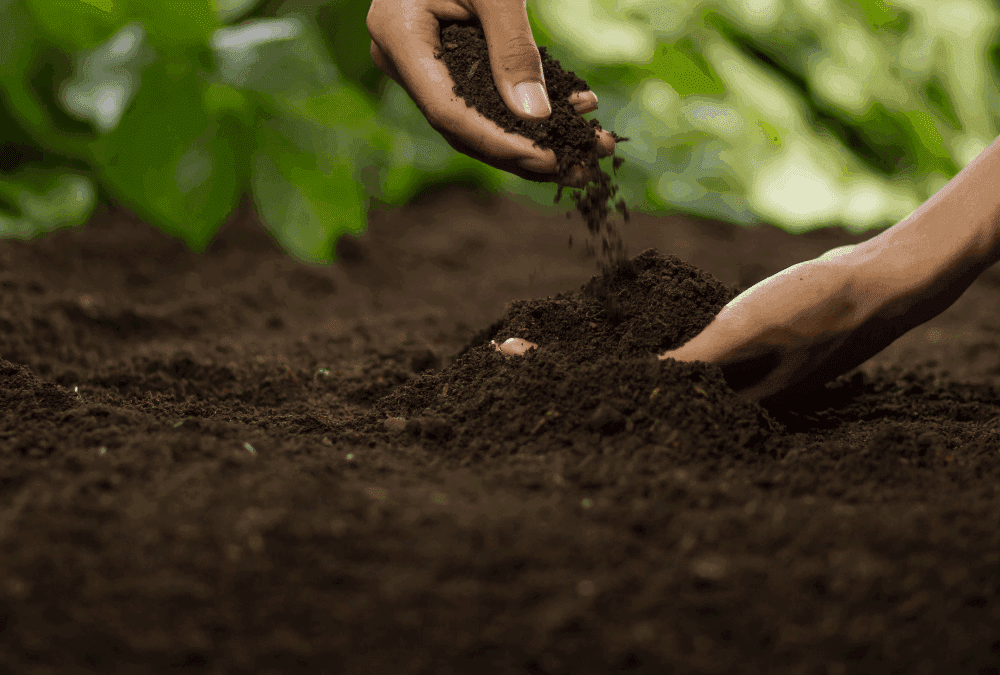
The flood-management value of an urban forest depends heavily on the condition of its soil.
If trees are planted in heavily compacted construction debris, water may still remain on the surface. A site can look green above ground while functioning poorly below it.
Before plantation, planners should understand the soil type, slope, compaction, drainage pattern, groundwater level, and direction of natural water flow. Depending on the site, work may include loosening compacted soil, adding organic matter, applying mulch, protecting natural depressions, or creating safe routes for excess water.
Soil preparation must also be designed carefully. Water should not be unintentionally diverted towards homes, basements, roads, or neighbouring properties.
Long-term care is equally important. Mulch must be replenished, dumping prevented, erosion repaired, drainage paths cleared, and dead plants replaced. Without maintenance, even a well-planned green space can gradually lose its ability to manage rainwater.
Urban Forests Are Not a Substitute for Drains
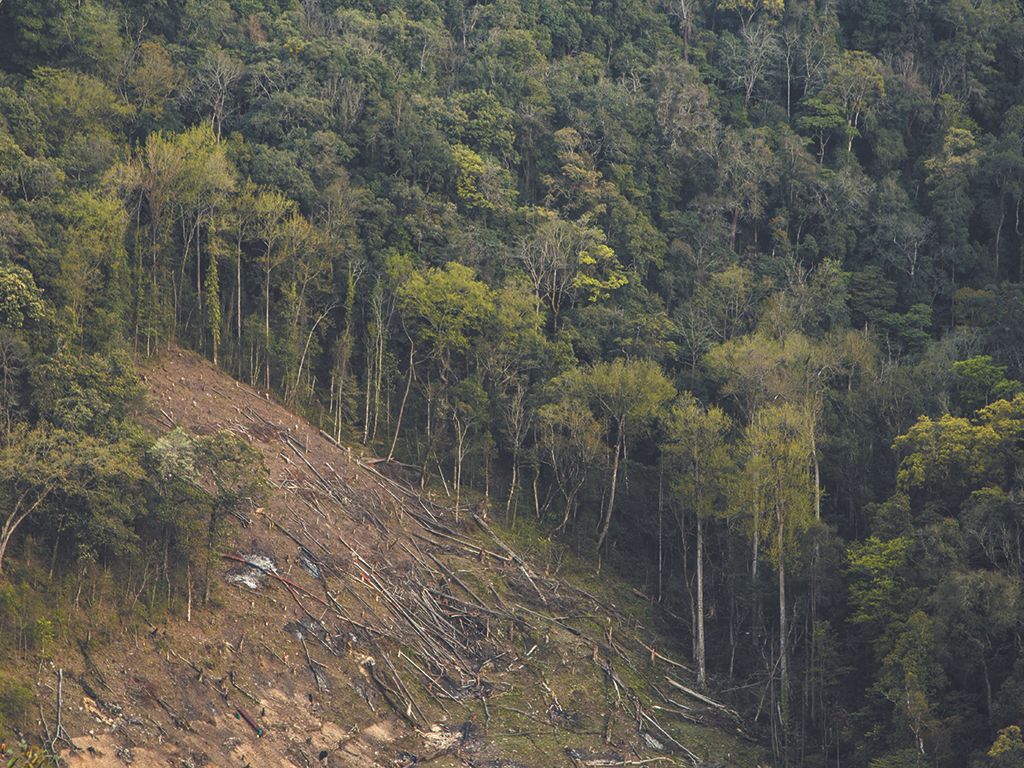
Urban forests can support flood resilience, but their limitations must be understood. A forest cannot absorb unlimited water during a cloudburst. Its performance depends on the intensity and duration of rainfall, soil type, available land, slope, existing moisture, and local drainage conditions.
Urban forests cannot compensate for blocked drains, undersized culverts, encroached waterways, or construction on floodplains. They also cannot replace wetlands and lakes that naturally store large volumes of water.
The World Bank’s work on urban flood management in a changing climate emphasizes the need to combine green infrastructure with grey infrastructure such as drains, pumps, detention structures, floodgates, and reservoirs.
The solution is therefore not forests instead of drains. It is forests, waterbodies, permeable spaces, and engineered drainage working together.
Connecting Urban Forests With Lakes and Wetlands
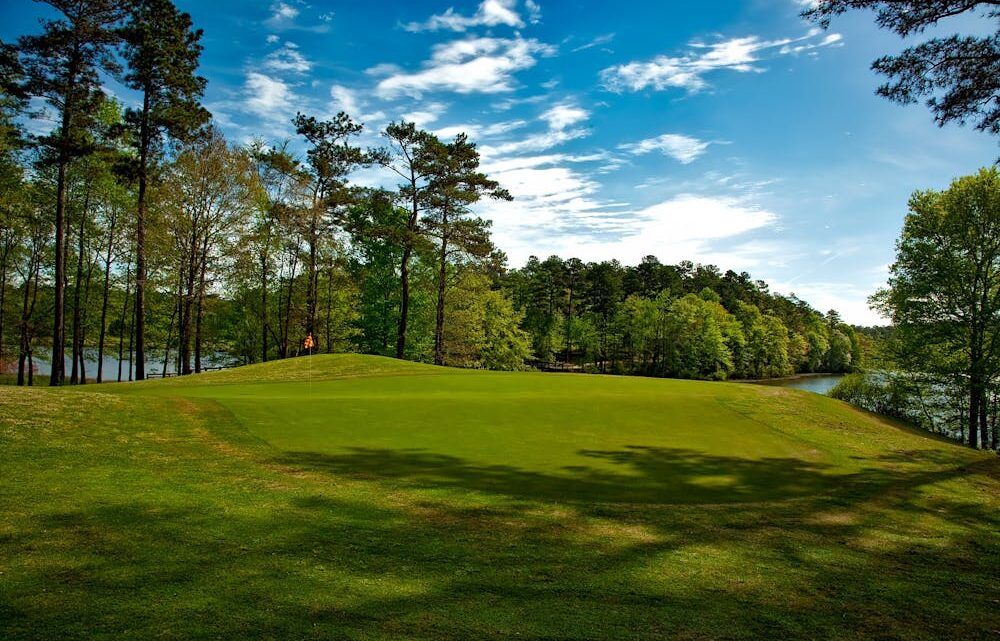
Urban forests become more effective when they form part of a connected blue-green system.
The “blue” elements include lakes, ponds, wetlands, streams, drains, and retention areas. The “green” elements include forests, parks, tree belts, rain gardens, vegetated channels, and permeable landscapes.
The Ministry of Housing and Urban Affairs’ advisory on urban waterbody rejuvenation explains that healthy urban waterbodies can reduce flood risk by moderating peak flows and slowing downstream stormwater movement.
Vegetated buffers around lakes and streams can also reduce erosion, filter sediment, stabilise banks, and provide habitat. Trees and shrubs planted in appropriate zones may slow runoff before it enters a waterbody.
However, plantations must never obstruct natural channels or replace existing wetlands. In many cases, protecting and restoring a wetland is more valuable for flood management than converting it into a dense forest.
From Concrete Cities to Sponge-Like Landscapes
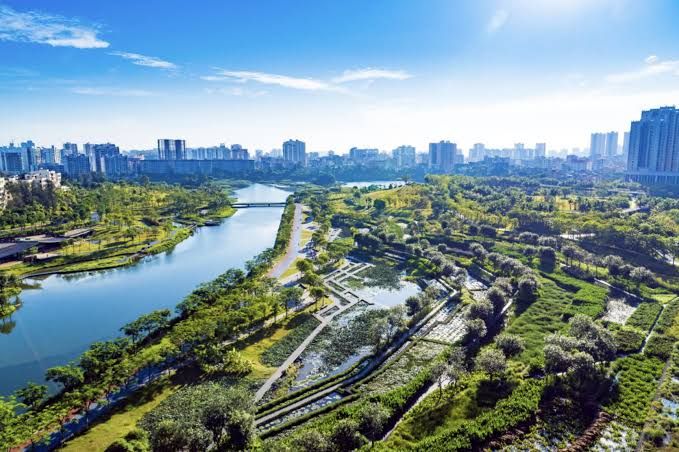
A climate-resilient city should behave more like a sponge than a slab of concrete. It should be able to absorb, store, filter, and gradually release part of the rainfall it receives.
Urban forests can contribute to this approach, but they are only one component. Other useful interventions include:
- rain gardens and vegetated swales
- restored lakes, ponds, and wetlands
- permeable pavements
- detention and retention areas
- green roofs
- rainwater-harvesting systems
- protected natural drains and floodplains
The EPA’s overview of green infrastructure describes these approaches as ways of slowing, spreading, and absorbing stormwater through vegetation, soil, and landscape design.
Used together, they can reduce pressure on drains while also creating cooler streets, cleaner air, wildlife habitat, and more attractive public spaces.
Turning Vacant Land Into Functional Green Space
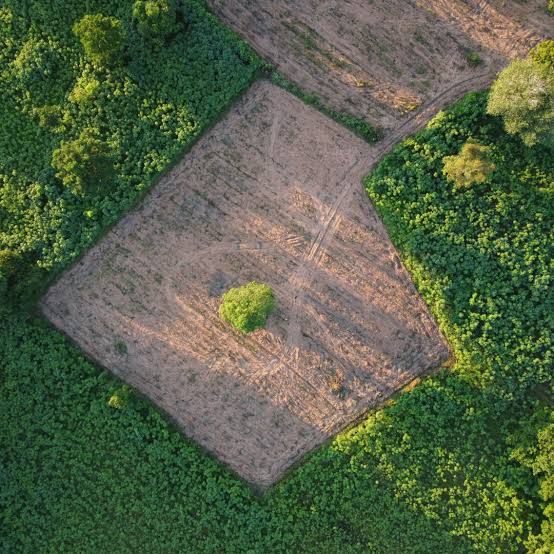
Underused urban land is often treated as leftover space. Such plots may become dumping grounds, dusty open areas, or paved extensions that increase heat and runoff.
Where ecologically suitable, degraded plots can be restored with trees, shrubs, ground vegetation, mulch, and healthier soil. Instead of simply receiving rain and sending it towards a road, the land can begin to slow and hold part of that water.
But not every vacant plot should become a dense forest. Some land may be part of a natural drainage route, wetland, floodplain, or temporary water-storage area. Such functions must be protected.
The decision should therefore follow a site assessment rather than a fixed plantation model. The goal is to restore the land in the way that best supports its natural role in the wider catchment.
Why Species Selection Matters
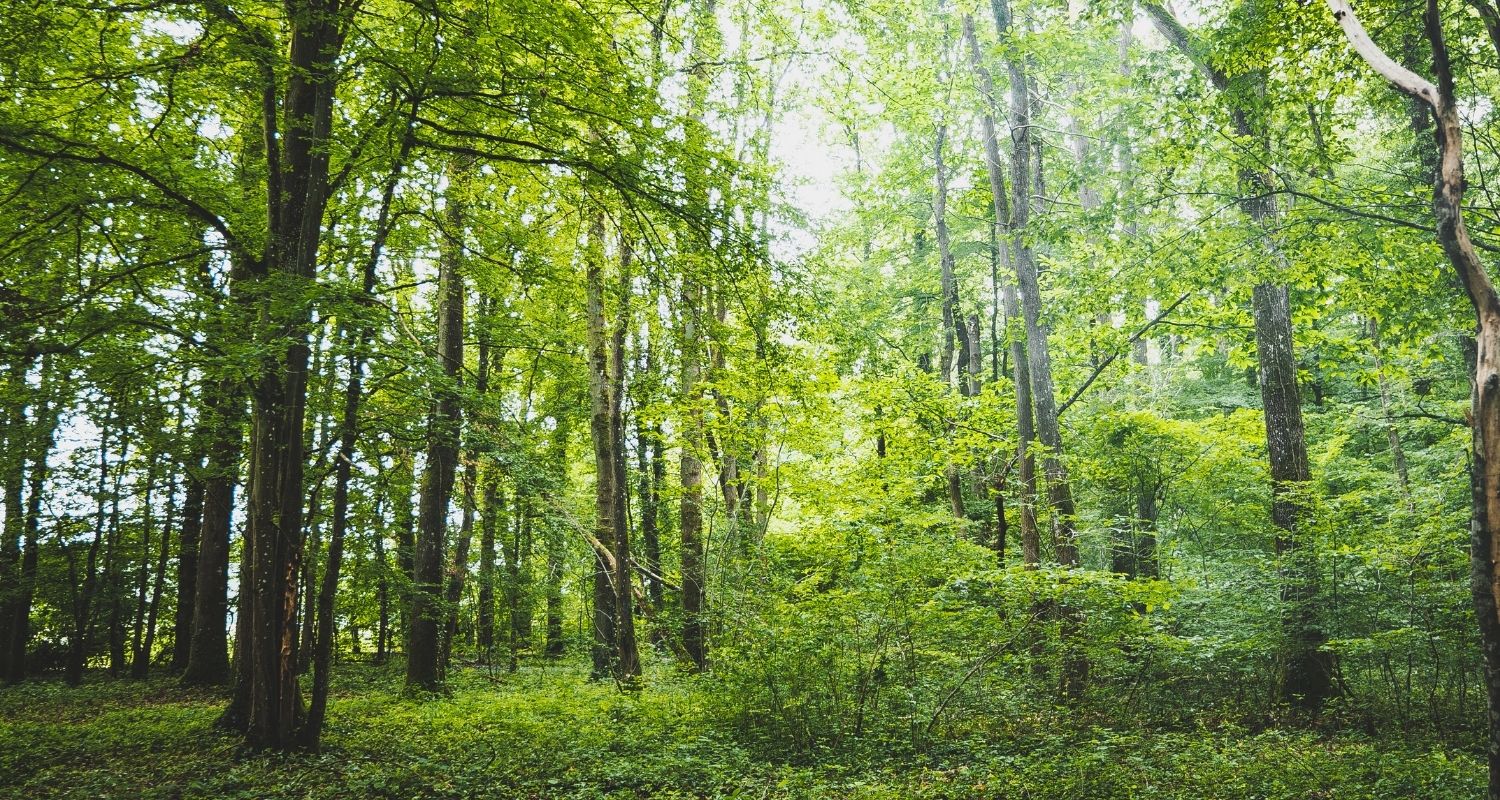
Trees chosen for urban forests should suit the local soil, rainfall pattern, temperature, and water conditions.
A species that thrives in a dry upland area may fail in a seasonally waterlogged location. Similarly, trees with unsuitable roots or large mature canopies may create problems near buildings, drains, or underground utilities.
Native and locally adapted species are often valuable because they are connected to regional ecosystems and can support birds, insects, and pollinators. However, native status alone does not guarantee suitability for every site.
Species selection should consider mature size, water requirements, root behaviour, tolerance to temporary flooding or drought, biodiversity value, and long-term maintenance.
Urban Forests as Green Infrastructure
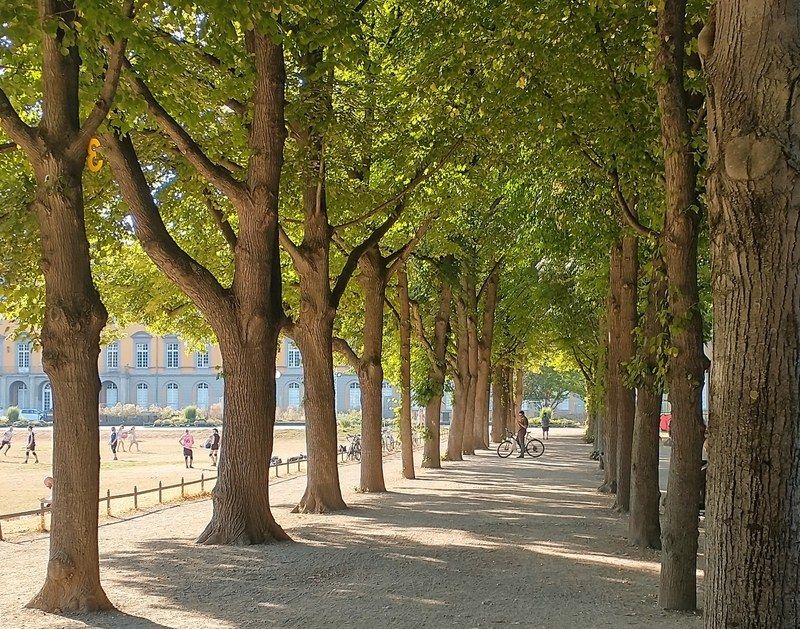
Urban forests are often treated as beautification projects, but their role is much broader. They can contribute to stormwater management, heat reduction, air quality, biodiversity, recreation, and soil restoration.
Like other forms of infrastructure, they need suitable land, technical planning, investment, monitoring, and maintenance. A poorly designed plantation may fail or create new problems. A forest that is integrated with drainage, waterbodies, roads, and surrounding land uses can continue delivering benefits for decades.
This is why urban forests should be planned as part of city infrastructure rather than as isolated plantation sites.
Conclusion
Urban flooding is caused by a combination of intense rainfall, expanding concrete cover, blocked drains, inadequate infrastructure, wetland loss, encroachment, and poor land-use planning. Urban forests cannot solve all these challenges alone.
What they can do is help cities manage rainfall more naturally. Their canopies intercept rain, leaf litter protects soil, and healthy ground conditions can slow runoff and support infiltration.
When urban forests are connected with restored waterbodies, protected wetlands, permeable surfaces, and functioning stormwater drains, they become part of a stronger flood-resilience system.
Indian cities need infrastructure that moves excess water safely. They also need landscapes that give rainwater space to slow down.
The future of urban flood management will not be entirely grey or entirely green. It will depend on how intelligently cities bring both together.
FAQs
1. How do urban forests help manage monsoon flooding?
Urban forests intercept rainfall, slow surface runoff, protect soil from erosion, and may improve infiltration where soil conditions allow.
2. Can urban forests prevent flooding completely?
No. They complement drains, wetlands, lakes, floodplains, pumps, and other infrastructure but cannot replace them.
3. Why does concrete increase flood risk?
Concrete and asphalt prevent rainwater from entering the soil, increasing the speed and volume of runoff flowing towards drains and low-lying areas.
4. Do tree roots improve water infiltration?
Tree roots can create pathways and improve soil structure, but the result depends on soil type, compaction, slope, and existing water conditions.
5. Can urban forests recharge groundwater?
They may support infiltration where geological and soil conditions are suitable, but groundwater recharge is site-specific and should not be assumed everywhere.
6. What is blue-green infrastructure?
It is a connected system of water features such as lakes and drains, combined with green spaces such as forests, parks, wetlands, and rain gardens.
7. Why is soil preparation important?
Compacted or contaminated soil may absorb very little water. Proper preparation improves tree health and helps the landscape manage rainfall more effectively.
8. Where should urban forests be developed?
Suitable sites may include degraded open land, campuses, parks, and appropriate waterbody buffers, provided they do not obstruct wetlands, floodplains, or natural drainage channels.